


Construction is a complex and intricate process. Fasteners play an integral role in ensuring the stability, safety, and functionality of any building or infrastructure. From securing beams to connecting essential elements like roofs with walls, fasteners are versatile- and necessary- components of construction sites around the world. These small pieces of hardware provide the necessary link between two fixtures or materials during the building process. They’re incredibly versatile and come in various shapes and sizes which makes them ideal for joining different elements in structures together effectively while also providing additional strength.
In this blog post, we will discuss what construction fasteners are, considerations to make when you are choosing a fastener for your project, some of the common types of fasteners, the importance of fasteners in construction and how FixFirm can help you with your fastener requirements.
What is Fastener?
Fasteners are hardware pieces that mechanically join multiple materials or objects together. Types include bolts, screws, anchors, rivets, nails, spikes, and staples, which secure materials through mechanical friction or with another fastener. Nuts, pins, safety lock wire, and retaining rings help secure these fasteners in place. Spacers, standoffs, washers, shims, and shim stock ensure correct spacing and alignment to prevent damage.
KBear Metal is a quality nuts and bolts fasteners manufacturer that has been supplying standard and custom fasteners supplier since 1989. We offer a wide range of standard and metric fasteners in materials like steel, stainless steel, brass, silicon bronze, Hastelloy, Inconel, Monel, aluminum, alloy 20, 17-4PH, 17-7PH, titanium, and other non-ferrous metals. We supply over 100,000 different fastener components.
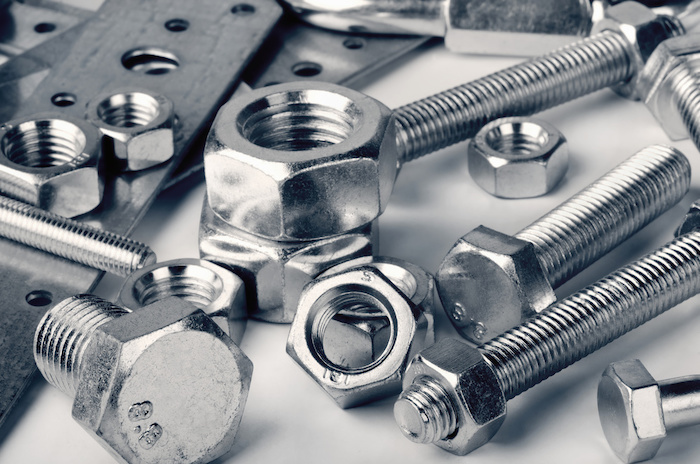
What are fasteners in construction?
Construction fasteners are hardware devices used to join or secure two or more materials together in a non-permanent way. They can be made of various materials, including metal, plastic, or composite materials, and they come in a wide variety of shapes, sizes, and types to suit different construction needs.
Each type of fastener is designed to perform a specific function, such as securely holding a building together, resisting corrosion, or distributing loads across multiple materials. Each project requires a different type of fastener to ensure a strong and safe final construction.
Fasteners are used in a variety of construction applications, such as framing, roofing, drywall installation, and concrete work. Choosing the right type of fastener for the job is critical to ensure that the structure is strong, safe, and durable. Fasteners may be the smallest component of your project, but they’re among the most critical. It is essential that you choose a fastener that meets the specific needs of your product and how it will be used.

The importane of fastener in construction
Fasteners are a vital component of the construction industry, serving as the connective tissue that holds structures together. They provide structural integrity, help to distribute loads and stresses of the building and keep the structure stable and secure.
Safety: Fasteners are critical to ensuring the safety of structures. Properly selected and installed fasteners ensure that materials are securely fastened together and that structures can withstand the loads and forces placed upon them.
Durability: Fasteners play a key role in ensuring the durability of structures. They must be able to withstand environmental factors like moisture, heat, and corrosion and must be made from materials that can withstand the rigours of the construction process.
Stability: Fasteners help maintain the stability of structures. They can be used to reinforce and strengthen connections between materials and structures, providing additional support and ensuring that the structure remains stable over time.
Versatility: Fasteners come in a wide variety of shapes, sizes, and types, making them highly versatile. They can be used for a wide range of construction projects, from small home renovations to large-scale commercial developments.

Types of fasteners
There are different types of fasteners that are available in the market based on the requirements. Mechanical fasteners come in many forms like screws, nails, nuts, bolts, washers anchors as well as rivets. The types of fasteners can be explained in detail below:
1. Screws
Screw fasteners are one of the most versatile types of fasteners. The threaded shafts present give them a more durable holding power. These fasteners do not require anything to hold them in place. Screws come in a wide variety of types and can be named as follows:
- Wood screws – These have a coarse thread and a tapered head.
- Deck screws – These include self-tapping design and are corrosion resistant.
- Machine screws – These have uniform thickness and do not taper off from the bottom.
2. Nails
A nail has greater sheer strength and is a better choice for various applications.
- Common Nails – These have a thicker shank for greater holding power for many different applications.
- Box Nails – These offer easier driving with steel construction and a diamond point-tip.
- Brad Nails – These can easily blend into wood trim.
3. Bolts, Nuts & Washers
Nuts and bolts are other common types of fasteners. These two pieces work together and hold the components together. You can insert the bolt into the two parts you want to join and then fasten it in place with the nuts.
4. Anchors
These types of fasteners are used to connect something to a material like drywall or concrete.

4 Points to Remember While Choosing Fasteners
- Consider the fasteners primary use before purchasing and buy it according to the requirement.
- Know the specifications of your requirement
- Consider the material and its corrosion-resistant power.
- Consider the price.
1. Material
Get to know the requirement before choosing the fastener. Fasteners come in different material and it is always the best option to buy the one made up of stainless steel so that it remains corrosion resistant.
2. Head Shapes
It is also important to know the type of head that is needed. For example flat head, truss head, pan head. Each type has its own distinct purpose.
3. Length
Length is also an important factor that determines where you can source your fastener from. The sizes vary due to variations in requirement.
4. Coating
Coatings are used to add or increase the corrosion resistance. Zinc, hot-dip galvanizing and chrome are the most common types of coating used.

Consideration to think about when choosing fastener
- How is the fastener being used?
Is the fastener opened and closed regularly or is it seldom opened? How heavy are the materials that it must hold together? Is the structure permanent or temporary?
- Where is the fastener being used?
What environmental factors does the structure have to deal with? Is the structure by salt water? Does it rain a lot or is there a lot of hot weather? Is the structure in a place prone to natural disasters (earthquakes, hurricanes etc.)?
- What’s the right type of fastener?
There are many variations of fasteners. Each fastener has its own strengths, weaknesses, and applications, so certain types are better choices in certain situations.
- What is the right material?
The material you choose affects not just the cost but also the strength and corrosion resistance of the fastener. Material examples include plastic, steel, bronze, brass, and nylon.
- What is the right size?
How and where the fastener is being used also factors into fastener size- most come in industry standard sizes, for example, metric bolts are sized from M5 – M30 with hole sizes from 5.5mm – 32mm. They can be used on a variety of construction projects, from simple dining room table builds to commercial planes and cruise ships.
Choosing the wrong fastener will mean your product doesn’t hold up over time and this can prove to be an expensive mistake. Kbear Metal manufactured high quality fasteners that meets your desired quality and effectivess.

Conclusion
KBear Metal is a quality nuts and bolts fasteners manufacturer that has been supplying standard and custom fasteners supplier since 1989. We offer a wide range of standard and metric fasteners in materials like steel, stainless steel, brass, silicon bronze, Hastelloy, Inconel, Monel, aluminum, alloy 20, 17-4PH, 17-7PH, titanium, and other non-ferrous metals. We supply over 100,000 different fastener components.
You can purchase different types of fasteners from Kbear Metal based on your requirement of length, size, and coating types. You can also go through the website for more details.



