

Picking the appropriate L bracket metal is critical for the strength, durability, and functionality of your project. When it comes to using L brackets for various applications, from furniture to construction and industrial uses, choosing the right one can make or break your structural integrity and durability. This guide also helps you find out key tips which you should keep in mind while using or selecting an L bracket metal according to your requirements.
What is an L Bracket?
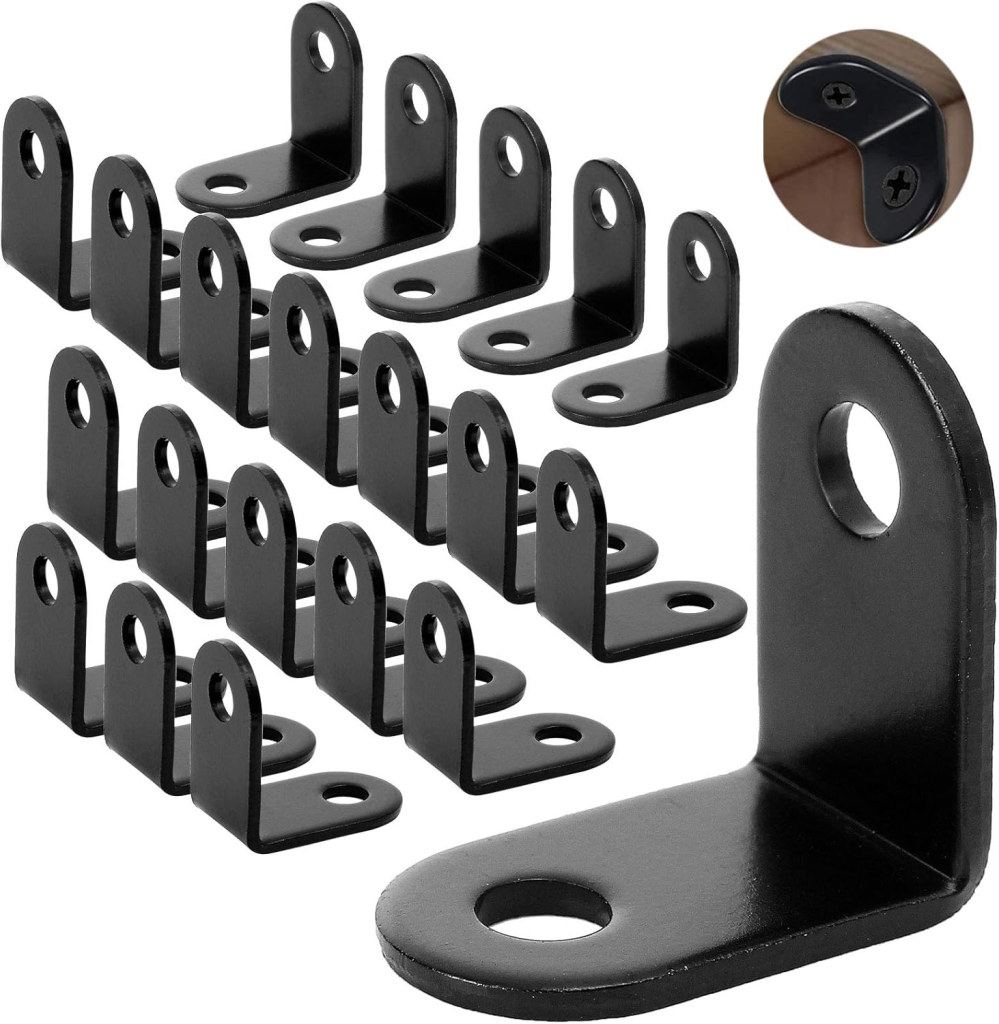
An L Bracket, also known as an angle bracket or corner brace, is a metal connector designed in the shape of the letter “L”, typically used to reinforce right-angle joints between two materials. It provides essential support to prevent structural shifting, making it a popular choice in woodworking, construction, and metal fabrication. L Brackets are manufactured from durable metals such as stainless steel, carbon steel, galvanized steel, or aluminum, depending on the application requirements.
These brackets are commonly used in furniture assembly, wall shelving, cabinetry, framing systems, and heavy-duty equipment support. They feature pre-drilled holes that allow bolts or screws to be inserted easily, ensuring quick installation without the need for complex tools. Due to their high load-bearing capacity and stability, L Brackets significantly improve the firmness and lifespan of connected components. They are available in various sizes, thicknesses, and surface finishes such as galvanized, powder-coated, or anti-rust treated options, making them suitable for both indoor and outdoor environments.

Know the Load-Bearing Requirements
Before selecting an L bracket metal for your project, it’s essential to clearly understand the load-bearing requirements. Each bracket is designed to handle a specific weight capacity, and choosing the wrong one can compromise safety and structural stability. Whether you’re installing wall-mounted shelves, assembling furniture, or reinforcing construction elements, knowing how much weight the bracket needs to support will help you select the correct thickness, material, and size. Heavy-duty applications require thicker galvanized or stainless steel brackets, while light indoor use may only need standard carbon steel options. Proper load assessment ensures long-term reliability and safety.
How much weight can L bracket hold is a major factor that determines its efficacy. Consider:
- Medium-duty applications – Aluminum or thin-gauge steel brackets are ideal for most light weight furniture or shelving.
- Heavy-duty applications – A reinforced aluminum or stainless-steel can support heavier fixtures, cabinets, and furniture.
- Heavy-duty applications – Heavy carbon steel or construction/structural steel brackets are best for your construction project or industrial installation.
Choose the Right Material
Selecting the appropriate material for your L bracket metal is crucial to ensure both durability and performance. Stainless steel L brackets are ideal for environments exposed to moisture or outdoor conditions because they resist rust and corrosion, making them a long-lasting option. Galvanized steel offers similar protection but is more budget-friendly, making it suitable for general construction and furniture reinforcement. For lightweight indoor applications, aluminum brackets provide sufficient strength while being easy to handle and install. If aesthetics matter—for example, in visible furniture joints—powder-coated brackets add both style and extra surface protection. Choosing the right material ensures your bracket performs reliably in its specific application environment.
L brackets are available in a variety of materials, each with its uniquely beneficial properties:
- Stainless Steel: Great at resisting corrosion, perfect for humid and outdoor conditions.
- Carbon Steel: Offers exceptional strength and is commonly employed in heavy-duty construction and industrial applications.
- That comes in durable: Aluminum: Aluminum is lightweight and immune to rust, so it be used to make furniture and decorative items.
- Brass & Copper: Highly aesthetic but not strong as steel, generally used in decorative or low-load applications.

Consider Corrosion Resistance
Corrosion resistance is a key factor when choosing L bracket metal, especially for projects exposed to moisture, outdoor environments, or industrial conditions. Metals like stainless steel naturally resist rust and are ideal for long-term applications where exposure to water or humidity is expected. Galvanized steel features a protective zinc coating that prevents oxidation, making it a cost-effective option for construction and utility installations. For added durability and a more refined appearance, powder-coated brackets provide both corrosion resistance and a sleek finish suitable for visible furniture and interior fittings. By prioritizing corrosion-resistant materials, you ensure that the bracket maintains its structural integrity and appearance over time, reducing maintenance and replacement costs.
For moisture, chemicals, or outdoor exposure, use a corrosion-resistant L bracket. Options include:
- Galvanized steel: Coated to protect against rust, good for outdoor use.
- Powder-coated brackets: Designed for prolonged durability with added protection against wear and other environmental influences.
- Then comes anodized aluminum: It gives additional durability and corrosion resistance

Find the appropriate size and density
Selecting the correct size and density of an L bracket metal is vital to ensure it performs well under the expected load and application conditions. Larger brackets with thicker gauge metal provide greater support and are suitable for heavy-duty tasks such as construction framing, industrial shelving, or structural reinforcement. On the other hand, smaller and lighter brackets work well for furniture assembly, decorative installations, and light shelving where excessive bulk is unnecessary. The number and spacing of holes also influence the bracket’s holding power—more contact points allow better load distribution. Always assess the weight of the components being supported and match the bracket size and density accordingly to prevent bending, warping, or failure under stress. Proper sizing not only enhances safety and stability but also improves the overall aesthetic and efficiency of your project.
L brackets come in different sizes and thicknesses, which impact their strength and compatibility with your project:
- Mini; (1-3 inch) small brackets: For lightweight shelves, picture frames and small furniture.
- Medium brackets (4–6 inches)—ideal for cabinetry, moderate load-bearing furniture, and home improvement projects.
- Large brackets (7+ inches): Best for heavy-duty structural support like beams and industrial shelving.
Choose the Right Mounting Method
The mounting method plays a crucial role in how effectively an L bracket metal performs in your project. Depending on the application—whether it’s for furniture reinforcement, wall-mounted shelving, or construction framing—you must select the appropriate fasteners such as screws, bolts, or anchors. For heavy-duty structural applications, using expansion bolts or concrete anchors ensures a firm and secure hold, especially when installing on masonry or load-bearing surfaces. In furniture or light fixtures, wood screws or machine screws may be sufficient, provided they are compatible with the bracket material and the base surface.
Additionally, ensure that the fasteners fit properly into the pre-drilled holes without leaving gaps or causing stress cracks. Using washers can help distribute pressure evenly and prevent damage to the bracket or surface. For outdoor or moisture-prone environments, combining corrosion-resistant brackets with weatherproof mounting hardware enhances durability. Always align the bracket correctly before tightening, and double-check that the mounting surface is level and stable to ensure optimal performance and safety.
How you affix the L bracket affects its stability and strength:
- Screw-mounted: Commonly used in furniture and shelving, relatively easy to install.
- Bolt-on brackets: They are modular brackets that give additional strength for heavier loads in construction and industrial applications.
- Brackets on Welded: Provide Permanent High Strength Connections in Metal Fabrication Leads

Weigh Aesthetic Considerations
Aside from strength and functionality, the appearance of the L bracket metal also matters, especially for visible installations such as interior furniture, open shelving, decorative frames, or architectural designs. Choosing a bracket that complements the overall style of your project can enhance visual appeal. For modern or minimalist interiors, sleek stainless steel or matte black powder-coated brackets provide a clean, stylish look. In rustic or industrial themes, brushed metal or galvanized finishes may be more suitable and can even contribute to the design statement.
Additionally, consider whether the bracket will be concealed or exposed. If it will remain visible, smooth edges, refined finishes, and color-matched mounting hardware can help maintain a polished appearance. Some brackets also come with decorative caps to cover screw heads for a cleaner finish. For projects prioritizing aesthetics, opting for custom-coated brackets or designs with subtle curves or beveled edges can significantly elevate the overall presentation. Balancing both aesthetics and performance ensures your L bracket not only supports the structure but also enhances the visual harmony of your space.
For the furniture or decorative applications, the aesthetic of the L bracket will be a concern. Options include:
- For modern and industrial styles, brushed stainless steel or polished finishes.
- Brackets are coated in black powder to ensure a minimalistic sleek appearance.
- Fancy brass accents or antiqued brackets for a vintage or rustic look.
Match the Bracket with the Application
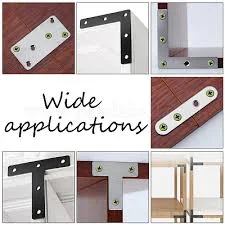
Selecting an L bracket metal that fits the specific application ensures both safety and performance. Light-duty brackets are suitable for small furniture projects like cabinets, picture frames, and wall-mounted shelves. In contrast, heavy-duty industrial brackets are required for construction tasks, machinery support, and structural reinforcement. Each application has different stress levels, so choosing a bracket rated for the appropriate load capacity is essential.
For interior projects like home shelving or decorative furniture joints, selecting a bracket with a refined finish adds both support and visual appeal. However, for outdoor environments or construction sites, choosing brackets made of galvanized or stainless steel provides better durability against harsh weather and corrosion. Additionally, consider whether your project requires adjustable brackets, hidden support brackets, or reinforced right-angle designs. By matching the bracket type, material, and strength to the intended use, you ensure long-term reliability, safety, and professional results in both residential and industrial applications.
Different projects use different L brackets:
- Furniture assembly: Well-done medium duty stainless steel (or aluminum brackets).
- Shelving support: Use heavy-gauge galvanized or powder-coated steel brackets.
- Still under construction framing: Use carbon steel or heavy-gauge stainless steel brackets.
- Outdoor installations: Use corrosion-resistant materials such as stainless steel or anodized aluminum.
Conclusion
These include load capacity, material, corrosion resistance, size, mounting method, and aesthetics. Considering these principles will allow you to guarantee the strength, durability, and efficacy of your project. Even if you’re building furniture, construction, or even industrial applications, the proper L bracket selection will help you deliver a successful and durable final outcome.
At Kbear Metal, we specialize in manufacturing high-quality L brackets and custom metal components designed to meet various industry needs. With advanced production capabilities and a commitment to quality, we provide durable, corrosion-resistant, and precision-engineered brackets suitable for both standard and high-demand applications. Partner with Kbear Metal to ensure your projects are supported by reliable hardware you can trust.