


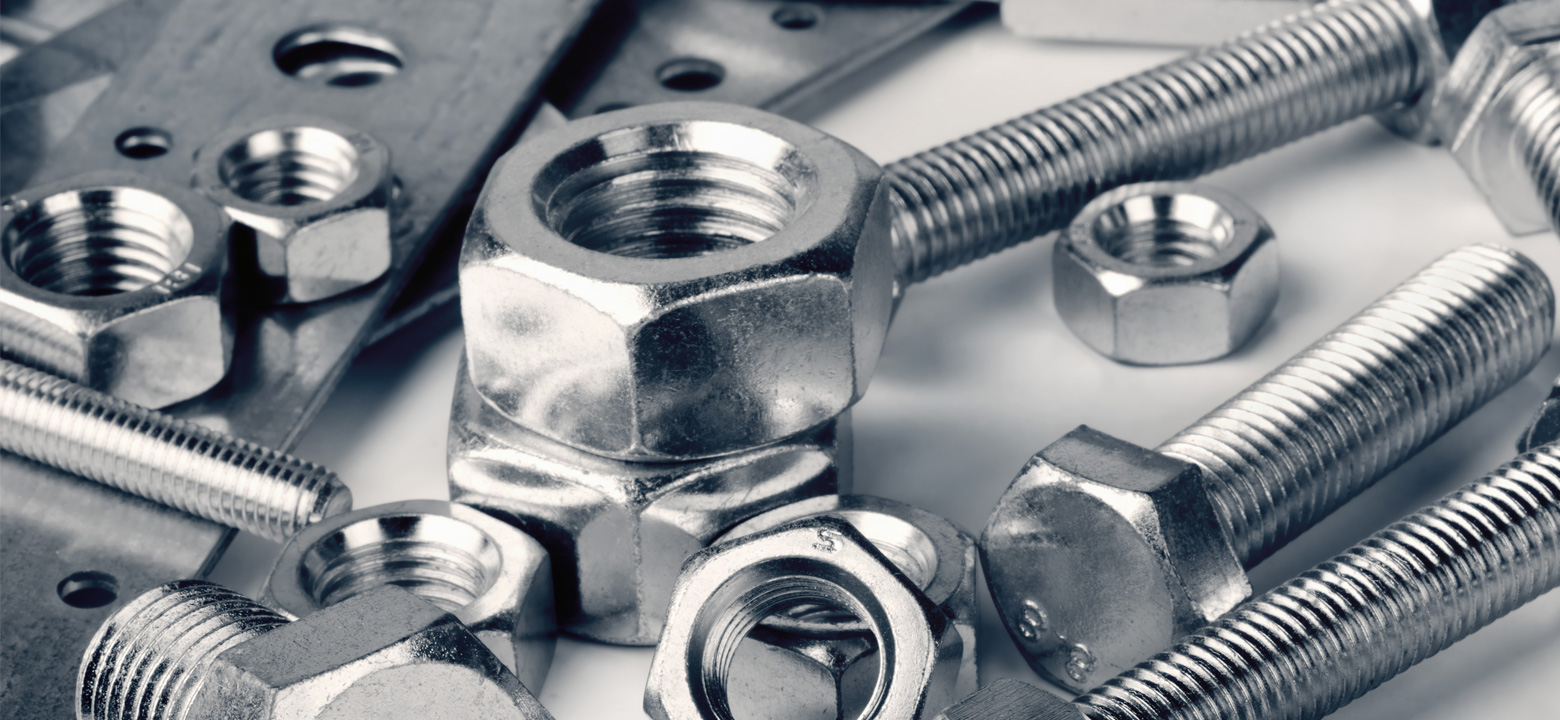
Fasteners, though seemingly small in size, are really monumental in holding the world together. From ancient wooden pegs to advanced aerospace-grade bolts, the evolution of fasteners has been a mirror to humanity’s technological advancement. These crucial parts form the backbone of construction, manufacturing, and thousands of other industries that enable everything from towering skyscrapers to intricate machinery.
In this blog, we’ll explore the fascinating journey of fasteners, from their humble beginnings to their transformative role in modern construction and manufacturing.
The Origins of Fasteners: Simplicity and Ingenuity
The history of fasteners traces back thousands of years, highlighting a continuous journey of human ingenuity in solving the problem of securely joining materials. The earliest fasteners were remarkably simple yet effective, illustrating how humans relied on basic tools and natural resources to create functional connections. One of the first forms of fasteners was wooden pegs and dowels. Early humans used these wooden elements to join pieces of wood, enabling the construction of shelters, carts, and furniture. These fasteners worked primarily through friction and a snug fit, requiring minimal tools and craftsmanship, making them accessible for primitive societies. Despite their simplicity, they served their purpose well and laid the foundation for future technological developments.
A significant breakthrough in fastening technology occurred with the discovery and utilization of metals such as bronze and iron. This advancement marked a pivotal moment, allowing blacksmiths to forge nails, rivets, and other metal fasteners that were considerably more robust and durable than wooden counterparts. Metal fasteners transformed construction, enabling the creation of larger, more complex, and more resilient structures that could withstand greater stresses and environmental factors. The development of metal fasteners was an exemplar of ingenuity, blending simple design principles with the power of metallurgy to enhance strength and longevity. As civilizations progressed, so did the sophistication of fastening techniques, paving the way for modern innovations.
Fasteners date back thousands of years, with their earliest forms appearing in rudimentary tools and structures.
1. Wooden Pegs and Dowels
- Early humans used wooden pegs and dowels to join pieces of wood, enabling the creation of shelters, carts, and furniture.
- These fasteners were easy but effective, based on friction and simple carving.
2. Metal Fasteners: The Breakthrough
- The discovery of metals like bronze and iron.
- The blacksmiths learned to hammer nails, rivets, and other forms of metal fasteners. Metal fasteners were far more robust and durable compared to the wooden fasteners.

Industrial Revolution: Spark to Innovation
Significant inventions happened regarding fasteners designing and manufacturing by the 18th and 19th centuries Industrial Revolution.
1. Standardization of Fasteners
- Fastener standardization was crucial by size and threads in mass production
- Mass production of threaded fasteners could be ensured only due to screw-cutting lathe during the late 18th century.
2. Appearance of Bolts and Screws
- Both bolt and screw became prominent choice of fasteners for any kind of industrial applications and more robust and reliable to get used.
- Innovations like the hexagonal head bolt provided better grip and torque application.
3. Rivets in Construction
- Rivets were very commonly used in the construction of bridges, ships, and railways.
- The Eiffel Tower and the Golden Gate Bridge are a few of the most famous structures that used rivets to assemble.

The 20th Century: Innovation through Materials and Technology
The 20th century was the innovation century that thrived due to advancements in material science and engineering.
1. High-Strength Alloys
- High-strength alloys: stainless steel and titanium
- It brought the revolution in the fasteners.
- These displayed excellent corrosion resistance besides bearing load
2. Aerospace Fasteners
- Aerospace required fasteners, which were capable of performing well under extreme situations related to temperature, for instance, and vibratory forces.
- Precision engineered, special fasteners emerged as crucial for aircraft and space application assembly
3. Emergence of Adhesive Fasteners
- Adhesive fasteners became prominent as an alternative to mechanical fasteners.
- These fasteners offered easy bonding for light weight material, especially in car manufacturing and electronics.

Recent Development in Fasteners
The 21st century has seen fasteners emerge as highly specialized components due to the advancement in manufacturing and technology.
1. Intelligent Fasteners
- Smart fasteners that carry sensors can monitor, stress, temperature, and more.
- These are particularly very useful in critical applications like bridges and industrial machinery that would ensure safety and make maintenance efficient.
2. 3D-Printed Fasteners
- Additive manufacturing enables the design of customized fasteners with complex geometries.
- This innovation is very valuable in prototyping and specialized applications.
3. Lightweight and Eco-Friendly Fasteners
- There is a growing interest in the use of lightweight fasteners made from aluminum and carbon fiber composites.
- Lightweight fasteners help to reduce the weight of structures and machines, hence helping to reduce fuel consumption and promote sustainability.
Role of Fasteners in Modern Construction
Fasteners are an essential component of modern construction, and they have empowered architects and engineers to be able to make designs which were otherwise impossible.
1. High-Rise Buildings
- Advanced fasteners in skyscrapers are accountable for structural integrity in case of high wind loads and seismic activity.
- High-strength bolts and anchors join steel beams and columns.
2. Prefabricated Structures
- Prefabrication has revolutionized the construction industry by making it possible for the parts to be prepared off-site.
- Fasteners play a very significant role in assembling these parts speedily and efficiently on-site.
3. Sustainable Building Practices
- There are recyclable and environment-friendly fasteners that are fast becoming commonplace in green building projects.

These fasteners support industry efforts at reducing environmental impact.
Fasteners in Manufacturing: Precision and Performance
Fasteners play an important role in the creation of safe and high performing products in manufacturing.
1. Automotive Industry
- Automotive needs fasteners that are resistant to vibrations, heat, and stress
- Some types of fasteners are specifically used to attach the engine and attach its interior parts.
2. Electronics and Technology
- Miniature fasteners play a significant role in the assembly of devices such as smartphones and laptops.
- They make them compact and reliable for high-tech applications.
3. Heavy Machinery
- Heavy machinery uses fasteners to support the tremendous loads and hostile environment in which industrial equipment works.
- Fasteners in this sector are engineered to be tough and service-friendly.

Challenges and Future Trends in Fasteners
The fastener industry faces a dynamic landscape marked by evolving challenges and groundbreaking innovations. One of the primary challenges is the increasing demand for higher strength and superior reliability, especially in critical sectors like aerospace, automotive, and infrastructure. As structures become more complex and performance expectations grow, fasteners must withstand extreme stresses, corrosion, and fatigue, pushing manufacturers to develop advanced materials such as high-performance alloys and corrosion-resistant coatings.
Furthermore, the rapid technological evolution introduces the need for smart fasteners—embedded with sensors for real-time monitoring of structural health and performance. While these innovations promise enhanced safety and maintenance efficiency, they also pose challenges related to cost, data security, and integration with existing systems.
Despite all these developments, fasteners are not without their challenges that continue to inspire innovations.
1. Corrosion Resistance
- Extreme environment resistant coatings and materials are of great importance.
2. Precision Engineering
- As the designs become more complex, precision engineered fasteners are in higher demand.
3. Automation of Fastener Installation
- Robotics and automated systems are increasingly being integrated with fastener installation to enhance efficiency and accuracy.
Additionally, the development of modular and multifunctional fasteners—designed to serve multiple roles or facilitate easy assembly/disassembly—stands to revolutionize the industry.
As industries push the boundaries of innovation, the fastener sector will continue to evolve, embracing new materials, intelligent features, and sustainable practices, ensuring these small but mighty components remain essential drivers of engineering progress.
Conclusion: A Small Component with Big Impact
The evolution of fasteners underscores their vital role in shaping the modern world. From humble wooden dowels used in ancient times to today’s sophisticated fasteners embedded with sensors, these small components exemplify how innovation in even the simplest parts can enable humanity to build bigger, stronger, and more efficient structures. Fasteners are more than mere connectors; they are fundamental enablers of progress, fueling advancements across industries such as construction, manufacturing, aerospace, and automotive.
At Kbear Metal Fasteners, we take pride in being part of this legacy. Our commitment to producing high-quality, reliable, and innovative fasteners ensures that every project, whether monumental or intricate, benefits from precision engineering and durability. We understand that behind every successful construction or manufactured product is a sturdy, dependable fastening solution. With our advanced manufacturing processes and keen attention to detail, we supply fasteners that meet the highest standards, helping our clients push the boundaries of possibility.
As industries continue to evolve, fasteners will remain at the forefront, adapting to emerging challenges and technological advancements. From traditional bolts and rivets to the latest smart fasteners integrated with sensors, their role is ever-changing but always critical for safety and efficiency.
For reliability, precision, and continuous innovation, fasteners are the unsung heroes that underpin modern engineering feats. At Kbear, we believe that even the smallest component can have the biggest impact — and we are dedicated to making sure our fasteners lead the way in building a better, stronger future. Contact us now! : [email protected]



