


Metal casting is one of the most fundamental processes in manufacturing, producing parts for industries as diverse as automotive, aerospace, and construction. Though casting can be flexible and cost-effective, the quality of the final product is of paramount importance. Quality control in metal casting safeguards the integrity, performance, and safety of cast components and is therefore an integral aspect of the whole production process.
The flexibility of casting allows manufacturers to produce parts of nearly any shape and size, and it remains one of the most cost-effective methods for mass production. However, despite its advantages, the success of metal casting ultimately depends on the quality and reliability of the final product.
This is where quality control plays a crucial role. Ensuring that each casting meets the required specifications for strength, dimensional accuracy, surface finish, and structural integrity is vital to maintaining performance and safety standards. Poor quality castings can lead to equipment failure, costly repairs, safety hazards, and compromised product performance—making quality assurance not just a technical necessity, but a business imperative.
At Kbear Metal, we understand the importance of precision and consistency in every casting we produce. Our rigorous quality control measures—from material selection and mold design to melting, pouring, cooling, and final inspection—help prevent defects like shrinkage, porosity, and cracks. By integrating advanced inspection technologies and adherence to international standards, we ensure that our cast parts perform reliably under demanding conditions.
In this blog, we’ll explore why quality control is indispensable in metal casting, the key steps involved, and how it impacts various industries.
Why Is Quality Control Essential in Metal Casting?
1. Ensuring Structural Integrity
Casting defects such as porosity, cracks, and inclusions can compromise the structural integrity of a component. Quality control ensures these issues are identified and addressed before the product is used in critical applications.
2. Meeting Industry Standards
Several industries, including aerospace, automotive, medical, and energy, require components that meet strict safety, reliability, and performance standards. In such sectors, even minor defects in cast components can lead to serious failures, costly recalls, or hazardous situations. Quality control in metal casting ensures that every part is inspected, tested, and verified to meet precise engineering and industry specifications. By detecting flaws like porosity, shrinkage, or dimensional inaccuracies early in the process, manufacturers can prevent defective parts from reaching the field. Ultimately, rigorous quality control safeguards performance, ensures regulatory compliance, and maintains the reputation of both the product and the brand.
3. Cost Savings
Identifying and correcting defects early in the casting process reduces waste, reduces rework, and ultimately lowers the cost of production.
4. Customer Satisfaction
Customer satisfaction is a key driver of long-term business success, and high-quality metal castings play a significant role in achieving it. When components are manufactured to precise specifications with minimal defects, they contribute to better product performance, enhanced safety, and longer service life. These attributes not only reduce maintenance and replacement costs but also reflect positively on the brand supplying the components. Customers in industries such as automotive, aerospace, and construction rely on consistent quality to maintain operational efficiency and meet their own product guarantees.

Key Steps in Quality Control for Metal Casting
1. Raw Material Inspection
Quality control begins with the raw materials used. The purity and uniformity of metals and alloys are essential to obtain the required characteristics in the final product.
- Chemical Analysis: Compares raw materials to check their specification.
- Visual Inspection: Reveals impurities or contamination that may hinder the casting process.
2. Mold and Pattern Examination
The quality of the mold or pattern has a direct influence on the finish and the precision of the casting surface.
- Dimensional Checks: Verify that the mold meets design requirements.
- Surface Inspection: Check for defects in the form of textures or inclusions.

3. Process Monitoring
Casting process needs to be monitored in real-time for uniformity.
- Temperature Control: The molten metal needs to be poured at the right temperature to avoid defects such as cold shuts or misruns.
- Casting Speed: A restricted flow diminishes turbulence and reduces the trapping of gas.
4. Non-Destructive Testing (NDT)
NDT methods assess the quality of cast components without causing damage so that they are suitable for application.
- X-Ray Inspection: Identifies defects inside like holes or cracks.
- Ultrasonic Testing: Reveals flaws in the metal like porosity or inclusion.
- Magnetic Particle Testing: Reveals surface and near-surface irregularities in ferromagnetic material.
5. Dimensional Accuracy Checks
In many applications, precision is of paramount importance, especially in aerospace and medical fields. Quality control ensures that dimensions of cast parts meet specified tolerances using tools like coordinate measuring machines (CMMs).
6. Mechanical Property Testing
Testing mechanical properties of the cast component makes sure that it has the strength of withstanding the operational stresses of service conditions.
- Tensile Testing: Measures strength and ductility.
- Hardness Testing: Assesses resistance to wear and deformation.
- Impact Testing: Assesses energy absorption capabilities under sudden loads.

Common Defects in Metal Casting and Their Prevention
1. Porosity
- Cause: Gas entrapment or shrinkage during cooling.
- Prevention: Degassing the molten metal and ensuring proper cooling rates.
2. Cracks
- Cause: Uneven cooling or excessive stress.
- Prevention: Controlling cooling rates and using appropriate mold materials.
3. Inclusion Defects
- Cause: Non-metallic particles like slag or sand in the molten metal.
- Prevention: Proper filtration and clean melting practices.
4. Misruns and Cold Shuts
- Cause: Underfilling of the mold, due to low pouring temperature or speed.
- Prevention: Ensuring optimum pouring conditions and proper design of molds.

Role of Technology in Quality Control
Technological advancements have revolutionized quality control in metal casting, making it faster, more accurate, and significantly more reliable. With innovative tools and systems, manufacturers can now detect potential issues earlier, reduce waste, and ensure higher consistency and quality in every casting batch.
1. Simulation Software
Simulation software is a powerful tool used during the planning stages of metal casting. It helps engineers visualize how molten metal will flow, cool, and solidify within a mold. These simulations can identify areas at risk for shrinkage, porosity, or incomplete filling, enabling adjustments before physical production begins. As a result, manufacturers save time, reduce material waste, and minimize costly post-production corrections.
2. Automated Inspection Systems
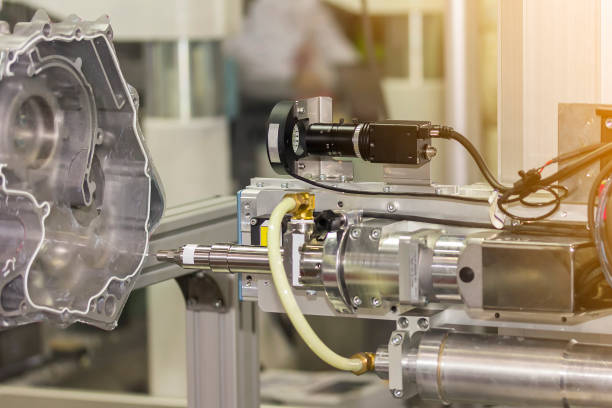
Automated inspection systems use cameras, lasers, and machine learning algorithms to check cast parts for surface defects, dimensional inaccuracies, and structural inconsistencies. These systems work faster than manual inspections and provide consistent, repeatable accuracy. By reducing human error and fatigue, automation ensures better quality control throughout production. It also allows for real-time defect detection and quicker feedback loops to correct issues.
3. Online Monitoring
Online monitoring involves the use of IoT (Internet of Things) devices, sensors, and data acquisition systems to track various parameters—such as temperature, pressure, and mold filling time—during the casting process. These tools provide live feedback to operators and control systems, enabling immediate adjustments when anomalies are detected. This proactive approach helps maintain high-quality standards, prevent defects, and improve overall process efficiency.
By integrating these technologies into the casting workflow, manufacturers can uphold strict quality standards and meet the demanding requirements of industries such as automotive, aerospace, and medical equipment production.

Quality Control Impact on Industries
Quality control in metal casting plays a vital role across multiple industries, ensuring the safety, performance, and longevity of mission-critical components. Rigorous inspection and testing processes allow manufacturers to meet industry standards and produce reliable parts tailored to the unique demands of each sector.
1. Automotive
In the automotive industry, quality control ensures that safety-critical components like engine blocks, brake systems, and suspension parts are free from defects and manufacturing inconsistencies. This reliability translates into safer vehicles. Additionally, quality assurance enables precision in lightweight designs, which improves fuel efficiency and reduces emissions—both key concerns in modern vehicle manufacturing.
2. Aerospace
Aerospace applications demand the highest level of precision and safety. Components such as turbine blades and structural airframe elements must withstand extreme stress and environmental conditions. Quality control guarantees that each part meets strict airworthiness standards and regulatory requirements, ensuring dependable performance throughout the aircraft’s lifecycle and reducing the risk of catastrophic failure.
3. Construction
In construction, the integrity of cast components like structural beams, anchors, and supports is critical to building safety and longevity. Quality control procedures eliminate defects that could compromise a structure’s strength. By ensuring the robustness of every part, manufacturers support the development of reliable infrastructure and minimize the risk of long-term maintenance issues.
4. Medical
Medical applications demand flawless casting for surgical tools, implants, and diagnostic equipment. Quality control verifies precision, cleanliness, and biocompatibility, which are crucial for patient safety and treatment effectiveness. Stringent inspection processes also help meet regulatory compliance in the healthcare industry, where even the smallest defect can have serious consequences.

Why Kbear Metal for Your Casting?
At Kbear Metal, we prioritize quality at every step of the casting process. Here’s why we are the ideal partner for your casting projects:
- State-of-the-Art Facilities: The company is equipped with the most advanced technology to ensure high-quality output.
- Experienced Team: Decades of experience in producing high-precision cast components.
- Strict Quality Control: Comprehensive inspection and testing to meet the highest standards.
- Custom Solutions: Casting services tailored to your specific requirements.
- Sustainability: Eco-friendly practices that align with modern manufacturing goals.
Conclusion
The core and backbone of metal casting involve ensuring the cast component would meet demanding standards regarding safety, performance, and reliability. With each process involved from selection of the raw material up to final inspection, every aspect counts in generating quality parts.
The core and backbone of metal casting lie in the ability to produce components that meet rigorous standards for safety, performance, and reliability. Metal casting is not just about melting and shaping metal—it’s a highly controlled process where every step, from raw material selection to final inspection, plays a critical role in determining the quality of the finished part.
The journey begins with selecting high-quality raw materials suitable for the specific application, ensuring consistency and mechanical strength in the final product. Next, the casting process must be carefully planned and executed to avoid defects such as shrinkage, porosity, or dimensional inaccuracies. Advanced simulation tools, proper mold design, and precise temperature control help minimize risks during this phase.
Once casting is complete, thorough quality control measures—ranging from visual inspections to non-destructive testing—are essential to verify that each component adheres to strict industry requirements. Whether it’s for aerospace, automotive, medical, or construction applications, delivering reliable and high-performing cast parts is non-negotiable.
In essence, metal casting is a discipline rooted in attention to detail. Consistent adherence to best practices and rigorous quality assurance ensures that each component not only meets expectations but also contributes to the long-term success of the product it supports.
For excellent quality and accuracy in metal casting, get in touch with Kbear Metal today. Talk about your project, and be amazed by the result created by great craftsmanship and intensive quality control.



