


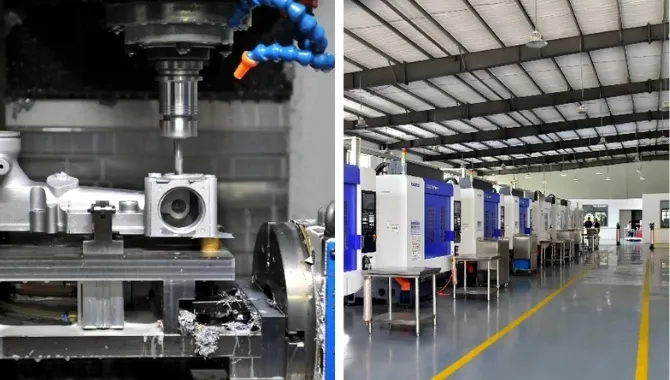
In the world of metal manufacturing, precision, superior quality, and consistency are all essentials. Vacuum casting is such a specialized technique that meets these needs while enabling manufacturers to create intricate and high-performance metal components. Known for its ability to produce parts free from defects with very good surface finish, it is widely used across industries wherein quality cannot be compromised.
This blog explores the vacuum casting process, its benefits, applications, and why it is the go-to method for producing high-quality metal parts.
What Is Vacuum Casting?
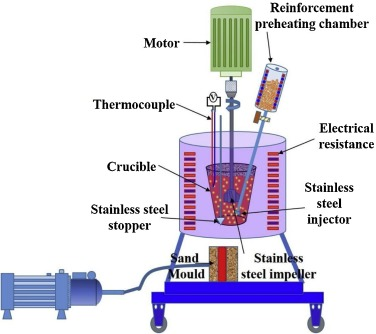
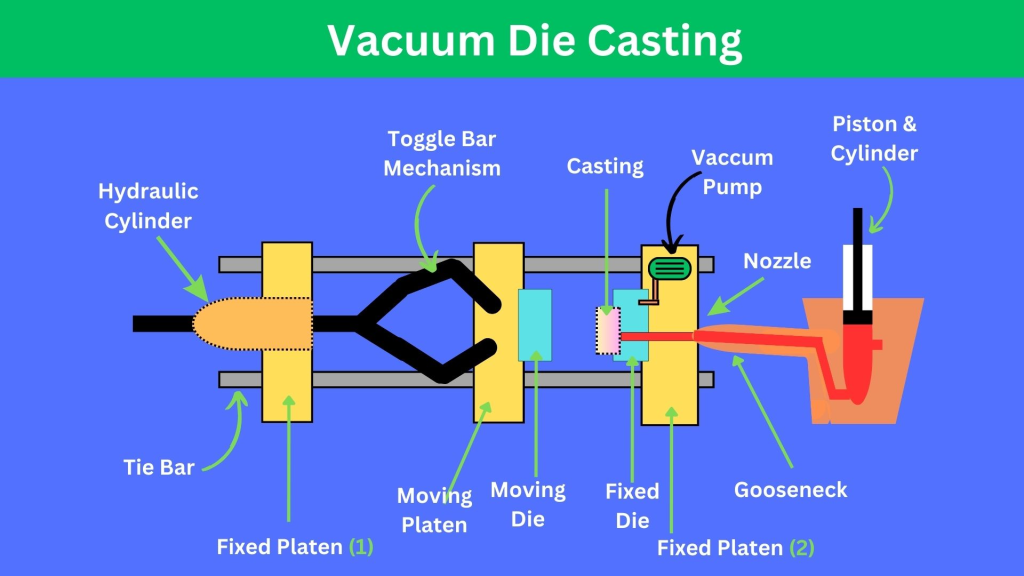
Vacuum casting is the process in which molten metal is poured into a mold, which is placed inside a vacuum-sealed chamber. The elimination of air and gases within the chamber prevents gas bubbles from forming and also porosity, thus achieving flawless and dense castings. It is very efficient for metals and alloys, which tend to oxidize easily or need intricate detailing.
How Does Vacuum Casting Work?
The vacuum casting process involves several critical steps to ensure high-quality outcomes:
1. Mold Preparation
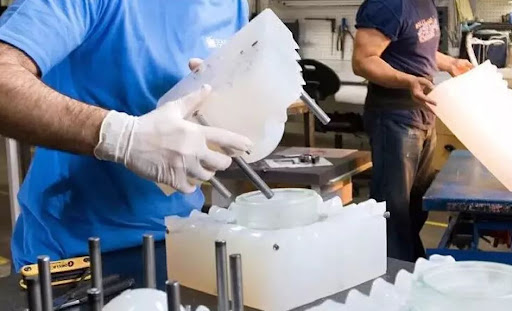
The process begins with the creation of a mold, which can be made from materials such as sand, ceramic, or metal. The mold is designed to withstand the vacuum environment and maintain its structural integrity during casting.
2. Vacuum Chamber Setup
The mold is put inside a vacuum chamber. The chamber is sealed, and the air and gases are sucked out to create a vacuum.
3. Melting and Pouring
The metal is melted in a clean environment to avoid contamination. After melting, it is poured into the mold in the vacuum chamber, thus free of air pockets.
4. Solidification
The metal cools and hardens within the mold without air entry. No entrapment of gases as well as oxidation results, and consequently, there would be no air porosity to give rise to flaws.
5. Finishing
Once solidified, the cast is taken from the mold through finishing treatments such as sawing off, machining or polishing of the casting product to have it conform according to a specific specification of requirements.
Advantages in Vacuum Casting
The advantages of vacuum casting include the following:
1. Perfect Surface Finish
The removal of gas bubbles and impurities leads to the production of components with very smooth surfaces, thereby requiring less post-processing.
2. High Dimensional Accuracy
The controlled environment and precision in mold designs enable the production of components with very tight tolerances and dimensions.
3. Improved Mechanical Properties
Components that have been vacuum cast have improved strength, density, and toughness, owing to the removal of porosity and defects.
4. Versatility
This process can accommodate a wide variety of metals and alloys, including aluminum, titanium, and superalloys, making it adaptable for different applications.
5. Oxidation Prevention
The vacuum environment will prevent metals from reacting with oxygen, thus preserving the integrity of the final product.

Applications of Vacuum Casting
Vacuum casting is used in industries where precision and quality cannot be compromised at any cost:
1. Aerospace
The aerospace industry primarily uses vacuum casting for producing turbine blades, structural elements, and other high performance parts requiring excellent strength and reliability.
2. Automotive
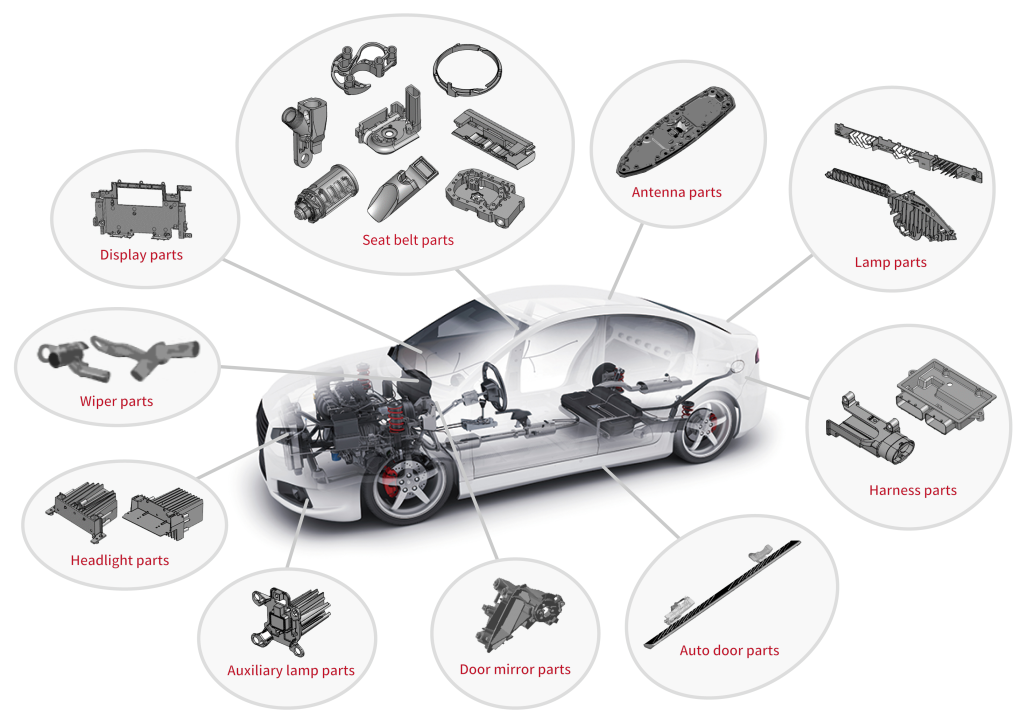
Be it lightweight components for the engine or sophisticated transmission parts, vacuum casting serves a critical purpose in delivering quality automotive parts.
3. Medical Equipment
In the medical field, vacuum casting is used to create surgical instruments, implants, and other critical components that require precision and biocompatibility.
4. Electronics
Vacuum casting is essential for producing electronic housings, connectors, and heat sinks with precise dimensions and superior finishes.
5. Industrial Applications
Vacuum-cast components are widely used in pumps, valves, and other machinery where durability and performance are critical.
Challenges in Vacuum Casting
However, Vacuum casting also comes with many challenges as described below:
1. High Initial Expenses
The vacuum chamber or advanced molds are needed which are costly in nature due to their requirement for investment.
2. Setup Considerations
This process of vacuum casting demands meticulous control and preparation that only experienced, skilled operators and a superior quality assurance process can command.
3. Small Amounts of Production
A small amount of production makes it more appropriate because production is cost- and time-intensive.
Why choose vacuum casting?
Vacuum casting is the best solution when quality, precision, and performance are critical. It outperforms conventional casting methods in applications that can’t be achieved by those methods, especially for complicated designs or materials that have a tendency to produce defects. Investment in vacuum casting will deliver components that meet the demanding standards of industries and unparalleled performance.
Why Kbear Metal is the best solution for vacuum casting
At Kbear Metal, we specialize in vacuum casting solutions that cater to specific client demands. Here is why you should consider dealing with us:
- Latest technology: Our state-of-the-art vacuum casting facilities ensure there is no defect in results for any project.
- Experienced team: With years of expertise, our team can undertake complex casting requirements easily.
- Custom Solutions: Aerospace, Automotive, and medical components – we offer custom solutions according to your specifications.
- Commitment to Quality: Strict quality control measures ensure that the product that leaves our premises exceeds expectation.
- Eco-Friendly Practices: Reducing waste and increasing efficiency means reducing the negative impacts of our manufacturing process.
With Kbear Metal, you choose reliability, expertise, and a partner who will ensure your success.
Vacuum casting manifests just how innovation and precision can be channeled into changing manufacturing within a company. Creating a controlled environment impurity-free offers the best quality in metals or components that can fully meet high demands.
Whether in aerospace, automotive, or medical industries, vacuum casting provides unmatched quality and performance. Partner with Kbear Metal to experience the best in vacuum casting solutions and take your projects to the next level.
Conclusion
Vacuum casting stands as a testament to how innovation and precision can revolutionize manufacturing. By creating a controlled environment free of impurities, this technique ensures high-quality metal components that meet the most demanding requirements.
Whether you’re in aerospace, automotive, or medical industries, vacuum casting offers unmatched benefits in terms of quality and performance. Partner with Kbear Metal to experience the best in vacuum casting solutions and take your projects to the next level.



