


When working with pipes, using the proper fasteners is vital. These small, crucial additives hold the pipeline in place, ensuring that it stays safe and green. Selecting the right mortgage is prime whether you’re running a plumbing task or a business pipeline.
Fasteners used in securing pipes play a vital role in ensuring the stability, safety, and efficiency of plumbing and industrial piping systems. Whether you’re working on residential plumbing or a commercial pipeline, selecting the correct fastener is crucial for preventing leaks, damage, and vibrations.
These fasteners must withstand significant pressure and temperature changes while facing the challenges of corrosive media. Therefore, understanding the various types of piping fasteners and appropriate installation and maintenance methods is essential for ensuring the stability and safety of the entire system. In this article, we will analyze piping fasteners’ types, characteristics, installation considerations, and maintenance strategies to help engineers and technicians better understand and apply these core components.
In this comprehensive guide, we’ll cover the definition of fasteners, their types, uses, advantages, and how to select the best fastener for your project. We’ll also include FAQs and tables for better understanding.
What Are Fasteners for Pipes?
Fasteners are essential mechanical connecting or securing gadgets that play a crucial role in plumbing and piping systems. They ensure that the pipe remains securely in place, preventing movement, leaks, and potential damage. Various kinds of fasteners, such as clamps, brackets, and connectors, are available to suit different pipe materials like metal, plastic, or composite. Each type is designed for specific applications, whether for indoor, outdoor, high-pressure, or low-pressure systems, ensuring stability, safety, and durability in diverse environments. Proper selection and installation of fasteners are vital for the long-term performance of piping infrastructure, minimizing maintenance needs and enhancing the overall integrity of the system.
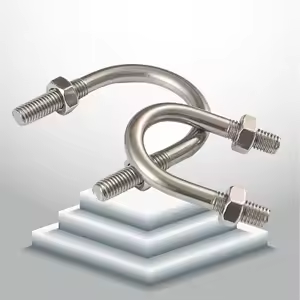
Types of Fasteners Used in Securing Pipes
Here are the most common fasteners used to secure pipes in different applications:
| Type of Fastener | Material | Applications | Advantages |
|---|---|---|---|
| Pipe Clamps | Steel, Plastic | Plumbing, HVAC systems | Easy to install, robust support |
| U-Bolts | Stainless Steel | Industrial, automotive, plumbing | High stability, supports heavy loads |
| Pipe Hangers | Metal, Plastic | Overhead pipe systems | Adjustable, supports pipe weight |
| Pipe Straps | Metal, Aluminum | Wall or floor-mounted pipes | Affordable, quick installation |
| Threaded Rods | Steel, Zinc-coated | Heavy-duty piping systems | Strong support, versatile usage |

Uses of Fasteners in Securing Pipes
The tubes are held in place using fasteners, which prevents leakage and movement. Pipes are installed in houses. Business piping is held in factories, offering safety and performance. Packaging additionally facilitates stabilizing the burden of the pipe, particularly while it is packed with water or other liquids.
Applications of Pipe Securing Fasteners
Pipe securing fasteners are used in a wide range of applications, including:
- Industrial piping systems: In factories and plants, pipes carrying various fluids need to be securely fastened to prevent leaks and ensure smooth operation.
- Plumbing systems: In residential and commercial buildings, pipes carrying water and gas require secure connections to walls and floors.
- HVAC systems: Heating, ventilation, and air conditioning (HVAC) systems rely on securely fastened pipes to distribute conditioned air throughout buildings.
- Oil and gas pipelines: In oil and gas industries, long pipelines spanning vast distances must be securely anchored to the ground to withstand environmental forces.

Common Types of Pipe Fasteners
Pipe Clamps:
These are some of the fasteners used to wrap pipes. The tool is secured with screws or chains to keep the tool firmly in place.A2 fasteners Pipe clamps are available in plenty of sizes and materials, consisting of metal or plastic, depending on the pipe’s kind and alertness.
When to Use:
For heavy-duty applications or varying pipe size
When you need a robust and adjustable method to support pipes.
When mounting pipes to a flat surface.
Pros: Easy to put in and hold, and the pipe clamp gives robust help.
Pipe Hangers:
These are hung from pipes on the ceiling or partitions. They help stabilize the load of the pipe and help maintain it in the area. They are typically plumbing and HVS.
Uses: Steel and plastic pipe are ideal in plumbing, heating, and ventilation structures.
Pros: Easy to put in and hold, and the pipe clamp gives robust help.
U-Bolts:
Shaped just like the letter “U”, those bolts are used to secure the tubes on the pinnacle. It is typically used inside the car, plumbing, and business industries. U-bolts are strong and can keep the pipe even under tension.
Uses:Plumbing, mechanical, and electric applications.
Pros:U-bolts provide balance and balance, specifically for heavy or excessive-pressure pipes.

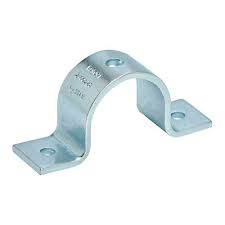
Pipe Straps
Like pipe clamps, pipe fittings hold pipe in locations consisting of partitions and flooring. They are typically made of metallic and fixed with screws or nails.
Uses: Commonly used in the plumbing and electric enterprise to boost pipes and culverts.
Pros:Simple and cost-effective, pipe frames are ideal for mild work.
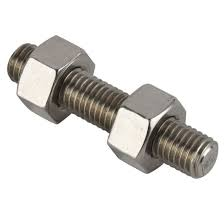
Threaded Rods and Nuts
These and other fasteners are regularly used to enhance pipes. Cable rods are long steel rods that might be tied together with wires and wooden blocks. This layout is functional for containing pipes in structures.
Why Are Proper Fasteners Important?
Proper fasteners are very important because they securely hold pipes in place, preventing leaks, vibrations, and damage over time. Using the right fasteners helps maintain the integrity of the piping system, ensuring safety and efficiency. Additionally, it extends the lifespan of the pipes and reduces the need for frequent repairs and maintenance.
Choosing the Right Fastener
When selecting fasteners for pipes, consider the following:
- Pipe Materials: Different substances require exceptional fasteners. Just as metallic pipes need steel fasteners, plastic packing containers need flexible materials.
- Loads and Pressures: Consider the hundreds and pressures the pipe will manage. Heavier pipes or those sporting excessive-stress water may additionally require more robust fasteners.
- Environment: The surroundings of the pipeline are also critical. Choose a binder on the way so as not to scratch outside or in non-slip regions.
Choosing the right fastener depends on several factors:
| Factor | What to Consider |
|---|---|
| Pipe Material | Steel pipes require steel fasteners; plastic pipes need flexible fasteners. |
| Weight of the Pipe | Heavier pipes need stronger fasteners like U-bolts or threaded rods. |
| Environment | For outdoor or wet environments, use corrosion-resistant materials. |
| Load and Pressure | High-pressure systems demand durable fasteners. |

Advantages of Using Fasteners for Pipes
Secure Fit: Fasteners ensure pipes stay in the vicinity, lowering the chance of leaks or breakage. This is particularly critical in the plumbing and construction industry.
Easy to install: Most fasteners are smooth to install and require minimum gear, making them suitable for both professionals and DIY fans.
Versatility: It offers an extensive range of mortgages, so you can locate one that suits your precise desires. Whether you’re protecting a small or massive pipe, there’s a binder for the activity.
Durability: High-quality packaging substances are crafted from durable substances, making them long lasting and sturdy. They can face up to severe warmness or humidity.

Disadvantages of Using Fasteners for Pipes
Cost: While packaging is usually high-priced, some sorts may be pricey, mainly high-stop materials. This can boost the general price of the undertaking.
Update Number:Some fasteners, such as straps, do not permit much pipe glide. This may be a problem if your pipes have to be flexible.
Corrosion: Metal fasteners can be put on out through the years, mainly if exposed to moisture. This weakens the connection and might result in a breakdown.
Maintenance: Packaging might also require everyday maintenance to ensure that it remains in exact condition. This includes checking for damage and changing broken fasteners.
| Disadvantage | Details |
|---|---|
| Corrosion | Metal fasteners may rust over time if exposed to moisture. |
| Cost | High-quality or specialty fasteners can be expensive. |
| Limited Flexibility | Some fasteners restrict pipe movement, which may be an issue in dynamic systems. |

Proper Maintenance of Fasteners
To ensure long-lasting performance, regular maintenance of pipe fasteners is essential:
- Inspect for Corrosion: Check metal fasteners for signs of rust or degradation.
- Tighten Loose Fasteners: Periodically check for loose screws, bolts, or nuts.
- Replace Damaged Fasteners: Swap out broken or worn fasteners promptly.
Comparison of Common Pipe Fasteners
| Fastener | Ease of Installation | Cost | Durability | Flexibility |
|---|---|---|---|---|
| Pipe Clamps | Easy | Affordable | High | Moderate |
| U-Bolts | Moderate | High | Very High | Low |
| Pipe Hangers | Easy | Moderate | High | High |
| Pipe Straps | Very Easy | Low | Moderate | Moderate |
| Threaded Rods | Difficult | High | Very High | Low |
Conclusion
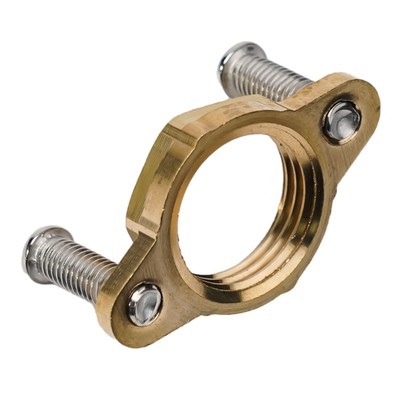
Choosing the proper pipe fastener is a critical step in any pipe project. Whether you are operating on a home plumbing system or a business system, using the correct fasteners keeps the pipe safe and in desirable working order. Remember to bear in mind pipe substances, weight, and weather situations when deciding on wraps. These simple steps can prevent many problems, keeping your pipes in location and strolling quickly. Contact us at Kbear Metal for durable and high quality fastener!
FAQs: Fasteners Used in Securing Pipes
1. What are the most common types of fasteners for pipes?
The most common types include pipe clamps, U-bolts, pipe hangers, pipe straps, and threaded rods.
2. Which fastener is best for high-pressure pipes?
U-bolts and threaded rods are ideal for high-pressure or heavy-duty pipe systems.
3. How do I prevent fasteners from corroding?
Use corrosion-resistant materials like stainless steel or zinc-coated fasteners in humid or outdoor environments.
4. Can I use the same fasteners for metal and plastic pipes?
No, metal pipes require stronger fasteners like U-bolts, while plastic pipes need flexible materials like plastic clamps.
5. Why are fasteners important in securing pipes?
Fasteners stabilize pipes, prevent leaks, reduce vibrations, and enhance the durability of the piping system.



