

Choosing the right metal for a casting endeavor is among the most important manufacturing decisions. Your choice of metal has a direct impact on the performance, price, appearance, and lifespan of the final product. Aluminum, steel, and bronze are three of the most popular metals used in casting. Each has specific benefits and compromises, which make them appropriately suited for various project types.
Aluminum is valued for its lightweight nature, corrosion resistance, and cost-efficiency, making it widely used in the automotive, aerospace, and construction industries. Steel, on the other hand, is unmatched in strength, durability, and toughness, making it the go-to option for structural, mechanical, and heavy-duty applications. Bronze stands apart with its excellent wear resistance, low friction, and attractive appearance, making it a versatile choice for both industrial uses, such as bearings and marine hardware, and decorative applications, such as sculptures and architectural elements.
This blog explores the key differences between aluminum, steel, and bronze in casting applications, focusing on their mechanical properties, applications, pros and cons, and overall suitability for various industries. By the end of this guide, you’ll have a better understanding of which metal is the best fit for your specific casting needs.
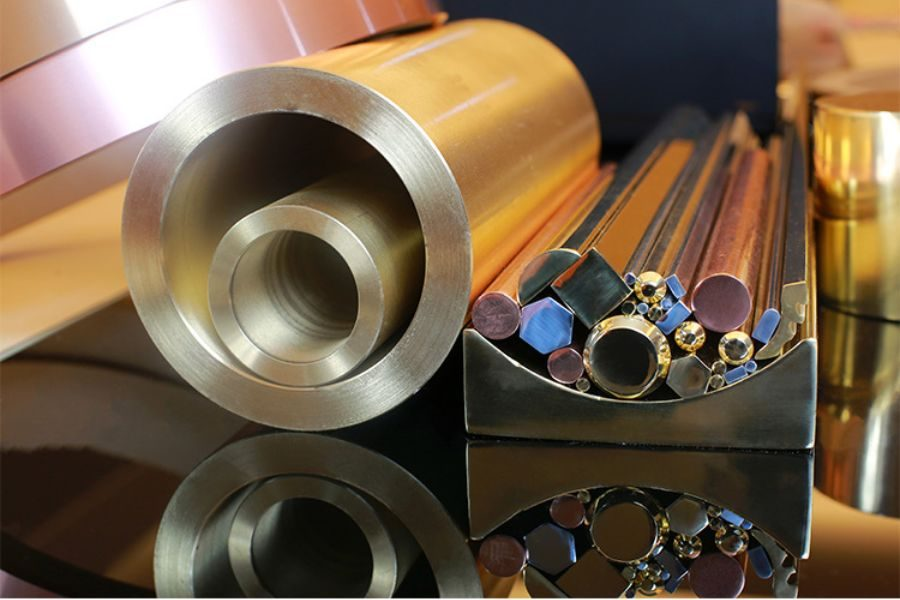
Aluminum Casting
Aluminum casting is one of the most widely used processes in modern manufacturing, prized for its lightweight properties, excellent corrosion resistance, and versatility. The process involves pouring molten aluminum into molds to form complex shapes with precision, making it ideal for industries where weight reduction without sacrificing strength is critical.
One of the main advantages of aluminum casting is its high strength-to-weight ratio, which significantly improves fuel efficiency in automotive and aerospace applications. Components such as engine parts, transmission housings, and structural frames benefit from the durability and reduced mass that aluminum provides. In the construction industry, aluminum castings are used for window frames, panels, and architectural hardware due to their resistance to weathering and oxidation.
Key Characteristics
Lightweight: Aluminum is much lighter than steel and bronze, which makes it suitable for applications where weight savings are critical.
- Corrosion Resistance: Self-forms a protective oxide coating that resists corrosion.
- Good Thermal and Electrical Conductivity
- Excellent Machinability and Workability
Common Applications
- Aerospace components
- Automotive parts (engine blocks, transmission cases)
- Consumer electronics (enclosures, housings)
- Marine equipment
Advantages
- Lower cost than steel and bronze for most applications
- Quick production and reduced machining time
- Good surface finish and dimensional stability
- May be applied in die casting and sand casting
Pros
- Lower tensile strength and hardness than steel
- Not recommended for high-temperature use
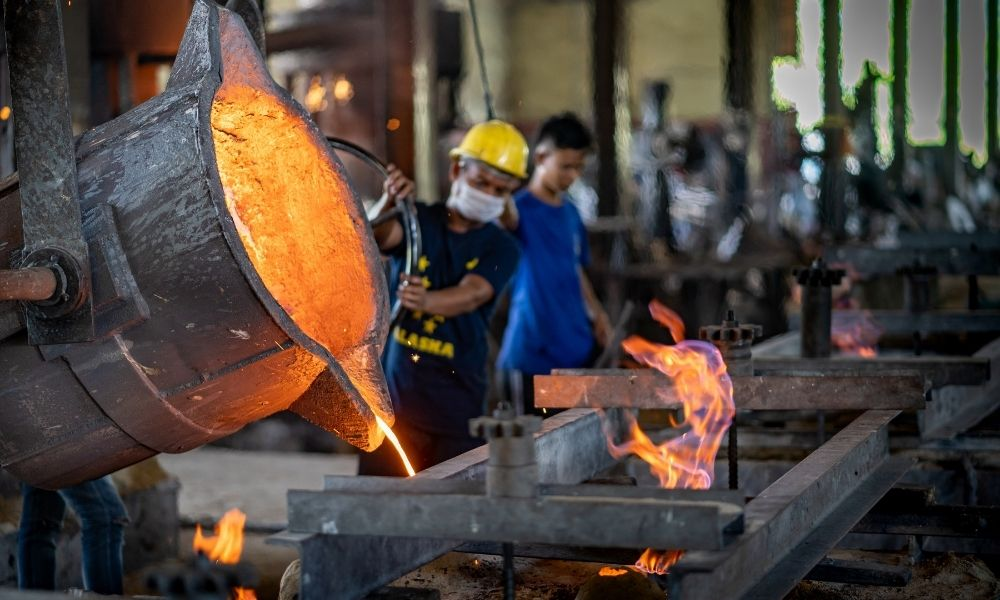
Steel Casting
Steel casting is a manufacturing process that produces high-strength, durable, and wear-resistant components by pouring molten steel into molds. Renowned for its toughness and ability to withstand heavy loads, steel is often the material of choice for demanding industries such as construction, mining, automotive, oil and gas, and heavy machinery.
One of the major advantages of steel casting is its exceptional mechanical strength and impact resistance. Unlike many other metals, steel can endure extreme pressure, stress, and temperature changes, making it ideal for parts such as engine blocks, valves, gears, turbine blades, and structural supports. Its reliability ensures long service life, even in the harshest conditions.
Major Features
- High Toughness and Strength: Steel is superior when it comes to durability and structural integrity.
- Wear Resistance: Ideal for components subjected to friction and heavy loads.
- Heat Resistance: Can be used for high-temperature applications.
- Variety of Alloy Options: Stainless, carbon, and alloy steels can be designed to particular performance requirements.
Typical Applications
- Construction machinery
- Oil and gas industry components
- Military and defense components
- Automotive and rail parts
Advantages
- Stronger mechanical strength
- Excellent load-bearing capability
- Large number of alloy variations
- Recyclable and eco-friendly
Disadvantages
- More weight than aluminum and bronze
- Increased machining and manufacturing costs
- Corrosion risk if not protected or alloyed correctly
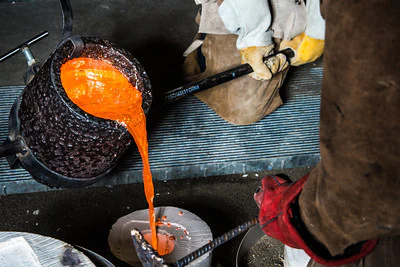
Bronze Casting
Bronze casting is the process of shaping molten bronze into desired forms using molds. Bronze, an alloy primarily made of copper and tin, is valued for its strength, durability, and resistance to corrosion. This casting method has been used since ancient times for tools, weapons, sculptures, and decorative items.
Main Characteristics
- Excellent Corrosion Resistance: Especially in saltwater and industrial applications.
- Low Metal-on-Metal Friction: Makes bronze suitable for moving parts.
- Good Thermal Conductivity
- Good Appearance: Frequently selected for art and decorative purposes.
Common Applications
- Marine hardware and ship fittings
- Bearings, bushings, and gears
- Sculptures and ornamentation
- Electrical connectors and parts
Advantages
- Long-term durability and resistance to corrosion
- Aesthetics
- Good castability with high detail
- Low maintenance in the field
Disadvantages
- More costly than aluminum
- Less strong than steel for structural uses
- Prone to tarnish in certain environments
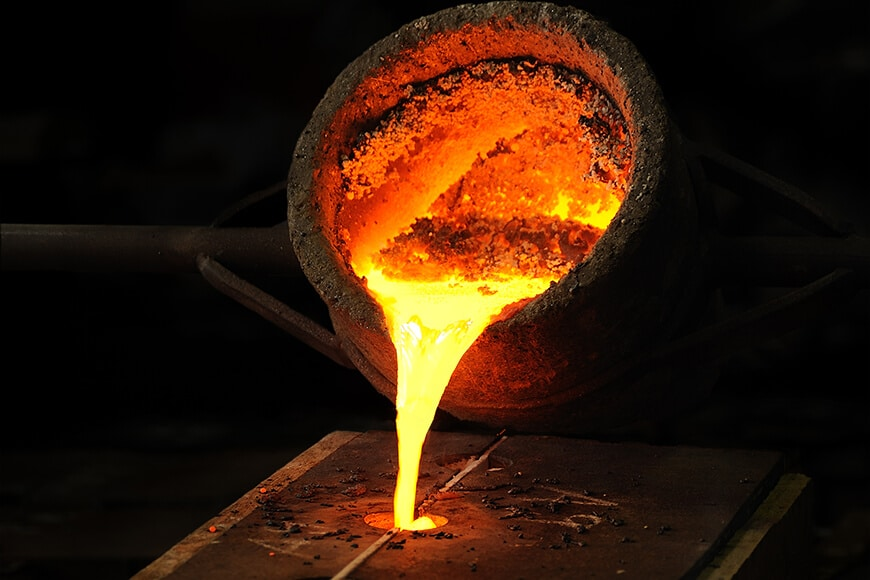
Key Comparison Table
| Property | Aluminum | Steel | Bronze |
| Weight | Light | Heavy | Medium |
| Strength | Moderate | High | Moderate |
| Corrosion Resistance | High | Variable | Very High |
| Cost | Low | Medium-High | High |
| Machinability | Excellent | Moderate | Good |
| Thermal Conductivity | High | Medium | High |
| Common Uses | Aerospace, Auto | Heavy Machinery | Marine, Artistic |
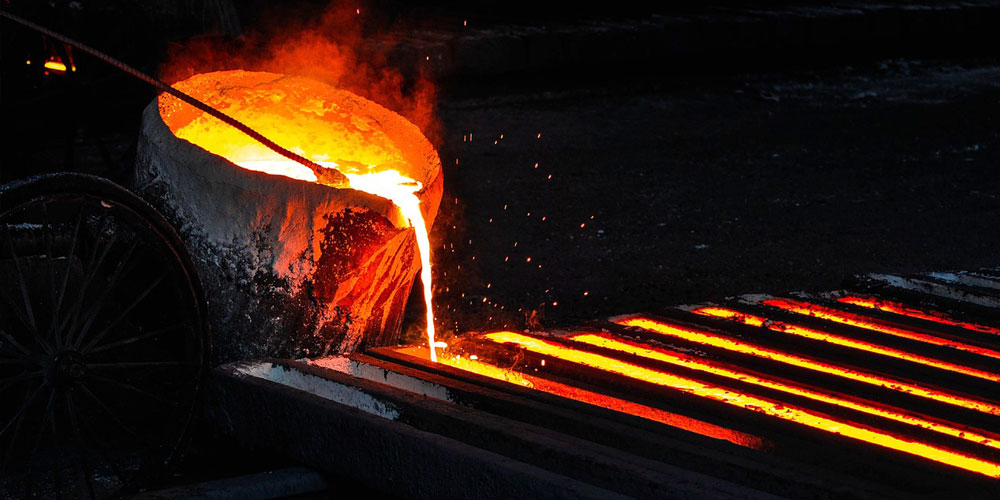
Selecting the Proper Metal for Your Application
Choosing the right metal is one of the most important decisions in manufacturing, construction, and product design. Each metal—whether aluminum, steel, or bronze—offers unique properties such as strength, weight, corrosion resistance, machinability, and cost-effectiveness. The ideal choice depends on your application’s specific requirements, including operating environment, load-bearing needs, and desired lifespan. By understanding the characteristics of each material, you can ensure optimal performance, durability, and value in your final product.
When choosing a metal for casting, take the following into consideration:
- 1. Performance Requirements
- Begin by evaluating the mechanical demands of your component. Does the part need to withstand high stress, extreme heat, or heavy loads? Steel is often the best choice for maximum strength and structural reliability. If resistance to corrosion and wear is a priority—especially in moving parts—bronze offers superior performance. Aluminum, while not as strong as steel, provides an excellent balance of lightness and durability for moderate stress conditions.
- 2. Weight Restrictions
- Weight considerations are critical in industries like aerospace, automotive, and electronics. Aluminum stands out for its lightness without sacrificing structural integrity, making it the material of choice where reducing mass is essential. Steel, though heavier, provides unmatched durability, while bronze’s weight lends itself to stability in components such as bearings and fittings.
- 3. Cost and Production Volume
- Budget and scale of production also guide material selection. Aluminum is typically the most cost-effective option for high-volume runs, thanks to its low material and processing costs. Steel is moderately priced but offers long-term value through strength and resilience. Bronze, being more expensive, is often used for specialized, smaller production runs where its longevity, wear resistance, and decorative qualities justify the higher cost.
- 4. Environmental Exposure
- The operating environment significantly influences performance. Bronze excels in harsh marine and industrial conditions where resistance to saltwater and chemicals is critical. Aluminum provides natural corrosion resistance, but its performance can be limited in extremely aggressive environments. Steel, while strong, is vulnerable to rust if not properly treated or coated, though it remains a top choice in applications requiring maximum strength under less corrosive conditions.
- 5. Aesthetic Needs
- When appearance matters, bronze is unmatched. Its warm, rich tone and ability to maintain a timeless, polished finish make it ideal for decorative and design-focused applications. Aluminum and steel can be finished for clean and modern looks, but bronze’s natural patina and classic character make it the premier choice for projects where aesthetics are a priority.
Conclusion
The decision to use aluminum, steel, or bronze for your casting needs is highly dependent on your individual performance, cost, and environmental needs. Aluminum is best used in applications that are lightweight and corrosion-resistant. Steel is the preferred material for strength, hardness, and high-temperature applications. Bronze is best used in applications where corrosion resistance and low friction are needed.
Understanding the unique properties of these metals is more than just a technical choice—it is a strategic decision that directly influences product longevity, efficiency, and overall cost-effectiveness. Selecting the right casting material ensures not only reliable performance but also reduced maintenance requirements, fewer failures, and ultimately greater value for end-users. For example, aluminum’s lightweight versatility has made it a cornerstone in aerospace and consumer electronics, while steel continues to anchor industries like construction, automotive, and heavy machinery. Bronze, with its timeless durability, remains indispensable in marine equipment, industrial machinery, and artistic applications.
Manufacturers and engineers who carefully weigh these factors can confidently match the right material to the right application. In doing so, they maximize functionality, minimize costs, and ensure that their castings not only meet technical specifications but also deliver lasting value in real-world conditions.
References
American Foundry Society. (2020). Casting Source Directory. Retrieved from https://www.afsinc.org
ASM International. (2018). Metals Handbook, Volume 15: Casting.
Totten, G.E. (2006). Steel Heat Treatment: Metallurgy and Technologies. CRC Press.
Davis, J.R. (2001). Copper and Copper Alloys. ASM International.
Groover, M.P. (2010). Fundamentals of Modern Manufacturing: Materials, Processes, and Systems. Wiley.
Callister, W.D., & Rethwisch, D.G. (2018). Materials Science and Engineering: An Introduction. Wiley.
Clegg, A.J. (1991). Precision Casting Processes. Butterworth-Heinemann.