


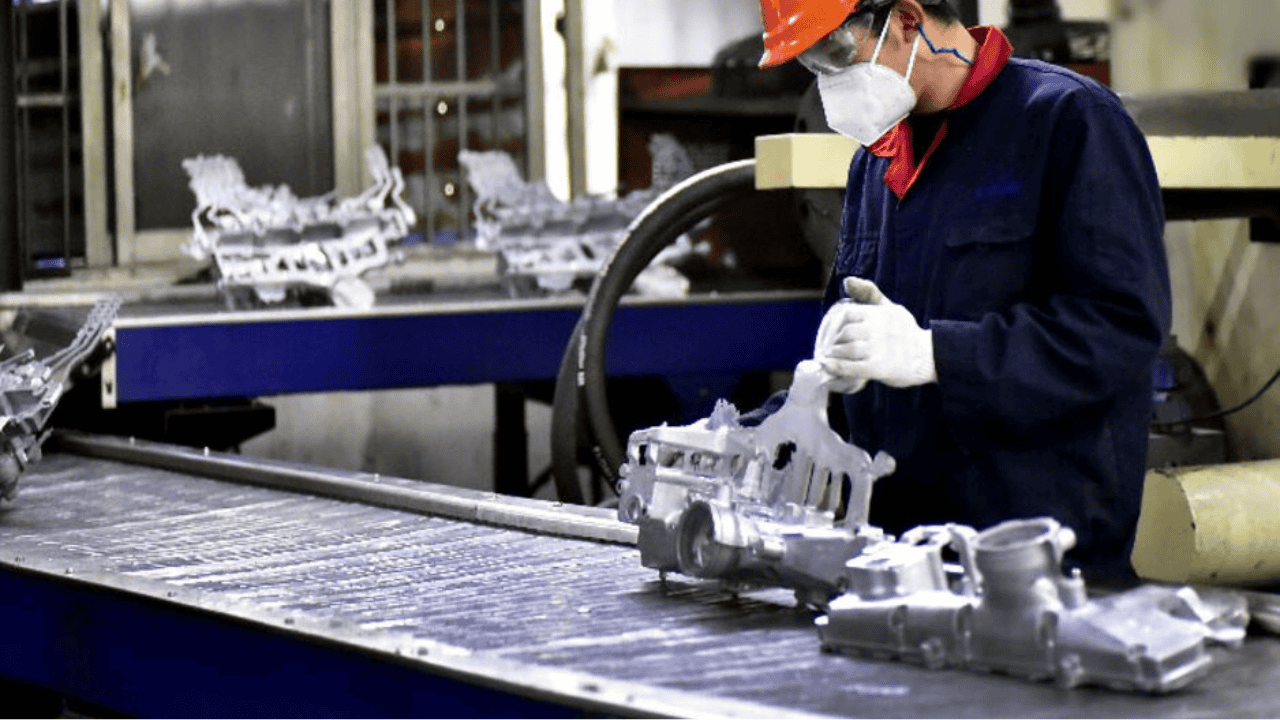
Casting has been part of the construction industry for centuries and offers an unmatched combination of durability, versatility, and precision. From foundational components to intricate architectural details, casting processes provide construction professionals with the ability to create materials and structures that meet both functional and aesthetic demands.
This blog discusses the critical role that casting plays in the construction industry, with regard to its advantages, applications, and how it endows modern architectural and engineering designs.
What is Casting in Construction?
Casting in construction is the process of pouring liquid materials, such as metal, concrete, or other alloys, into molds to shape them into desired forms. Once the material solidifies, it maintains the shape and design of the mold, making it a strong and versatile component.
This method is essential for producing parts that require high accuracy, consistent quality, and intricate detailing. Casting is widely used for structural elements like beams, columns, foundation blocks, decorative panels, pipes, and machine components. It also allows engineers and builders to create large or complex shapes that would be difficult, costly, or time-consuming to craft using traditional methods such as welding or machining.
In modern construction, casting offers several benefits, including reduced labor, faster production, and greater flexibility in design. Precast concrete—one of the most popular casting applications—helps improve efficiency on job sites, ensures higher quality control, and minimizes construction delays. Overall, casting plays a vital role in building stable, durable, and innovative structures across residential, commercial, and industrial projects.
Common materials used in construction casting include:
- Metal: For structural elements, machinery parts, and support systems.
- Concrete: For precast beams, panels, and foundations.
Casting is an essential aspect of manufacturing parts that are strong, durable, and versatile to suit the various requirements of construction works.
Durability in Construction Casting
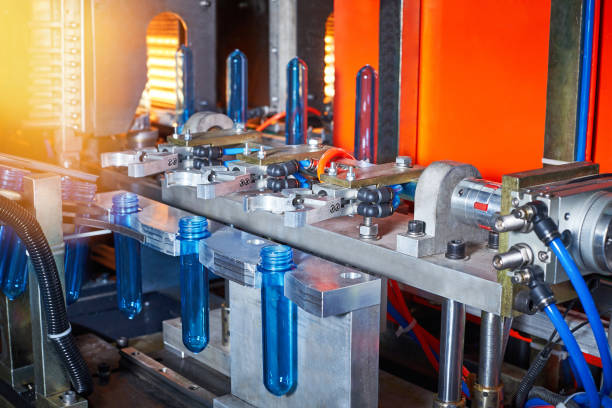
Durability is one of the most critical factors in modern construction, and casting plays a major role in achieving long-lasting structural performance. Construction casting—whether using concrete, metals, or advanced composite materials—allows builders to create components that can withstand heavy loads, harsh weather conditions, and long-term wear.
By shaping materials in controlled environments and ensuring uniform density and strength, casting enhances the overall resilience of buildings and infrastructure. As a result, cast components not only provide structural reliability but also contribute to reduced maintenance costs, improved safety, and extended service life, making casting an essential technique for durable construction.
In the construction industry, durability is not a compromise but a necessity, and among all methods, casting can deliver on:
1. High Strength
Casting can utilize high-strength materials, including reinforced concrete, steel, and alloys. These materials can withstand heavy loads, extreme weather, and wear over time.
2. Resistance to Corrosion
Construction components that have to face harsh environmental conditions, such as bridges, marine structures, or pipelines, are benefited by corrosion-resistant materials cast into precise shapes.
3. Longevity
The cast material retains its performance characteristics for decades, thus requiring minimal frequent maintenance or replacement.
Design Flexibility in Construction Casting
Design flexibility is one of the biggest advantages of construction casting, allowing architects and engineers to create shapes, details, and structural components that would be difficult—or even impossible—to achieve with traditional construction methods. Because liquid materials like concrete, metal, and composites can be poured into molds of any size or complexity, casting enables the production of customized elements with precise dimensions and smooth finishes.
This flexibility supports innovative architectural designs, unique structural forms, and efficient fabrication of both large-scale components and intricate decorative pieces. As a result, construction casting expands creative possibilities while maintaining strength, uniformity, and cost-effectiveness in modern building projects.
The most attractive feature of casting in construction is that it offers unmatched design flexibility. Casting enables architects and engineers to bring even the most ambitious concepts to life.
1. Customization
Casting molds can be designed to create components of any size, shape, or complexity, thus perfect for unique architectural designs and specialty projects.
2. Complex Geometries
From curved facades to intricate decorative details, casting can deal with complex geometries that other manufacturing techniques struggle to achieve.
3. Versatile Material Options
Casting allows for a large number of different materials, giving the designers leeway to pick the optimum material for an application whether to enhance aesthetic appearance or serve structural functionality.
Applications of Casting in Construction
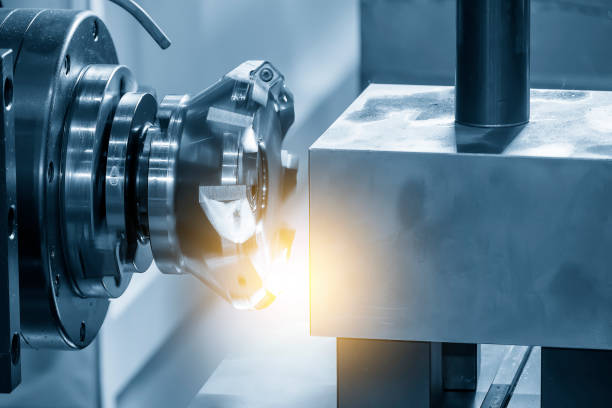
Casting plays a vital role in a wide range of construction applications due to its ability to produce strong, uniform, and precisely shaped components. One of its most common uses is in precast concrete elements, such as beams, columns, slabs, wall panels, pipes, and foundation blocks, which are manufactured in controlled environments for superior quality and durability.
Metal casting is also widely used for producing structural connectors, brackets, frames, and specialized hardware that must withstand heavy loads and long-term stress. Additionally, casting is essential for creating architectural features—including decorative façades, moldings, balustrades, and complex geometric designs—that enhance both aesthetics and functionality. In infrastructure projects, it is used for bridge components, drainage systems, and load-bearing structures.
The advent of casting has revolutionized the construction industry with vast applications in both structural as well as decorative parts of the structure.
1. Structural Components
Beams and Columns: The mainframe in buildings, bridges, etc., consist of precast concrete beams and columns.
- Foundations: Cast concrete provides an excellent, solid base for big structures.
- Bridge Sections: Modular casting techniques are applied to build bridge sections to be fast assembled.
2. Facades and Cladding
The technique of casting allows creating thin, lightweight, strong, and even textured or patterned facades with a variety of aesthetics while ensuring strength and durability.
3. Infrastructure Projects
- Manholes and Pipes: Cast components play an important role in urban infrastructure as they ensure the installation of robust, corrosion-resistant solutions for sewage and drainage systems.
- Road Barriers and Signage: Safe highways and construction zones are guaranteed through durable cast concrete barriers.
4. Decorative Elements
- Sculptures and Art Installations: Through casting, architectural features such as sculptures and art installations come into public life.
- Decorative Panels: Pre-cast concrete panels may contain designs of your preference to characterise buildings.
Benefits of Casting in Construction
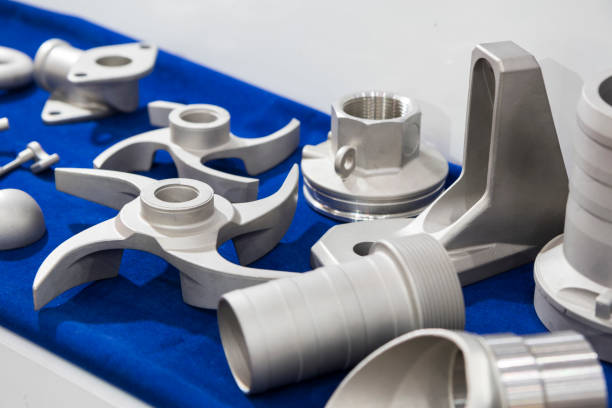
Casting offers a wide range of benefits that make it a preferred method for producing structural and architectural components in modern construction. One of its major advantages is the ability to achieve high precision and uniform quality, as materials are formed in controlled molds that ensure consistent dimensions and strength. Casting also allows the creation of complex shapes and custom designs that would be difficult or costly to manufacture using traditional fabrication methods.
This is because casting is extensively applied in the construction industry with many advantages.
- Cost Effective: Casting is a highly mass-producing component. Therefore, labor costs are saved, and waste is avoided.
- Accurate and Consistency: Molds will have similar outcomes that will not include error in the overall production quality.
- Fast Production: Precasting has a possibility of allowing for off-site manufacture of the component parts so that it hastens on-site assembly.
- Sustainability: The use of casting also considers the recycling material for minimal waste, thereby conserving environmentally friendly practices.
Challenges in Construction Casting and Solutions
While casting offers many advantages, it also comes with challenges that can affect quality, efficiency, and structural performance. One of the most common issues is improper curing or temperature control, which can lead to cracks, weak spots, or uneven strength in the final product. This challenge can be solved by implementing strict curing protocols, using climate-controlled casting environments, and applying curing compounds to maintain moisture levels.
Though casting is rich with advantages, it poses some challenges that should not be taken lightly:
1. Design and Quality of the Mold
Defective mold designs will result in defective or less accurate parts.
Solution: Use quality molds and state-of-the-art mold-making technologies.
2. Material Choice
Selecting inappropriate materials will cause premature failure or operational failure.
Solution: Ask experts to select the material of choice, based on application and environmental conditions.
3. Transportation and Handling
Transportation and assembling of the large precast components could be cumbersome.
Solution: Modular design and sophisticated lifting equipment may be employed for easier logistics.
Construction Casting Techniques
1. Precast Concrete Casting
Precast concrete is perhaps one of the most widely used construction casting techniques. Components are made within controlled environments to provide for superior quality and accuracy.
2. Sand Casting for Metal Components
Large metal parts, such as support brackets or structural connections, are often cast in sand.
3. Investment Casting for Decorative Elements
Investment casting is used to create detailed components that are ideal for architectural accents and intricate designs.
4. Die Casting for Lightweight Components
Die casting is used to produce lightweight yet strong parts, including aluminum frames and supports.
Why Cast for Your Construction Needs?
Casting is unique in its reliability and adaptability for the production of high-quality construction components. Its durability, design versatility, and cost-effectiveness make it an ideal selection for most projects.
Conclusion
The construction industry is constantly evolving, and casting remains a staple technique for creating durable, versatile, and aesthetically pleasing components. From the towering skyscrapers to intricate architectural designs, casting empowers builders and architects to reach new heights.
If you intend to use casting in your upcoming construction project, work with casting professionals who have extensive expertise. With casting, all these benefits help ensure that a durable project meets your required specific design.



