

Angle brackets are critical structural components in construction and engineering and industrial application. Another factor to consider when choosing between steel and aluminum angle brackets is weight because, generally, aluminum brackets are very lightweight compared to the steel ones. In this article, we compare steel and aluminum angle brackets so that you are able to choose the best material for your application.
Steel and aluminum are two of the most common materials for angle brackets. Steel brackets are known for their high strength and load-bearing capacity, making them ideal for heavy-duty applications such as industrial shelving, machinery mounting, and structural framing. They can withstand significant stress and mechanical wear, but they are generally heavier and may require protective coatings to resist corrosion.
Aluminum brackets, on the other hand, are lightweight yet durable, making them suitable for applications where weight reduction is crucial, such as modular furniture, aerospace components, or mobile structures. They naturally resist corrosion, which reduces maintenance needs, but they typically have lower load capacity compared to steel.
By understanding the strength, weight, and environmental characteristics of these materials, engineers and builders can make informed decisions to ensure that their projects achieve optimal safety, longevity, and efficiency. Choosing the right angle bracket material is essential for balancing structural requirements with practical considerations like ease of installation and cost-effectiveness.
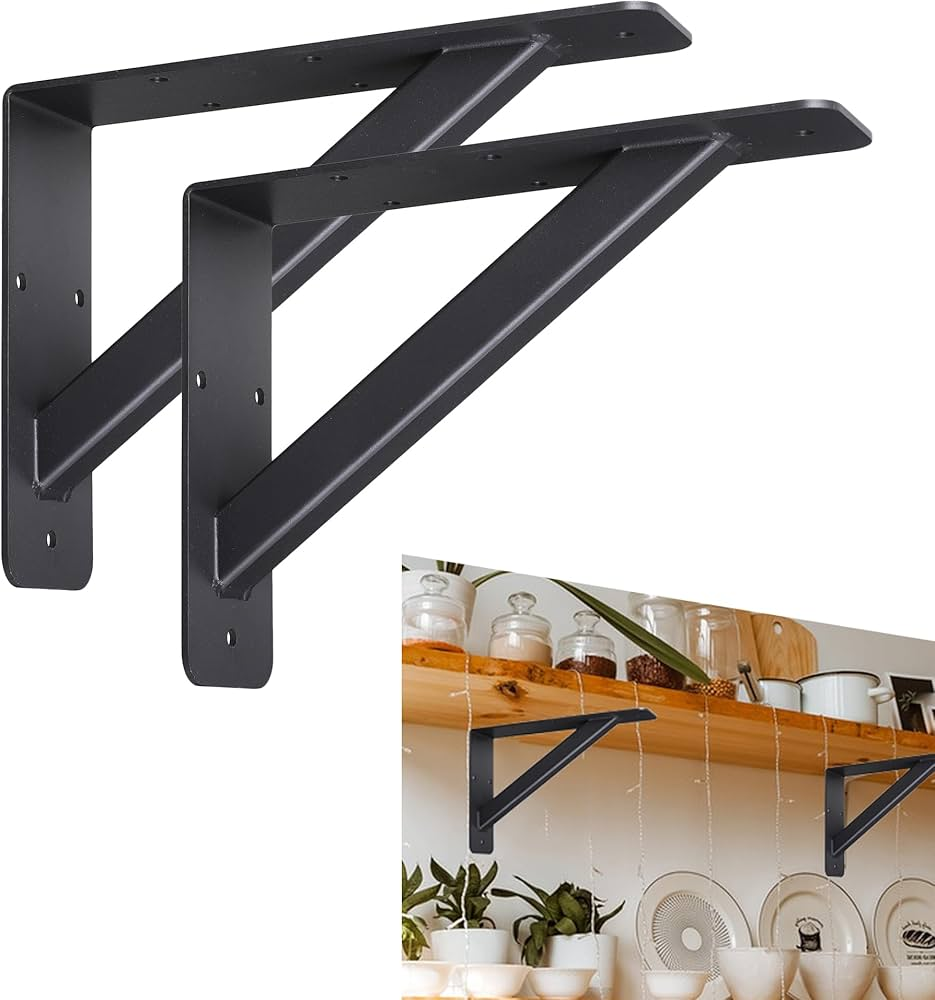
1.Strength and Load Bearing Capacity
When selecting angle brackets for any project, one of the most important considerations is strength and load-bearing capacity. This determines how much weight and stress the bracket can safely support without bending, warping, or failing. Brackets made from high-strength materials such as steel or stainless steel are ideal for heavy-duty applications, including industrial shelving, structural frameworks, and machinery mounting.
The design of the bracket also plays a key role in its load distribution. Reinforced edges, thicker metal sections, and multiple mounting points help spread the weight evenly across the structure, reducing the risk of failure. For lighter applications, such as modular furniture or decorative installations, aluminum brackets provide sufficient strength while minimizing weight.
Steel Angle Brackets
- Stronger: Steel has higher tensile strength and can withstand heavier loads.
- Frequent application to heavy-duty uses, e.g., construction, bridges, and industrial equipment where high load-bearing capacity is important
- Resists Bending: Steel brackets will retain structural integrity with a lot of pressure and stress.
Aluminum Angle Brackets
Light Weight: Aluminum is much lighter than steel, which is why it is great for applications that demand easy lifting, handling, and transport.
- Reduced Load-Bearing: Although strong, aluminum can be less robust than steel and may bend or compress as you exceed capabilities.
- The Forming industry is among the fast-growing industries due to its applications in construction along with aerospace and transportation industrial structure.
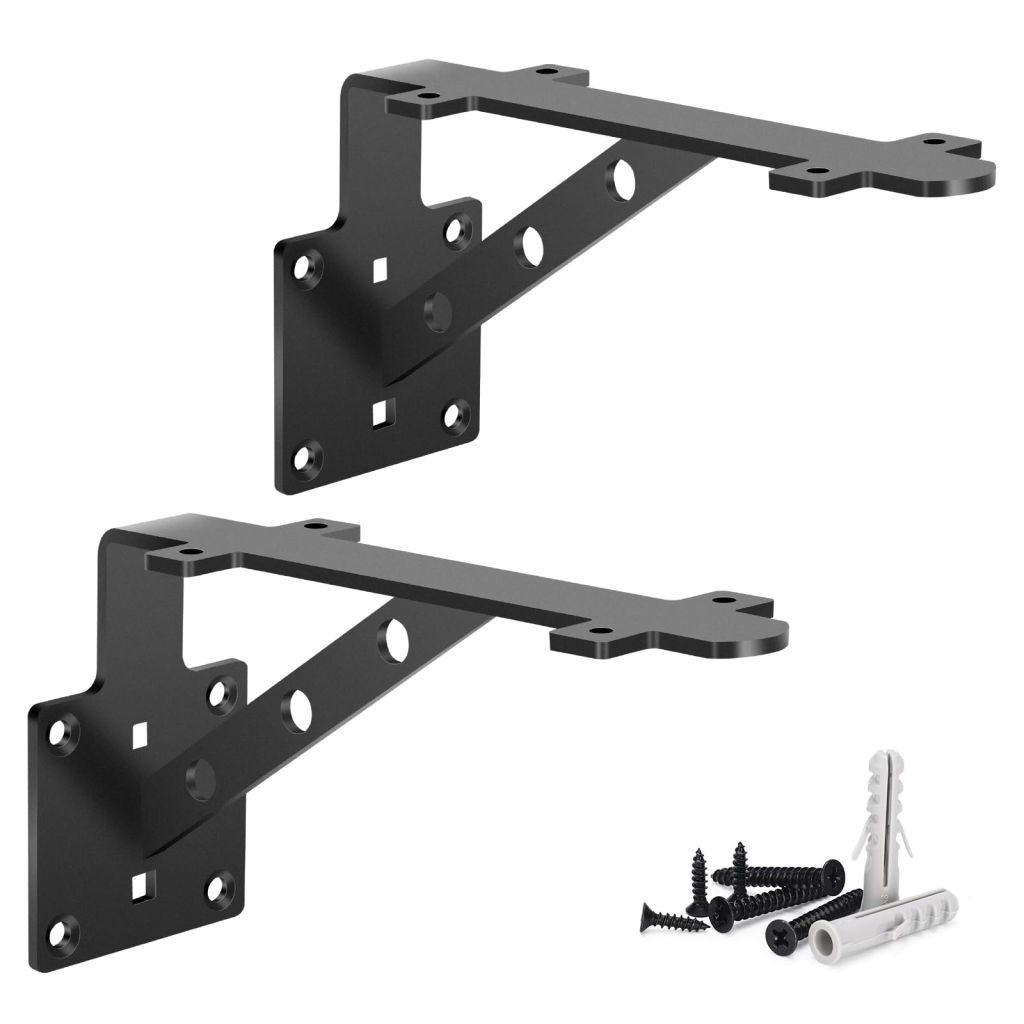
2.Corrosion Resistance in Environmental Conditions
Another crucial factor when selecting angle brackets is corrosion resistance, especially for applications exposed to moisture, chemicals, or outdoor environments. Corrosion can weaken brackets over time, compromising structural integrity and safety.
Stainless steel and galvanized steel brackets are commonly used in harsh conditions due to their ability to resist rust and oxidation. Stainless steel offers long-term durability and low maintenance, making it ideal for outdoor construction, marine applications, and industrial equipment. Aluminum brackets, while lightweight, naturally resist corrosion, making them suitable for environments where weight reduction and resistance to moisture are important.
Steel Angle Brackets
- Susceptible to Rust: Unless treated with protective coatings like galvanization or powder coating, carbon steel can rust.
- Galvanization and Stainless Steel: Galvanized steel and stainless steel provide superior corrosion resistance, which can be needed for outdoor or marine applications.
Aluminum Angle Brackets
Aluminum angle brackets are lightweight, corrosion-resistant, and versatile components used in a wide range of applications. Their low density makes them ideal for projects where weight reduction is essential, such as modular furniture, aerospace assemblies, and portable structures. Despite being lighter than steel, aluminum brackets provide adequate strength for many residential, commercial, and industrial uses.
One of the key advantages of aluminum is its natural resistance to rust and corrosion, which reduces maintenance and extends the lifespan of the bracket, especially in outdoor or humid environments. Aluminum can also be anodized or powder-coated to enhance durability and aesthetics, allowing for color customization and additional surface protection.
Aluminum angle brackets come in various sizes, thicknesses, and designs, making them suitable for applications ranging from light shelving support to mid-load furniture assemblies. They are easy to install, often featuring pre-drilled holes compatible with standard fasteners such as screws or bolts.
- Corrosion Resistance by Design: Unlike iron, aluminum develops a surface layer of aluminum oxide that protects the metal beneath and provides a fighting chance against rust.
- Best for Outdoor Use: Excellent for things exposed to moisture like patio furniture, roofing and marine structures.
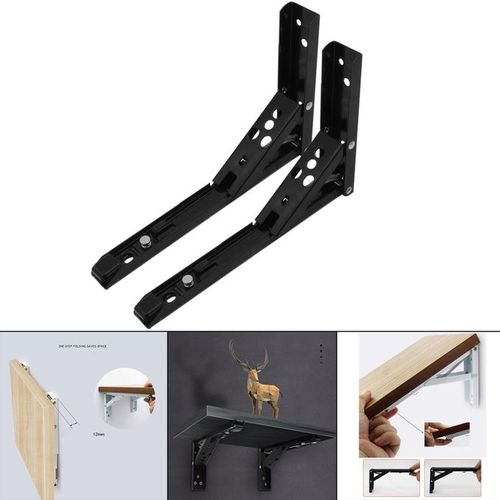
3.Testing Weight and Ease of Installation
When selecting angle brackets for any project, testing weight and ease of installation are critical considerations. The bracket must support the intended load without bending, deforming, or compromising the stability of the structure. This involves assessing both the material strength and the design features, such as thickness, reinforcements, and number of mounting points.
Ease of installation is equally important, particularly for large-scale or repetitive projects. Angle brackets with pre-drilled holes, standardized dimensions, and lightweight materials allow for faster, more efficient assembly. Lightweight brackets, such as those made from aluminum, reduce the effort required for handling and positioning, while steel brackets may require additional labor but offer higher load capacity.
Proper testing includes simulating real-world conditions by applying the expected weight or stress to ensure the bracket performs reliably. Evaluating ease of installation also considers the compatibility with screws, bolts, or other fastening methods, as well as accessibility during assembly.
Steel Angle Brackets
- Heavier and Harder to Work With: Steel is weighty, which can make installing more cumbersome and may require special tools and labor.
- Best for Permanent Structures: Frequently used where maximum durability is desired, even at the weight cost.
Aluminum Angle Brackets
- Where, Lightweight and Easy to Install: Aluminum brackets are easier to move and position without heavy machinery.
- Great for DIY & Lightweight Use: Because it’s so easy to handle, it is a common choice for furniture, shelving, and lightweight frames.
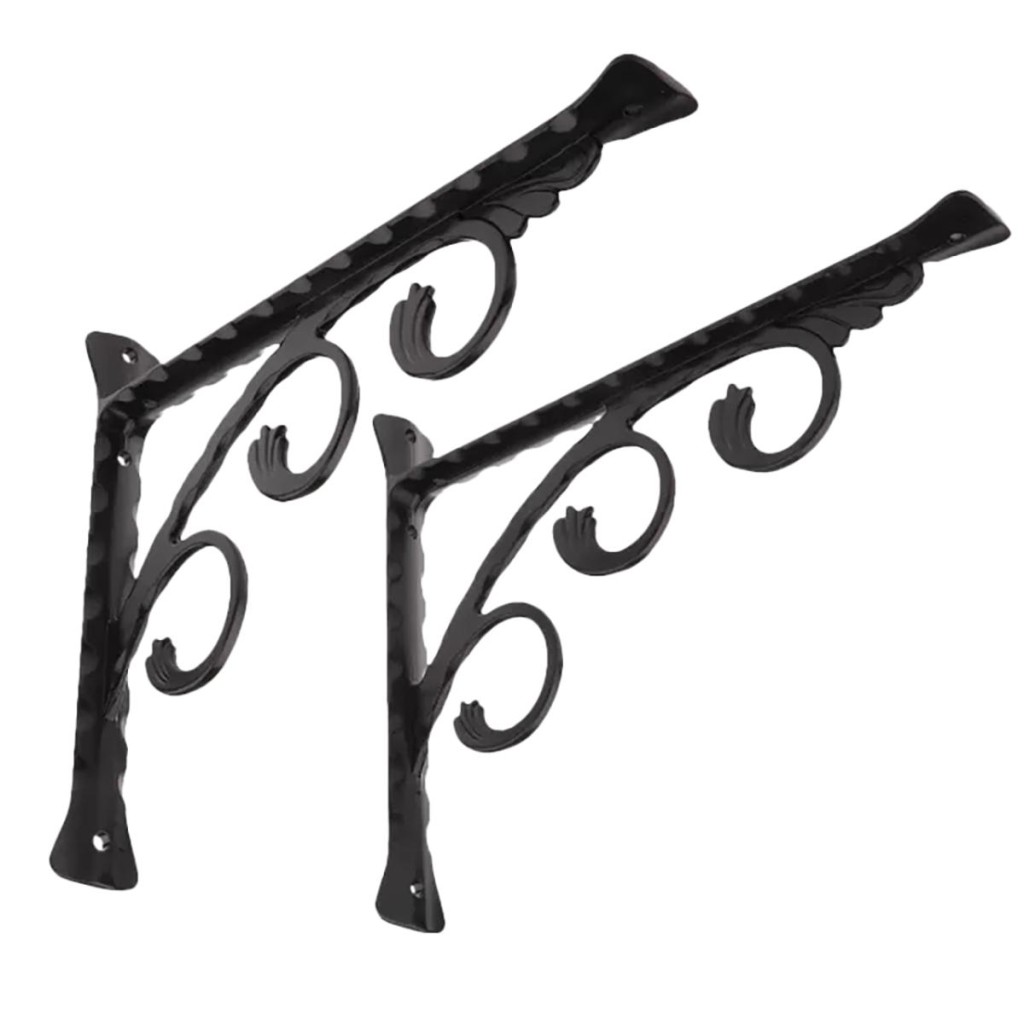
4.Cost and Affordability
Cost is an essential factor when selecting angle brackets, especially for large-scale construction, industrial projects, or mass-produced furniture. Different materials and manufacturing methods can significantly impact the overall price. Steel angle brackets generally provide high strength and durability at a moderate to higher cost, making them suitable for heavy-duty applications. Aluminum brackets, while lighter and corrosion-resistant, may have a slightly higher material cost but can reduce labor costs due to easier handling and installation.
Other factors influencing affordability include surface finishes, coatings, and customizations. Galvanized, powder-coated, or anodized brackets offer added corrosion resistance but may increase the cost per unit. However, these coatings can extend the lifespan of the bracket, reducing long-term maintenance expenses.
Steel Angle Brackets
- Cheaper As Raw Material: Carbon steel is mostly cheaper than aluminum.
- Increased Maintenance Costs: Protective coatings and treatments add costs over time.
- More cost-effective for large scale projects: Common in construction and industrial applications because of strength and longevity.
Aluminum Angle Brackets
- Higher Initial Cost: Raw steel is usually cheaper than aluminum, but aluminum may require lower maintenance.
- Cost Optimization in Lightweight Applications: Reduced weight means lower transportation and labor costs.
- Less Prone to Rust = Reduced Maintenance Costs Over Time: If the environment is corrosive, this means savings in the longer term.
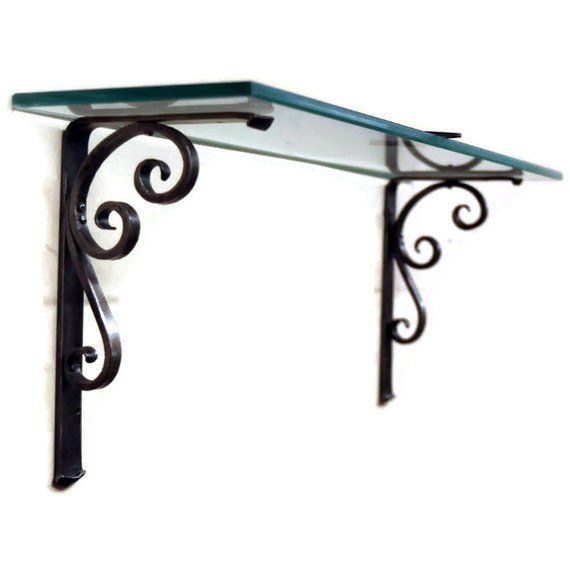
5.Applications and Best Uses
Top Applications of Steel Angle Brackets
- Heavy construction (buildings, bridges, industrial machines)
- Heavy-load support structures (shelving, mezzanines, vehicle frames)
- For projects that stress maximum strength and rigidity
Where are Aluminum Angle Brackets Used & Best Uses
Aluminum angle brackets are widely favored in applications where lightweight, corrosion-resistant, and versatile support is needed. Their combination of strength and low weight makes them suitable for numerous industries and purposes.
- Outdoor and marine applications (boats, docks, outdoor furniture)
- Aerospace and automotive industries (lightweight support structures)
- Nature-inspired DIY projects and modular furniture (shelving, decorative framing)
Conclusion
Advantages of Steel vs Aluminum Angle Brackets Steel and aluminum angle brackets both offer several advantages (depending on the application). Aluminium: Aluminium is incredibly lightweight and resistant to corrosion, making it an excellent choice for applications like outdoor signage or environments with high moisture content. Knowing your project’s unique needs will allow you to select the right material for your angle brackets.
Evaluating such elements as power, opposition to corruption, weight, and expense will help guarantee the ideal execution and life of your design establishment. Aluminum angle brackets, on the other hand, excel in lightweight and corrosion-resistant applications. Their low density makes them easier to handle and install, reducing labor costs in furniture assembly, modular systems, and DIY projects. Aluminum naturally resists rust and can withstand moisture-rich environments, making it ideal for outdoor use, marine applications, and areas prone to humidity.
Ultimately, selecting the proper material depends on balancing factors such as load requirements, environmental exposure, installation ease, and budget. By carefully evaluating these considerations, engineers, builders, and designers can ensure that their angle brackets provide reliable support, long-term performance, and overall project efficiency. Proper material selection guarantees the safety, durability, and functionality of the finished assembly.