


L bracket metals are a basic component in things like furniture assembly, construction, and industrial applications. L Brackets are excellent for providing strength, versatility, and ease of installation for a wide array of projects and offer structural stability for everything from shelving units to heavy duty support systems. In this article, we will share the benefits, applications, materials, and advantages of L bracket metal that help you improve the structural integrity.
What is an L Bracket?
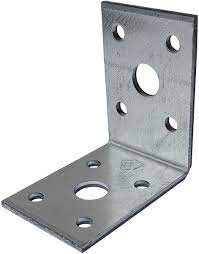
In this example of an L bracket from Amazon, top left to right, it is a metal support piece in the shape of the letter “L.” You usually have pre-drilled holes to tightly fasten either with screws or bolts so that they can provide angled support. L brackets are available in a variety of sizes, materials, and finishes to meet various structural and aesthetic requirements.
L brackets are manufactured in different sizes, thicknesses, and load-bearing capacities to suit light-duty, medium-duty, and heavy-duty applications. Smaller brackets are commonly used in home projects such as securing wall shelves, cabinetry, or picture framing, while larger, industrial-grade versions made from materials like carbon steel, stainless steel, aluminum, or galvanized metal are used in construction, machine assembly, and warehouse racking systems.
The versatility of L brackets comes not only from their variety of material options but also from the available finishes, such as powder coating, zinc plating, brushed steel, or black matte, which improve both aesthetics and corrosion resistance. Some L brackets are also designed with reinforcing ribs or gussets to increase their load-bearing strength in demanding environments. For outdoor and marine applications, stainless steel and galvanized variants are preferred because of their durability and rust resistance.
Overall, the L bracket is a simple yet essential hardware piece that plays a crucial role in structural stability, alignment, and reinforcement across residential, commercial, and industrial projects.
Important Highlights of L Bracket Metal
Durability
L brackets are typically made from strong materials such as carbon steel, tempered steel, stainless steel, or aluminum. Steel variations offer exceptional load-bearing capabilities, while aluminum provides a lightweight yet sturdy solution for installations requiring reduced weight without sacrificing reliability.
Easy Installation
These brackets are designed with pre-drilled holes to accommodate screws or bolts, allowing for quick and accurate mounting. This simplifies the assembly process and ensures a secure and stable connection to wood, metal, or concrete surfaces.
General Purpose Use
Metal L brackets are highly versatile and widely used in construction frameworks, furniture assembly, cabinetry, shelving units, industrial machinery mounting, and structural reinforcement tasks. Their right-angle design ensures proper alignment and adds stability to the joined surfaces.
Corrosion Resistance
To improve longevity, L brackets are available in galvanized, zinc-plated, or powder-coated finishes. These protective coatings help resist rust, moisture, and environmental wear, making the brackets suitable for both indoor and outdoor use, including humid or industrial conditions.
Material(s) Used in L Bracket Metal
The performance and durability of L brackets greatly depend on the type of material used in their construction. Different applications require specific material properties, such as high load capacity, corrosion resistance, or lightweight design. Common materials used in L brackets include stainless steel, carbon steel, aluminum, and galvanized steel. Each material offers distinct advantages—stainless steel provides excellent resistance to rust, carbon steel ensures superior strength, while aluminum is lightweight and easy to handle. Understanding the material choices helps users select the right L bracket that aligns with the intended structural, aesthetic, and environmental requirements.
There are several types of metals used to make L brackets, and each one has varying benefits:
1.Stainless Steel
- More resistant to rust,Could you reword that?
- Indoor and outdoor friendly.
- Naturally resistant to marine and moisture-rich environments.
2.Carbon Steel
- Provides higher strength and durability.
- Ordinarily coated or painted for corrosion resistance
- Since it is used in heavy-duty applications like construction and industrial machinery
3.Aluminum
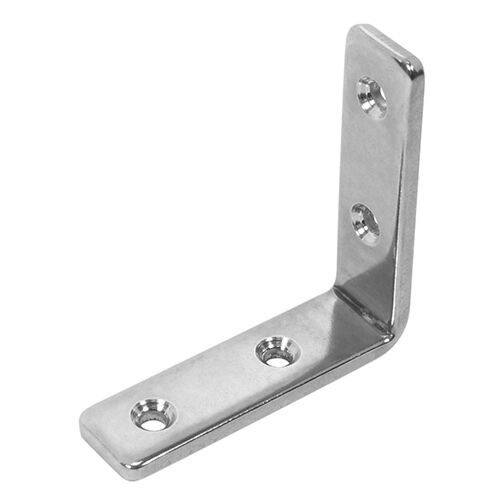
- Light and strong, allowing for easy handling and installation.
- Inherently rust and corrosion resistant.
- These are commonly used to construct furniture or lightweight structures.
4.Brass & Copper
- Introduces a beautiful look along with the finish.
- Corrosion resistant but less strong than steel.
- Used where decorative or low-load is needed.
Uses: L Bracket Metal Applications
L brackets are highly versatile components used across a wide range of industries due to their simple yet effective design. Their ability to provide stable right-angle support makes them a go-to solution for both structural and assembly purposes. Whether reinforcing furniture joints, supporting wall-mounted shelves, securing machinery components, or aiding in construction framing, L brackets offer reliable performance in both light-duty and heavy-duty setups. Available in various sizes and materials, they adapt well to residential, commercial, and industrial requirements. This flexibility makes L brackets an essential element in numerous installation, support, and reinforcement applications across different markets.
L brackets often be used for multiple solutions in markets:
1.Construction & Building Support
L brackets are also commonly used in structural framing, wall support, and beam or column anchoring. They aid the uniform distribution of loads, making buildings and other types of structures stable in the long term.
2.Furniture Assembly
In woodworking and furniture manufacturing, L brackets are used to reinforce joints to prevent wobbling or breaking in desks, chairs, cupboards, and shelving systems.
3.Support Industrial & Machinery
Heavy-duty L brackets are used to secure heavy equipment, conveyor systems, and other industrial components in factories, manufacturing plants, and mechanical structures.
4.Shoutout to my fellow DIY & Home Improvement Projects
L brackets are commonly used by DIY enthusiasts and homeowners to accomplish tasks such as hanging wall-mounted shelves, bracing doors, and attaching frames for other home fixtures.
5.Applications in the Automotive & Aerospace sector
The assembly of vehicle frames, aircraft interiors, and structural supports utilizes L brackets when lightweight but strong reinforcement is required.
How L Bracket Metal Benefit You
L bracket metal components are designed to provide practical and reliable support in both structural and assembly tasks, offering benefits that go beyond simple reinforcement. Whether you are working on a DIY furniture project, industrial machinery installation, or construction framing, L brackets deliver strength, stability, and precision alignment. Their ease of installation, versatility across materials, and ability to withstand heavy loads make them an essential tool for builders, manufacturers, and homeowners alike. By using the right type of L bracket, you can enhance safety, improve structural integrity, and extend the service life of your projects with minimal effort.
Here are some of the major benefits of utilizing L brackets in structural applications:
1.Enhanced Structural Integrity
Brackets (l brackets) act as braces to resist motion between two objects such as joints, thereby increasing stability and making it possible for structures to resist loads, environmental forces, shocks, and vibrations.
2.Cost-Effective Solution
L brackets are an inexpensive way to reinforce components without the need for complex costly engineering solutions.
3.Easy Customization
L brackets come in a variety of sizes, thicknesses, and materials, allowing them to be customized to particular structural requirements.
4.Corrosion Resistance
L brackets also come in a variety of options such as stainless-steel, galvanized coatings, and anodized finishes to prevent rust and environmental degradation.
5.Simple Installation
Installation is quick and easy using screws, bolts, or welding, thanks to pre-drilled holes and standard sizing.
Choosing the Right L Bracket for You
Selecting the correct L bracket is essential to ensure proper support, durability, and performance for your specific application. To make the right choice, consider the load capacity required—lightweight brackets made from aluminum or thin steel are suitable for furniture and shelving, while heavy-duty steel or stainless steel brackets are ideal for construction and industrial use. Pay attention to material and finish based on the environment; galvanized or powder-coated brackets are best for outdoor or moisture-prone areas to prevent rust. Additionally, check the bracket’s size, thickness, and hole placement to ensure compatibility with your mounting surface and fasteners.
Choosing the appropriate L bracket will be a balance between application, load, and environmental needs. Here are some things to think about:
1.Load Capacity
- For heavy-duty applications, choose thicker carbon or stainless steel brackets.
- Differently, weaker applications can solve with aluminum or brass brackets.
2.Corrosion Resistance
- For outdoor or high-moisture environments, choose stainless steel or galvanized brackets.
- Powder-coated finishes provide an extra layer of protection and look great.
3.Size and Thickness
- The size of the bracket in relation to the components it support.
- Thicker brackets offer more strength, but may need specialty fasteners.
4.Mounting Method
- Screw-mounted brackets are simple to fit and adapt.
- Permanent and high-strength support; brackets are welded.

Conclusion
And such industries are utilizing L bracket metal For providing them with support and stability to different structures. L brackets are essential fasteners when it comes to construction, furniture assembly, and even industrial applications to strengthen a construction and help it last longer – so you need to ensure you pick the right ones. By choosing the most suitable material, size, and finish, both manufacturers and do-it-yourselfers can optimize the utility of L brackets for their particular application.
At Kbear Metal, we specialize in producing robust and customizable metal components, including L brackets designed to meet industrial standards. With a focus on strength, corrosion resistance, and precise fabrication, Kbear Metal delivers solutions that ensure your projects remain secure and efficient. Whether you need standard sizes or custom-engineered brackets, Kbear Metal is your trusted partner for dependable metal hardware.



