


Metal casting is one of the oldest and most transformative manufacturing methods used by human beings, where molten metal is poured into a mold to create a desired shape. The process of its journey from ancient techniques to modern innovations mirrors the development of civilizations, industries, and technologies. This article tells the interesting story of the evolution of metal casting and how it has transformed over millennia and shaped the modern world.
Ancient Metal Casting Origins
Metal casting originates some thousands of years ago as it goes all the way back to man’s initial discovery of metals and the amazing properties that metals transform.
Early Casting Techniques
- Lost-Wax Technique : Evidence of lost-wax technique, one of the earliest known techniques, existed around 3500 BC in Mesopotamia. The process is developed by creating a wax model, encasing it within clay, and then melting the wax, which results in a mold cavity, into which molten metal can be poured.
- Clay Molds: The ancient Egyptian, Chinese, and Indus Valley cultures have produced bronze tools, weapons, and artifacts by using clay molds.
- Copper and Bronze Age: This stage was marked by the growing necessity of metal casting in the creation of agricultural tools, weapons, and ornamental items, which testified to the genius of the early metallurgists.
Cultural Importance
Metal casting was not only a utilitarian process; it had cultural and symbolic significance. Cast metal objects were used in religious rituals, as currency, and as symbols of power and prestige.
Advancements in Metal Casting in the Middle Ages
The Middle Ages marked significant improvements in metal casting techniques due to the increasing demands of expanding civilizations and new technological needs.
Better Furnaces
The bellows and furnace designs were improved, which enabled higher temperatures for casting iron and other metals.Cast iron became a material of critical importance for infrastructure, tools, and weapons.
Art and Architecture
Metal casting was used to create the most intricate religious artifacts, statues, and architectural components such as bells and gates.Craftsmanship was at its peak during this period, with foundries producing masterpieces that combined functionality with artistry.
The Industrial Revolution: A Turning Point
The Industrial Revolution in the 18th and 19th centuries marked a turning point in metal casting, bringing it into the modern age.
Mass Production
Foundries moved from manual labor to mechanized processes, thus making mass production of metal components possible.Casting became the core of railway construction, shipbuilding, and machinery manufacturing.
Innovations in Techniques
- Sand Casting: This process was developed as a reliable and efficient method of creating complex shapes. Sand casting then became the backbone of industrial metal production.
- Steel Casting: As steelmaking evolved, so did the casting process to incorporate this versatile material. It then changed the face of construction and manufacturing.

Modern Innovations in Metal Casting
Today, metal casting is an advanced process based on precision, efficiency, and sustainability. Modern techniques have increased its applications, making it a must-have in most industries.
Advanced Casting Methods
- Die Casting: A high-pressure process that produces precise, high-quality components for industries like automotive and aerospace.
- Centrifugal Casting: Ideal for creating cylindrical objects, this method uses centrifugal force to ensure uniformity and strength.
- Investment Casting: A modern iteration of lost-wax casting, this process offers exceptional detail and accuracy for complex parts.
Materials and Alloys
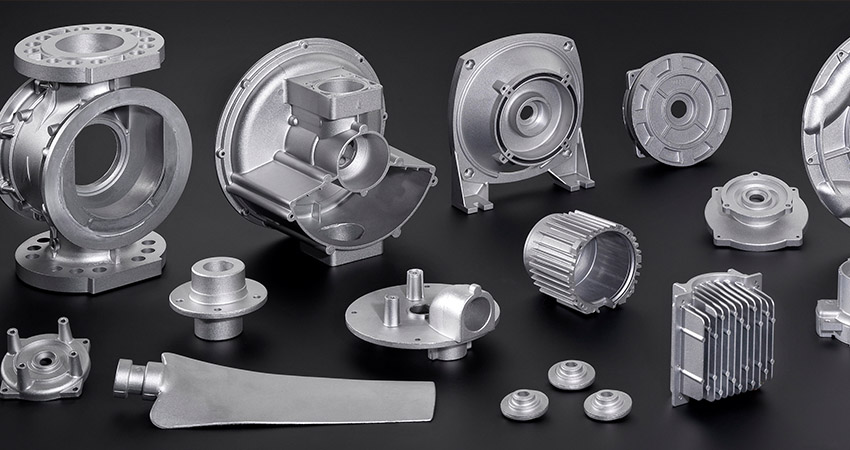
- Modern foundries use a wide range of materials, including aluminum, titanium, and specialized alloys, to meet diverse industrial needs.
- The development of superalloys made it possible to cast parts for the extreme environments of jet engines and space exploration.
Technological Integration
- 3D Printing: Additive manufacturing has transformed mold-making and enabled rapid prototyping and customization.
- Automation and Robotics: Robots and automated systems improve precision, reduce labor costs, and enhance safety in foundries.
- Data Analytics: Advanced software and data analysis optimize casting processes, ensuring consistent quality and minimizing waste.
Challenges and Sustainability in Metal Casting
Industry continues facing growing problems of environmental issues as well as efficient usage of resources
Environmental Impact
Metal casting uses large amounts of energy and gives out emissions in return. Clean technologies in casting have thus become imminentFoundries have realized sustainable ways to do it: scrap metal recycling; reduced waste, and utilizing environmental friendly materials
Capturing the Market Demand
Growing demand for lightweight or strong parts is compelling new and advanced techniques of castings
Applications of Contemporary Metal Casting
Today, metal casting is indispensable in a wide range of industries:
- Automotive: Engine blocks, transmission cases, and structural components.
- Aerospace: Lightweight, high-strength parts for aircraft and spacecraft.
- Construction: Structural steel, beams, and ornamental elements.
- Energy: Turbines, generators, and renewable energy infrastructure.
- Medical: Prosthetics and precision surgical instruments.

Why Kbear Metal for Modern Metal Casting?
Kbear Metal is the right choice for businesses looking for reliable and innovative casting solutions. Here’s why:
- Comprehensive Expertise: With decades of experience, we excel in diverse casting techniques tailored to your needs.
- State-of-the-Art Facilities: Our foundries utilize cutting-edge technologies for precision and efficiency.
- Commitment to Sustainability: We prioritize eco-friendly practices, reducing our environmental footprint while maintaining exceptional quality.
- Customized Solutions: Whether you need intricate components or large-scale production, we deliver tailored solutions.
- Unmatched Quality: At Kbear Metal, every casting is subjected to rigorous quality control, ensuring durability and performance.
- Partner with Kbear Metal for precision, innovation, and sustainability to bring designs to life.
Conclusion
The evolution of metal casting is a testimony to man’s ingenuity and determination for progress. From the clay molds in ancient ages to the present high tech foundries, casting changed the industries and shaped up the world in which we live. And as such a process keeps innovating and adapting, its value only increases.
What a business needs to take the edge of modern metal casting is to find the right partner. With knowledge, innovation, and excellence, Kbear Metal is ready for your casting needs to meet your success.



