


Metal casting is the most versatile manufacturing process. Molds make it happen. In this regard, molds define the final product’s dimensions, dimensions, and even surface quality. In summary, beyond shaping molten metal, molds determine how efficient or cost-effective or even what quality a metal casting might be. As such, this blog attempts to examine the role that molds play in metal casting. Its discussion covers materials used for the molds, types of mold designs, and their application.
What Are Molds in Metal Casting?
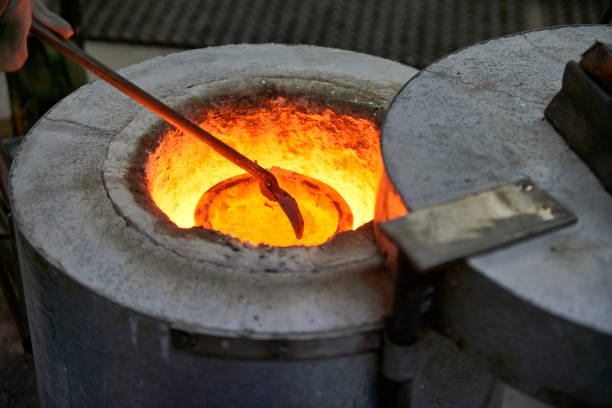
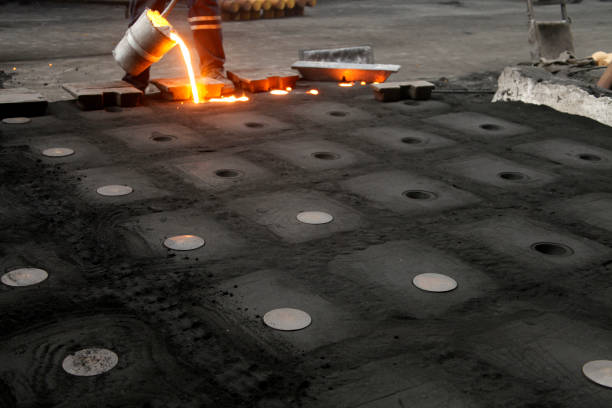
In metal casting, a mold is a hollow cavity into which molten metal is poured and allowed to solidify. The solidified metal takes on the mold’s shape, forming the desired component. Molds can be temporary or permanent, reusable or single-use, depending on the casting method and application.
Importance of Molds in Metal Casting
The mold plays a pivotal role in:
- It decides the shape and size of the casting.
- The mold surface finish also has a considerable impact on the castings’ surface finish.
- A well-designed mold guarantees solidification uniformly and thus limits defects in the cast.
- Efficiency: Effective design of a mold ensures reduction in wastes and maximization of production.

Mold Materials
The mold should be strong enough to sustain extreme temperature changes, mechanical load, and chemical reaction due to possible reactions with the molten metal. Common mold materials are discussed as follows.
1. Sand
- Applications: Very popular for sand casting because of cost-effectiveness and flexibility.
- Advantages: Can be reused. Flexible in shape, and hence, can also be formed into complex shapes.
- Disadvantages: Not strong; rougher surfaces compared to other materials
2. Graphite
- Applications: Cast metals with lower melting temperatures.
- Advantages: Offers high resistance against heat; produces smooth finishes; no reactions.
- Disadvantages: Brittle, and its cost is greater than sand.
3. Metal
- Applications: Permanent mold casting.
- Advantages: High resistance, reusable, and excellent heat transfer
- Limitations: Higher initial cost and only for simple shapes.
4. Ceramic
- Applications: Precise casting like investment casting
- Advantages: Tolerates high temperatures; it gives good detailing; smooth finish
- Limitations: Expensive and cannot be reused
5. Plaster
- Applications: Suitable for low-temperature metals and fine details
- Advantages: Low cost; easy to mold
- Limitations: Fragile and susceptible to temperature.

Types of Mold Designs
The design of a mold is dependent on the casting process and the desired properties of the final product.
1. Open Molds
- Design: Simple, with an open cavity into which molten metal is poured.
- Applications: Suitable for basic shapes like bars or plates.
2. Closed Molds
- Design: Enclosed cavities with precise gating systems for metal flow.
- Applications: Used in complex casting methods like die casting and investment casting.
3. Split Molds
- Design: Has two or more sections which can be parted to eject the casting.
- Applications: Used in sand casting and permanent mold casting.
4. Shell Molds
- Design: Thin-walled molds that are produced by applying a refractory to a pattern.
- Applications: Often used for investment casting of precision parts.
5. Modular Molds
- Design: Modular, comprising of parts which can be interchanged for flexibility
- Applications: Best suited for prototypes and low volume runs

Variables Affecting Mold Selection
When deciding on a mold, there are several things to consider.
- Material Properties: The mold material should be compatible with the molten metal.
- Casting Complexity: Complex geometries require sophisticated mold designs, such as split or shell molds.
- Surface Finish Requirements: High-quality surfaces demand high-quality mold materials, such as ceramic or metal.
- Production Volume: Reusable molds are more economical for large production runs.
- Cost Considerations: The initial costs must be balanced with long-term benefits, such as durability and reusability.
- Challenges in Mold Design and Usage
- Despite their importance, molds present challenges:
- Thermal Stress: Exposed to high temperatures, molds may deteriorate.
- Wear and Tear: Wear and tear can be due to friction and mechanical stress leading to deformation or even cracks.
- Complex Geometries: The designing of molds for complex shapes calls for advanced techniques and experts.
Solutions:
- Apply sophisticated simulation software to determine mold performance.
- Select quality material that has thermal resistance and durability.
- Engage qualified engineers for precise mold design.
- New Developments in Mold Technology
- As technology advances, so do the designs and manufacturing of molds:
- 3D Printing: Facilitates fast prototyping of molds with complex geometries.
- Smart Sensors: Tracks mold performance in real-time to avoid defects.
- High-Performance Coatings: Extends the life of the mold and reduces friction.
- Why Molds Matter in Sustainable Casting
- Mold materials and designs also have an environmental impact on casting processes. Reusable molds, recyclable materials, and efficient designs help in achieving sustainability by reducing waste and energy consumption.
Select Kbear Metal for Precision Mold Design
Kbear Metal realizes that molds make it happen in metal casting. What we pride ourselves in are the following:
- Expertise: Designing molds with decades of experience for multiple industries
- Customization: Tailor-made designs that meet one-of-a-kind client needs
- Technology: Advanced tooling and techniques for accuracy and efficiency
- Sustainability: Environment-friendly practices utilizing recyclable materials, energy efficient processes.
Summary
Molds are the foundation of metal casting, shaping not only the final product but also the entire casting process. From selecting the right material to designing molds for complex geometries, it is all about understanding the role of molds in getting high-quality castings.
Partner with Kbear Metal to get your metal casting needs, and have unparalleled expertise and innovation in mold design and manufacturing. Let us help bring your vision to life, precision and efficiency. Call us today!



