


Die casting is an extremely productive manufacturing process that enables the mass production of intricate metal parts with close tolerances and high surface finishes. It is applied across a broad range of industries including the automotive, aerospace, consumer electronics, and machinery industries as a result of its capability to achieve high volumes of components at minimal per-unit costs. This post discusses why die casting is best for mass production, including its advantages, materials, common uses, and contrasts with other manufacturing processes.
What Is Die Casting?
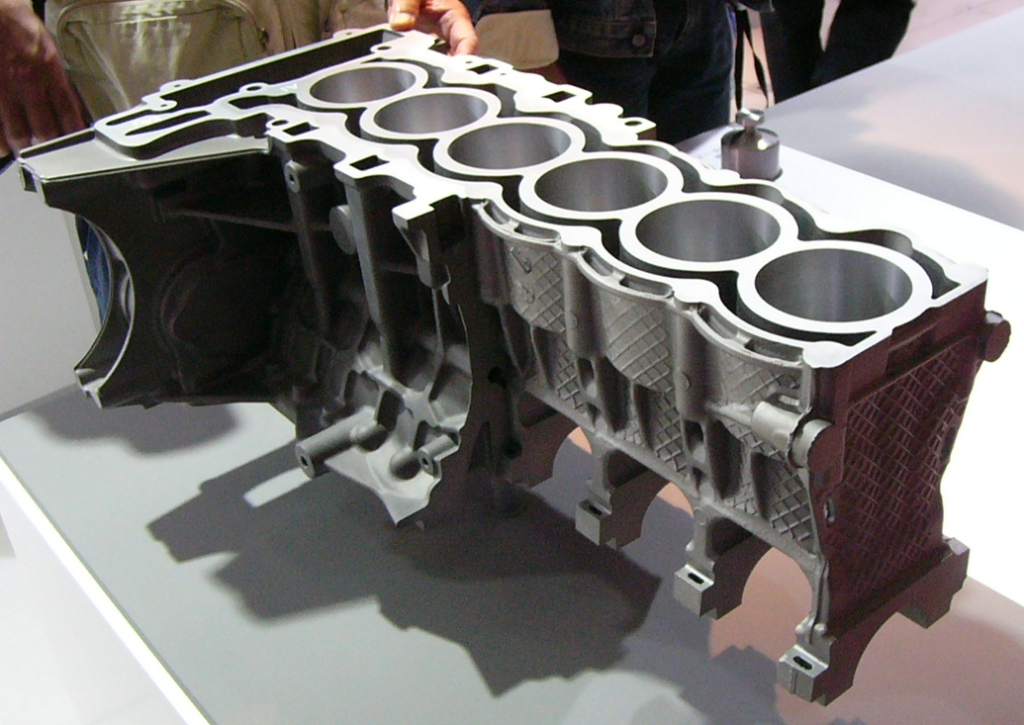
Die casting is a process of casting metals where molten metal is pressed at high pressure into a mold cavity. The die or mold is produced from tool steel and is designed to produce parts with complex geometries and high details. Die casting is greatly automated and can even utilize multi-cavity dies to cast many components in one cycle.
This process is widely used for creating complex shapes with smooth surfaces and tight dimensional tolerances. Unlike other casting methods, such as sand casting, die casting delivers parts with excellent detail replication and requires little to no machining afterward. Metals commonly used in die casting include aluminum, zinc, magnesium, and copper alloys, each selected based on performance requirements like strength, weight, and corrosion resistance.
Die casting offers significant advantages in terms of speed, efficiency, and cost-effectiveness for high-volume production. It is a preferred choice for industries like automotive, aerospace, consumer electronics, and industrial machinery, where precision and durability are critical. By combining accuracy with scalability, die casting has become one of the most reliable and essential processes in modern manufacturing.
Principal Benefits of Die Casting for High-Volume Manufacturing
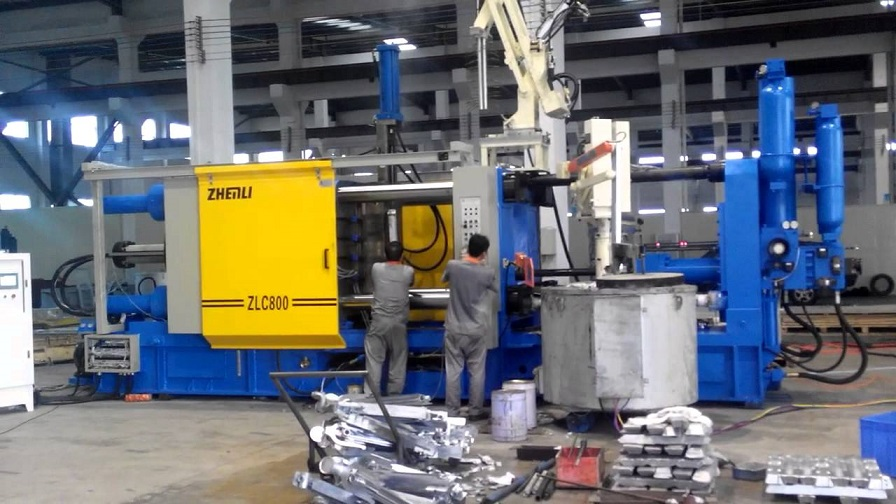
Die casting is one of the most efficient and cost-effective methods for producing large volumes of metal parts with consistent quality. Its ability to deliver precision, repeatability, and excellent surface finishes makes it a preferred process across industries such as automotive, aerospace, consumer goods, and electronics. Unlike other casting methods, die casting is specifically designed to handle mass production without compromising on strength or dimensional accuracy. By combining speed with versatility, die casting provides manufacturers with a competitive edge, ensuring reliable parts that meet both performance demands and economic goals.
1. Quick Production Speed
Die casting is amongst the most rapid methods of producing metal parts. The true casting cycle itself, after creating the die, is quite short and generally in a matter of a few seconds or minutes at best. It’s fast production cycling that produces efficient manufacture on the scale of thousands or millions of similar pieces.
2. Fine Dimensional Precision and Repeatability
Die casting provides higher dimensional accuracy, as often as +/- 0.1 mm. Such high precision is maintained even at large production runs, minimizing secondary machining and quality problems.
3. Low Per-Unit Cost in Large Volumes
Though the initial die cost may be expensive, unit cost is very low in comparison in mass production. The process is very efficient, and since dies can be reused, thousands of cycles make it highly cost-effective for mass production.
4. Excellent Surface Finish
Die cast components frequently possess polished surfaces with little requirement for post-processing. This is well suited for components that need to be painted, plated, or anodized. The better surface finish also improves the appeal of consumer items.
5. Thin Walls and Complex Geometries
Die casting permits the production of complex shapes, thin walls, and fine details. This design freedom eliminates the necessity for several parts or assemblies, enhancing product performance and strength.
6. Material Efficiency
The die casting process generates little scrap material, and any that is generated can often be recycled into the subsequent batch. This renders it an eco-friendly option for high-volume manufacturing, saving on material costs and environmental impact.
7. Automation Compatibility
Die casting is very compatible with automation technologies such as robotic handling, die spraying, and trimming. This improves efficiency in production, lowers labor costs, and ensures product quality consistency.
Materials Usually Used in Die Casting
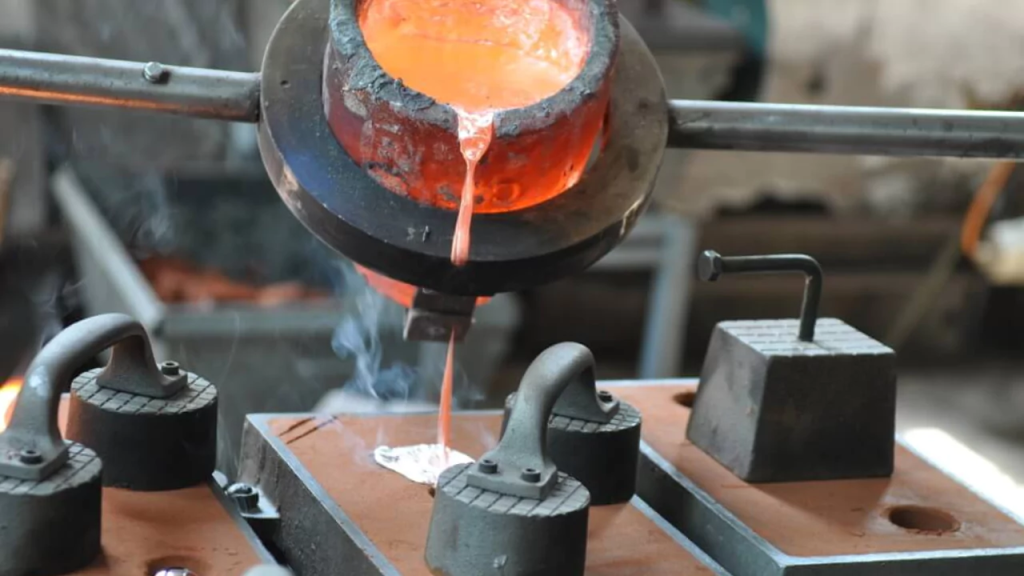
Die casting is often employed with non-ferrous metals, which have good castability, corrosion resistance, and mechanical strength. Die casting can be performed with a variety of non-ferrous metals, each offering distinct mechanical and economic advantages. The choice of material directly influences the strength, weight, corrosion resistance, and overall performance of the final product. Aluminum, zinc, magnesium, and copper alloys are the most commonly used due to their ability to balance durability with cost-efficiency. By understanding the properties of these metals, manufacturers can select the most suitable alloy for their specific application, ensuring optimal results in both high-volume and specialized production.
The most commonly used materials are:
- Aluminum: Light in weight, corrosion-resistant, and suitable for structural purposes.
- Zinc: Ideal for small, complex components and provides higher dimensional stability.
- Magnesium: Lightest structural metal, well suited to applications where weight savings are necessary.
- Copper: Provides high strength and superior thermal and electrical conductivity.
All the materials provide specific benefits based on the application, with aluminum and zinc being most widely used in high-volume production.
Applications of Die Casting in High-Volume Production
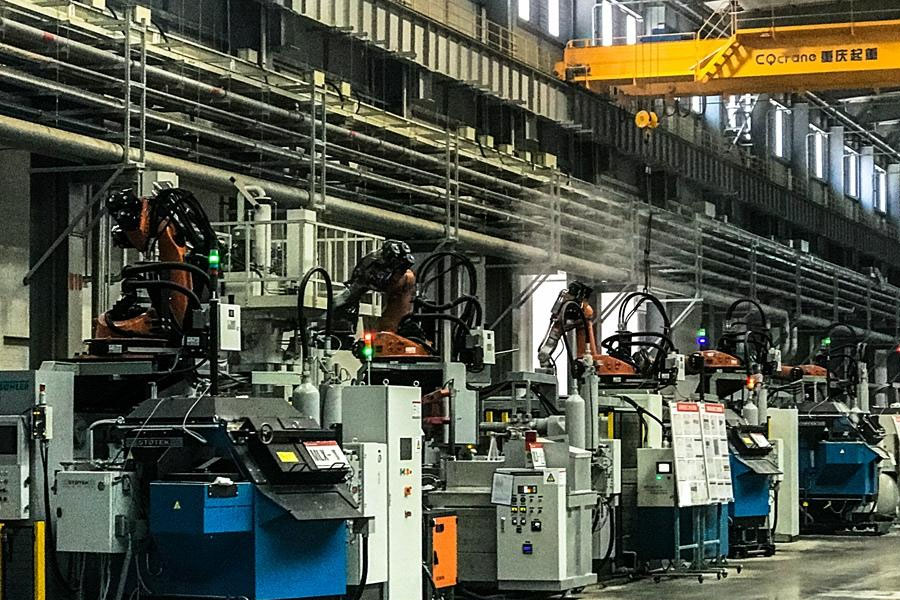
Die casting has become an indispensable process for industries that require large quantities of precise, durable, and cost-effective components. Its ability to produce complex shapes with tight tolerances and excellent surface finishes makes it a preferred choice in sectors ranging from automotive and aerospace to consumer electronics and industrial machinery. By combining speed with accuracy, die casting ensures manufacturers can meet the demands of mass production while maintaining consistent quality.
Automotive Industry
Die casting finds extensive application in automotive manufacturing in components like:
- Engine blocks
- Transmission cases
- Wheel hubs
- Brake calipers
- Housing parts
Parts in these areas need high strength, dimensional stability, and reproducibility—qualities best addressed by die casting.
Consumer Electronics
Die casting is employed in the manufacture of:
- Laptop and smartphone casings
- Camera bodies
- Audio system enclosures
The superb surface finish and tight tolerances are critical for the streamlined appearance and compact profile of electronic appliances.
Industrial Equipment
Die cast components are widespread in:
- Pump casings
- Gearbox parts
- Valve bodies
These components have to endure high mechanical stress and have to last for long service life, which die casting provides.
Household Products
Typical household products like:
- Door handles
- Lighting fixtures
- Appliance parts
are frequently die cast because the process provides pieces that are both pleasing to the eye and strong, done at a more efficient rate.
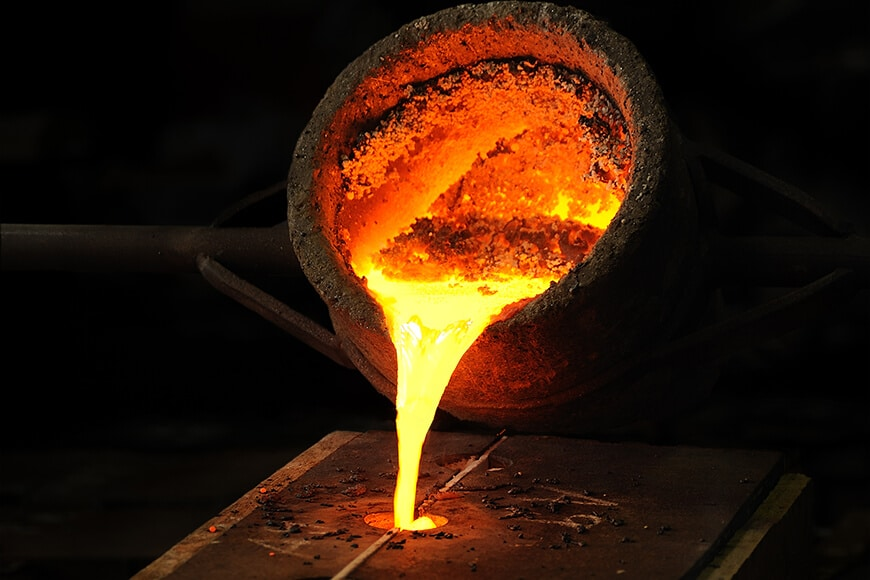
Comparison to Other Production Processes
While die casting is highly valued for its precision, speed, and ability to produce complex parts in large volumes, it is not the only option available to manufacturers. Other processes, such as sand casting, investment casting, forging, and machining, also play vital roles in modern production. Each method comes with its own strengths and limitations in terms of cost, material usage, design flexibility, and achievable tolerances. By comparing die casting with alternative techniques, manufacturers can better determine the most efficient and economical approach for their specific project requirements.
| Feature | Die Casting | Sand Casting | Investment Casting | Machining |
| Production Speed | Very High | Low | Moderate | Low |
| Unit Cost (High Volume) | Low | High | Moderate | High |
| Surface Finish | Excellent | Poor | Good | Excellent |
| Dimensional Accuracy | Very High | Low | High | Very High |
| Tooling Cost | High | Low | Moderate | None |
| Suitable Volume | High | Low to Medium | Low to Medium | Low to Medium |
Die casting excels in high-volume situations because of its speed, precision, and cost-effectiveness on a unit basis. The high cost of tooling might not be worth it, though, for low-volume production.
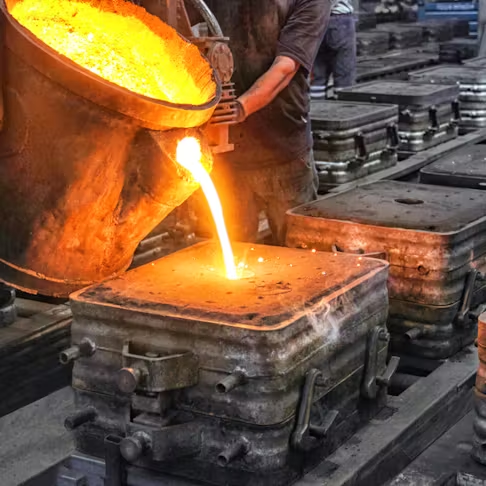
Difficulties of Die Casting in High-Volume Manufacturing
1. Exorbitant Initial Cost of Tooling
A die for casting requires a heavy investment of money and time. It is worthwhile only when the production volume is high enough to cover the cost through amortization.
2. Compatibility Issues with Ferrous Metals
Die casting is not usually applicable for ferrous metals such as steel or iron because of their high melting points, which can destroy the dies.
3. Porosity Problem
Entrapment of air during injection of molten metal may result in porosity, compromising the strength and integrity of the components. Optimization of design and process must be carried out to keep the problem to a minimum.
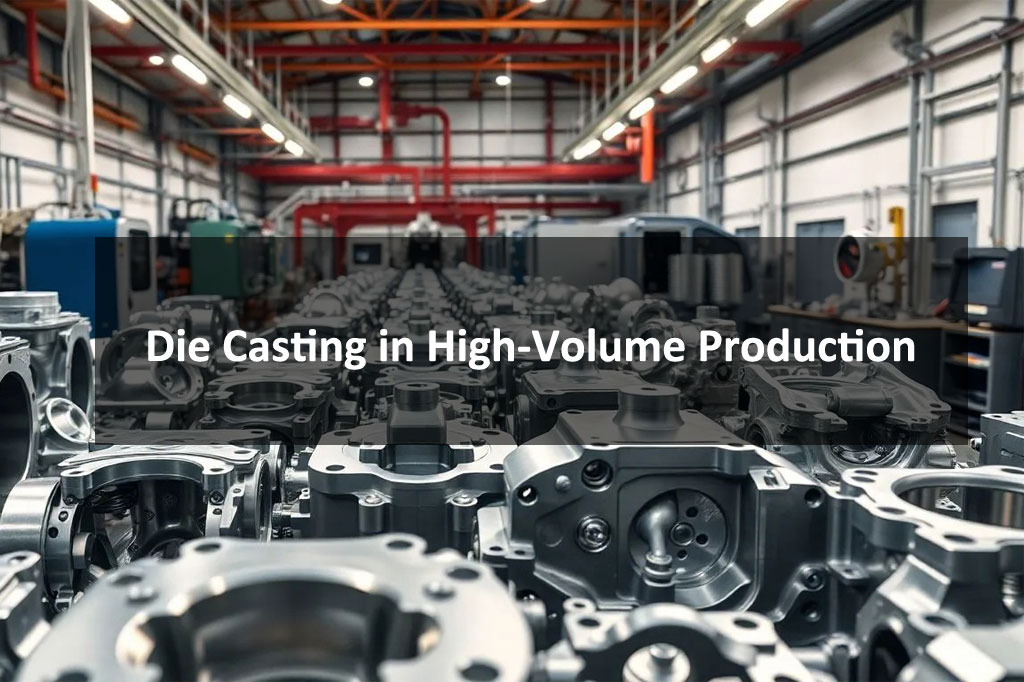
Advancements in Die Casting for Volume Production
Vacuum Die Casting
This method minimizes porosity through elimination of air from the die cavity, producing stronger and more consistent parts.
High-Pressure Die Casting (HPDC)
For the manufacturing of high-strength parts with high speeds. HPDC is extensively applied in automobile and aerospace industries.
Semi-Solid Metal Casting
This technique employs partly solidified metal to minimize shrinkage and enhance part integrity, particularly useful for intricate parts.
Real-Time Monitoring
Contemporary die casting equipment is equipped with sensors and software that track temperature, pressure, and other factors in real time, enabling better quality control and less defectiveness.
Conclusion
Die casting is a stalwart process of high-volume metal component manufacturing. Its capacity for producing intricate, accurate, and high-strength parts quickly and economically makes it priceless in many industries. Though it does call for heavy initial investment in tools, the cost savings over time and product reliability more than outweigh the costs in high-volume situations.
From high-performance automotive engines to slim consumer electronics, die casting makes it possible to manufacture high-performance components that achieve the stringent requirements of contemporary products. To manufacturers looking to ramp up production while ensuring quality and efficiency, die casting is still a critical approach in the manufacturing arsenal.
References
“Die Casting Process, Defects, Design” – CustomPartNet
NADCA (North American Die Casting Association) – https://www.diecasting.org
Kalpakjian, Serope, and Schmid, Steven R. Manufacturing Engineering and Technology, Pearson
ASM International – Casting Handbook



