


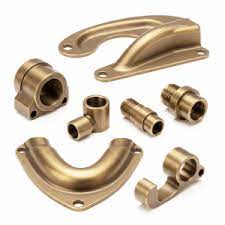
In casting parts for decorative or marine use, the choice of metal is vital to performance, durability, and appearance. Bronze casting, with its rich history spanning centuries and its adaptability, tends to be a favorite. Yet, why is bronze particularly well-suited to these particular applications? This article discusses the merits and disadvantages of bronze casting for decorative as well as marine usage, and makes comparisons with other popular materials of casting, providing industry-relevant references to buttress the discussions.
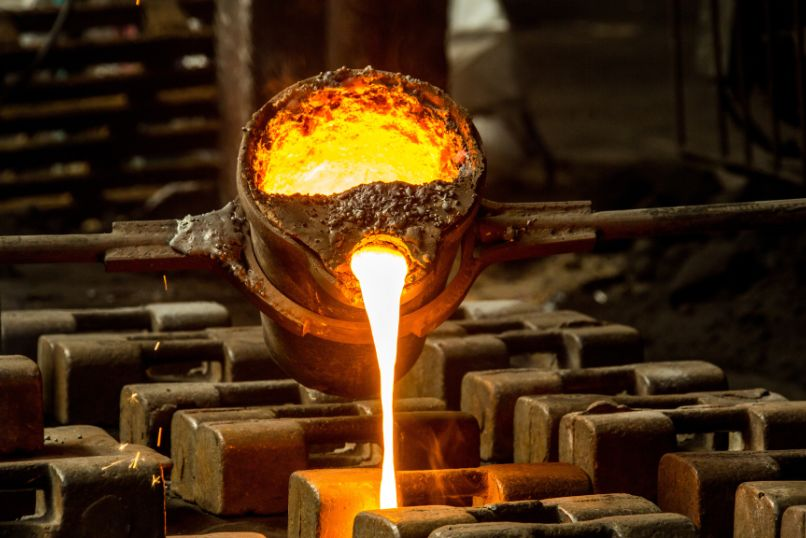
What is Bronze Casting?
Bronze casting is one of the oldest and most reliable metalworking techniques, dating back thousands of years, yet it continues to play a vital role in modern manufacturing and art. Bronze itself is a versatile alloy, primarily composed of copper and tin, but in contemporary applications it may also include elements such as aluminum, silicon, manganese, or nickel. These additional elements are used to enhance specific properties, such as corrosion resistance, strength, machinability, or aesthetic appearance, making bronze suitable for a wide range of uses.
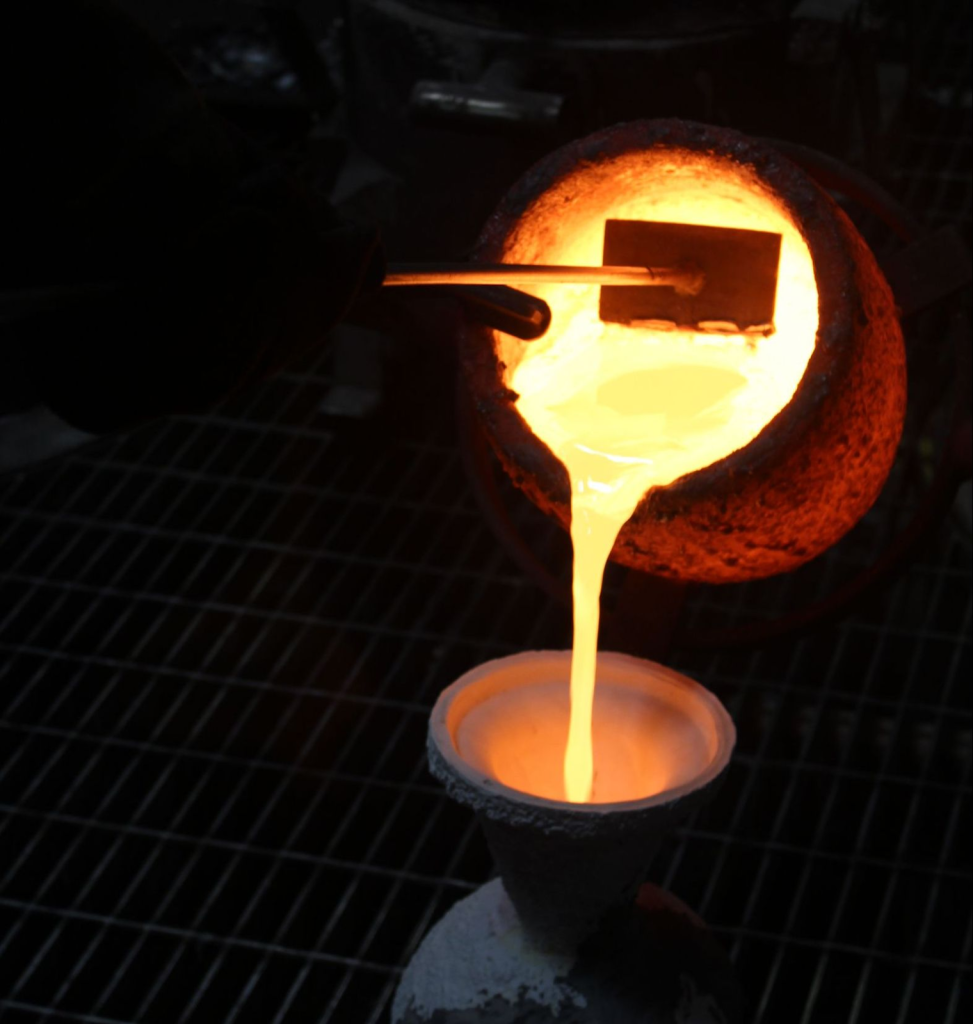
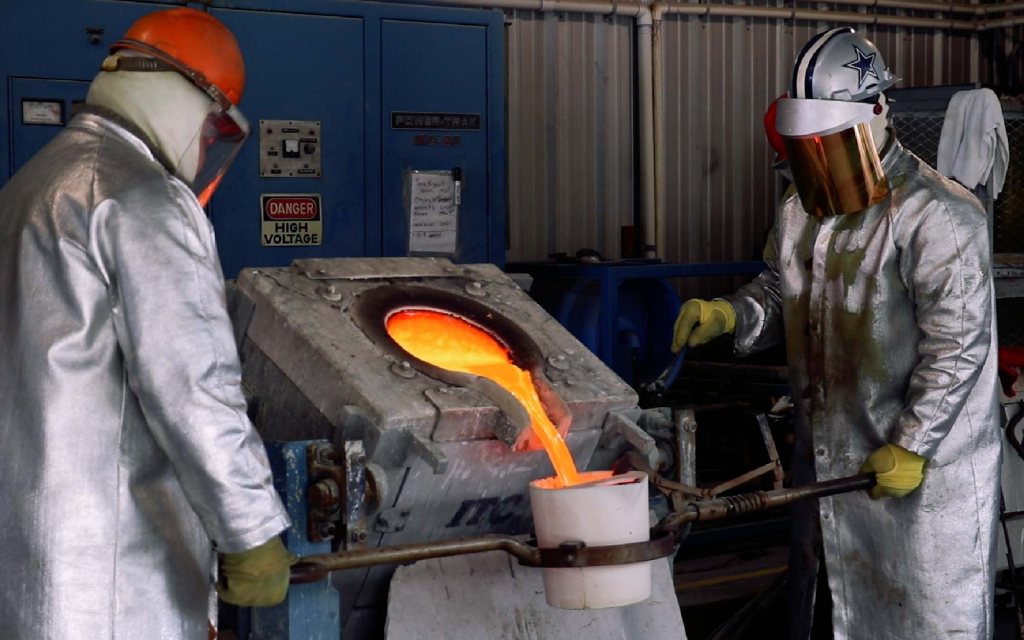
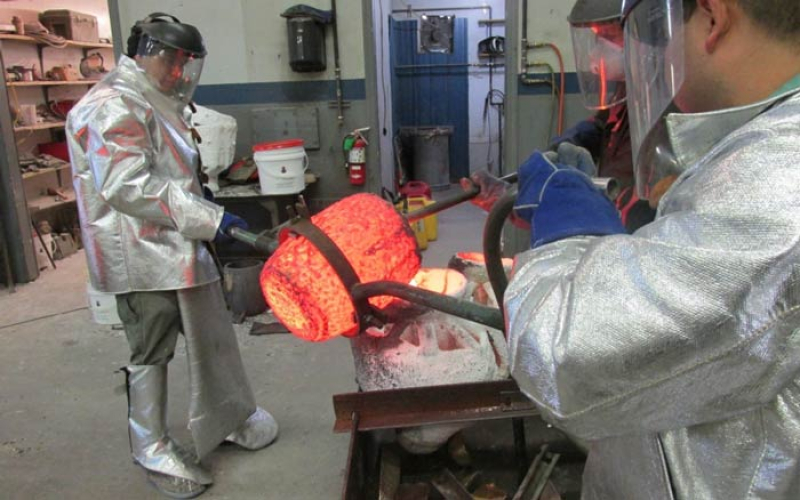
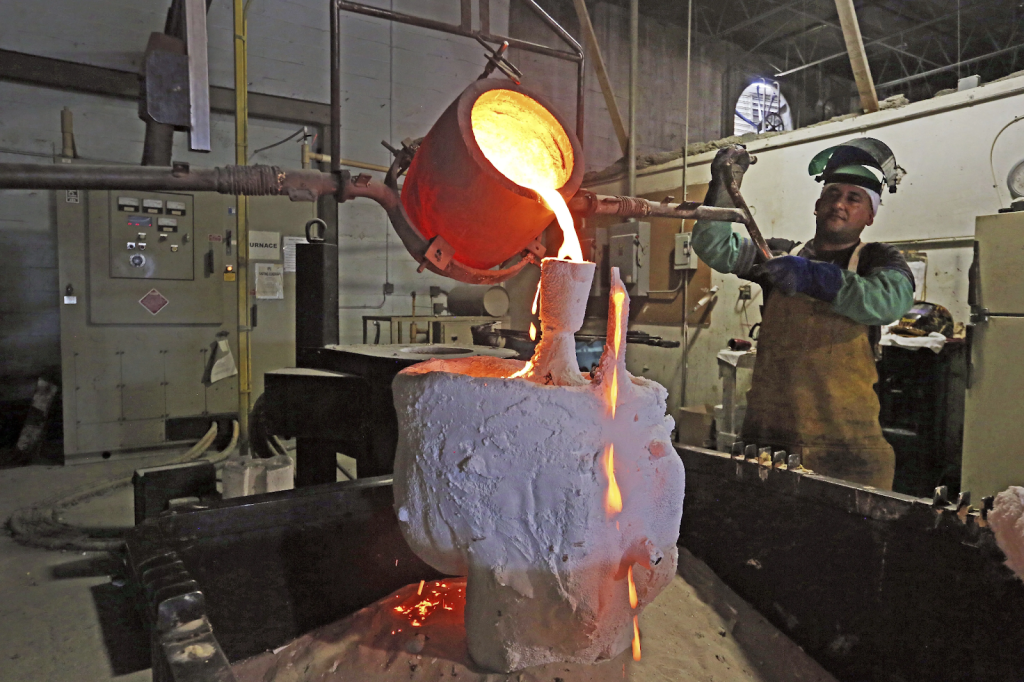
The casting process begins with melting the alloy at high temperatures until it becomes fully liquid. This molten bronze is then poured into molds to form components of various shapes and sizes. Several methods are commonly used, including sand casting for larger, more economical parts, investment casting for precision and detail, and lost-wax casting, which is widely employed in both industrial applications and fine art sculpture.
Bronze casting is valued not only for its ability to produce durable, corrosion-resistant parts but also for its design flexibility. From machine components and bearings to decorative art and architectural features, bronze casting provides strength, reliability, and timeless appeal across multiple industries.
Most Important Characteristics of Bronze:
- High Resistance to Corrosion
Bronze is highly resistant to rust and corrosion, particularly from seawater and various chemicals. This makes it an excellent choice for marine hardware, ship fittings, and underwater equipment. - Resilience to Wear and Fatigue
The alloy withstands continuous stress, impact, and long-term use without breaking down easily. This property makes bronze suitable for heavy-duty applications such as gears, bushings, and bearings. - Low Metal-to-Metal Friction
Bronze has natural anti-friction qualities, allowing smooth performance in moving assemblies. Its self-lubricating ability reduces wear and tear in machinery, increasing the lifespan of components. - Excellent Castability and Replication of Details
Bronze is easy to melt and pour into molds, enabling the production of complex shapes with fine details. This makes it valuable for both industrial uses, like precision machine parts, and artistic applications such as statues and decorative items. - Attractive Appearance
With its distinctive reddish-golden hue, bronze is not only practical but also visually appealing. Its aesthetic value has made it a popular choice for sculptures, coins, medals, and architectural accents.
Decorative Uses of Bronze Casting
Bronze has found artistic and decorative applications since ancient times in civilizations such as Mesopotamia and Ancient Greece. Bronze has been utilized from sculptures to architectural details because of its beauty, workability, and versatility in applications.
One of the most prominent decorative uses of bronze is in sculpture. From small figurines to large monumental statues, bronze casting allows for intricate designs and lifelike detail that withstand the test of time. Many classical masterpieces and modern works alike are still created using the lost-wax casting method.
Dalam architecture, bronze is frequently employed for doors, railings, decorative panels, and embellishments. Its durability and resistance to corrosion make it ideal for both indoor and outdoor features while maintaining its elegant appearance.
Bronze is also a popular material for jewelry, coins, and medals, as its warm hue and durability give it both beauty and lasting value. Additionally, its acoustic qualities have made it essential in crafting musical instruments such as bells, cymbals, and gongs, blending function with artistry.
Today, bronze continues to be a symbol of elegance, craftsmanship, and cultural heritage in decorative arts worldwide.
Advantages for Decorative Use:
- Penampilan
Bronze naturally develops a patina over time, creating an antique or weathered look that adds depth and character to decorative pieces. This natural aging process enhances its charm, making it particularly appealing for classical or vintage-inspired designs. At the same time, bronze can be buffed to a high polish, giving it a sleek, reflective finish suited to modern and contemporary styles. Its versatility in appearance allows it to complement a wide range of artistic and architectural themes. - Detail Fidelity
Bronze is exceptionally well-suited for reproducing fine details, making it a favorite in sculpture, engravings, and intricate decorative items. Its excellent fluidity during casting ensures sharp edges and precise textures. Combined with advanced techniques such as tuangan lilin hilang, artists and designers can achieve intricate and lifelike forms with remarkable accuracy. - Ketahanan
Known for its long-lasting strength, bronze withstands weathering, corrosion, and environmental exposure. This durability ensures that decorative elements—whether statues, plaques, or architectural accents—retain their beauty and integrity for centuries, even in outdoor settings. - Customizability
Bronze can be readily alloyed with other elements such as aluminum, silicon, or nickel, allowing manufacturers and artists to tailor finishes, colors, and mechanical properties. This adaptability makes it suitable for diverse applications, from functional art pieces to architectural highlights.
Common Decorative Uses:
- Statues and busts
- Furniture accents
- Light fixtures and handles
- Plaques and nameplates
- Jewelry and decorative items
Bronze Casting in Marine Applications
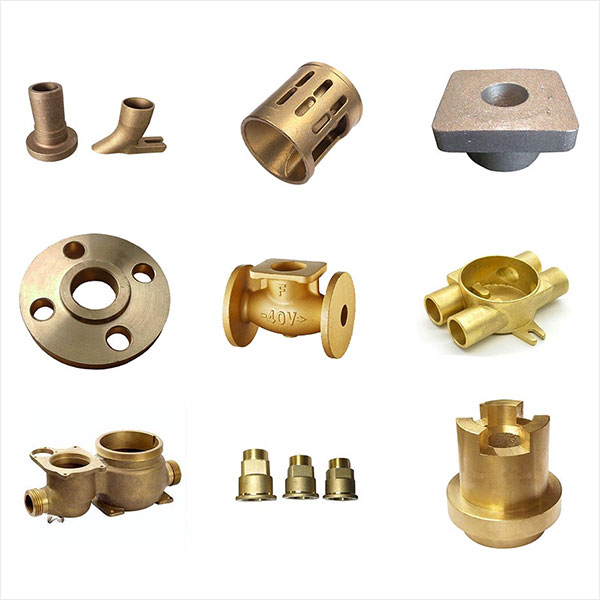
In marine environments, materials are constantly exposed to harsh conditions—saltwater, humidity, and variable temperatures. Bronze, particularly marine-grade variants like aluminum bronze and silicon bronze, is widely used in such settings due to its exceptional corrosion resistance and anti-fouling properties.
Benefits for Marine Use:
Rintangan kakisan
- Bronze resists corrosion in both freshwater and saltwater environments better than many other metals.
- Does not galvanic corrode as badly when in contact with stainless steel and is therefore ideal for mixed-metal assemblies.
Strength and Fatigue Resistance
- Resists mechanical stress and pressure due to tides and currents.
- Maintains shape and structural integrity over time.
Low Friction and Wear
- Suitable for moving parts such as bearings, bushings, and propeller parts.
- Prevents seizing or excessive wear.
Longevity and Low Maintenance
- Will last decades with little maintenance in marine uses.
Applications in Marine Industries:
- Propellers and shaft components
- Pam dan injap
- Marine fittings and fasteners
- Navigational instruments
- Underwater housing and connectors
Comparison with Other Casting Materials
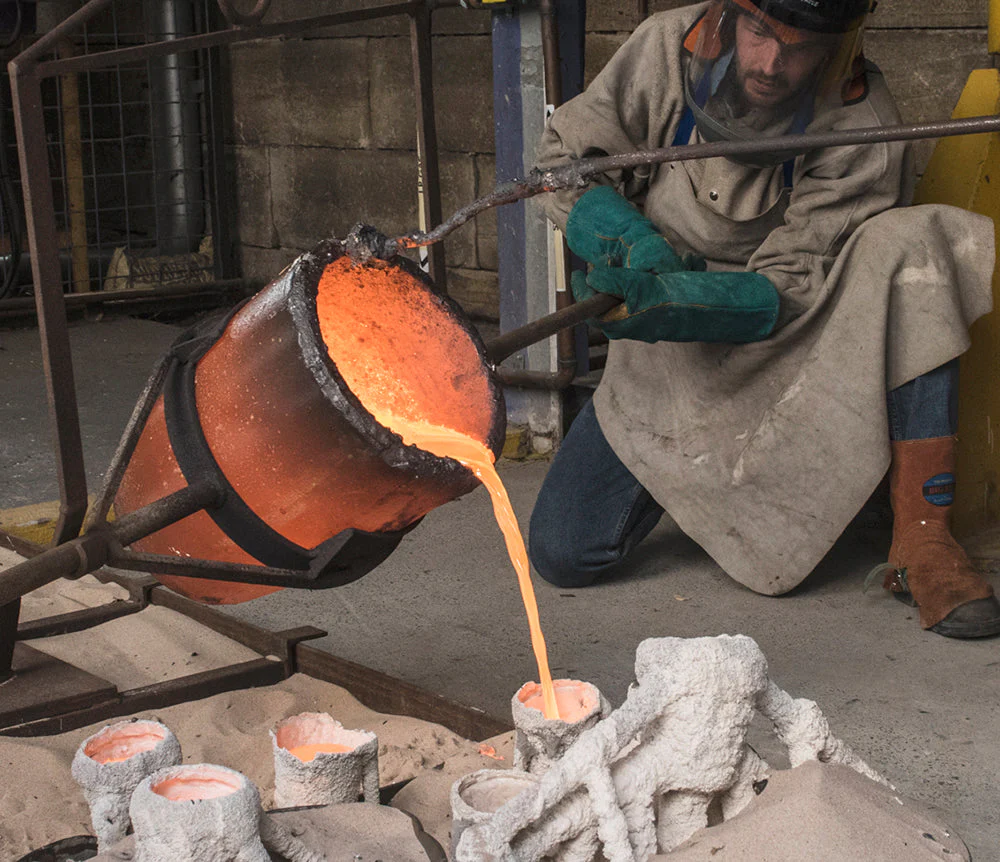
Bronze certainly has its advantages, but it’s worth knowing how it compares to alternative materials such as aluminum, stainless steel, and grey iron.
| Harta benda | Gangsa | Aluminium | Keluli Tahan Karat | Besi Kelabu |
| Rintangan kakisan | Cemerlang | Sederhana | Cemerlang | rendah |
| Aesthetic Appeal | tinggi | Sederhana | Sederhana | rendah |
| Mechanical Strength | Sederhana | Low-Moderate | tinggi | Sederhana |
| Kos | Higher | Lower | Higher | rendah |
| Castability | Cemerlang | Cemerlang | bagus | Cemerlang |
| Marine Suitability | Cemerlang | Fair | Cemerlang | miskin |
| Decorative Suitability | Cemerlang | Sederhana | Fair | miskin |
Limitations of Bronze Casting
Even with all its strengths, however, bronze casting does have some limitations:
- Cost: Bronze tends to be more costly than aluminum and iron.
- Weight: Heavier than aluminum, potentially a weakness in weight-conscious applications.
- Work Hardening: Susceptible to becoming brittle when overworked unless annealed.
- Patina Development: Though commonly desired, the green-blue patina may be viewed as tarnish in certain applications.
When to Select Bronze Casting
You should consider bronze casting when:
- Your piece will be in contact with water or marine conditions.
- Aesthetics and detailed finish are essential.
- Long life and minimal maintenance are required.
- Your design entails metal-on-metal movement (e.g., bushings).
On the other hand, use other materials if:
- Budget is limited.
- High mechanical strength is the most important requirement (use steel).
- Lightweight components are a necessity (use aluminum).
- Environmental and Sustainability Considerations
Bronze is an eco-friendly material:
- Extremely recyclable without compromising quality.
- Recycled bronze is frequently reused in new casting, minimizing the environmental impact.
- Durable nature minimizes the necessity for frequent replacement.
- Case Study: Bronze in Public Art and Marine Fittings
One exemplary application of bronze casting is the myriad bronze sculptures found in public parks globally. These installations stand up to weather conditions and remain intact structurally and aesthetically. Similarly, bronze fittings on luxury boats and naval ships emphasize the metal’s water-resistant nature.
Future Trends in Bronze Casting
Technological progress is challenging bronze casting’s limits:
- 3D-Printed Molds: Enable even more precise and tailored castings.
- Eco-Friendly Alloys: Investigations into tin substitutes and low-lead bronzes are rendering the process more environmentally friendly.
- Digital Prototyping: CAD and simulation software are streamlining bronze component design for performance and economics.
Kesimpulan
Bronze casting presents a very appealing balance of durability, corrosion resistance, and beauty, making it especially well-suited to marine and decorative environments. Though potentially more expensive than other metals, the advantages of bronze often make it well worth the investment, particularly for long-term or decorative projects. Having very good castability, excellent environmental resistance, and timeless aesthetic appeal, bronze is a superior option for manufacturers, designers, and engineers alike.
Rujukan
Davis, J.R. (2001). Tembaga dan Aloi Tembaga. ASM Antarabangsa.
Persatuan Foundry Amerika. (2020). Menghantar Direktori Sumber. Diperoleh daripada https://www.afsinc.org
Totten, G.E. (2006). Handbook of Mechanical Alloy Design. CRC Press.
Callister, W.D. (2007). Sains dan Kejuruteraan Bahan: Satu Pengenalan. Wiley.
Marine Insight. (2019). “Common Marine Engine Problems and Preventive Maintenance.” Retrieved from https://www.marineinsight.com
Davis, J.R. (1996). ASM Specialty Handbook: Copper and Copper Alloys. ASM International.
Schwartz, M.M. (2003). Encyclopedia of Materials, Parts and Finishes. CRC Press.



