


What Are the Advantages of Die Casting for High-Volume Production?
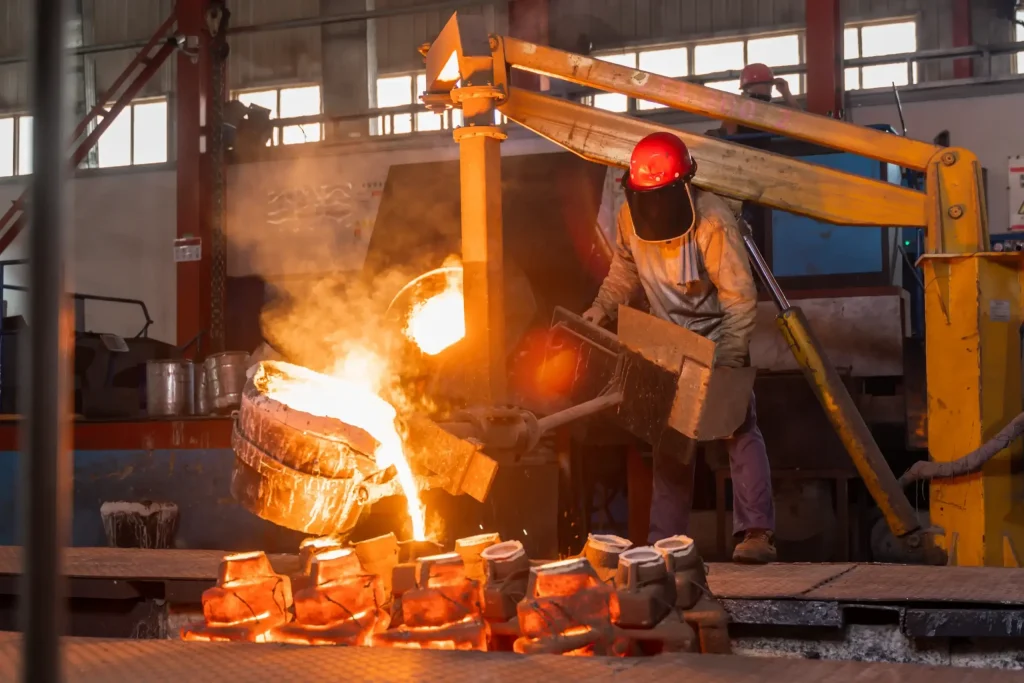
Die casting is an extremely productive manufacturing process that enables the mass production of intricate metal parts with close tolerances and high surface finishes. It is applied across a broad range of industries including the automotive, aerospace, consumer electronics, and machinery industries as a result of its capability to achieve high volumes of components at […]
Why Is Sand Casting Still a Reliable Choice in Modern Manufacturing?

Sand casting, the oldest known metal forming technique, spans thousands of years and has endured that long for a reason. Even with the advent of more technologically superior casting techniques such as investment casting and die casting, sand casting is still commonplace in today’s manufacturing. This process is still a reliable and adaptable method for […]
Which Metal Is Best for Your Casting Project: Aluminum, Steel, or Bronze?
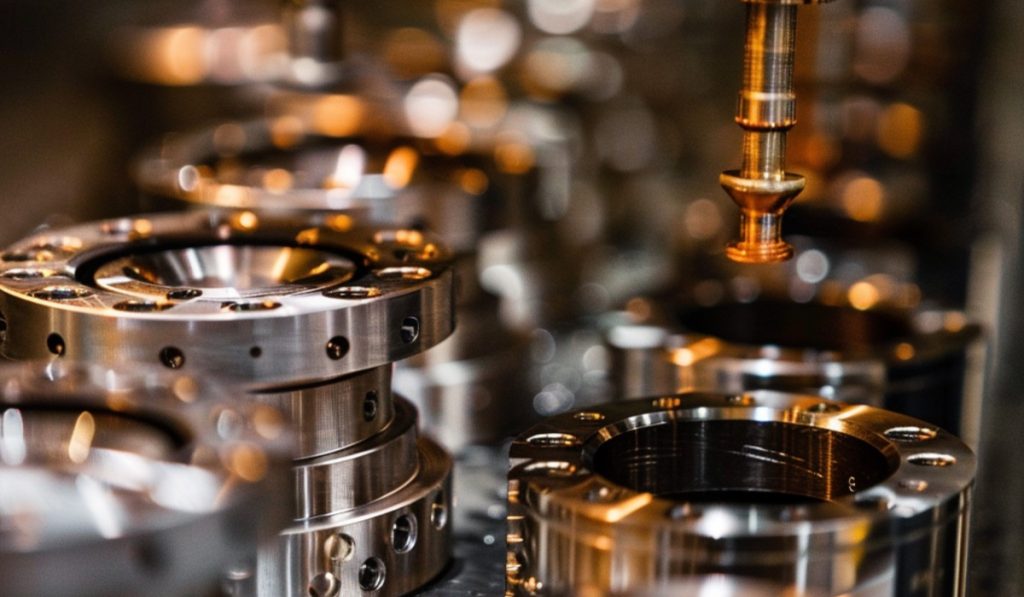
Choosing the right metal for a casting endeavor is among the most important manufacturing decisions. Your choice of metal has a direct impact on the performance, price, appearance, and lifespan of the final product. Aluminum, steel, and bronze are three of the most popular metals used in casting. Each has specific benefits and compromises, which […]
How Do Different Casting Materials Affect Strength, Weight, and Cost?
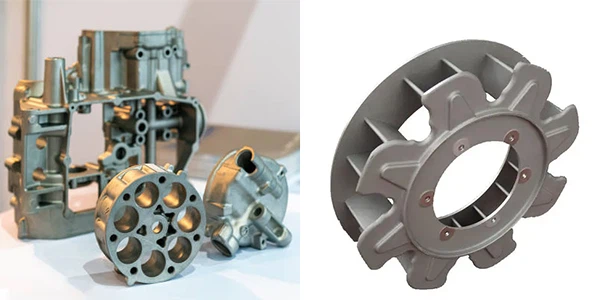
Casting is a pillar of manufacturing, forming the basis of a diverse variety of products, from auto components to building parts. A major determinant in the success of any casting project is the choice of material. Various casting materials like aluminum, steel, bronze, grey iron, and ductile iron have their own characteristics that they offer […]
Is Bronze Casting a Better Option for Decorative or Marine Components
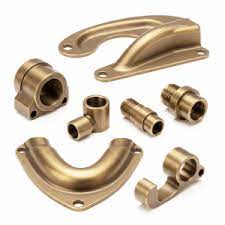
In casting parts for decorative or marine use, the choice of metal is vital to performance, durability, and appearance. Bronze casting, with its rich history spanning centuries and its adaptability, tends to be a favorite. Yet, why is bronze particularly well-suited to these particular applications? This article discusses the merits and disadvantages of bronze casting […]
How Can Custom Casting Improve Product Performance and Efficiency

In the cutthroat manufacturing world, businesses are always on the lookout for how they can improve product performance, cut production costs, and achieve high quality and reliability. Custom casting is one good method of doing this. By adapting the casting process to the unique needs of a product or part, manufacturers can maximize design, material […]
Additive Manufacturing and Casting: A Winning Combination
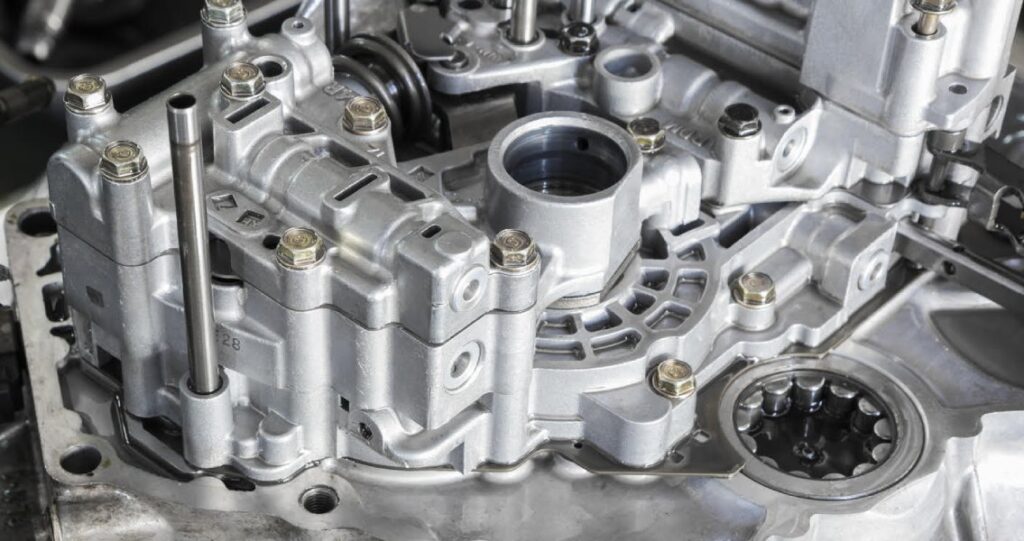
Innovation in the world of manufacturing is often found at the intersection of traditional techniques and modern technologies. A very powerful combination is that of additive manufacturing and casting. Casting has been the backbone of manufacturing for centuries, but additive manufacturing, commonly known as 3D printing, is a relatively new entrant that has redefined how […]
The Role of Simulation Software in Modern Casting Processes

Simulation software has emerged as a game-changer in the casting industry in the dynamic world of manufacturing. It ranges from better quality products to reduced costs of production and lead times. It has changed the way manufacturers approach casting, from mold filling to solidification, where every step of the process can be simulated to identify […]
Understanding Casting Tolerances: Achieving Precision

In manufacturing, precision is always the key. Casting tolerances—the allowable variation in the dimensions of a casting—are crucial in ensuring cast components meet design requirements without losing functionality. The proper understanding of casting tolerances enables manufacturers to optimize their processes, eliminate waste, and produce fit components that will go easily into larger assemblies. Equally important […]
Best Practices for Avoiding Shrinkage and Porosity in Casting

Shrinkage and porosity are among the most common defects in casting of metals, which subsequently degrade structural integrity, performance, and elevate the cost of production. It occurs due to some kinds of voids, appearing within the cast metals in the process of cooling or solidification. Happily, there are certain proven techniques that can reduce such […]