


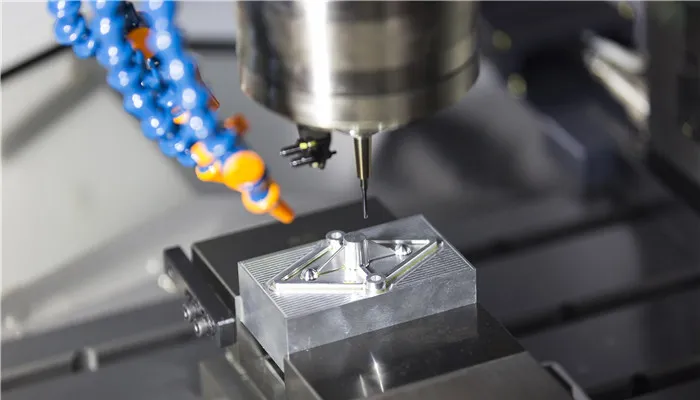
การหล่อโลหะที่มีความแม่นยำ เป็นกระบวนการผลิตที่เชี่ยวชาญเป็นพิเศษโดยผลิตชิ้นส่วนที่ซับซ้อนด้วยความอดทนและคุณภาพที่ดีที่สุด เทคนิคนี้กลายเป็นสิ่งที่ขาดไม่ได้ในอุตสาหกรรมส่วนใหญ่ที่ความแม่นยำ ความทนทาน และประสิทธิภาพเป็นสิ่งสำคัญ รวมถึงอุตสาหกรรมการบินและอวกาศ ยานยนต์ การแพทย์ และการก่อสร้าง บล็อกนี้จะสำรวจว่าการหล่อโลหะที่มีความเที่ยงตรงเป็นอย่างไร เทคนิคที่เกี่ยวข้อง และเหตุใดการหล่อโลหะจึงมีบทบาทสำคัญในการผลิตสมัยใหม่

ทำความเข้าใจเกี่ยวกับการหล่อโลหะที่มีความแม่นยำ
การหล่อที่แม่นยำ is a lost wax casting process. It is also called investment casting which is widely used for producing ferrous and nonferrous metal casting. The lost wax method of Precision casting is suitable for producing castings with complex shapes and high dimensional accuracy.
การหล่อที่แม่นยำ has excellent surface finish and dimensional accuracy. Its product has a net shape or a near-net shape. It can be suitable for low-quantity request orders. Additionally, in both design and material choice of castings, Precision castings have a huge freedom. It allows many types of steel or alloy steel for investment. So, in the casting market, Precision casting is the highest quality casting.
โดยรวม, precision casting represents an overarching category of casting methods focused on achieving high levels of accuracy and detail. By utilizing different approaches, precision casting ensures the production of metal parts that meet stringent quality and performance standards, catering to a wide range of industrial needs.

The Basics of Metal Casting
One of the oldest techniques ever used in manufacturing is การหล่อโลหะ, which dates back thousands of years. Taking a step ahead from the old traditional approach, precision metal casting uses advanced techniques, materials, and technologies to provide a precision that has never been seen before.
Steps for precision casting:
- Designing the Mold: A detailed mold is created using computer-aided design (CAD) software for an accurate design.
- Making the Pattern: Patterns are made of wax, typically resin, and provide shape to the mold.
- Setting up the Mold: Depending on the type of casting, the mold is actually made from materials like sand, ceramic, and metal.
- Pouring Metal: Molten metal is poured into the mold, filling in all the details of the design.
- Allowing Cooling and Solidification: The metal cools and hardens in the shape of the mold.
- Finishing and Inspection: Once the metal is removed from the mold, cleaned, and inspected for defects.

Precision Metal Casting Techniques
Several techniques come under the broad category of precision metal casting, and each technique has its own set of advantages and applications:
1. Investment Casting (Lost-Wax Casting): Investment casting refers to the process where a wax pattern is coated with a layer of ceramic shell. When the shell sets, the wax melts, leaving a cavity for molten metal. This technique has some real advantages in molding complex geometries or thin-walled parts.
2. การหล่อตาย: this uses reusable metal molds. It mainly concentrates on high-volume parts that hold precise dimensions. Commonly used with aluminum, zinc, and magnesium alloys.
3. การหล่อทราย: Though more precise than other methods, it is possible to achieve a great level of detail through advanced sand casting techniques. Sand molds are used for larger components or those requiring lower production volumes.
4. การคัดเลือกนักปั่นป่วน: This process revolves around rotating the mold during the casting of molten metal. This ensures uniform density and lessens defects. It is commonly applied to cylindrical pieces like pipes or gears.
5. การหล่อแม่พิมพ์ถาวร: This process uses permanent molds fabricated from steel or iron and consists of casting the same metal component several times. This makes it a cost-efficient process for mid-to-large production runs.

Advantages of Precision Metal Casting
1. High Accuracy and Intricate Designs: The components produced have tight tolerances and complex geometries that enable the possibility of having designs other methods cannot achieve.
2. Material Versatility: This method accommodates a wide range of metals and alloys, such as aluminum, steel, titanium, and bronze, allowing for tailored solutions based on application requirements.
3. ลดของเสีย: Precise casting reduces material waste since the quantity of metal used is accurate in this process, hence making it an eco-friendly process.
4. Cost Effectiveness: This process reduces the need for high machinability and finishing, hence reducing the overall cost even though the initial tooling may cost more.
5. Consistency of Quality: Recent techniques ensure precision casting to be uniform and reproducible, hence the suitable mode for mass-producing identical parts.
Applications of Precision Metal Casting
So much of the basis for several industries relies on precision metal casting, which provides them with great benefits in creating the most important parts:
1. การบินและอวกาศ: The aerospace industry mainly depends on the precision casting of parts such as turbine blades, engine components, as well as structural components. Such parts are expected to bear extreme temperature conditions and endure severe stress but are lightweight.
2. ยานยนต์: Precision casting in the automobile industry yields high-strength, light components like engine blocks and transmission components, which then result in better performance and fuel efficiency for the vehicle.
3. การแพทย์: Medical professionals employ precision casting to develop surgical instruments, orthopedic implants, and dental devices, where biocompatibility and accuracy are a concern.
4. Power: Precision casting is utilized in the manufacturing of parts for a power plant, including turbine casings and blades, for achieving maximum efficiency and reliability.
5. เครื่องจักรอุตสาหกรรม: Heavy machinery parts, for example, pumps, valves, and gears, are often precision cast for durability and functionality in hostile conditions.

Why Is Precision Metal Casting Critical?
การหล่อโลหะที่มีความแม่นยำ is today considered critical in modern manufacturing due to the following reasons:
1. ประสิทธิภาพที่ดีขึ้น: Given that precision casting involves producing components with great dimensions and material properties, its result is improved performance along with an extended lifespan.
2. Creative Design: Precision casting of highly complex designs that were considered impossible to produce in the past is now possible; it provides innovation for the aerospace, medical, and automotive industries.
3. Cost and Time Savings: Less material waste, minimal machining, and faster production cycles make precision casting a cost-effective manufacturing method.
4. Compliment with Industry Standards: Components for aspects of aerospace and medical industries demand materials that fit into some regulatory standards; precision casting would assure compliance.
5. Sustainability: Being able to minimize waste and utilize recyclable material, precision casting is aligned with the principles of sustainable manufacturing and, therefore, offers environmental benefits.
What Are the Types of Precision Casting? Investment Casting (Lost Wax Casting)
การหล่อการลงทุน is the most traditional and widely used precision casting process. It uses wax molds to make casting patterns, then wraps them with ceramic materials to form shells, and then melts the wax to remove it, leaving a cavity for metal pouring. It is suitable for the production of various metal parts with complex shapes and high precision requirements.
การหล่อปูนปลาสเตอร์
Plaster casting applies to the use of gypsum as a mold material and is used to produce nonferrous metal castings with complex geometries. Specifically, it produces parts from aluminum, magnesium, as well as zinc alloys, owing to the excellent fluidity as well as detail rendering that the gypsum mold offers.
Ceramic shell casting
Ceramic shell casting uses high-temperature resistant ceramic materials as molds and is suitable for precision casting of high-melting-point alloys, such as cobalt-based alloys and nickel-based alloys etc., and is often used to produce turbine blades and engine parts in the aerospace field.
Water Glass Casting
Water glass casting is a precision casting process using water glass, or sodium silicate, as a binder. It is suited to the production of large or middle steel castings. The process has low costs, but the precision and surface finish of castings are better than that of silica sol casting. This process is often applied for mechanical parts and engineering components manufacturing.

Challenges in Precision Metal Casting
Even though precision casting has many benefits, manufacturers have challenges associated with precision metal casting:
- Tooling Costs: The cost for molds and patterns can be very costly for low-volume runs.
- การเลือกใช้วัสดุ: Material selection is critical in ensuring that a metal or alloy chosen fulfills requirements for desired properties and performance.
- การควบคุมคุณภาพ: Castings defect-free require rigorous quality control processes and expertise.
Why is Kbear Metal Your Trusted Partner for Precision Metal Casting?
หากคุณต้องการความน่าเชื่อถือ precision metal casting manufacturer, เลือก เคแบร์ เมทัล! ด้วยความเชี่ยวชาญหลายปีในการนำเสนอโซลูชันการหล่อคุณภาพสูง Kbear Metal รับประกันความแม่นยำ ความทนทาน และนวัตกรรมในทุกผลิตภัณฑ์
Our advanced techniques and strict quality standards make us the ideal partner for industries like aerospace, automotive, medical, and construction. Whether you need intricate designs or robust materials, Kbear Metal has the tools and experience to bring your vision to life. Trust Kbear Medal for excellence in precision metal casting!
ทำไมต้องเลือก Kbare Metal?
รับประกันการส่งมอบตรงเวลา: เรารับประกันการจัดส่งคำสั่งซื้อของคุณตรงเวลาเนื่องจากห่วงโซ่อุปทานที่มีประสิทธิภาพของเรา ซึ่งทำให้มั่นใจได้ว่าโครงการของคุณจะถึงมือตรงเวลา
การตรวจสอบคุณภาพอย่างครอบคลุม: ผ่านการทดสอบคุณภาพอย่างเข้มงวดก่อนจัดส่งเพื่อให้แน่ใจว่าผลิตภัณฑ์ทุกชิ้นเป็นไปตามข้อกำหนดของอุตสาหกรรม
ความโปร่งใสโดยรวม: สำหรับการสั่งซื้อแต่ละครั้ง เราจะจัดทำรายงานการตรวจสอบคุณภาพและรูปภาพการจัดส่งแบบเรียลไทม์เพื่อให้คุณอัปเดตในทุกขั้นตอน
การบริการลูกค้าแบบตัวต่อตัว. ที่บริษัทของเรา เราให้บริการลูกค้าแบบตัวต่อตัว คุณสามารถไว้วางใจเราและมั่นใจได้ว่าเราจะตอบกลับคำขอของคุณเสมอภายในแปดชั่วโมง
บทสรุป
การหล่อโลหะที่มีความแม่นยำ is the backbone of modern manufacturing, allowing for the production of high-quality, intricately detailed parts that meet the requirements of various industries. The capability of precision metal casting to deliver accuracy, versatility, and efficiency also brings it into applications involving performance and reliability. While difficulties may present themselves, the developments in technology and professional knowledge are gradually raising the standard.
Such companies ensure castings that are reliable and experienced manufacturers are collaborating to tap into the best techniques and materials necessary for each business. Precision metal casting is no longer just a process; it is rather the gateway to innovation and excellence in engineering.



