


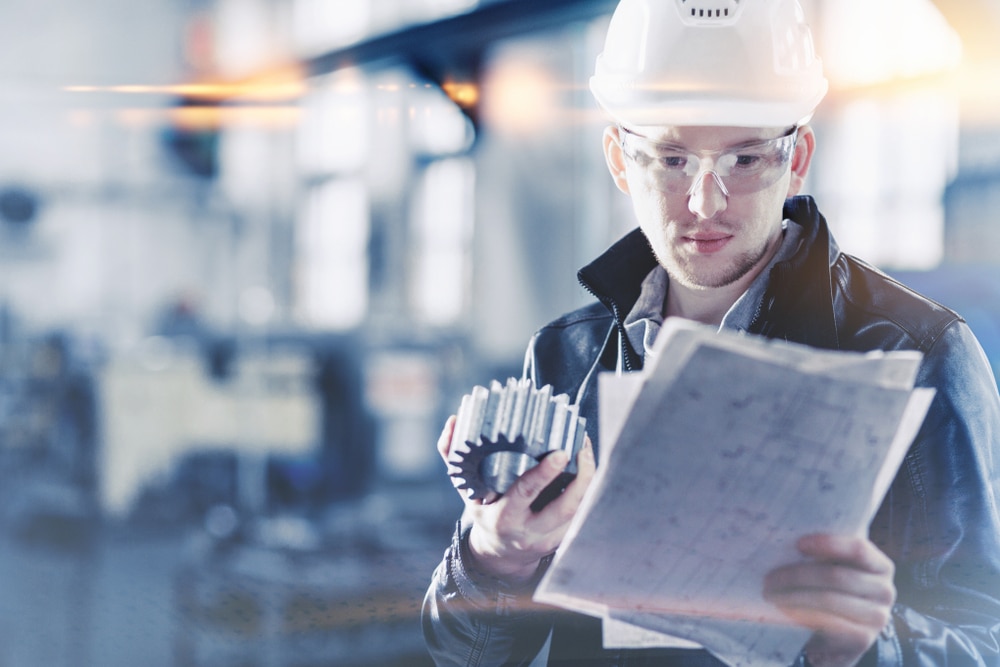
Metal casting is one of the most fundamental processes in manufacturing, producing parts for industries as diverse as automotive, aerospace, and construction. Though casting can be flexible and cost-effective, the quality of the final product is of paramount importance. Quality control in metal casting safeguards the integrity, performance, and safety of cast components and is therefore an integral aspect of the whole production process.
Metal casting is one of the most fundamental processes in manufacturing, producing parts for industries as diverse as automotive, aerospace, and construction. Though casting can be flexible and cost-effective, the quality of the final product is of paramount importance. Quality control in metal casting safeguards the integrity, performance, and safety of cast components and is therefore an integral aspect of the whole production process.
In this blog, we’ll explore why quality control is indispensable in metal casting, the key steps involved, and how it impacts various industries.
What is Metal Casting?
Metal casting is a foundational manufacturing process in which liquid metal is poured into a mold to take its shape as it cools and solidifies. This versatile technique enables the production of complex geometries and large components that would be difficult or expensive to achieve with other methods. Casting is employed across industries such as automotive, aerospace, construction, energy, and consumer electronics, delivering parts ranging from engine blocks and turbine housings to architectural fixtures and fasteners.
Core Concepts
- Melt preparation: The process begins with melting the chosen metal or alloy in a furnace, where precise control of temperature, composition, and cleanliness is essential. Impurities can lead to defects such as inclusions or weak spots, so fluxing, degassing, and proper refining are often necessary.
- Mold design and materials: Molds can be made from sand, ceramic, metal, plaster, or investment patterns, each offering different surface finishes, tolerances, and production rates. The mold defines the part’s external geometry and significantly influences surface quality and dimensional accuracy.
- Filling and solidification: The molten metal is poured or injected into the mold. The way the metal fills, plus how it cools and solidifies, determines the final microstructure, residual stresses, and potential defects like porosity, cold shuts, or shrinkage.
- Post-processing: After casting, parts frequently undergo finishing operations such as machining, grinding, polishing, heat treatment, or coating to meet exact specifications and performance requirements.
Advantages of Metal Casting
- Complex geometries: Can replicate intricate features, internal passages, ribs, and hollow sections that are hard to machine.
- Material efficiency: Uses near-net-shape patterns to minimize material waste and reduce machining time.
- Mass production capability: Suitable for high-volume manufacturing with repeatable quality, especially in processes like die casting.
Common Casting Methods
- Sand casting: Flexible and cost-effective for low to mid-volume parts with complex shapes.
- Investment casting: High precision and excellent surface finish, ideal for small to medium parts with fine details.
- Die casting: High-speed, high-volume production with tight tolerances and smooth surfaces.
- Centrifugal casting: Suitable for cylindrical parts, providing good directional properties and reduced porosity.
- Shell molding and plaster mold casting: Offer better surface finish and dimensional control for specific geometries.
Quality and Process Control
Quality control in metal casting safeguards integrity, performance, and safety. A robust program ensures dimensional accuracy, consistent surface finish, and reliable mechanical properties through:
- In-process inspections: Monitoring temperature, fill rate, and mold condition.
- Material traceability: Documenting batch history, chemical composition, and processing parameters.
- Testing milestones: Melting, pouring, solidification, and finishing stages are evaluated for defects.
- Statistical process control (SPC): Detects drift in parameters and enables timely corrective actions.
- Non-destructive testing (NDT): X-ray, ultrasonic, and dye penetrant testing reveal subsurface or surface flaws without damage.
Why Is Quality Control Essential in Metal Casting?
1. Ensuring Structural Integrity
Casting defects such as porosity, cracks, and inclusions can compromise the structural integrity of a component. Quality control ensures these issues are identified and addressed before the product is used in critical applications.
2. Meeting Industry Standards
There are several industries, such as aerospace and automotive, that have strict safety and performance standards. Quality control ensures that cast components meet these standards, thereby preventing failures and maintaining compliance.
3. Cost Savings
Identifying and correcting defects early in the casting process reduces waste, reduces rework, and ultimately lowers the cost of production.
4. Customer Satisfaction
High-quality castings contribute to better product performance and reliability, thereby generating trust and satisfaction among customers.
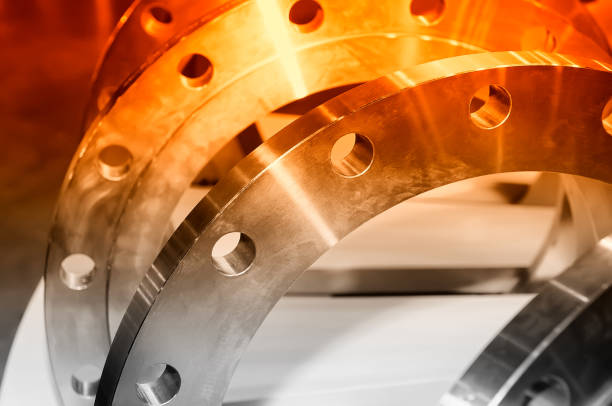
Key Steps in Quality Control for Metal Casting
1. Raw Material Inspection
Quality control begins with the raw materials used. The purity and uniformity of metals and alloys are essential to obtain the required characteristics in the final product.
- Chemical Analysis: Compares raw materials to check their specification.
- Visual Inspection: Reveals impurities or contamination that may hinder the casting process.
2. Mold and Pattern Examination
The quality of the mold or pattern has a direct influence on the finish and the precision of the casting surface.
- Dimensional Checks: Verify that the mold meets design requirements.
- Surface Inspection: Check for defects in the form of textures or inclusions.
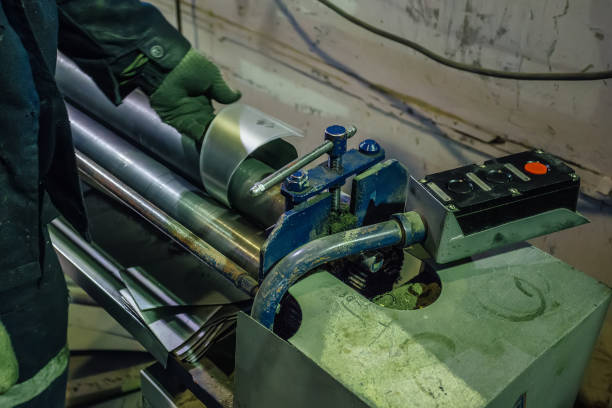
3. Process Monitoring
Casting process needs to be monitored in real-time for uniformity.
- Temperature Control: The molten metal needs to be poured at the right temperature to avoid defects such as cold shuts or misruns.
- Casting Speed: A restricted flow diminishes turbulence and reduces the trapping of gas.
4. Non-Destructive Testing (NDT)
NDT methods assess the quality of cast components without causing damage so that they are suitable for application.
- X-Ray Inspection: Identifies defects inside like holes or cracks.
- Ultrasonic Testing: Reveals flaws in the metal like porosity or inclusion.
- Magnetic Particle Testing: Reveals surface and near-surface irregularities in ferromagnetic material.
5. Dimensional Accuracy Checks
In many applications, precision is of paramount importance, especially in aerospace and medical fields. Quality control ensures that dimensions of cast parts meet specified tolerances using tools like coordinate measuring machines (CMMs).
6. Mechanical Property Testing
Testing mechanical properties of the cast component makes sure that it has the strength of withstanding the operational stresses of service conditions.
- Tensile Testing: Measures strength and ductility.
- Hardness Testing: Assesses resistance to wear and deformation.
- Impact Testing: Assesses energy absorption capabilities under sudden loads.
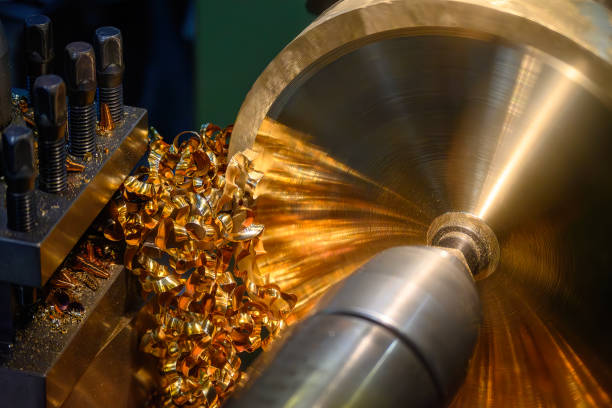
Common Defects in Metal Casting and Their Prevention
Metal casting is a versatile manufacturing process, but it can produce a range of defects that compromise part performance, safety, and appearance. Understanding the primary defects, their root causes, and practical prevention strategies is essential for achieving consistent, high-quality castings. Below is a comprehensive overview of four common defects, followed by actionable prevention techniques.
1. Porosity
- Cause: Porosity arises from gas entrapment during solidification or from shrinkage as the metal cools. Gas sources include moisture in the mold, inadequate venting, improper humidity in core materials, or insufficient degassing of the molten metal. Shrinkage porosity occurs when the metal contracts faster than the feeding system can supply material to the solidifying section.
- Impact: Reduced density leads to diminished mechanical strength, fatigue life, and potential leak paths in pressure-containing parts.
- Prevention:
- Degas the melt using appropriate fluxes, vacuum degassing, or inert-gas bubbling.
- Ensure mold and core materials are dry and free from moisture; use venting to allow escape of trapped gases.
- Optimize feeding systems (risers, feeders, and chills) to control solidification and minimize shrinkage.
- Control pouring temperature and pour rate to minimize turbulence and gas entrapment.
- Maintain mold coatings and surface treatments that minimize gas evolution and improve venting.
2. Cracks
- Cause: Cracks result from uneven cooling, thermal gradients, residual stresses, or excessive mechanical stresses during handling. Rapid cooling can induce tensile stresses at the surface, while slow cooling may cause differential contraction and cracking.
- Impact: Cracks can propagate under service loads, leading to failure, leakage, or catastrophic part loss.
- Prevention:
- Design parts and molds to promote uniform cooling and reduce thermal gradients (use chills, risers, and controlled sections).
- Select mold materials and coatings with compatible thermal expansion and conductivity.
- Implement controlled cooling rates and post-casting heat treatments when appropriate.
- Optimize gating systems to minimize turbulence and hot spots that encourage cracking.
- Conduct thorough process optimization and simulate solidification to identify potential hot spots.
3. Inclusion Defects
- Cause: Non-metallic particles such as slag, oxide films, or sand from cores can become embedded in the molten metal during pouring or solidification.
- Impact: Inclusions act as stress concentrators, reduce toughness, and create weak points that may initiate cracks.
- Prevention:
- Improve melt cleanliness through fluxing, skimming, filtration, and dedicated ladle practices.
- Use properly prepared cores and mold materials, and ensure cores are free of debris.
- Employ filtration systems in the melt stream and refine alloy with appropriate handling to minimize oxide formation.
- Control reaction between metal and mold coatings to prevent oxide skin detachment and inclusion formation.
4. Misruns and Cold Shuts
- Cause: Misruns occur when the mold is not completely filled, often due to insufficient pouring temperature, low pour rate, or inadequate gating design. Cold shuts form when two fronts of molten metal fail to fuse completely due to premature solidification.
- Impact: These defects create incomplete sections and weak points, compromising part integrity.
- Prevention:
- Design gating and runners to ensure smooth, rapid, and complete filling.
- Maintain appropriate molten metal temperature and consistent pouring speed.
- Use runners, feeders, and risers strategically to promote uniform fill and compensate for shrinkage.
- Preheat molds when required and apply suitable venting to prevent gas entrapment that can hinder fill.
Effective prevention hinges on a holistic approach: design for manufacturability, strict melt-cleanliness protocols, well-planned gating and feeding systems, controlled cooling, and rigorous in-process inspection. Implementing quality-control measures, such as process capability studies and non-destructive testing, helps detect defects early and reduce waste. By integrating design, process control, and inspection, manufacturers can minimize common defects and produce castings that meet or exceed performance, durability, and safety requirements.
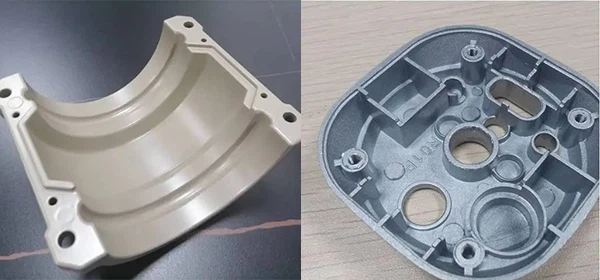
Role of Technology in Quality Control
Quality control in metal casting has undergone a significant transformation with the advancement of technology, which makes it much more efficient and reliable.
1. Simulation Software
Simulation tools in casting predict defects and enable manufacturers to optimize the process before the production stage.
2. Automated Inspection Systems
Automation minimizes human error and makes the inspection faster with more accurate results.
3. Online Monitoring
Sensors and IoT-based devices feed continuous information about the casting, thus keeping quality at an optimal level.
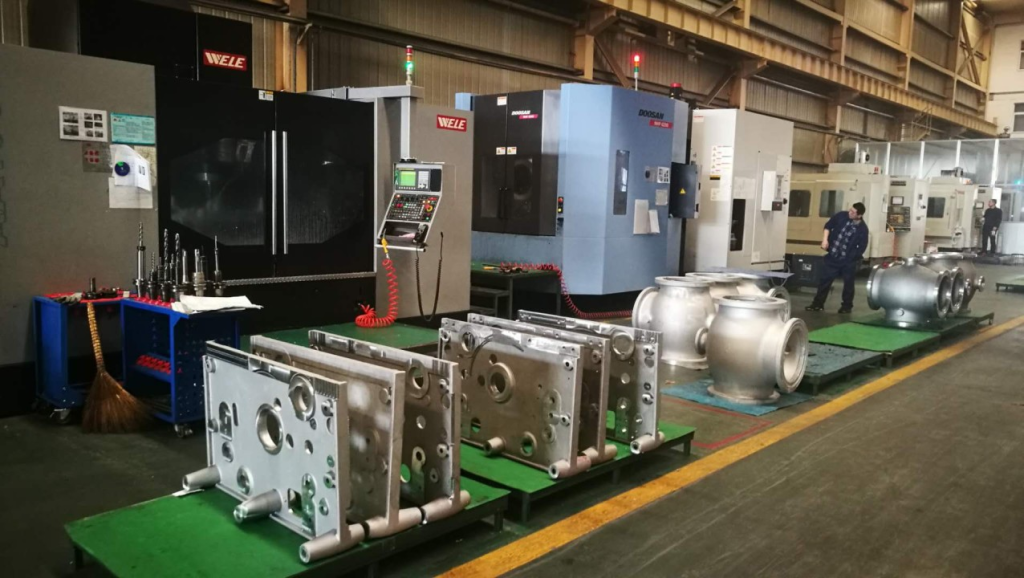
Quality Control Impact on Industries
1. Automotive
Makes safety-critical components such as engine blocks and suspension parts free of defects.
Reduces fuel consumption as light-weight designs are accurate in every detail.
2. Aerospace
Ensures reliability and safety for applications involving maximum stress, such as in the case of turbine blades and structural elements.
Meets strict regulatory requirements for airworthiness.
3. Construction
Delivers robust and defect-free parts for infrastructure projects.
Improves the life of components such as beams and anchors.
4. Medical
Guarantees the safety and accuracy of surgical instruments and implants.
Meets stringent biocompatibility standards.
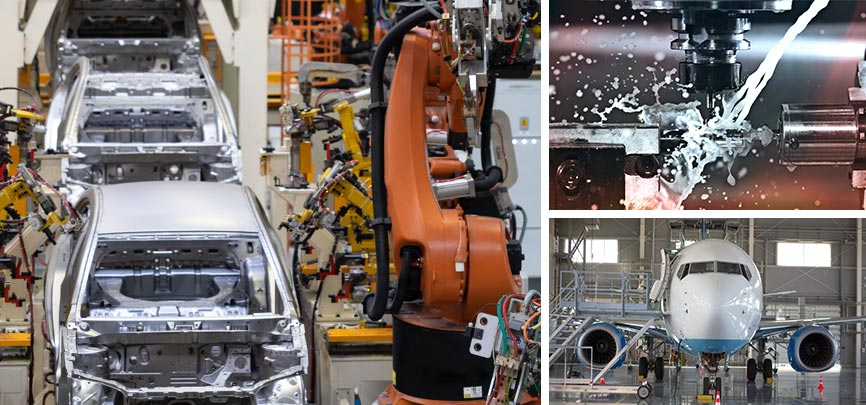
Why Kbear Metal for Your Casting?
At Kbear Metal, we prioritize quality at every step of the casting process. Here’s why we are the ideal partner for your casting projects:
- State-of-the-Art Facilities: The company is equipped with the most advanced technology to ensure high-quality output.
- Experienced Team: Decades of experience in producing high-precision cast components.
- Strict Quality Control: Comprehensive inspection and testing to meet the highest standards.
- Custom Solutions: Casting services tailored to your specific requirements.
- Sustainability: Eco-friendly practices that align with modern manufacturing goals.
Conclusion
The core and backbone of metal casting involve ensuring the cast component would meet demanding standards regarding safety, performance, and reliability. With each process involved from selection of the raw material up to final inspection, every aspect counts in generating quality parts.
Process controls are the heartbeat of consistent quality. Precise melt treatment, degassing, and fluxing reduce inclusions and gas-related porosity. Rigorous temperature management, venting, and controlled pouring rates limit turbulence and the formation of surface defects. Strategic use of chills and insulation tailors cooling rates to optimize grain structure and surface finish. Post-casting operations—machining, grinding, polishing, heat treatment, and coatings—are carefully planned to achieve the target dimensions and surface aesthetics without compromising integrity.
For excellent quality and accuracy in metal casting, get in touch with Kbear Metal today. Talk about your project, and be amazed by the result created by great craftsmanship and intensive quality control.



