


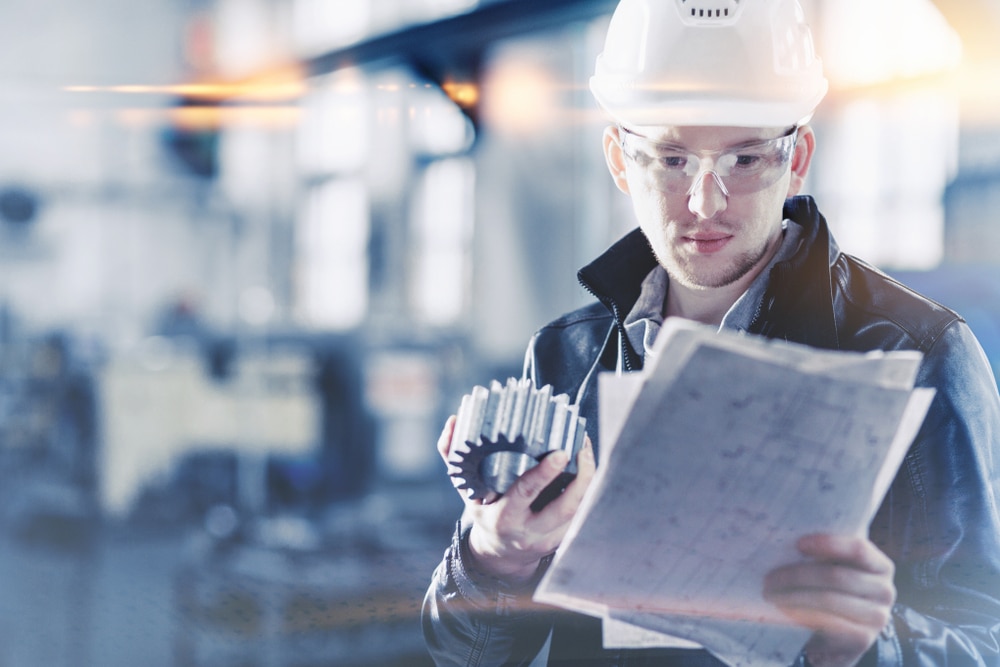
金属 鋳造 製造における最も基本的なプロセスの 1 つであり、自動車、航空宇宙、建設などのさまざまな業界向けの部品を製造します。鋳造は柔軟性とコスト効率に優れていますが、最終製品の品質が最も重要です。金属鋳造における品質管理は、鋳造部品の完全性、性能、安全性を保護するため、生産プロセス全体に不可欠な要素となります。
Metal casting is one of the most fundamental processes in manufacturing, producing parts for industries as diverse as automotive, aerospace, and construction. Though casting can be flexible and cost-effective, the quality of the final product is of paramount importance. Quality control in metal casting safeguards the integrity, performance, and safety of cast components and is therefore an integral aspect of the whole production process.
このブログでは、なぜ金属に品質管理が不可欠なのかを探っていきます。 鋳造、関連する主要な手順、およびそれがさまざまな業界にどのような影響を与えるかについて説明します。
金属鋳造とは何ですか?
Metal casting is a foundational manufacturing process in which liquid metal is poured into a mold to take its shape as it cools and solidifies. This versatile technique enables the production of complex geometries and large components that would be difficult or expensive to achieve with other methods. Casting is employed across industries such as automotive, aerospace, construction, energy, and consumer electronics, delivering parts ranging from engine blocks and turbine housings to architectural fixtures and fasteners.
Core Concepts
- Melt preparation: The process begins with melting the chosen metal or alloy in a furnace, where precise control of temperature, composition, and cleanliness is essential. Impurities can lead to defects such as inclusions or weak spots, so fluxing, degassing, and proper refining are often necessary.
- Mold design and materials: Molds can be made from sand, ceramic, metal, plaster, or investment patterns, each offering different surface finishes, tolerances, and production rates. The mold defines the part’s external geometry and significantly influences surface quality and dimensional accuracy.
- Filling and solidification: The molten metal is poured or injected into the mold. The way the metal fills, plus how it cools and solidifies, determines the final microstructure, residual stresses, and potential defects like porosity, cold shuts, or shrinkage.
- Post-processing: After casting, parts frequently undergo finishing operations such as machining, grinding, polishing, heat treatment, or coating to meet exact specifications and performance requirements.
Advantages of Metal Casting
- Complex geometries: Can replicate intricate features, internal passages, ribs, and hollow sections that are hard to machine.
- Material efficiency: Uses near-net-shape patterns to minimize material waste and reduce machining time.
- Mass production capability: Suitable for high-volume manufacturing with repeatable quality, especially in processes like die casting.
Common Casting Methods
- Sand casting: Flexible and cost-effective for low to mid-volume parts with complex shapes.
- Investment casting: High precision and excellent surface finish, ideal for small to medium parts with fine details.
- Die casting: High-speed, high-volume production with tight tolerances and smooth surfaces.
- Centrifugal casting: Suitable for cylindrical parts, providing good directional properties and reduced porosity.
- Shell molding and plaster mold casting: Offer better surface finish and dimensional control for specific geometries.
Quality and Process Control
Quality control in metal casting safeguards integrity, performance, and safety. A robust program ensures dimensional accuracy, consistent surface finish, and reliable mechanical properties through:
- In-process inspections: Monitoring temperature, fill rate, and mold condition.
- 材料のトレーサビリティ: Documenting batch history, chemical composition, and processing parameters.
- Testing milestones: Melting, pouring, solidification, and finishing stages are evaluated for defects.
- Statistical process control (SPC): Detects drift in parameters and enables timely corrective actions.
- Non-destructive testing (NDT): X-ray, ultrasonic, and dye penetrant testing reveal subsurface or surface flaws without damage.
金属鋳造において品質管理が重要なのはなぜですか?
1. 構造的完全性の確保
鋳造 多孔性、亀裂、介在物などの欠陥は、コンポーネントの構造的完全性を損なう可能性があります。品質管理により、製品が重要な用途に使用される前に、これらの問題が特定され、対処されることが保証されます。
2. 業界標準への適合
There are several industries, such as aerospace and automotive, that have strict safety and performance standards. Quality control ensures that cast components meet these standards, thereby preventing failures and maintaining compliance.
3. コスト削減
初期段階で欠陥を特定して修正する 鋳造 このプロセスにより無駄が削減され、やり直しが減り、最終的には生産コストが削減されます。
4. 顧客満足度
High-quality castings contribute to better product performance and reliability, thereby generating trust and satisfaction among customers.
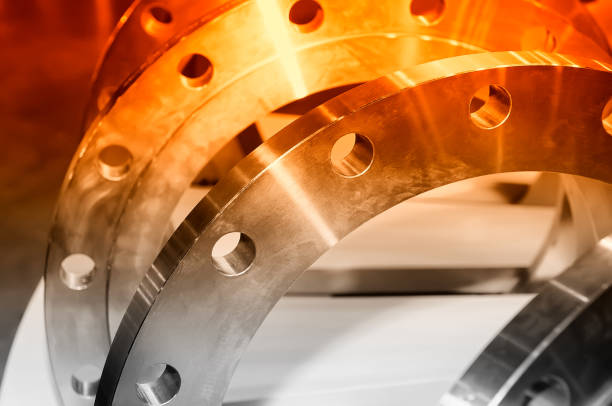
金属鋳造の品質管理の主要なステップ
1. 原材料の検査
品質管理は使用する原材料から始まります。最終製品に必要な特性を得るには、金属と合金の純度と均一性が不可欠です。
- 化学分析: 原材料を比較して仕様を確認します。
- 目視検査: 鋳造プロセスを妨げる可能性のある不純物や汚染を明らかにします。
2. 金型とパターンの検査
型やパターンの品質は、鋳肌の仕上がりや精度に直接影響します。
- 寸法チェック: 金型が設計要件を満たしていることを確認します。
- 表面検査: テクスチャや介在物の形で欠陥がないか確認します。
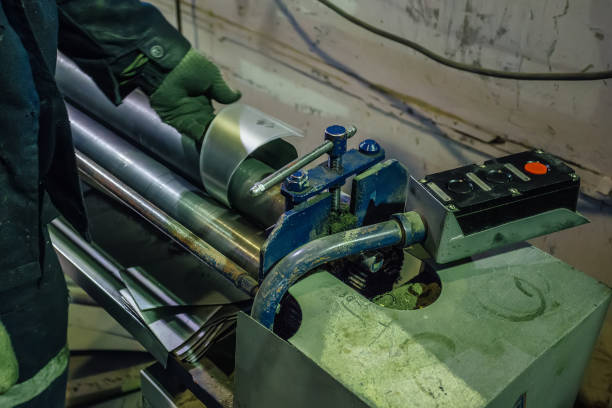
3. プロセス監視
鋳造プロセスの均一性をリアルタイムで監視する必要があります。
- 温度制御: コールドシャットやミスランなどの欠陥を避けるために、溶融金属は適切な温度で注がれる必要があります。
- キャスト速度: 制限された流れにより乱流が減少し、ガスの閉じ込めが減少します。
4. 非破壊検査 (NDT)
NDT 法では、鋳造部品が損傷を与えることなく品質を評価し、用途に適しているかどうかを判断します。
- X線検査:穴や亀裂などの内部の欠陥を特定します。
- 超音波検査: 多孔性や介在物などの金属の欠陥を明らかにします。
- 磁性粒子試験: 強磁性材料の表面および表面近くの凹凸を明らかにします。
5. 寸法精度の確認
多くの用途、特に航空宇宙分野や医療分野では、精度が最も重要です。品質管理では、三次元測定機 (CMM) などのツールを使用して、鋳造部品の寸法が指定された公差を満たしていることを確認します。
6. 機械的特性試験
鋳造コンポーネントの機械的特性をテストすることで、使用条件の動作ストレスに耐える強度があることが確認されます。
- 引張試験: 強度と延性を測定します。
- 硬度試験: 耐摩耗性と変形性を評価します。
- 衝撃試験: 突然の荷重下でのエネルギー吸収能力を評価します。
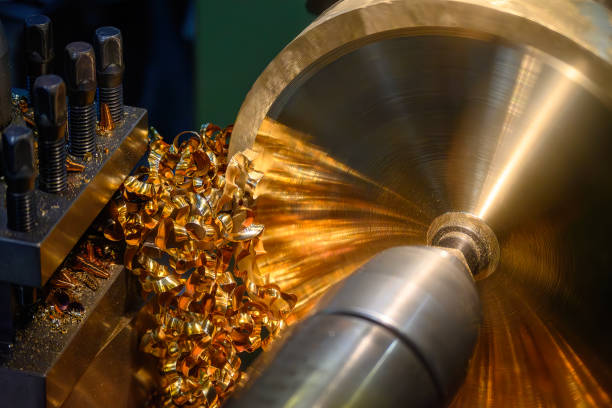
金属鋳造における一般的な欠陥とその防止
Metal casting is a versatile manufacturing process, but it can produce a range of defects that compromise part performance, safety, and appearance. Understanding the primary defects, their root causes, and practical prevention strategies is essential for achieving consistent, high-quality castings. Below is a comprehensive overview of four common defects, followed by actionable prevention techniques.
1. 気孔率
- Cause: Porosity arises from gas entrapment during solidification or from shrinkage as the metal cools. Gas sources include moisture in the mold, inadequate venting, improper humidity in core materials, or insufficient degassing of the molten metal. Shrinkage porosity occurs when the metal contracts faster than the feeding system can supply material to the solidifying section.
- Impact: Reduced density leads to diminished mechanical strength, fatigue life, and potential leak paths in pressure-containing parts.
- Prevention:
- Degas the melt using appropriate fluxes, vacuum degassing, or inert-gas bubbling.
- Ensure mold and core materials are dry and free from moisture; use venting to allow escape of trapped gases.
- Optimize feeding systems (risers, feeders, and chills) to control solidification and minimize shrinkage.
- Control pouring temperature and pour rate to minimize turbulence and gas entrapment.
- Maintain mold coatings and surface treatments that minimize gas evolution and improve venting.
2.ひび割れ
- Cause: Cracks result from uneven cooling, thermal gradients, residual stresses, or excessive mechanical stresses during handling. Rapid cooling can induce tensile stresses at the surface, while slow cooling may cause differential contraction and cracking.
- Impact: Cracks can propagate under service loads, leading to failure, leakage, or catastrophic part loss.
- Prevention:
- Design parts and molds to promote uniform cooling and reduce thermal gradients (use chills, risers, and controlled sections).
- Select mold materials and coatings with compatible thermal expansion and conductivity.
- Implement controlled cooling rates and post-casting heat treatments when appropriate.
- Optimize gating systems to minimize turbulence and hot spots that encourage cracking.
- Conduct thorough process optimization and simulate solidification to identify potential hot spots.
3. 介在物欠陥
- Cause: Non-metallic particles such as slag, oxide films, or sand from cores can become embedded in the molten metal during pouring or solidification.
- Impact: Inclusions act as stress concentrators, reduce toughness, and create weak points that may initiate cracks.
- Prevention:
- Improve melt cleanliness through fluxing, skimming, filtration, and dedicated ladle practices.
- Use properly prepared cores and mold materials, and ensure cores are free of debris.
- Employ filtration systems in the melt stream and refine alloy with appropriate handling to minimize oxide formation.
- Control reaction between metal and mold coatings to prevent oxide skin detachment and inclusion formation.
4. ミスランとコールドシャット
- 原因: ミスランは、金型が完全に充填されていないときに発生します。多くの場合、不十分な注入温度、低い注入速度、または不適切なゲート設計が原因です。コールド シャットは、溶融金属の 2 つのフロントが早期凝固により完全に融合できないときに形成されます。
- 影響: これらの欠陥により不完全なセクションや弱点が生じ、部品の完全性が損なわれます。
- Prevention:
- スムーズかつ迅速かつ完全な充填を保証するために、ゲートとランナーを設計します。
- 適切な溶湯温度と一定の注湯速度を維持します。
- ランナー、フィーダー、ライザーを戦略的に使用して、均一な充填を促進し、収縮を補正します。
- 必要に応じて金型を予熱し、充填を妨げる可能性のあるガスの閉じ込めを防ぐために適切な通気を行ってください。
効果的な予防は、製造性を重視した設計、厳密な溶融物の清浄度プロトコル、よく計画されたゲートおよび供給システム、制御された冷却、および厳格な工程内検査といった総合的なアプローチにかかっています。プロセス能力調査や非破壊検査などの品質管理措置を導入すると、欠陥を早期に検出し、無駄を削減できます。設計、プロセス制御、検査を統合することで、メーカーは一般的な欠陥を最小限に抑え、性能、耐久性、安全性の要件を満たすかそれを超える鋳物を生産できます。
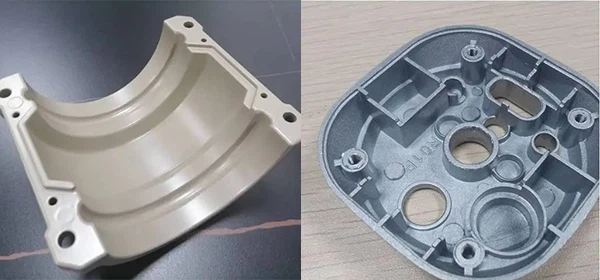
品質管理におけるテクノロジーの役割
金属鋳造の品質管理は技術の進歩により大幅に変化し、効率と信頼性が大幅に向上しました。
1. シミュレーションソフトウェア
鋳造におけるシミュレーション ツールにより欠陥が予測され、製造段階前にメーカーがプロセスを最適化できるようになります。
2. 自動検査システム
自動化により人的エラーが最小限に抑えられ、検査が迅速化され、より正確な結果が得られます。
3. オンラインモニタリング
センサーと IoT ベースのデバイスは、鋳造に関する情報を継続的に提供し、品質を最適なレベルに保ちます。
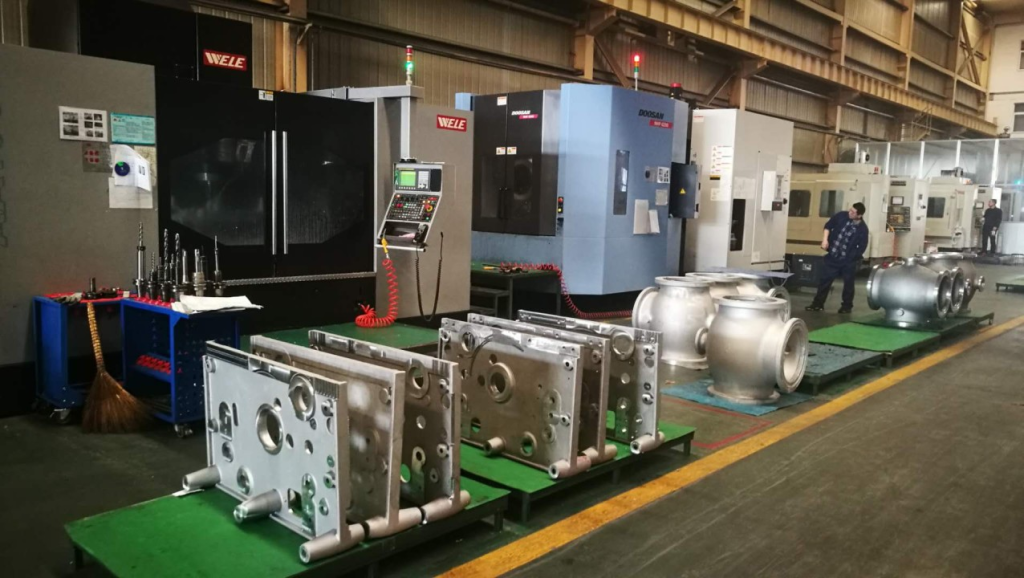
品質管理が業界に与える影響
1.自動車
エンジンブロックやサスペンション部品などの安全性が重要なコンポーネントを欠陥から守ります。
細部まで精密に設計された軽量設計により、燃料消費量を削減します。
2. 航空宇宙
タービンブレードや構造要素など、最大応力がかかる用途の信頼性と安全性を確保します。
耐空性に関する厳しい規制要件を満たしています。
3. 建設
Delivers robust and defect-free parts for infrastructure projects.
Improves the life of components such as beams and anchors.
4. 医療
Guarantees the safety and accuracy of surgical instruments and implants.
Meets stringent biocompatibility standards.
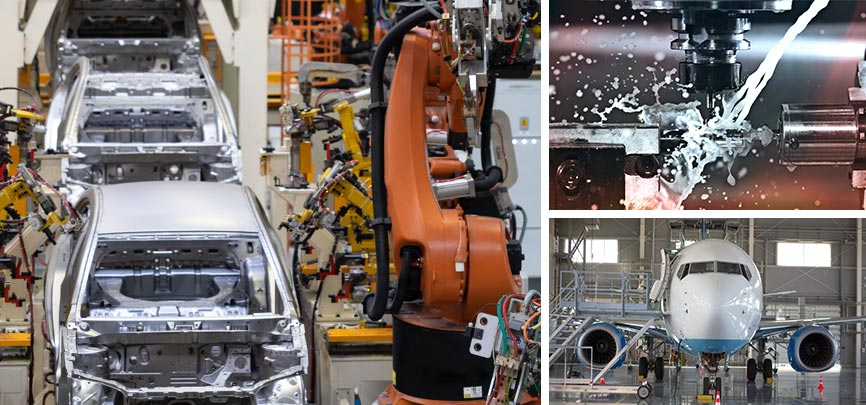
なぜ Kベアメタル あなたのキャスティングのために?
で Kベアメタル、私たちは鋳造プロセスのあらゆる段階で品質を優先します。当社が貴社のキャスティング プロジェクトにとって理想的なパートナーである理由は次のとおりです。
- 最先端の設備: 当社は、高品質の出力を保証するための最先端のテクノロジーを備えています。
- 経験豊富なチーム: 高精度の鋳造コンポーネントの製造における数十年の経験。
- 厳格な品質管理: 最高基準を満たすための包括的な検査とテスト。
- カスタム ソリューション: 鋳造 お客様の特定の要件に合わせたサービスを提供します。
- 持続可能性: 現代の製造目標に沿った環境に優しい実践。
結論
金属の芯と骨格 鋳造 鋳造コンポーネントが安全性、性能、信頼性に関する厳しい基準を満たしていることを確認することが含まれます。原材料の選択から最終検査までの各プロセスが、高品質の部品を生み出すために重要です。
Process controls are the heartbeat of consistent quality. Precise melt treatment, degassing, and fluxing reduce inclusions and gas-related porosity. Rigorous temperature management, venting, and controlled pouring rates limit turbulence and the formation of surface defects. Strategic use of chills and insulation tailors cooling rates to optimize grain structure and surface finish. Post-casting operations—machining, grinding, polishing, heat treatment, and coatings—are carefully planned to achieve the target dimensions and surface aesthetics without compromising integrity.
金属の優れた品質と精度を実現 鋳造、連絡してください Kbear メタ今日は。あなたのプロジェクトについて話し、素晴らしい職人技と徹底的な品質管理によって生み出された結果に驚かれてください。



