


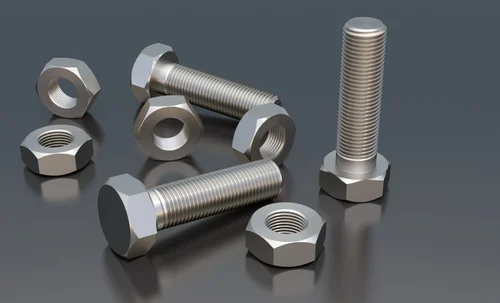
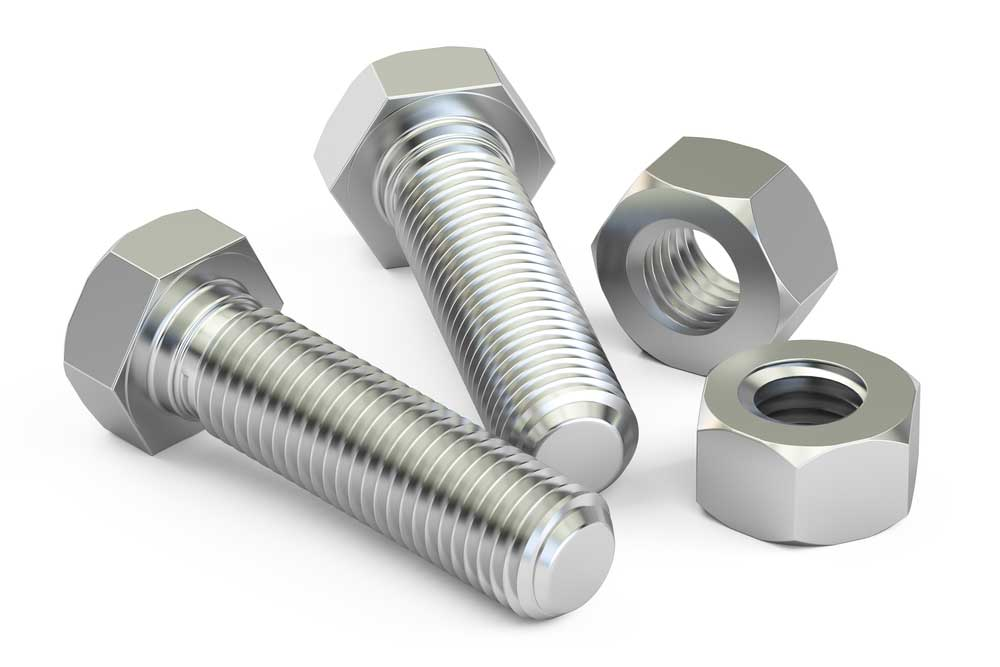
ファスナー are fundamental devices that share a common function of joining and securing two materials. Bolts are externally threaded fasteners with greater holding strength than common screws. At the same time, nuts are internally threaded to mate with bolts in assembly and provide a greater grip on fastened objects.
ファスナーは、複数の素材またはオブジェクトを機械的に結合するハードウェア部品です。種類には、ボルト、ネジ、アンカー、リベット、釘、スパイク、ステープルなどがあり、機械的摩擦や別の留め具を使用して材料を固定します。ナット、ピン、安全ロック ワイヤー、止め輪は、これらの留め具を所定の位置に固定するのに役立ちます。スペーサー、スタンドオフ、ワッシャー、シム、およびシムストックは、損傷を防ぐために正しい間隔と位置を確保します。
What Are Nuts?
A nut is a non-permanent ファスナー physically different from other threaded components because of its internal threading in the hole. The primary function of nuts is to mate with bolts to enhance the capacity and tightening of the assembly. And just like the usual industrial fasteners, nuts have a variety of types, sizes, shapes, and thread patterns to match the external threading of bolts or screws.
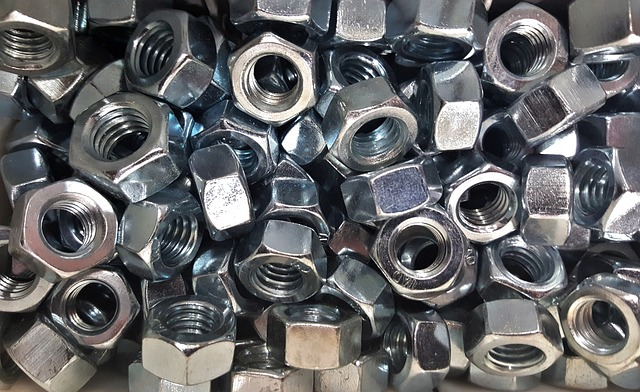
Types of Nuts
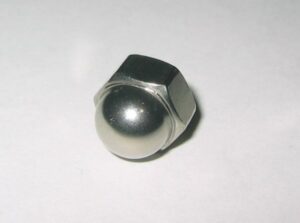
Nuts are essential fastening components used in conjunction with bolts to secure materials. Among the various types, cap nuts are distinguished by their domed ends. These nuts come in different names, including acorn nut, dome nut, blind nut, domed cap nut、 そして crown hex nut—all referring to similar hardware with a rounded, enclosed top. The primary function of the domed end is to protect the exposed bolt threads from damage, dirt, and moisture, which helps prevent corrosion and extends the life of the fastener. This protective feature also enhances safety by eliminating sharp thread edges, reducing the risk of injury or snagging.
袋ナットは、家具、自動車部品、遊具など、見た目や安全性が重視される用途に広く使用されています。さまざまな素材で入手できます。 ステンレス鋼、真鍮、プラスチック、 そして 炭素鋼、耐久性と耐食性を高めるためにクロムまたは亜鉛メッキで仕上げることができます。
袋ナット以外にも、用途に応じてさまざまな種類のナットが使用されています。 六角ナット、蝶ナット、ロックナット、フランジナット、 そして Tナット、それぞれがさまざまな産業および建設現場で独自の機能を果たします。適切なナット タイプを選択することは、構造の完全性と性能にとって不可欠です。
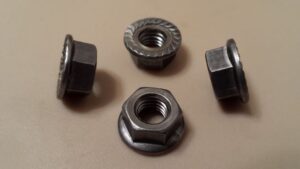
フランジナット are also known as collar nuts. This type of nut is usually used in vehicles. The nut has a wide flange in one end that acts as an integrated washer to distribute the pressure on the surface of materials.
Lock Nuts are a general type of locking nuts that are designed to prevent the loosening of the assembly due to vibrations.
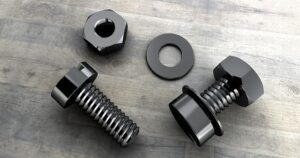
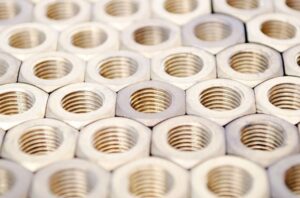
六角ナット comprise various sub-types, usually with hex bolts or hex cap screws.
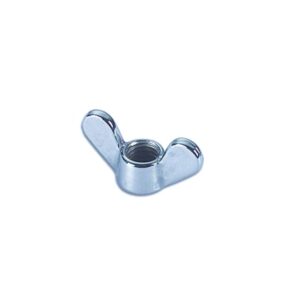
Wing Nuts are also called butterfly nuts, with two large “wings” on each side. They are twisted together to tighten and prevent the loosening of the connected objects.
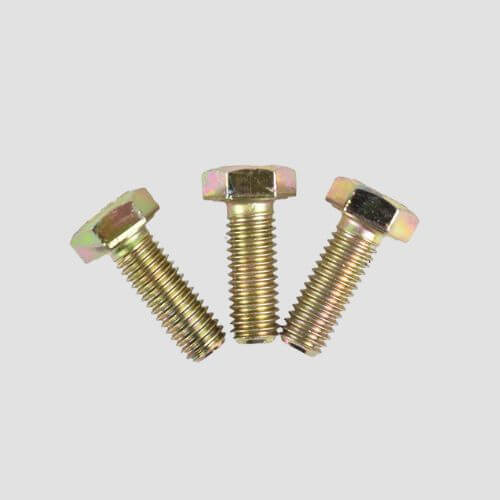
What are bolts?
ボルト are a general type of screw with greater capabilities in terms of strength in the hold. They require a connecting device like nuts and washers for installation. They can have fully or partially threaded shafts, various types of heads, and different shapes or sizes.
Types of Bolts
Bolts are essential fasteners used in a wide range of construction, mechanical, and structural applications. Designed to hold materials together securely, bolts work in tandem with nuts and washers to create strong, reliable joints. They come in many shapes, sizes, and designs, each tailored to specific requirements such as load strength, environmental conditions, and the type of materials being fastened. From heavy-duty structural bolts used in steel frameworks to precision machine bolts found in engines and electronics, each type serves a unique purpose. Understanding the different types of bolts—and their specific features and applications—is crucial for selecting the right fastener for any project.
キャリッジボルト are distinctive fasteners recognized by their smooth, domed head and a square section directly beneath it. This square portion locks into place when inserted into a square hole or driven into wood, preventing the bolt from turning as the nut is tightened. Typically used in wood-to-wood or wood-to-metal connections, carriage bolts are ideal for applications such as deck construction, fencing, and furniture assembly. They are also sometimes used in masonry when combined with appropriate anchors. The rounded head provides a clean, finished appearance and eliminates sharp edges, making them a safe and aesthetically pleasing choice for exposed surfaces.
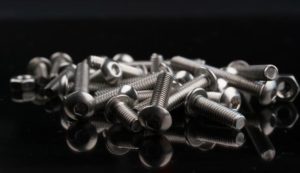
Flange bolts are specialized fasteners that feature a built-in washer-like flange beneath the hexagonal head. This flange head design helps to evenly distribute the load over a larger surface area, reducing the need for a separate washer and minimizing the risk of damage to the connected materials. The broader contact area also enhances grip and prevents loosening due to vibration, making flange bolts especially useful in automotive, machinery, and heavy equipment applications. Available in various sizes and materials, flange bolts provide both strength and convenience, making them a preferred choice for high-stress fastening tasks.
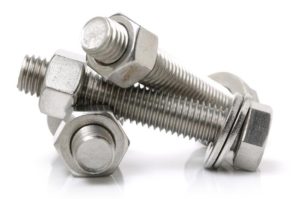
六角ボルト are one of the most commonly used types of bolts, easily recognized by their six-sided (hexagonal) heads. They are designed for use with a wrench or socket, allowing for easy installation and removal. Hex bolts are widely available in both imperial and metric sizes, with metric diameters being particularly common in global manufacturing and construction. Known for their strength and versatility, hex bolts are used in a variety of applications, including steel fabrication, machinery, construction projects、 そして automotive repairs. They are available in different materials and finishes, such as stainless steel, zinc-plated steel, and carbon steel, to suit various environmental and load conditions.
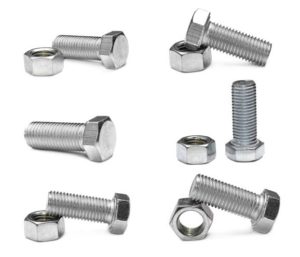
スタッドボルト is also a double-head screw that composes of external threads on both ends.
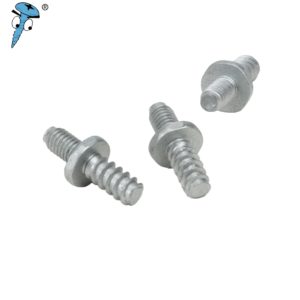
Additional Types, such as custom fastener screws and bolts, are variations of specified characters or features depending on their manufacturing.
The classic difference between bolts and screws
Bolts and screws are the two types of ファスナー that are typically debated in terms of capabilities and reliability, yet they have distinct classifications that can be differentiated from each other.
| ボルト | ネジ |
| Requires pre-matched devices like nuts and washers to function fully | Can function without mating fasteners |
| More reliable in critical applications | Usually used in simple assembly like wood applications and DIY |
| Diverse range of types, sizes, and shapes | have common types of fasteners in diameter |
| Have a spiral thread structure | Have a helical structure of threads |
| Non-tapered | テーパード |
| Can be installed using wrenches and an electrical drill | Can be installed using a manual tool like a screwdriver and electrical tools or drills |
Moreover, bolts can come in different variations and quality that fit industrial and mechanical applications, while screws are widely used in DIY projects like woodworking, wood to metal, and others. Suppose you are still confused about which fastener to use. In that case, you may seek professional help from a reliable fastener manufacturer to ensure you will have accurate products for your assembly.
Why are nuts needed in bolts?
It is known to many that bolts are mostly preferred for a greater extent of strength in joining materials, yet they cannot function without a mating fastener like nuts and washers.
Nuts are engineered to fit bolts’ external threads, creating a tighter joint. They also prevent the loosening of the assembly due to vibrations, force, tension, and torque. There are different types of nuts; each type proposes a shared function that secures the bolts in place and is commonly used in automotive, machinery, chemical plants, energy plants, aerospace, and more industries.
Common uses for bolts and nuts
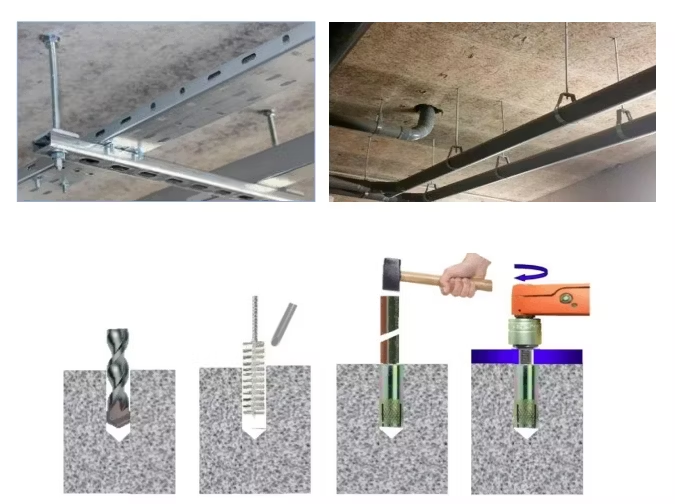
Construction, Infrastructures, Buildings, etc. Examples of uses of bolts are; scaffoldings in buildings that usually need a secured support structure, construction projects, roofing, bridges, railways, docks, and more.
Machinery, engine assembly, and automotive. Some of the common applications of bolt and nut assembly are engines of trucks, trains, agriculture machinery, military trucks and equipment, cars, airplanes, and others.
Power generation, chemical plants, water and waste management, and piping. Bolts designed to withstand extreme environments – involving chemicals, temperature, natural corrosive elements, etc., feature a high performance of resistance and durability.
Electronic systems and manufacturing. Fastener bolts are engineered to have corrosion resistance, including electromagnetic elements that may cause damage and failure, as well as to perform in manufacturing plants or factories.
結論
Many factors contribute to the functionality of bolts and nuts assembly, but the most important aspect to remember is the correct choice of a ファスナー for the kind of application. The components are known to have high quality and performance with a wide range of properties that can be modified accordingly to specifications. The essential elements of fasteners are known as the size, material, shape, and finishing to improve aesthetics or increase strength and corrosion resistance.
A One-Stop Fastener Supplier and Fastener Expert
In the thriving world of today’s generation, thousands of developments are occurring in different industries and sectors that require fastening with secured components. Kbear Metal has extensive knowledge and expertise to facilitate your fastener needs. With a diverse range of standard and non-standard fastener manufacturing for over 30 years, the company ensures to meet the expectations and specifications in screws, bolts, nuts, pins, nails, washers, and other industrial commodities.
KBベアメタル は、1989 年以来、標準およびカスタムのファスナー サプライヤーを提供している高品質のナットとボルトのファスナー メーカーです。当社は、鋼、ステンレス鋼、真鍮、シリコン ブロンズ、ハステロイ、インコネル、モネル、アルミニウム、合金 20、17-4PH、17-7PH、チタン、およびその他の非鉄金属などの材料の標準およびメートル ファスナーを幅広く提供しています。当社は 100,000 種類を超えるさまざまなファスナー部品を供給しています。



