


Casting plays a very important role in the fabrication of metals, which results in the production of complex shapes and durable components for diverse industries. However, there is no manufacturing process which can prevent certain defects. Defects appear in casting due to inadequate techniques, material irregularity, or equipment problems and may affect the quality as well as functionality of the final product. This blog explores some of the common defects that occur in casting and their causes along with easy ways to avoid them.
What Are Casting Defects?
Casting defects are imperfections that occur during the casting process, which make the product imperfect. Such defects include surface blemishes or internal weaknesses, which render the part structurally inadequate. Understanding these defects from their root cause is a way of ensuring minimal wastage, good quality, and efficiency in production.
These defects can affect the appearance, strength, durability, and functionality of the final product, potentially leading to failure in critical applications. Common casting defects include porosity, cracks, shrinkage, misruns, cold shuts, and surface irregularities. They typically arise from issues in material selection, mold design, pouring techniques, cooling rates, or handling processes. Understanding the causes and types of casting defects is essential for implementing effective quality control measures and ensuring the production of reliable, high-performance components across industries such as automotive, aerospace, construction, and marine engineering.
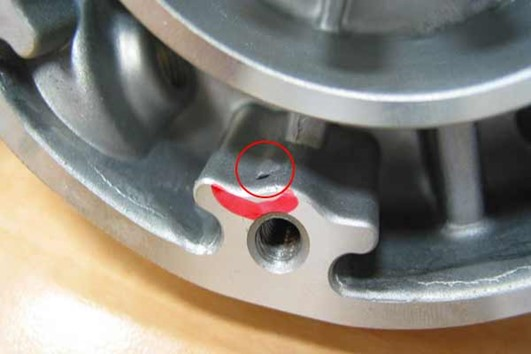
1. Porosity
What It Is:
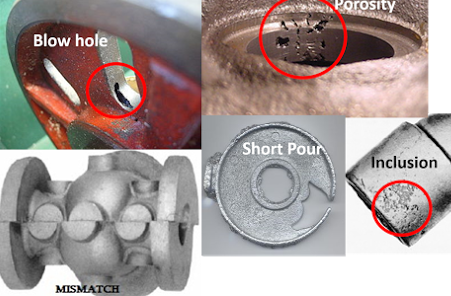
Porosity is one of the most common casting defects, characterized by small voids or air pockets within the cast material. These voids can occur on the surface or inside the component and are typically caused by trapped gases, improper venting of molds, or excessive moisture in the material. Porosity weakens the structural integrity of the casting, reduces its load-bearing capacity, and can lead to premature failure under stress.
Preventing porosity involves proper mold design, adequate venting, controlled pouring techniques, and the use of degassing methods for metals and other liquid materials. Ensuring the material is properly prepared and free from contaminants also helps minimize the occurrence of this defect. Addressing porosity is essential to maintain durability, reliability, and overall quality in cast components.
Causes:
- Gas entrapment resulting from inadequate degassing.
- Shrinkage of the metal as it cools and solidifies.
- Poor mold design that traps air
How to Prevent It:
- Use degassing agents to remove dissolved gases.
- Design molds with proper venting to allow gases to escape.
- Optimize cooling rates to reduce shrinkage.
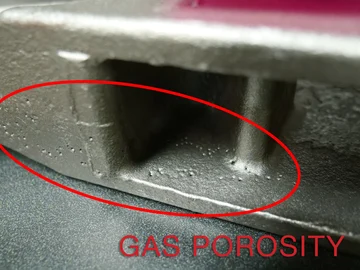
2. Cold Shuts
What It Is:
Cold shuts are defects where two streams of molten metal do not weld completely, leaving a visible line or seam.
Causes:
- Insufficient pouring temperature.
- Poor gating system design.
- Premature solidification of the metal.
How to Avoid It:
- The molten metal must be at the correct pouring temperature.
- Use a well-designed gating system for smooth flow of metal.
- Turbulence during pouring must be minimized.
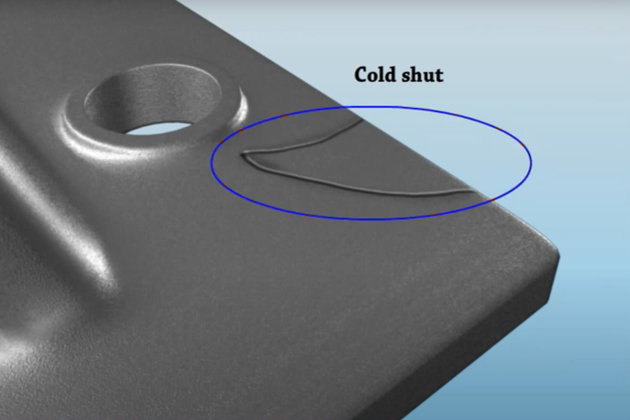
3. Shrinkage Defects
What It Is:
Shrinkage defects are voids or cavities that form as the metal solidifies and contracts.
Causes:
- Insufficient material to make up for solidification shrinkage.
- Poor riser design.
- High cooling rates.
How to Avoid It:
- Design risers to feed liquid metal into shrinking areas.
- Apply chills to regulate cooling rates in certain areas.
- Allow sufficient time for solidification.
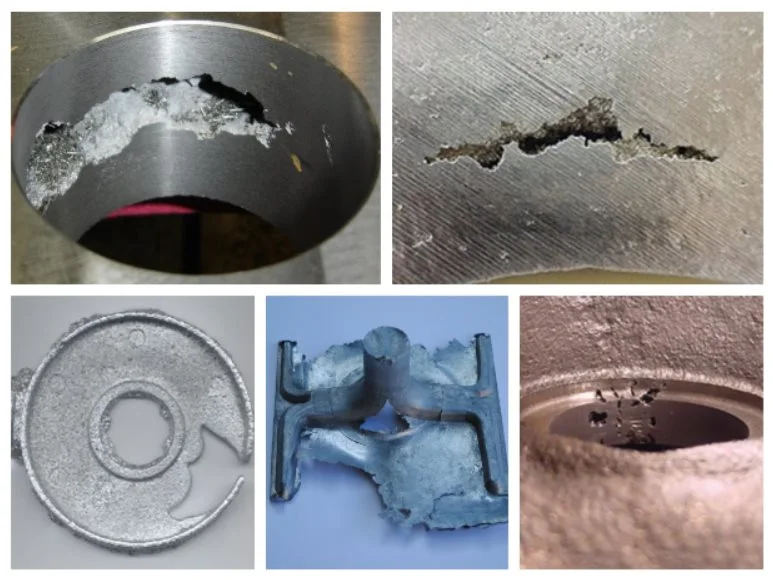
4. Misruns
What It Is:
A misrun occurs when the molten metal fails to fill the entire mold cavity, thus producing partially finished parts.
Causes:
- Low pouring temperature or slow pouring speed.
- Less amount of metal.
- Complex mold design.
How to Avoid It:
- Ensure the metal is melted to the right temperature.
- Utilize a gating system that is meant to offer smooth and consistent flow of metal.
- Reduce mold complexity wherever possible.
5. Inclusion Defects
What It Is:
Inclusions defects occur when non metallic particles, such as slag or sand, find their way into the casting metal.
Causes:
- Poor quality raw materials
- Mold not cleaned prior to pouring
- Slag not removed properly
How to Avoid It:
- Ensure the raw materials are high quality
- Clean molds properly before pouring
- Use a filter in the gating system to trap impurities.
6. Hot Tears
What It Is:
Hot tears are cracks that occur when the metal freezes and contracts, usually around sharp corners or high-stress locations.
Causes:
- Poor design of mold with sharp corners.
- High thermal stresses on cooling.
- Poor composition of alloy.
How to Avoid It:
- Round off all sharp corners in mold design.
- Use low-expansion materials.
- Control cooling rates to minimize stress.
7. Surface Defects (Blowholes, Scabs, Laps)
What It Is:
Surface defects are those defects appearing on the surface of the cast metal, giving an uneven texture or blemishes.
Causes:
- Gas bubbles trapped near the surface.
- Poor sand mold preparation.
- Overheating or uneven heating of the metal.
How to Prevent It:
- Optimize techniques for preparing sand.
- Implement venting systems that may release trapped air.
- Observe and control the metal temperature during pouring.
8. Mold Shifting
What It Is:
When the mold halves move about during the casting process, the parts get misaligned or surfaces become unevenly formed.
- Poorly secured mold halves.
- High pouring pressure.
- Weak mold clamps.
How to Avoid It:
- Secure mold halves firmly before pouring.
- Use moderate pouring pressure to prevent displacement.
- Invest in high-quality clamping systems.
9. Metal Penetration
What It Is:
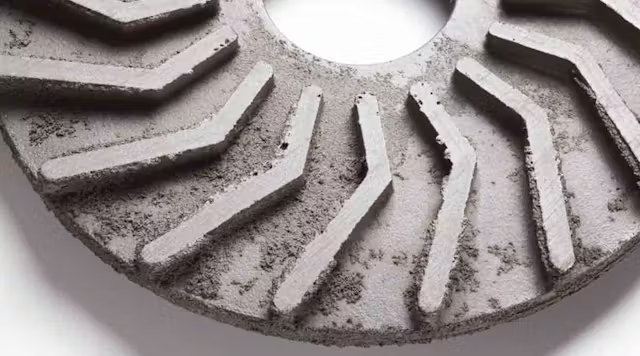
Metal penetration occurs when molten metal penetrates the sand mold, resulting in a rough surface.
Causes:
- Low sand mold density.
- Excessively high pouring temperature.
- Poor mold coating application.
How to Avoid It:
- Compact sand molds to improve density.
- Control pouring temperature to prevent over-penetration.
- Apply high-quality mold coatings to enhance surface resistance.
10. Warping
What It Is:
Warping refers to distortions or deformations in the cast metal, often caused by uneven cooling.
Causes:
- Uneven cooling rates.
- Inadequate support during solidification.
- Poor mold design.
How to Avoid It:
- Use chills and proper cooling techniques to ensure uniform cooling.
- Support critical areas during solidification.
- Optimize mold design for structural stability.
Proactive Measures to Minimize Casting Defects
Casting defects can compromise the strength, durability, and functionality of metal and concrete components, making proactive measures essential in manufacturing. By carefully controlling factors such as mold design, material quality, pouring temperature, and cooling rate, manufacturers can significantly reduce the occurrence of defects like porosity, cracks, shrinkage, or misalignment.
Implementing rigorous inspection, process monitoring, and quality assurance protocols further ensures that each cast component meets precise specifications. Adopting these proactive strategies not only improves product reliability but also reduces waste, lowers production costs, and enhances overall efficiency in casting operations.
Casting defect prevention is a combination of preparation, quality control, and continuous improvement:
- Select Material: Appropriate Metals or Alloys for Your Specific Application
- Quality Checking: Regular checks on Moulds, Raw Material and Equipment
- Training Expertise: Invest in appropriate expertise and ongoing training regarding high-end casting techniques.
- Technology Integration: Use the prediction of potential defects as revealed by simulation software.
Selecting the Right Partner – Manufacturer
Projects managed by an experienced casting manufacturer like Kbear Metal ensure that they are well-taken care of and made with a high degree of precision. Minimizing defects by employing advanced techniques, high standards of quality control measures, and years of expertise guarantee superior results from the manufacturer.
At Kbear, we combine advanced casting technologies with stringent quality control procedures to guarantee durable, high-performance components for construction, marine, and industrial applications. Our team of experienced engineers works closely with clients to understand project requirements, provide tailored solutions, and optimize material selection and manufacturing processes. This collaborative approach ensures that every part—from simple castings to complex, custom-designed components—is produced to exact specifications.
Beyond technical expertise, Kbear emphasizes reliability and responsiveness, ensuring smooth communication, timely delivery, and after-sales support. Partnering with a reputable manufacturer like Kbear reduces production risks, minimizes waste, and enhances overall project efficiency. By selecting the right partner, businesses not only secure high-quality components but also gain a strategic ally committed to long-term success, innovation, and sustainable manufacturing practices.
Conclusion
Casting defects do not come easily, and proper techniques along with required expertise can handle and avert such flaws. Learning about the most common defects that arise during casting helps implement proactive measures to eliminate those defects. This brings about better quality, decreased waste, and overall efficient productivity. From automotive to aerospace and industrial equipment production, defect-free casting forms the foundation of long-term success.
Achieving defect-free casting is especially critical across industries like automotive, aerospace, construction, marine, and industrial equipment, where precision, strength, and durability are non-negotiable. High-quality cast components ensure optimal performance, safety, and long-term reliability, forming the foundation for successful projects and satisfied clients.
Partnering with experienced and reputable manufacturers is essential to achieving these outcomes. Trusted partners prioritize quality, innovation, and precision at every stage—from material selection and mold design to casting, finishing, and inspection. By working with experts who integrate advanced technologies and stringent quality controls, businesses can ensure consistent, defect-free casting while also benefiting from innovative solutions tailored to their unique needs. Reliable casting solutions ultimately lead to superior products, efficient production, and sustained growth in a competitive global market.
For reliable casting solutions, trust experienced manufacturers At Kbear Metal we prioritize quality, innovation, and precision at every step.



