


Pengencang, including bolts, nuts, screws, washers, rivets, and anchors, are fundamental to a wide range of industries. These small yet vital components play a crucial role in maintaining the stability, safety, and efficiency of various structures and machines. In the industrial sector, heavy-duty fasteners are used to assemble and secure large machinery, ensuring they operate reliably under extreme conditions. Construction projects heavily rely on fasteners to hold together buildings, bridges, and infrastructure, providing the necessary strength and durability for long-lasting structures. Similarly, in the automotive industry, fasteners are essential for assembling vehicles, contributing to their safety and performance.
The variety of pengencang available allows for specialized applications, from lightweight screws used in electronics to robust anchors capable of supporting significant loads. Despite their small size, fasteners are integral to the integrity of countless systems, making them indispensable across different fields. Their proper selection, installation, and maintenance are critical for preventing failures, accidents, and costly repairs. In essence, fasteners, though often overlooked, are the backbone of modern construction, manufacturing, and transportation industries, ensuring that everything stays securely in place and functions as intended.
What is the Purpose of a Fastener?
The purpose of a pengikat is fundamentally to securely join two or more objects, ensuring they remain connected under various conditions and loads. Fasteners are critical components in almost every industry, including construction, manufacturing, automotive, aerospace, electronics, and consumer goods. Their primary role is to hold parts together, providing stability, strength, and durability to assembled structures and machinery.
Fasteners come in a wide variety of types, such as screws, bolts, nuts, washers, nails, rivets, and pins, each designed for specific applications and materials. They are used to join components that may need to be disassembled and reassembled multiple times or to provide a permanent connection. The choice of fastener depends on several factors, including the types of materials being joined, the strength requirements, the environmental conditions, and the aesthetic considerations.
One essential purpose of a pengikat is to distribute loads evenly across the joint, preventing weak points that could lead to failure. For example, bolts and nuts are often used in high-stress applications such as bridges, aircraft, and machinery to withstand significant forces. Fasteners also facilitate maintenance and repairs by allowing parts to be easily removed and replaced without damaging the components.
In addition to providing mechanical stability, fasteners can also serve roles in electrical bonding, insulation, or sealing. Their design ensures they can function effectively in different environments—ranging from high temperatures and corrosive environments to lightweight and aesthetic needs. Ultimately, fasteners play a vital role in the safety, functionality, and longevity of countless products and structures, making them indispensable in modern engineering and construction.
Key Functions and Purposes of Fasteners:
Accommodating Dynamic Forces: In applications where structures are subjected to dynamic or fluctuating forces, fasteners are designed to maintain their hold, absorbing stresses and reducing the risk of loosening over time.
Joining Materials: Fasteners physically connect different materials, such as metal, wood, plastic, or composites, forming permanent or semi-permanent bonds essential for the integrity of the assembled structure.
Providing Strength and Stability: By holding components tightly together, fasteners help distribute loads evenly and prevent movement or separation. This ensures the assembled structure can withstand operational forces, vibrations, and external impacts without failing.
Facilitating Assembly and Disassembly: Fasteners enable efficient assembly, maintenance, and repairs. This modularity allows components to be easily replaced or adjusted without damaging the primary structure.
Ensuring Safety and Reliability: Properly secured fasteners prevent unintended loosening or detachment, which could lead to structural failures, accidents, or equipment malfunctions.

Jenis Pengencang
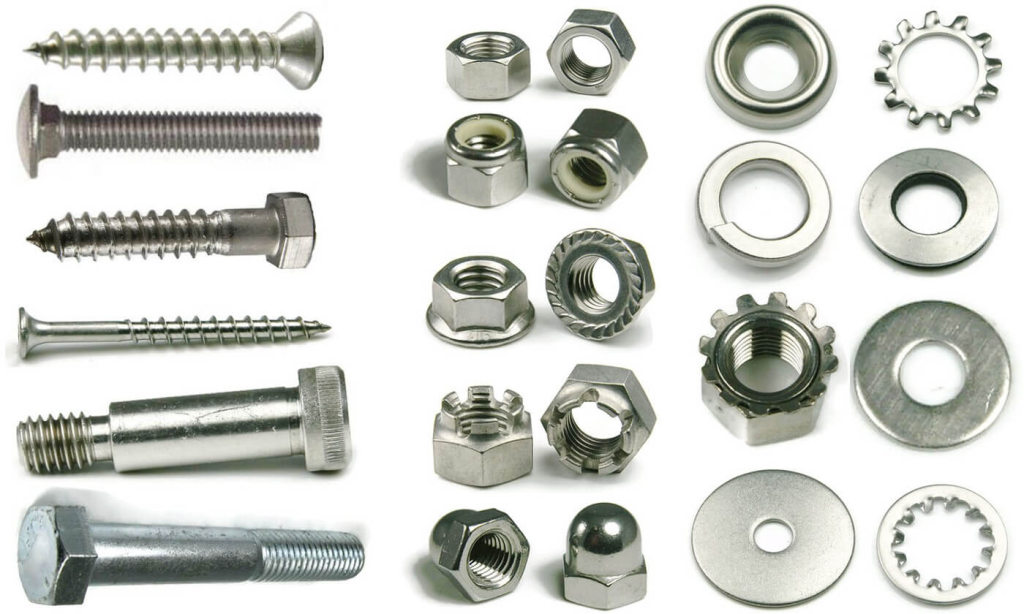
There are various types of fasteners available, each designed for specific applications. Some common types include:
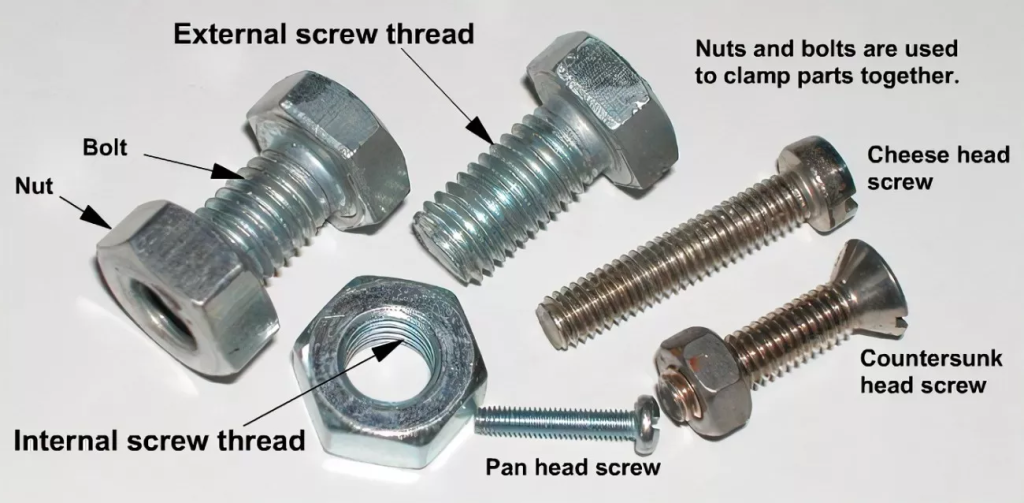
- Baut Dan nuts are often used together in mechanical assemblies for their strength and reliability.
- Sekrup come in many forms, such as wood screws, metal screws, machine screws, Dan self-tapping screws.
- mesin cuci are used to distribute the load of a fastener, while rivets provide permanent, vibration-resistant connections.
- Jangkar are commonly used in concrete anchors or for drywall screws, ensuring secure attachment to walls and other surfaces.
- pin, klip, clamps, Dan rings are versatile fasteners used in various mechanical and automotive applications.
What are Special Purpose Fasteners?
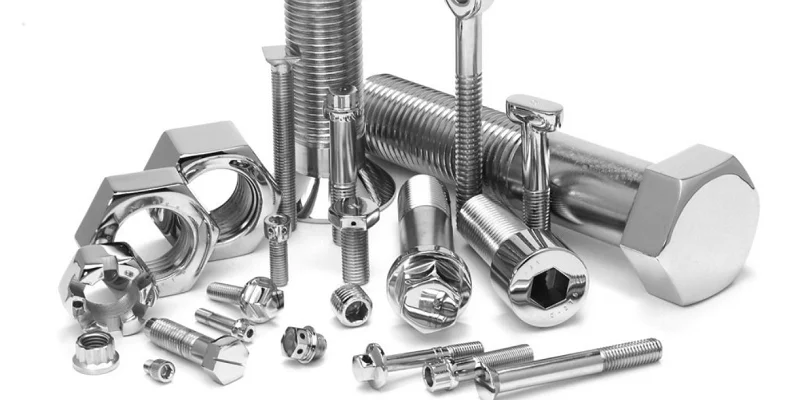
Special purpose fasteners are fasteners designed for specific applications or industries that require unique features. These could include fasteners resistant to high temperatures, extreme pressures, or specific chemicals. Examples include stainless steel screws for corrosion resistance, galvanized screws for rust prevention, and fasteners used in aerospace or military industries that must meet strict safety standards. Special purpose fasteners are essential when standard fasteners cannot meet the unique demands of a particular environment or application.
What Are the Five Basic Types of Fasteners?
The five basic types of fasteners include:
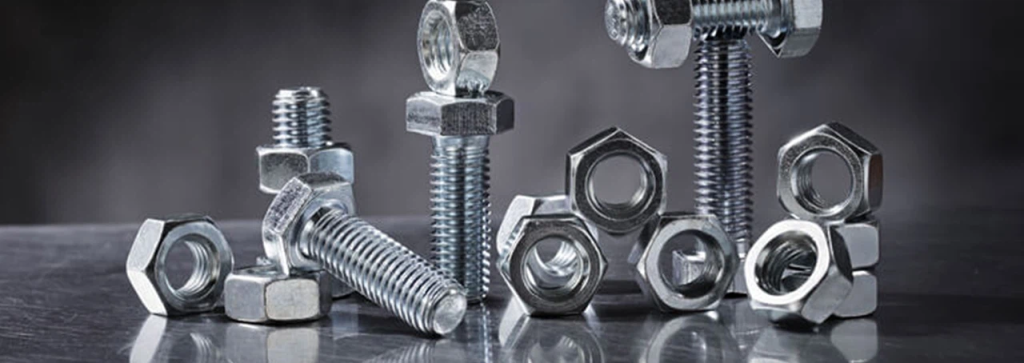
- Baut – Often used with nuts to connect two parts securely.
- Gila – Used to fasten bolts and provide a tight fit.
- Sekrup – Typically used to fasten parts together, often into materials like wood or metal.
- mesin cuci – Help distribute the load and prevent damage to the surface.
- paku keling – Permanent fasteners that are used to join two materials together.
These basic types of fasteners are essential for a variety of applications and come in different materials, strengths, and sizes depending on the requirements of the project.
What is the Process of Fasteners?
The process of using pengencang generally involves selecting the right type and size based on the materials and forces involved. This typically includes:
- Selection – Choose the correct fastener (e.g., bolts, screws, rivets) based on material, size, strength, and environmental conditions.
- Instalasi – Fasteners are installed using the appropriate tools, such as wrenches or screwdrivers. For instance, fastener tools like a torque wrench may be used to ensure the correct torque is applied.
- Securing – After installation, fasteners ensure that parts stay securely connected, often with the use of washers atau nuts to provide additional stability.
- Pemeliharaan – Over time, fasteners may require checking or tightening to maintain optimal performance and ensure safety.
Where to Buy Fasteners
KBear Metal adalah produsen pengencang mur dan baut berkualitas yang telah memasok pemasok pengencang standar dan khusus sejak tahun 1989. Kami menawarkan berbagai macam pengencang standar dan metrik dalam bahan seperti baja, baja tahan karat, kuningan, perunggu silikon, Hastelloy, Inconel, Monel, aluminium, paduan 20, 17-4PH, 17-7PH, titanium, dan logam non-ferrous lainnya. Kami menyediakan lebih dari 100.000 komponen pengikat yang berbeda.
Fastener Sizes and Standards
When selecting fasteners, it’s important to understand fastener sizes Dan fastener charts, which can help you choose the right fit for your project. Different fastener standards like ISO, ANSI, Dan DARI ensure compatibility and performance across industries.
Fastener Materials and Strength
The material of a fastener is crucial for its strength and durability. Common materials include stainless steel screws for corrosion resistance, galvanized screws for rust prevention, and high-strength alloys for demanding applications. Understanding fastener strength, torque, Dan design specifications is vital for ensuring that the fastener performs well under stress.
Fastener Installation and Tools
Correct fastener installation requires the right fastener tools, which may include wrenches, screwdrivers, and torque wrenches. Proper installation ensures that fasteners are tightened to the required torque and are effective in securing parts together.
Industry-Specific Fasteners
In addition to standard fasteners, certain industries have specific needs. For instance, pengencang otomotif must meet higher safety standards due to their use in vehicles. Meanwhile, construction fasteners are designed to handle the weight and stress involved in building projects, with concrete anchors Dan drywall screws being particularly common in these applications.
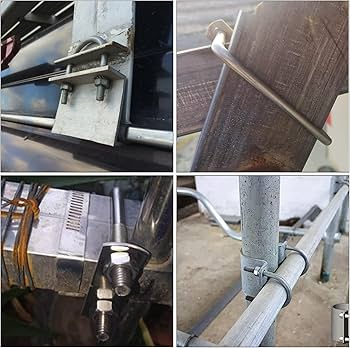
Kesimpulan
Pengencang are crucial components in ensuring the reliability and safety of numerous applications, from industrial fasteners ke construction fasteners, pengencang otomotif, and beyond. By understanding fastener materials, sizes, Dan installation tools, you can ensure that you choose the right fastener for the job and maintain optimal performance.
Fasteners are essential components across a wide range of industries and applications, playing a vital role in ensuring the structural integrity, safety, and durability of various assemblies. Whether used in industrial machinery, construction projects, automotive manufacturing, or household repairs, the proper selection and use of fasteners are critical for achieving reliable and long-lasting results. Fasteners come in many different types, including bolts, screws, nuts, rivets, and clips, each designed for specific purposes and environments. Understanding the materials used in fasteners is important, as it affects their strength, corrosion resistance, and suitability for certain conditions. Common materials include steel, stainless steel, aluminum, and brass, each offering different benefits depending on the application. Additionally, selecting the right size and thread type ensures that the fastener will fit properly and provide the necessary holding power.
Installation tools also play a significant role in the effectiveness of fasteners. Proper tools, such as wrenches, screwdrivers, or pneumatic guns, help achieve the correct torque and secure fastening. Using the wrong tools or improper techniques can lead to loose or damaged fasteners, compromising safety and performance. By understanding the various fastener materials, sizes, and installation methods, professionals and DIY enthusiasts can make informed decisions, ensuring their projects are safe, reliable, and efficient. Ultimately, choosing the right fasteners and installing them correctly is fundamental to maintaining the integrity of any structure or machine.



