


Industries, as a result of this global concern for sustainability, are forced to reassess their operations and look towards adopting more environmentally friendly processes. The metal casting industry is no different. With advancements, it’s now possible to do more with less waste, consume less energy, and make lesser environmental impact in metal casting.
This blog further develops the importance of eco-friendly metal casting, novel techniques being undertaken, and how such practices are indeed shaping a greener future for the industry.
The Importance of Sustainability in Metal Casting
Metal casting is one of the most important industries for almost all sectors, from the automotive and aerospace to construction and consumer goods. However, it consumes a lot of energy, generates pollution, and produces waste in traditional processes. Transitioning to greener practices is important in order to:
- Reduce Carbon Footprint: Metal casting is one of the energy-intensive industrial processes, so it contributes to significant industrial emissions. Sustainable practices reduce greenhouse gas emissions.
- Reduce Waste: Foundries can significantly reduce waste by recycling materials and adopting efficient methods.
- Compliance with Regulatory Requirements: Governments around the world are imposing stricter environmental regulations on manufacturing industries, forcing foundries to opt for greener solutions.
- Good Reputation: Companies that focus on sustainability are in a better position to attract eco-conscious clients and investors.

Eco-Friendly Innovations in Metal Casting
There are several innovations that are making metal casting more environmentally friendly. These include energy-efficient processes, innovative materials, and advanced recycling techniques.
1. Energy-Efficient Technologies
Modern foundries are adopting technologies that reduce energy consumption during the casting process.
- Induction Furnaces: They use electromagnetic fields to melt metals, which has the potential to consume less energy compared to a traditional furnace.
- Waste Heat Recovery Systems: Excess heat produced in casting is now being used by foundries for other purposes. This has reduced energy wastage.
2. Recycled Materials
Recycling is an integral part of green casting.
- Scrap Metal: Today, many casting foundries have started using recycled scrap metal for their process, which minimizes the consumption of virgin material.
- Reusable Sand: In sand casting, reclamation of used sand is possible, and it can be used several times, which reduces the amount of material waste.
3. Environmentally Friendly Binders and Coatings
There is a decrease in harmful emissions from organic binders and coatings used in casting mold compared to synthetic binding agents.
4. Computerized Processes
Automation in casting ensures precision and reduces material loss as it produces consistently and accurately.

Challenges in Transitioning to Sustainable Practices
Despite the fact that the benefits are numerous, there are still difficulties in the transition to sustainable practices in metal casting:
- Initial High Costs: Adopting energy-efficient equipment and sustainable technologies is very expensive initially.
- Employee Training and Development: Workers must be trained to use new technologies and materials.
- Resistance to Change: Some foundries may be hesitant to use green methods due to risks or interference with production.
However, the long-term benefits far outweigh the difficulties, including cost savings, compliance with regulations, and environmental benefits.

Benefits of Eco-Friendly Metal Casting
There are various benefits of using sustainable casting practices for manufacturers, consumers, and the environment:
1. Lower Operation Costs
Energy-efficient technologies and waste reduction lead to significant cost savings over time.
2. Regulatory Compliance
Eco-friendly practices abide by the strict environmental regulations that otherwise may result in fines or shut down.
3. Quality of Products
The sustainable practices, including precision casting and advanced mold design, are often considered to improve the quality of cast products.
4. Brand Value and Customer Appeal
Green practices boost the reputation of the company to attract environmentally conscious customers.
5. Resource Conservation
The recycling of materials and waste avoidance help save natural resources for the future generations.

Applications of Eco-Friendly Casting
Nearly all industries are utilizing sustainable casting techniques:
- Automotive: Lightweight, fuel-efficient auto parts made from recycled aluminum and energy-efficient production processes.
- Construction: Durable, eco-friendly materials, such as cast iron, for infrastructure projects.
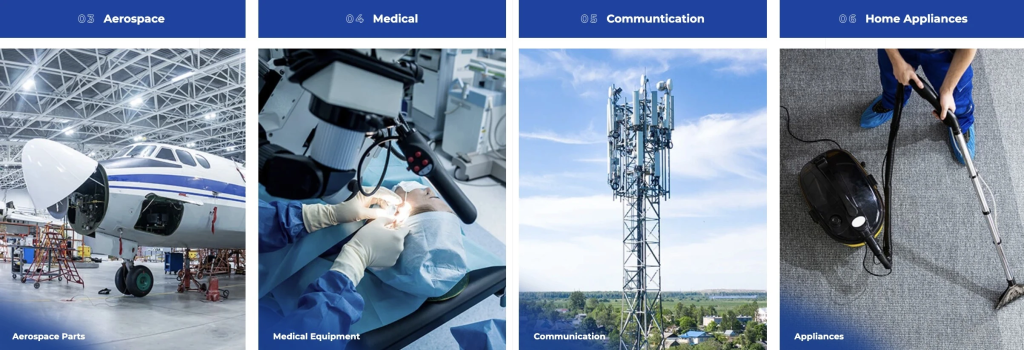
- Aerospace: High-precision components with minimal material loss.
- Consumer Goods: Sustainable metal parts for appliances, electronics, and furniture. How to Make Metal Casting Environmentally Friendly
Foundries can start making the first steps toward sustainability by applying the following actionable steps:
1. Optimize Energy Use
- Install energy-efficient furnaces.
- Design energy management systems that monitor and improve the use of energy.
2. Focus on Recycling
- Recycle scrap metal and casting sand wherever possible.
- Design recycling plants that can recover material to their fullest extent.
3. Use Green Materials
- Use organic binders and coatings for molds.
- Use alloys and metals that produce less environmental impact.
4. Emission Control
- Install air filtration systems that collect dangerous pollutants.
- Reduce emission by switching to cleaner fuel types.
5. Team and Innovate
- Develop and share sustainable casting technologies with research institutions and industry peers.
- Role of Consumers in Promoting Sustainability
- The consumers will play a significant role in persuading the metal casting industries to opt for more environment-friendly practices. As they buy products produced in an eco-friendly manner, it will simply tell the manufacturers that responsible behavior towards the environment is something they need to focus on.

Why Go for Environment-Friendly Casting?
This has made the eco-friendly casting an easy choice as it is related to all the following areas of interest:
- Reduces environmental footprint
- Produces good quality parts that will last long
- Keeping abreast with world sustainability trends
Conclusion
The future of the industry will definitely be green metal casting. The foundries can lower their environmental footprint while increasing their productivity and the quality of products they produce with energy-efficient technologies, recycling, and minimizing emission.
This will require commitment and innovation for the transition to sustainable practices, but the long-term benefits are undeniable for both the environment and businesses.
If you seek a partner committed to sustainability in metal casting, choose one that prioritizes eco-friendly solutions without compromising on quality. Together, we can build a greener future.



