


Premier Stainless Steel Fasteners: Corrosion-Proof from Coil to Carton
Kbear Metal produces A2-70 (SS 304), A4-80 (SS 316), and SS 316L fasteners in bolts, nuts, screws, and washers. Passivated finish, salt-spray verified, certified for marine, food, chemical, and architectural service.
// Stainless Production Spec
Stainless fasteners across every category
A full range of stainless fasteners produced on dedicated stainless-only lines.
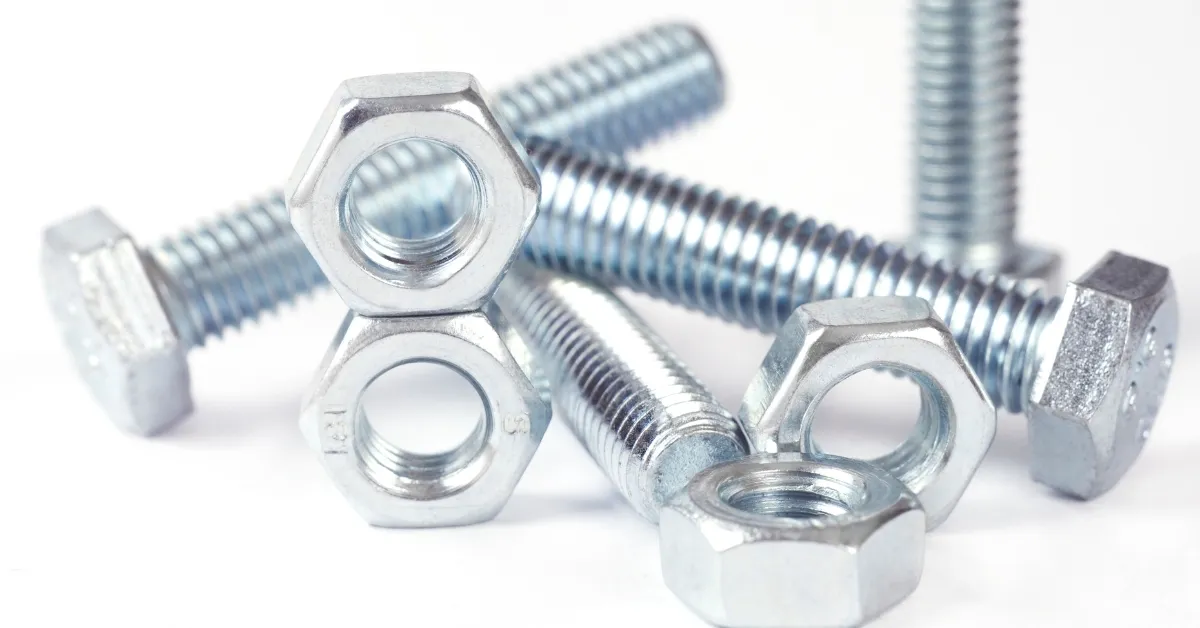
SS Hex Bolts
Hex bolts in 304, 316, and 316L stainless. A2-70 and A4-80 grades for marine and chemical service.
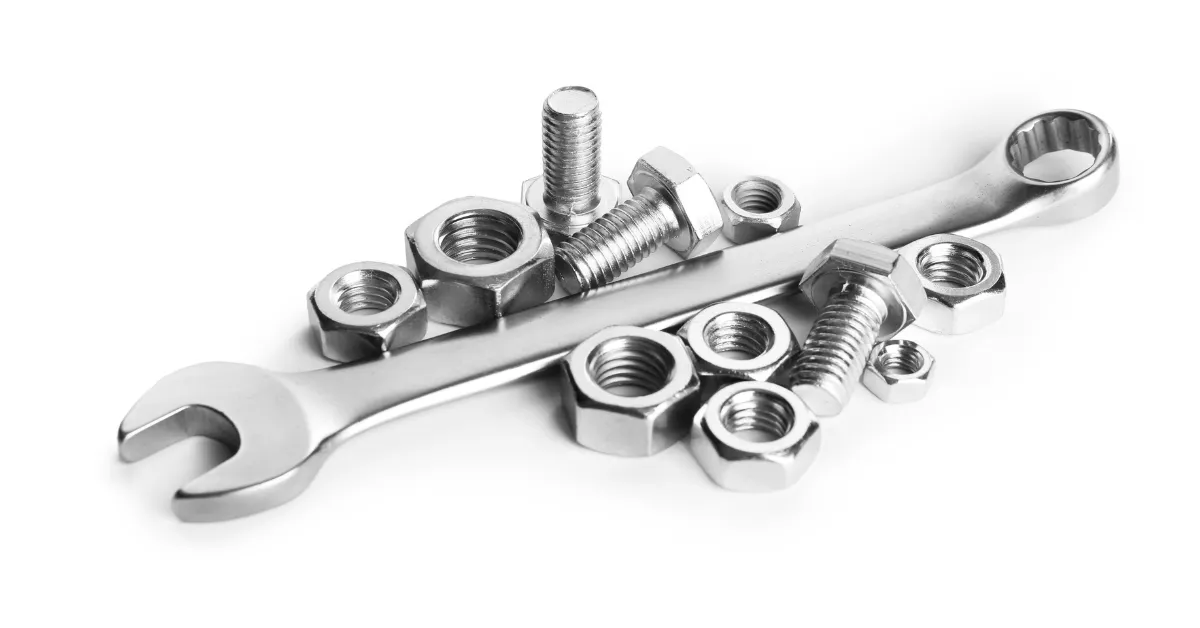
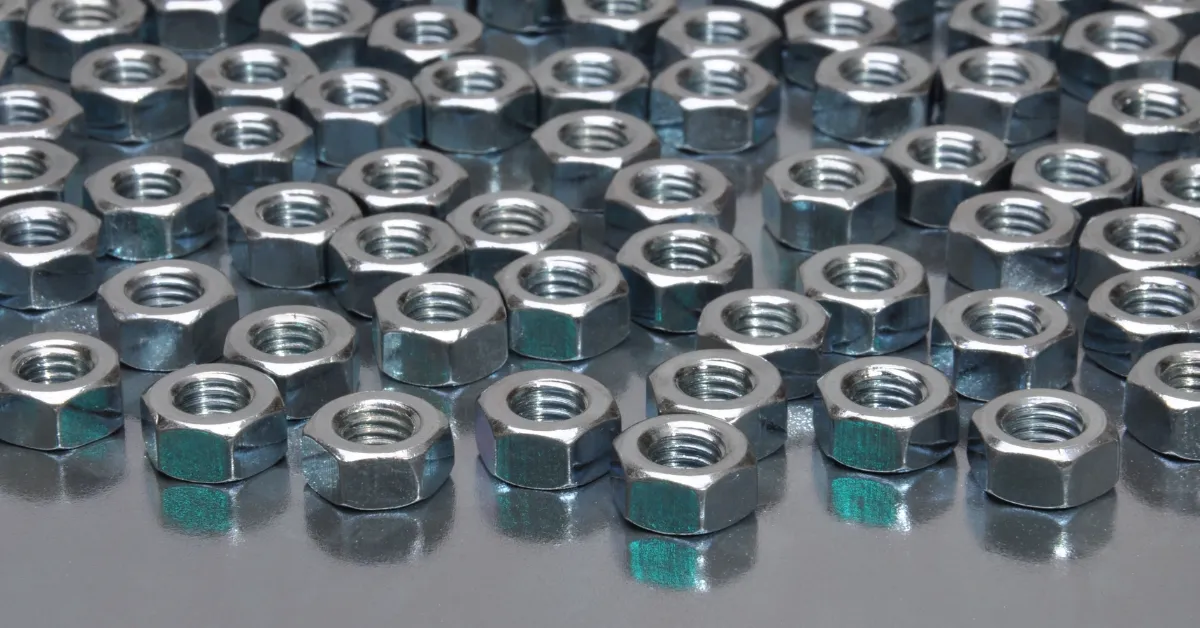
SS Hex Nuts
Standard hex nuts, lock nuts, and flange nuts in matching stainless grades.
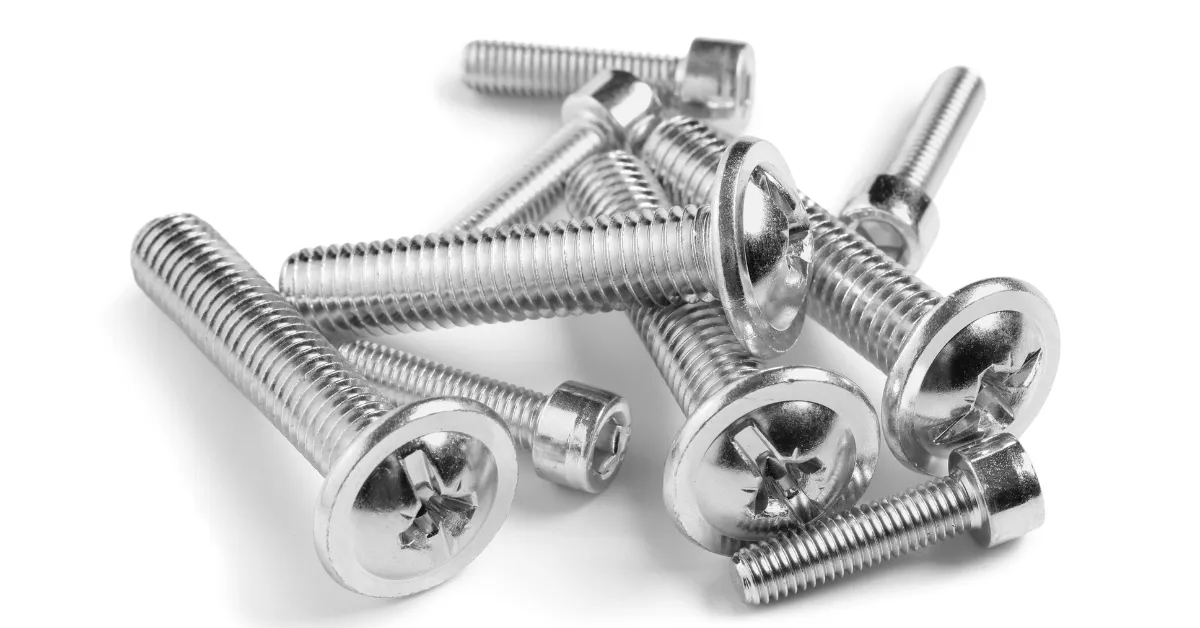
SS Socket Cap Screws
Internal hex socket cap screws in 304 and 316 stainless. Polished or passivated finish.
SS Machine Screws
Pan, flat, oval, and round head machine screws in Phillips, Pozi, Torx, slotted drives.
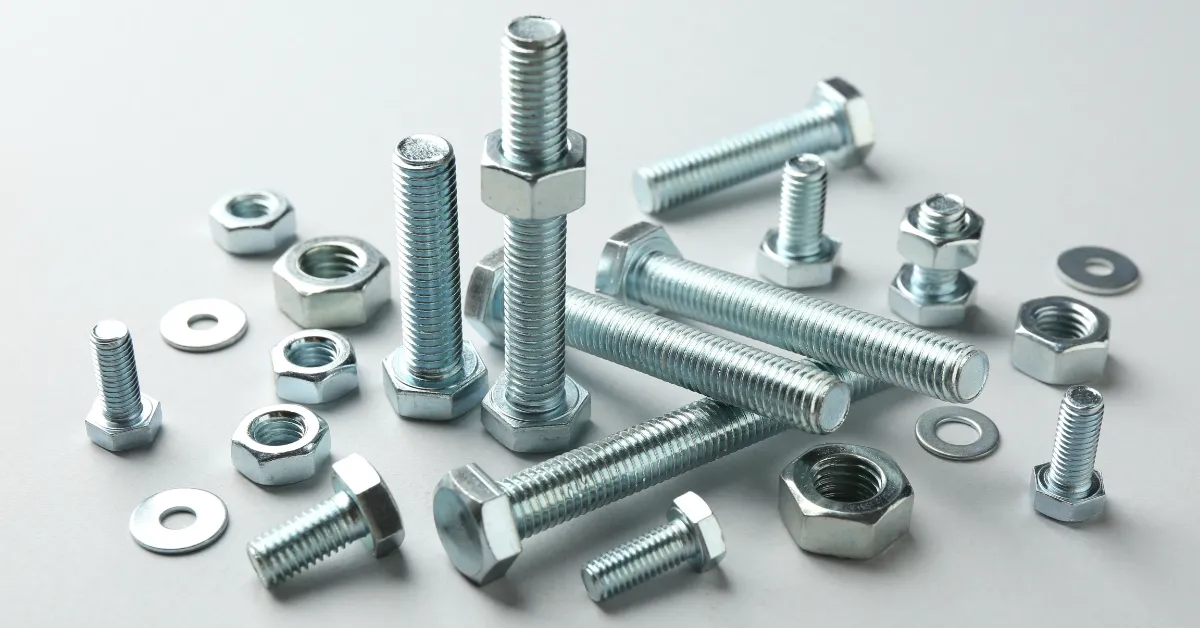
SS Self-Tapping Screws
Self-tapping and self-drilling screws in 304 stainless for outdoor sheet-metal applications.
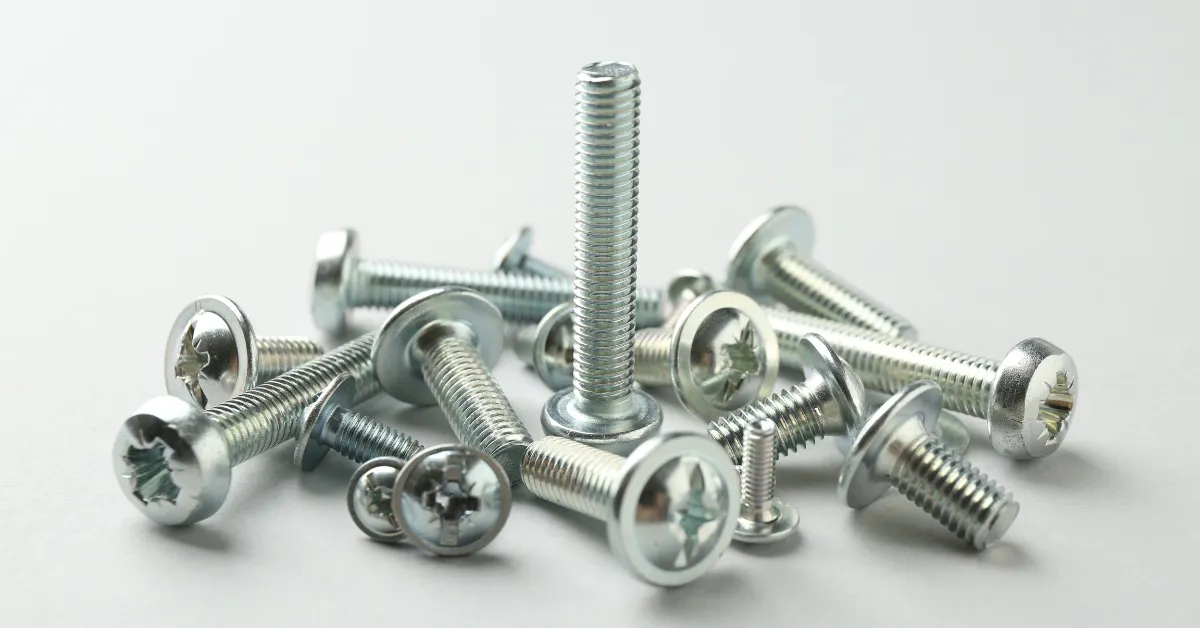
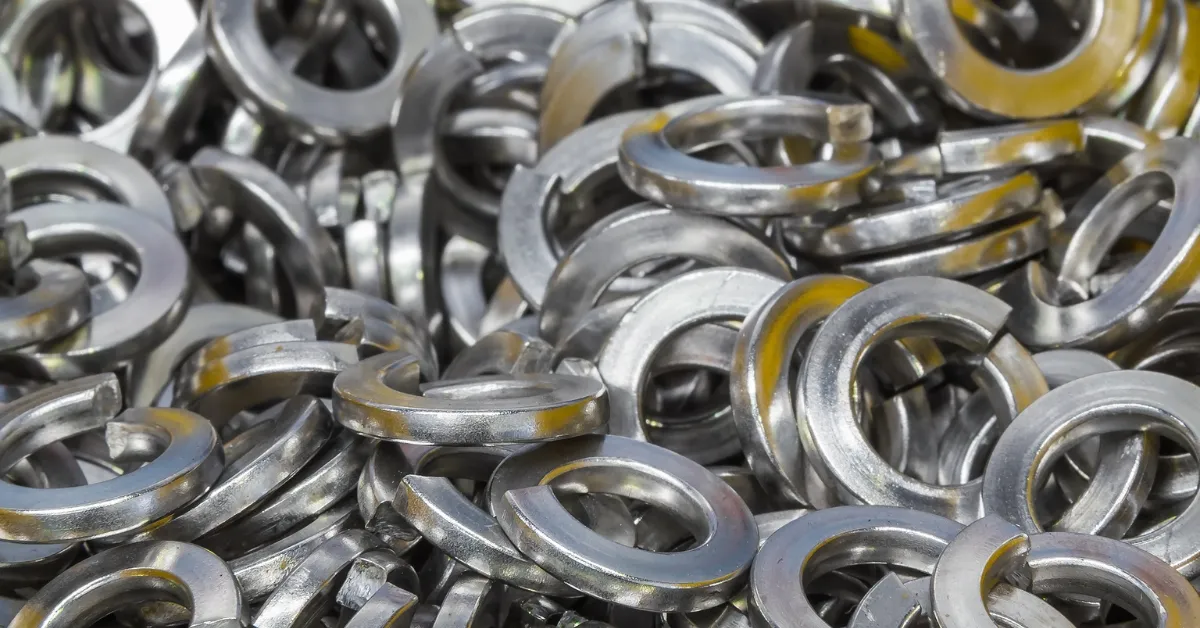
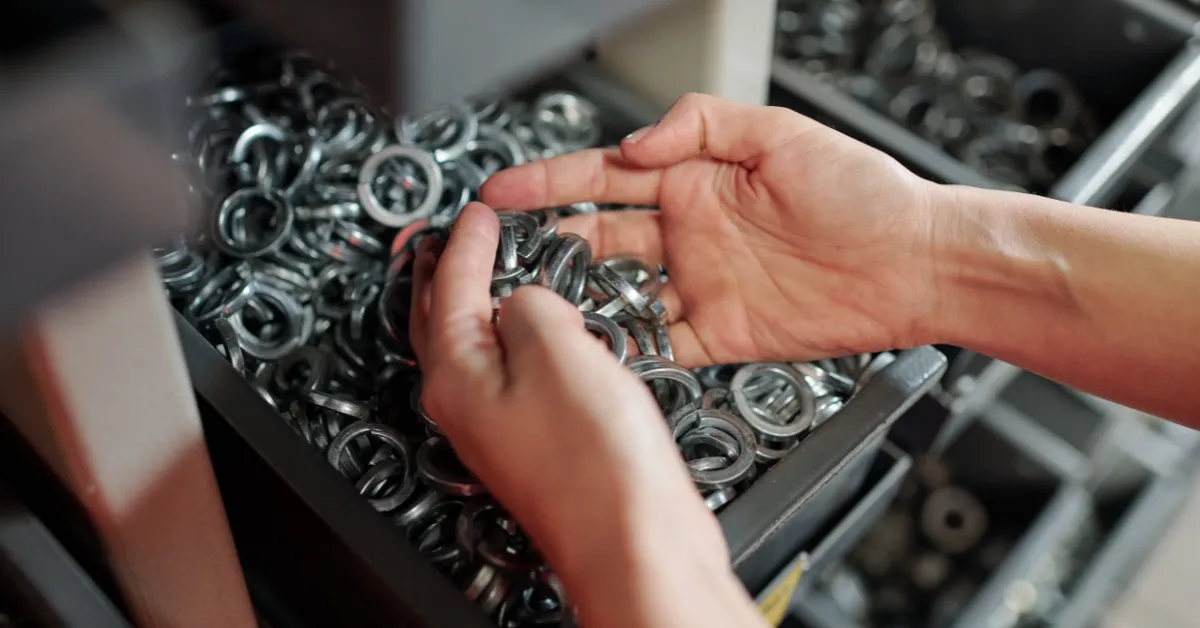
SS Washers
Flat, spring, fender, and tooth lock washers in 304 and 316 stainless steel.
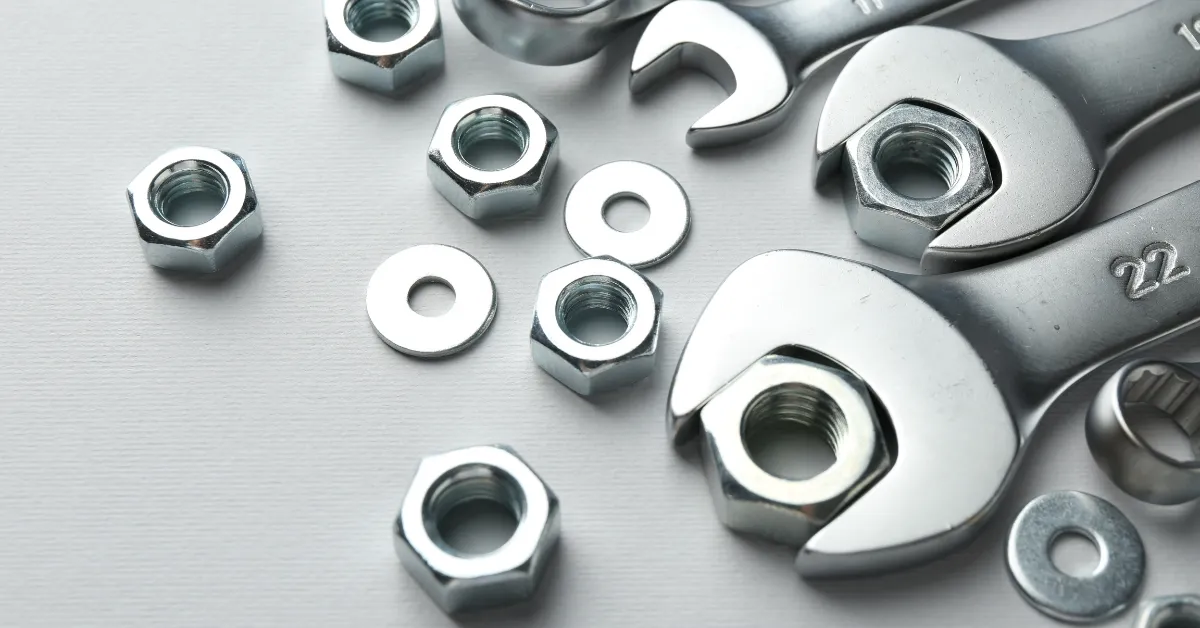
SS Stud Bolts
B8, B8M (ASTM A193) double-end threaded studs for chemical and petrochemical flange service.
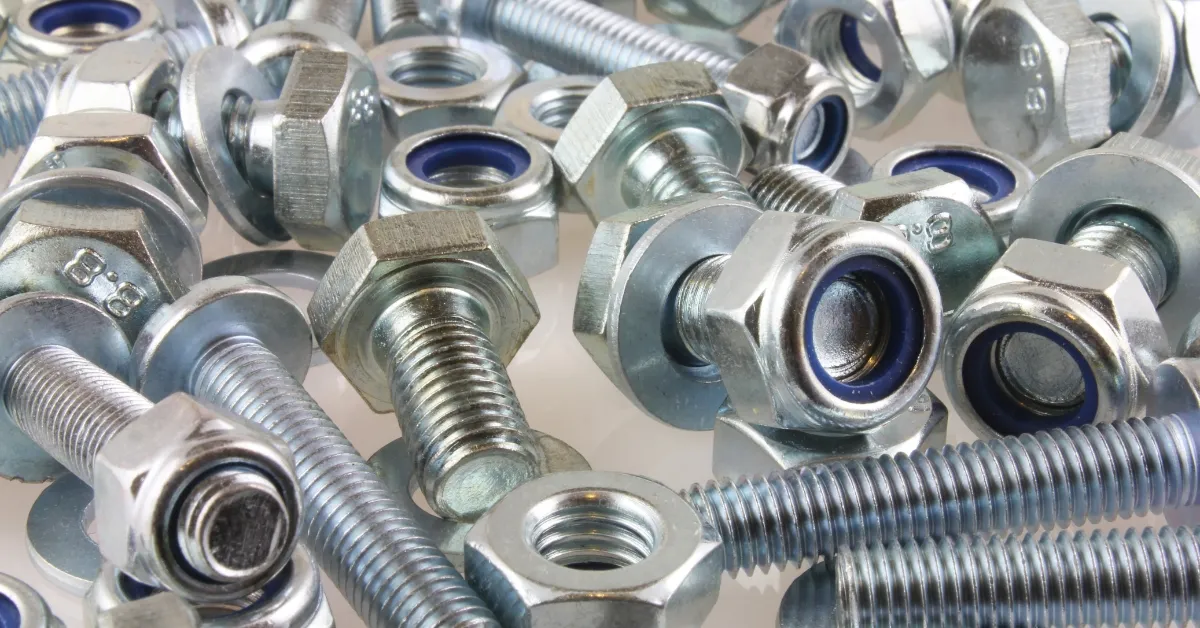
SS Eye Bolts
Forged SS 316 lifting eye bolts and ring bolts for marine, rigging, and offshore applications.
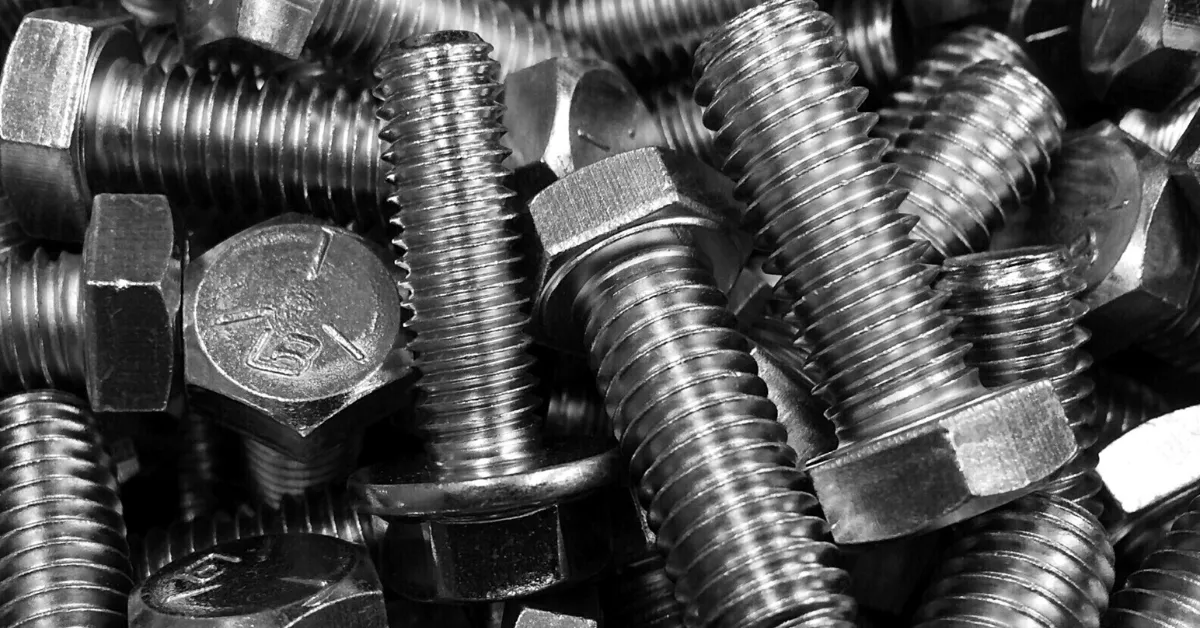
Marine Hardware
Specialty marine SS fasteners — toggle bolts, lashing eyes, U-bolts, and pipe clamps.
Stainless steel grade and property reference
Standard stainless grades produced in our factory and their typical applications.
| Grade | Property Class | PREN | Magnetic? | Best Application |
|---|---|---|---|---|
| SS 304 (A2) | A2-50 / A2-70 | 18–19 | Slightly (cold-worked) | General, food, indoor |
| SS 316 (A4) | A4-50 / A4-70 / A4-80 | 24–26 | Slightly | Marine, chemical, coastal |
| SS 316L | A4 (low carbon) | 24–26 | Slightly | Welded marine assemblies |
| SS 410 | C1 / C3 | 11–12 | Yes (martensitic) | Self-drilling roofing screws |
| SS 17-4PH | Custom | 17 | Slightly | Aerospace, oil & gas |
| SS 254 SMO | A8 | 42+ | Slightly | Super-corrosive seawater |
| SS Duplex 2205 | Custom | 34–38 | Yes | High-strength offshore |
Stainless grades for every corrosion environment
Match grade to chloride exposure, temperature, and load requirements.
304 / 304L / 321
General corrosion resistance
316 / 316L / 316Ti
Saltwater and chloride service
410 / 416 / 420
Hardness, self-drilling tips
430 / 434
Mild corrosion, low cost
2205 / 2507
High strength + corrosion
254 SMO · 904L
Severe chloride service
17-4PH · 17-7PH
Aerospace, high strength
Alloy 20 · Hastelloy
Severe chemical service
How a stainless fastener becomes a finished part
Stainless-only production lines prevent carbon-steel contamination.
SS Wire / Bar
Stainless wire rod inspected with spectrometer for grade verification.
Cold Heading
Dedicated stainless heading presses prevent cross-contamination.
Thread Rolling
Hard-chromed rolling dies handle stainless work-hardening properties.
Solution Annealing
Where required, parts solution-annealed to restore austenitic structure.
Passivation
Nitric or citric acid passivation removes free iron and restores chromium oxide film.
QC & Pack
Magnetic testing, PMI grade verification, packaging.
Real 316L — confirmed by spectrometer.
The biggest risk with stainless fastener sourcing is grade substitution — 201 sold as 304, or 304 sold as 316. Our PMI testing on incoming material and finished batches catches grade fraud before parts ship.
PMI Grade Testing
Positive material identification (PMI) via X-ray fluorescence verifies chromium, nickel, molybdenum content.
Passivation Test
Copper sulfate or ferroxyl test confirms free iron has been removed after acid passivation.
Pitting Resistance Test
ASTM G48 ferric chloride test verifies pitting resistance for high-grade marine fasteners.
Mechanical Testing
Tensile strength verified to A2-70 / A4-80 property class minimums per ISO 3506.
Industries that need stainless fasteners
Wherever corrosion attacks carbon steel, stainless fasteners earn their price.
Marine & Boat
316L stainless throughout for saltwater corrosion resistance.
Food Processing
304 stainless meets FDA contact requirements for food equipment.
Pharmaceutical
316L stainless for clean-room and sterile equipment assemblies.
Architectural
Polished 304 and 316 for façades, railings, and decorative cladding.
Chemical Plants
316L, Duplex 2205, and 254 SMO for severe chemical service.
Offshore Oil & Gas
316L, Duplex, and Super Duplex fasteners for platform structures.
Solar Mounting
304 stainless for outdoor PV mounting structures.
Pool & Aquatic
316L stainless resists pool chlorine and salt-water pools.
Why distributors choose Kbear for stainless
Six factory-direct advantages on stainless fastener orders.
Dedicated SS lines
Stainless production runs on separate heading and threading presses — no carbon-steel cross-contamination.
PMI testing standard
Every batch verified with X-ray fluorescence to confirm grade — no 201-instead-of-304 surprises.
In-house passivation
Nitric and citric acid passivation lines remove free iron before shipment.
316L for welding
Low-carbon 316L stocked specifically for welded marine and chemical-plant assemblies.
Polished finishes
Mirror-polished and brushed finishes available for architectural and decorative applications.
Documentation
EN 10204 3.1 mill certs and ISO 3506 mechanical test reports with every shipment.
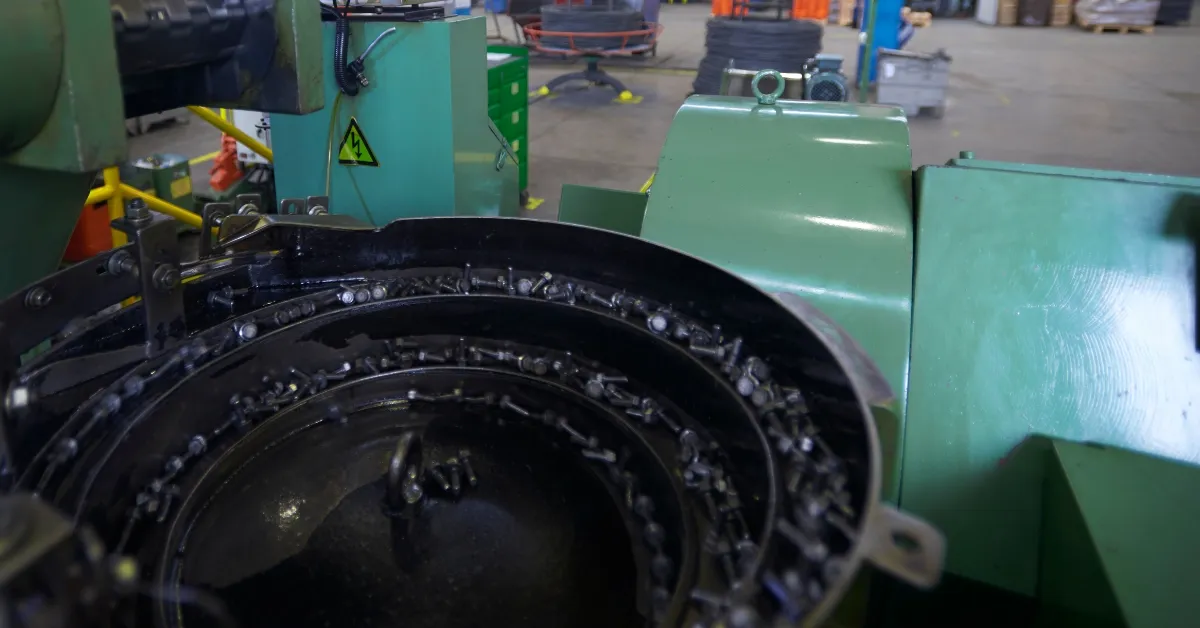
Inside our stainless-only production area
Dedicated stainless heading presses, hard-chromed thread-rolling dies, passivation tanks, and PMI testing stations.
Watch stainless fasteners being made
Three short videos showing stainless wire, passivation, and PMI grade verification — the things that catch grade fraud.
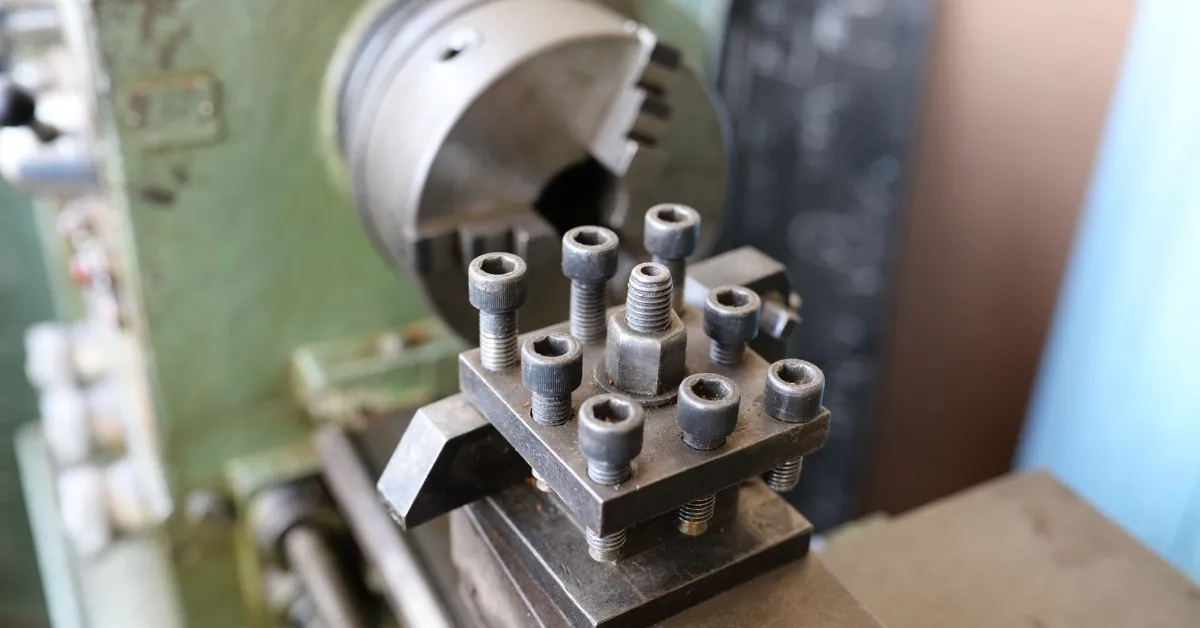
Cold Heading to Thread Rolling
Stainless wire rod cold-headed on dedicated stainless-only presses — no carbon-steel cross-contamination.
Inspection & Testing Process
PMI X-ray fluorescence grade verification, passivation testing, and tensile checks per ISO 3506.
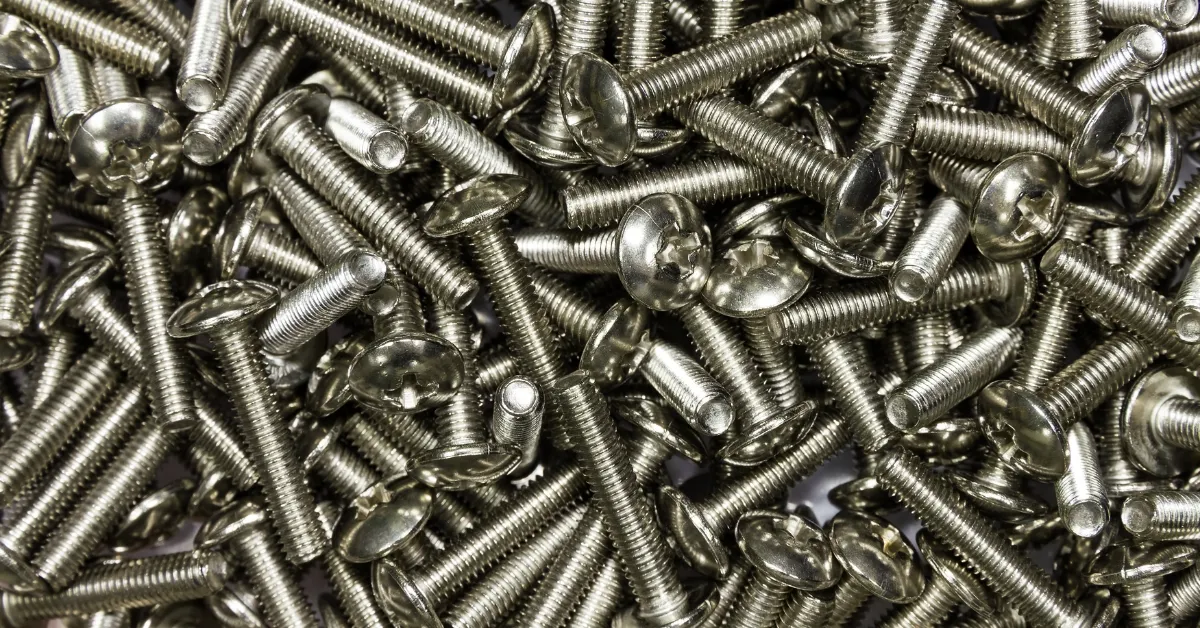
Packing to Container Loading
Passivated, polished stainless fasteners packed and shipped to marine, food, and chemical buyers.
Free Samples
Standard fastener samples shipped free for evaluation. You only cover express courier cost.
First-Order Inspection
Third-party SGS or BV inspection on your first order at our cost — verify before paying balance.
30% Deposit Only
T/T 30% deposit gets your order into production. 70% balance after pre-shipment inspection.
Quality Replacement
Any defect outside agreed AQL gets replaced free on the next shipment, no questions asked.
Common questions on stainless steel fasteners
Quick answers on grade selection, passivation, and corrosion performance.