


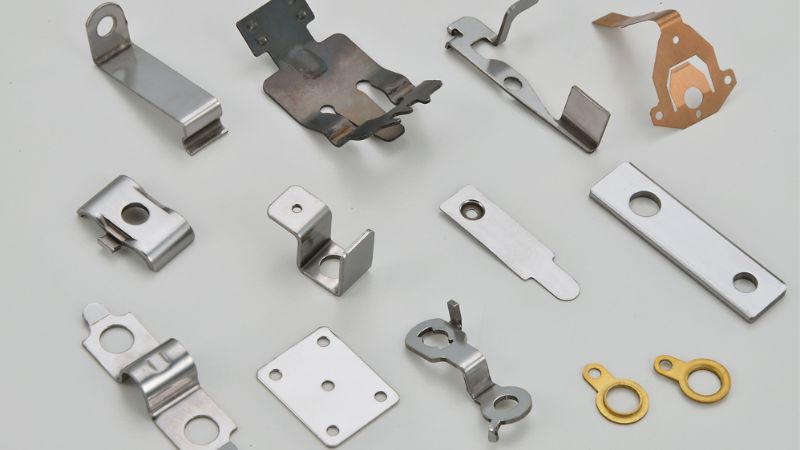
When it comes to metal stamping, selecting the right material is crucial for ensuring durability, functionality, and cost-effectiveness. Steel and aluminum are two of the most commonly used metals in stamping, each offering distinct advantages and limitations. The right choice depends on the application, environmental factors, and budget constraints.
Steel is widely valued for its strength, hardness, and durability, making it ideal for parts that require high structural integrity and resistance to wear and tear. It is commonly used in automotive, construction, and heavy machinery industries where toughness and reliability are paramount. However, steel is generally heavier than aluminum and may require additional corrosion protection depending on the environment.
Aluminum, on the other hand, is prized for its lightweight nature, excellent corrosion resistance, and ease of machinability. These qualities make it a preferred choice for aerospace, electronics, and consumer goods industries where reducing weight without compromising strength is important. Aluminum also offers good thermal and electrical conductivity, but it is generally less strong than steel and may not be suitable for high-stress applications.
Choosing between steel and aluminum involves considering various factors such as the operational environment, mechanical requirements, production volume, and budget constraints. By carefully evaluating these aspects, manufacturers can optimize material selection to enhance product performance while controlling costs.
In this blog, Below, we will review the essential differences between steel and aluminum in terms of their properties, advantages, disadvantages, and ideal usage in order to assist manufacturers in making a better decision, and ideal applications of steel and aluminum in metal stamping. Our goal is to provide manufacturers with the insights needed to make informed material decisions, ensuring the best results for their stamping projects.
What Is Metal Stamping?
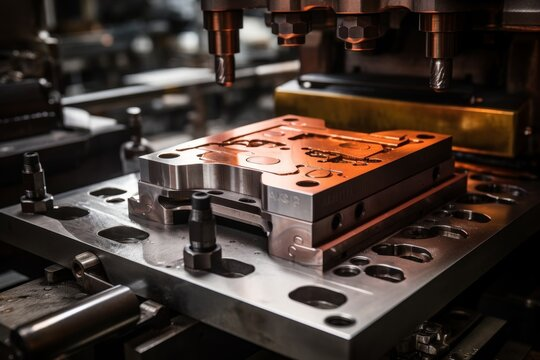
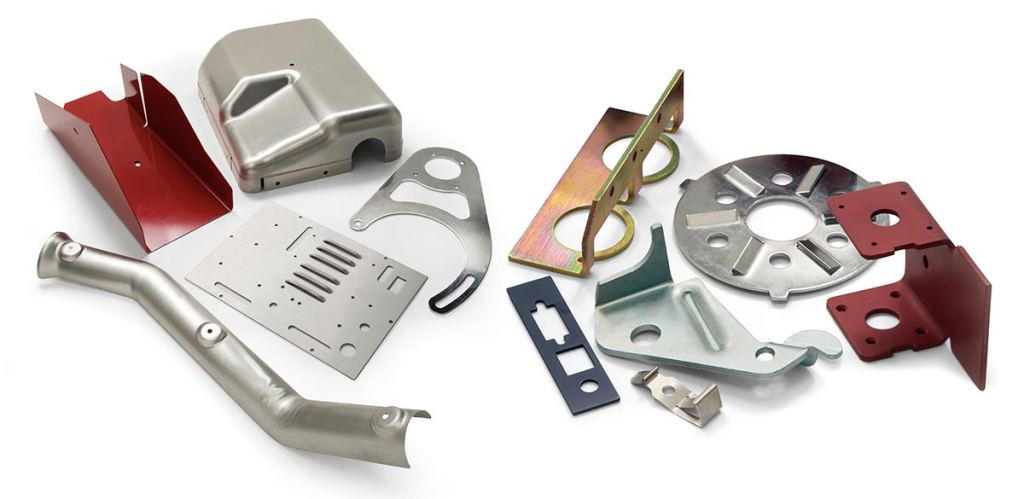
Metal stamping is a versatile and widely used manufacturing process that transforms flat metal sheets into precise, custom-designed shapes and components. It plays a vital role in industries ranging from automotive and aerospace to electronics and consumer goods. The process involves placing a metal sheet or coil into a stamping press, where a die applies immense pressure to cut, bend, or shape the metal according to the desired specifications.
Metal stamping is not just a single operation; rather, it comprises various metal forming techniques such as blanking, punching, bending, embossing, coining, and piercing. Each technique serves a unique purpose in shaping the metal sheet. For example, blanking cuts out the initial shape from the sheet, punching removes holes or cutouts, and bending forms the metal into angles or curves. These operations may be combined or performed sequentially to produce highly complex and intricate parts with tight tolerances.
The efficiency, precision, and repeatability of metal stamping make it ideal for high-volume production runs. It allows manufacturers to produce large quantities of parts quickly and cost-effectively while maintaining consistent quality and dimensional accuracy. Additionally, the ability to work with a wide range of metals—including steel, aluminum, copper, and stainless steel—adds to the flexibility of metal stamping in meeting diverse application needs.
At Kbear Metal, we specialize in providing high-quality metal stamping services tailored to the specific requirements of various industries. Our advanced stamping equipment, combined with experienced engineers and strict quality control measures, ensures that every stamped component meets rigorous standards. Whether you need simple flat parts or complex multi-step components, our metal stamping capabilities deliver precise, durable solutions to support your manufacturing goals.
Strength and Durability
The strength and durability must be one of the main considerations while selecting the metal for stamping.
Steel:
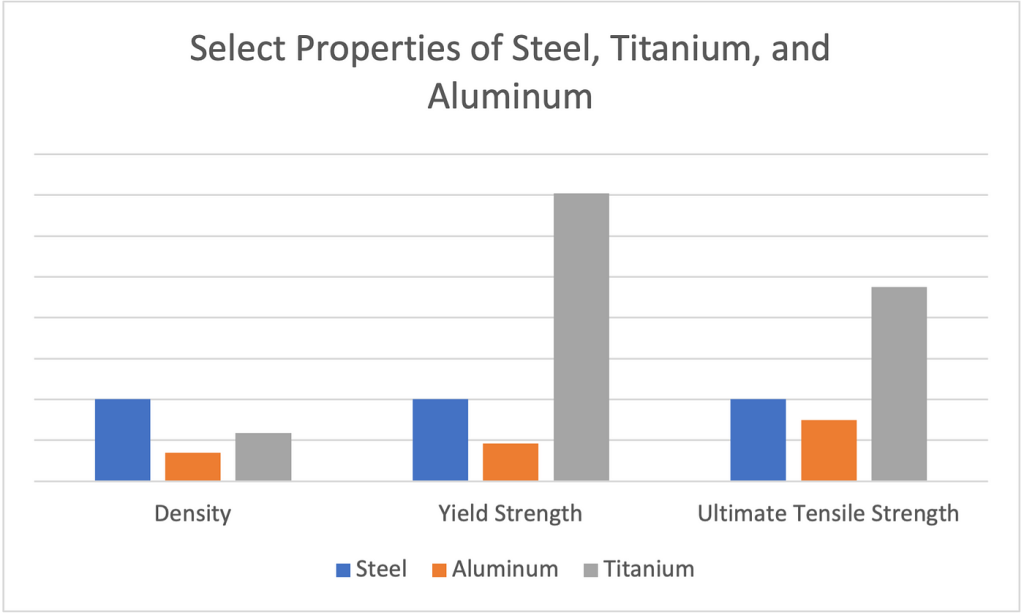
- Exceptional tensile strength and capacity to withstand higher loads.
- Structural component designed for long-term durability and must resist stress.
- It can withstand severe wear and tear, thus it is ideal for applications that require a lot of usage, like automotive frames and construction materials.
- It is less prone to impact damage than aluminum.
Aluminum
- Aluminum is not as strong as steel but has a very good strength-to-weight ratio.
- Ideal for applications where the material needs to be light in weight, like aerospace and automotive industries.
- It is more susceptible to dents and deformation due to extreme pressure than steel.
- Can be strengthened through alloying and heat treatment, though it still does not match steel’s overall durability.
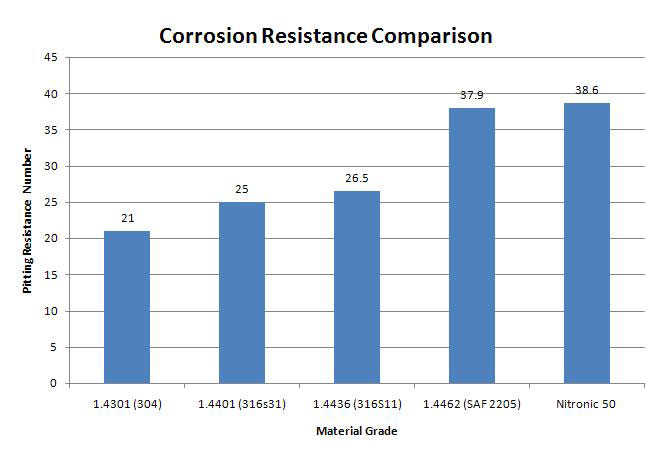
Corrosion Resistance
- The ability to withstand rust and environmental exposure is another important factor in metal selection.
Steel:
- Carbon steel is prone to rust and corrosion if not properly treated.
- Stainless steel variants offer superior corrosion resistance but come at a higher cost.
- Galvanized coatings and other treatments can enhance resistance to moisture and chemicals.
- Suitable for indoor applications and environments where corrosion is not a major concern.
Aluminum:
- Naturally corrosion-resistant due to its oxide layer, eliminating the need for additional coatings.
- Performs well in harsh environments, including marine and aerospace applications.
- Does not rust, making it an excellent choice for outdoor and humid environments.
Weight and Machinability
For industries in which weight is a concern, such as transportation and electronics, the density and machinability of the metal are critical factors.
Steel
- It is denser than aluminum, which contributes to a heavy final product.
- It is hard and difficult to machine and form.
- Special tools are required to cut and shape it, thus increasing the production cost.
- Steel adds structural stability but may not be suitable for applications that demand lightweight materials.
Aluminum
- Lightweight, making it ideal for applications where weight savings are crucial (e.g., aircraft, automotive components, and consumer electronics).
- Easier to stamp and form, reducing manufacturing costs.
- Can be cut, bent, and shaped with lower energy consumption and wear on tools.
- Significant advantages in transportation efficiency due to its reduced weight.
Cost Factors
Cost is a determining factor for many manufacturers, influencing material selection and overall production expenses.
Steel:
- Generally more affordable in terms of raw material costs.
- However, processing costs can be higher due to machining complexity and weight.
- Long-term maintenance costs can increase if corrosion-resistant coatings are required.
- Provides a cost-effective solution for high-strength applications.
Aluminum:
- More expensive per pound compared to steel.
- Lower fabrication costs due to ease of machining and forming.
- Long-term savings can be achieved due to its corrosion resistance and lower transportation costs.
- A viable option for industries where performance outweighs material cost.
Applications
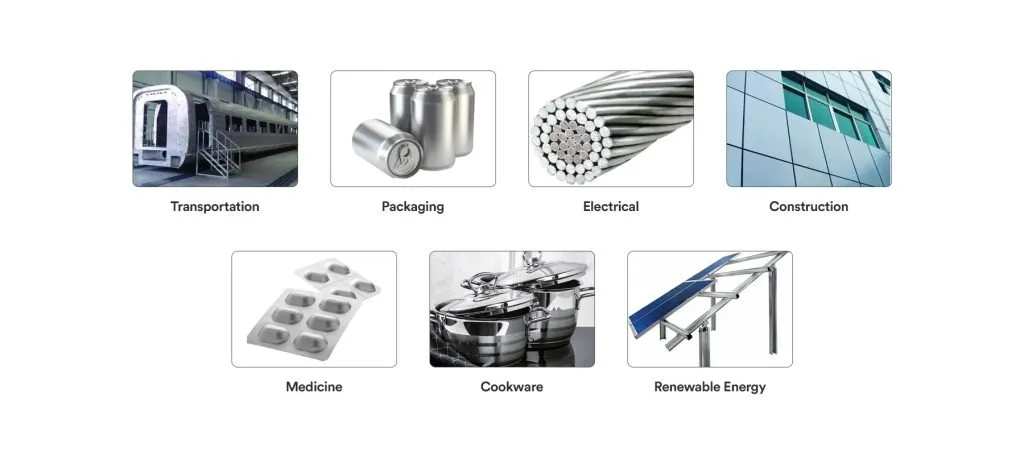
- Both metals serve different purposes based on their properties. Below are the most common applications for each.
Steel Applications:
- Automotive Industry: Used in structural components, engine parts, and safety reinforcements.
- Construction: Essential for frameworks, beams, reinforcements, and fasteners.
- Heavy Machinery: Provides strength and durability for industrial equipment and tools.
- Medical Equipment: Stainless steel is commonly used in surgical instruments and medical implants due to its strength and biocompatibility.
Aluminum Applications:
- Aerospace Industry: Ideal for aircraft components, due to its lightweight nature and corrosion resistance.
- Automotive Industry: Used in body panels, wheels, and engine components to enhance fuel efficiency.
- Electronics: Used for heat sinks, enclosures, and casings because of its high thermal conductivity.
- Consumer Goods: Used in lightweight appliances, furniture, and sports equipment.
Environmental Impact
As sustainability becomes a top priority in the manufacturing industry, evaluating the environmental impact of metal selection is more important than ever. Choosing the right metal not only affects product performance and cost but also plays a significant role in a company’s environmental footprint. Metals differ in terms of energy consumption during extraction, recyclability, and emissions generated throughout their lifecycle. For example, aluminum is highly recyclable and lightweight, helping to reduce fuel consumption in transportation applications, while stainless steel offers long-lasting durability that reduces the need for frequent replacement.
At Kbear Metal, we help clients make informed decisions by considering not just the technical requirements of each project, but also the sustainability implications. By selecting eco-friendly metals and optimizing production processes to minimize waste and energy use, manufacturers can contribute to greener practices while meeting performance and budgetary goals. Responsible material choices are key to building a more sustainable future in manufacturing.
The manufacturing industry is increasingly concerned with sustainability, so the environmental impact of metal selection must be assessed.
Steel:
- Highly recyclable, thus reducing waste and energy consumption.
- Production is energy intensive and emitting, but changed with the advance of sustainable steelmaking.
- Reusable and recyclable for a number of industrial uses.
Aluminum
- One of the most recycled materials with almost no loss in quality.
- The energy needed to recycle aluminum is much less than to produce new aluminum, which makes it environmentally friendly.
- Decreases carbon footprint, especially for industries that have lightweight efficiency in transportation and energy sectors.
Conclusion
The choice between steel and aluminum for metal stamping hinges on quite a few factors, which include the strength, weight, corrosion resistance, cost, and intended application.
Steel is used in applications requiring high durability, strength, and cost-effectiveness. Aluminum is ideal for lightweight, corrosion-resistant, and easy machinability of components.
By carefully evaluating the mechanical, environmental, and economic requirements of your project, manufacturers can make informed decisions that enhance performance, increase efficiency, and extend the lifespan of their components.
At Kbear Metal, we are committed to helping our clients navigate this decision-making process by offering expert guidance and high-quality stamped products in both steel and aluminum. Whether your goal is maximum strength, minimal weight, or optimal cost savings, Kbear Metal has the capabilities and experience to deliver stamped parts tailored to your exact specifications. Our precision metal stamping services are designed to meet the highest industry standards, ensuring that you receive reliable, high-performance components every time. Let us help you make the right material choice for your next metal stamping project.
Selecting the most appropriate material, while considering the needs of a particular project, helps manufacturers optimize their stamped parts to achieve maximum performance, efficiency, and longevity. Kbear Metal offers Both steel and aluminum metal stamps products with your choice that is best suited for the specific industrial demands of either maximum strength, minimal weight, or cost savings.



