


In the world of manufacturing and industrial production, precision and efficiency are everything. From automotive components to electrical enclosures and construction hardware, many of the metal parts we rely on every day begin their journey in a metal stamping press. While standard stamping can meet basic production needs, custom metal stamping offers unmatched flexibility and precision tailored to the unique requirements of each application.
In this comprehensive guide, we’ll explore what custom metal stamping is, how it works, its advantages, key applications, and how working with the right manufacturer—like Kbear, a trusted name in stamped metal components—can ensure the quality and performance of your end products.
What Is Custom Metal Stamping?
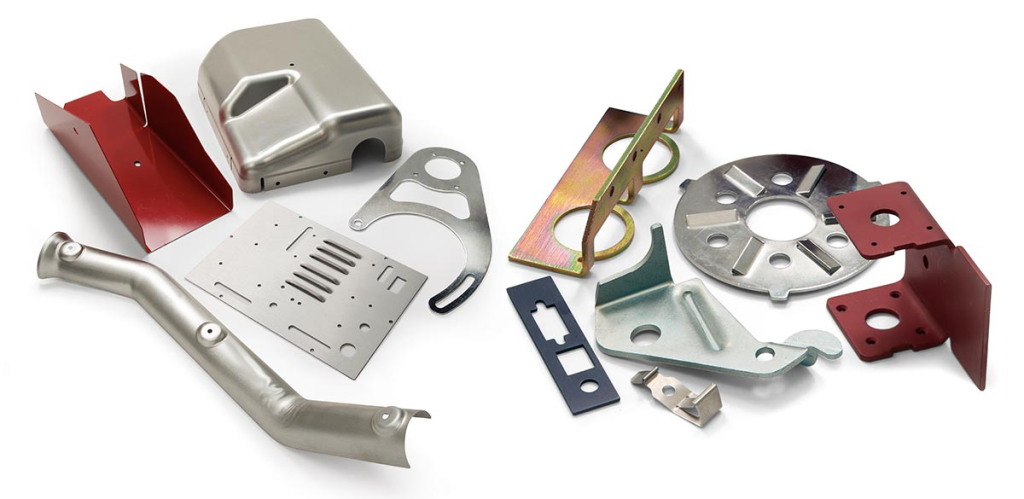
Custom metal stamping is a manufacturing process that uses specialized dies and presses to convert flat metal sheets into specific shapes and designs, tailored to unique customer requirements. Unlike standard stamping, which often uses pre-designed tools and dimensions, custom stamping involves the development of custom tooling based on detailed specifications, often including tight tolerances, complex geometries, or specialized materials.
This process is ideal for producing high volumes of identical parts, though it can also be adapted for low to medium production runs when precision and part integrity are critical.
How Does the Custom Metal Stamping Process Work?
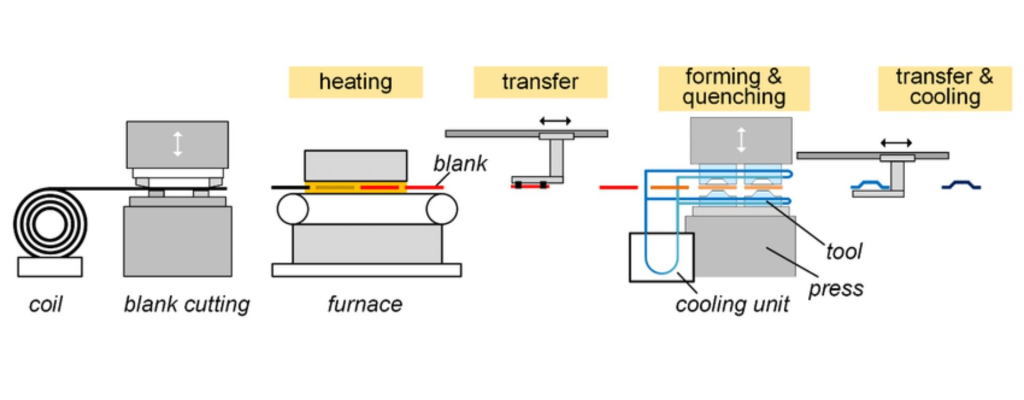
The custom metal stamping process involves several essential steps, each crucial to producing the final part with precision and quality. It begins with selecting the appropriate metal material based on the project’s requirements. Next, the metal sheet is fed into a stamping press equipped with a custom-designed die that shapes the metal through cutting, bending, or forming. Depending on complexity, processes like progressive stamping may be used for intricate designs. Finally, the stamped parts undergo quality inspection to ensure they meet specifications. Each step is carefully controlled to deliver durable, accurate components tailored to specific applications.
1. Design and Engineering
Everything begins with the client’s blueprint or 3D CAD model. Engineers at the metal stamping facility work with these drawings to develop custom dies that will be used in the stamping press. Factors such as part geometry, material type, thickness, and production volume are taken into account.
2. Tool and Die Manufacturing
Once the design is finalized, custom dies are fabricated using hardened tool steel or other wear-resistant materials. These dies are crafted with extreme precision to ensure consistent and accurate output during the production process.
3. Material Selection and Preparation
The choice of material is critical to ensure the part meets its functional and mechanical requirements. Common metals used in custom stamping include:
- Stainless steel
- Carbon steel
- Aluminum
- Brass
- Copper
- Specialty alloys (nickel, titanium, etc.)
The metal is typically provided in sheet or coil form and is cut to the appropriate size before being fed into the press.
4. Stamping Process
Using either mechanical or hydraulic stamping presses, the prepared metal is fed into the machine where it undergoes one or more of the following operations:
- Blanking: Cutting the metal sheet into flat shapes
- Bending: Forming the metal into angles or curves
- Punching: Creating holes or cutouts
- Drawing: Forming the metal into three-dimensional shapes
- Coining: Pressing fine details or textures onto the surface
For complex parts, progressive stamping or multi-slide stamping may be used, where the material moves through several dies or tooling stations within one press cycle.
5. Secondary Operations (If Needed)
After stamping, parts may undergo additional processing such as:
- Deburring
- Heat treating
- Plating or coating
- Welding or assembly
- Tapping or threading
These secondary operations ensure the part is production-ready and meets all aesthetic and functional requirements.
Benefits of Custom Metal Stamping
Custom metal stamping offers a wide array of advantages that make it a preferred choice in many industries. It provides exceptional precision, allowing manufacturers to produce parts with tight tolerances and consistent quality. This process is highly efficient, enabling large-scale production runs that reduce lead times and lower costs. Additionally, metal stamping is versatile, accommodating a variety of metals and complex designs, including features like embossing and texturing. The durability and strength of stamped components make them ideal for demanding applications in automotive, aerospace, electronics, and construction sectors. Moreover, custom stamping allows for scalability and flexibility, making it suitable for both small batches and mass production. These benefits combine to deliver reliable, cost-effective, and high-quality metal parts tailored to specific project requirements.
1. Tailored to Specific Needs
With custom dies and tooling, manufacturers can produce parts with unique shapes, tolerances, and features that aren’t possible with off-the-shelf components.
2. High Precision and Consistency
Modern CNC-controlled stamping presses and precision tooling result in parts with extremely tight tolerances and repeatability, even in high-volume production.
3. Cost Efficiency for Large Volumes
Although the initial investment in custom tooling can be significant, the per-unit cost of custom stamped parts becomes highly economical at scale due to automation and speed.
4. Versatility in Material and Design
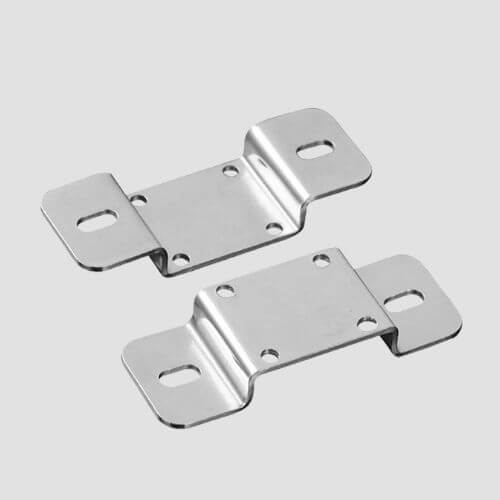
Custom stamping can accommodate a wide range of metals, finishes, and part geometries, making it suitable for everything from decorative panels to structural brackets and enclosures.
5. Reduced Waste
With optimized tooling and precise stamping processes, material usage is efficient, reducing scrap and minimizing costs.
6. Streamlined Production
Parts are manufactured quickly and often require fewer secondary operations, reducing lead times and simplifying the supply chain.
Applications of Custom Metal Stamping
Custom metal stamping is used across a wide range of industries due to its versatility, precision, and efficiency. In the automotive sector, stamped metal parts are essential for creating durable components that withstand rigorous conditions. The aerospace industry relies on custom stamping for lightweight, high-strength parts that meet strict safety standards. Electronics manufacturers utilize metal stamping to produce intricate connectors, housings, and conductive components with tight tolerances. In construction, metal stamped parts are valued for their strength and resistance to environmental wear, making them ideal for structural and decorative applications. Medical device manufacturers also depend on custom stamping for producing reliable, precise components that meet stringent health regulations.
Additionally, consumer appliances benefit from stamped metal parts that combine functionality and durability. Overall, custom metal stamping’s ability to produce high-quality, consistent parts tailored to specific needs makes it indispensable across many fields, supporting innovation and reliability in various products and systems. Custom metal stamping is used across a wide range of industries, including:
1. Automotive
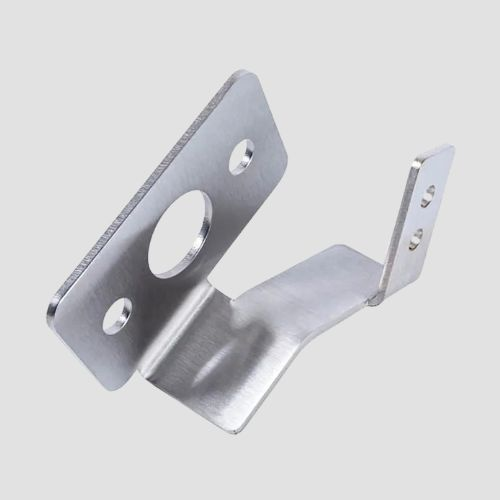
Stamped parts are used in frames, engine components, brackets, heat shields, and more. Custom stamping ensures these parts meet strict performance and safety standards.
2. Electronics
Metal contacts, connectors, heat sinks, and shielding enclosures all rely on precision-stamped parts for functionality and compact design.
3. Aerospace
Lightweight yet strong components such as brackets, fasteners, and support structures are produced through custom metal stamping with high-grade alloys.
4. Construction and Hardware
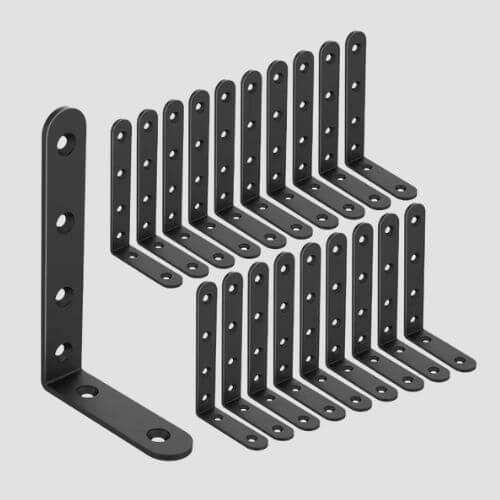
Mounting brackets, framing connectors, support channels, and other building hardware are made to custom specs for strength and durability.
5. Medical Devices
Surgical instruments, diagnostic devices, and equipment housings require exacting specifications, which are easily achieved with custom stamping.
6. Consumer Products
Appliances, furniture, and electronic gadgets all incorporate custom metal components to achieve both form and function.
Choosing a Custom Metal Stamping Partner
When selecting a partner for custom metal stamping, it’s essential to choose a manufacturer that delivers precision and consistent quality, ensuring parts meet exact specifications. Look for advanced technology and automation to guarantee efficient, accurate production. Expertise in material selection and finishing helps optimize the final product for your specific needs.
A reliable partner should offer scalability to handle different production volumes, from prototypes to mass production. Strong customer support with clear communication and timely delivery is also crucial. Finally, experience in your industry ensures they understand your unique requirements and can provide tailored solutions. When selecting a partner for custom metal stamping, it’s important to look for a manufacturer that offers:
- In-house design and engineering support
- Advanced tool and die making capabilities
- High-capacity stamping presses
- Quality certifications (ISO, IATF, etc.)
- Material traceability and documentation
- Post-processing and assembly options
Why Choose Kbear?
Kbear is a reliable custom metal stamping manufacturer known for delivering precision-engineered parts on time and on budget. With years of experience and a state-of-the-art facility, Kbear serves clients across the automotive, construction, electronics, and industrial equipment sectors.
Our capabilities include:
- Custom tooling design and fabrication
- Progressive, deep draw, and multi-slide stamping
- Short-run and high-volume production
- Value-added services like coating, threading, and assembly
- Strict quality control and material testing
By working closely with clients from concept to production, Kbear ensures that every stamped component performs as intended in its final application.
Custom Metal Stamping vs. Other Fabrication Methods
Let’s briefly compare custom metal stamping with other common manufacturing methods:
| Method | Best For | Pros | Cons |
|---|---|---|---|
| Custom Stamping | High-volume, precise parts | Fast, consistent, low cost per part | High initial tooling cost |
| Laser Cutting | Prototyping, small runs | Flexible design changes | Slower for large volumes |
| Die Casting | Complex shapes, tight tolerances | Smooth finishes, durable | Not ideal for flat parts |
| Machining (CNC) | Low-volume, high precision | No tooling needed | Expensive per unit |
Stamping is often the most cost-effective solution for large production runs of metal parts with consistent specifications.
Conclusion
Custom metal stamping is a powerful and versatile manufacturing process that allows companies to create precise, durable, and cost-efficient components tailored to their specific needs. Whether you’re designing complex electronic parts or robust structural brackets, custom stamping provides the flexibility, speed, and quality needed in today’s competitive markets.
At Kbear, we specialize in providing high-performance custom metal stamping solutions that meet the strictest industry standards. Our team works closely with each client to develop custom tooling, select the right materials, and deliver consistent, production-ready parts—every time.
Contact Kbear today to learn how our custom metal stamping services can help you streamline your production process, reduce costs, and improve product performance.



