


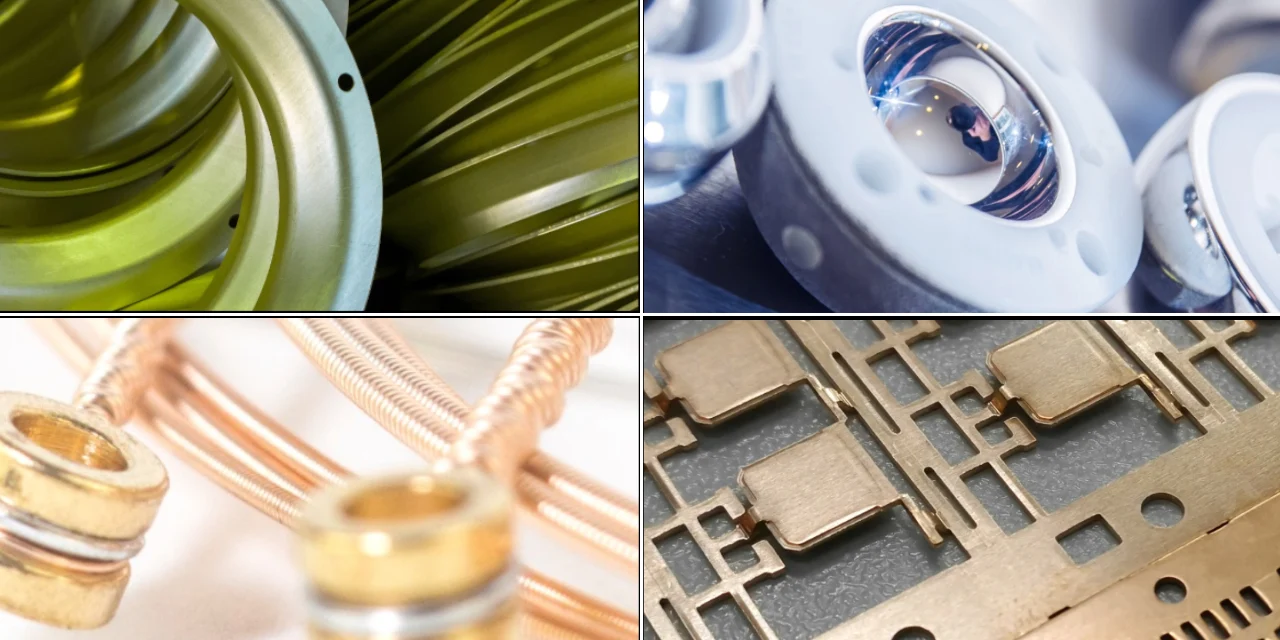
The construction and power tool industry plays a crucial role worldwide, supporting everything from building homes and commercial structures to providing tools used in daily tasks. Given that power tools and construction equipment frequently face harsh environments—exposure to extreme temperatures, heavy impacts, constant vibrations, and other demanding conditions—the industry depends heavily on high-quality metal stamped components. These stampings must be engineered to endure such challenges without compromising performance or safety. Their strength, durability, and resistance make them ideal for ensuring that equipment and structures remain reliable and long-lasting, even under the toughest circumstances. As a result, metal stamping has become an essential manufacturing process, providing the precision and robustness needed to meet the rigorous demands of the construction and power tool sectors.
The strength, durability, and resistance of metal stamped components grants them the ability to hold up against heavy loads, aggressive use, and various types of rugged environments. Metal stamped components are made from various materials using numerous techniques, depending on the needs of the application.
What are the key metal stamping materials used?
Building owners, designers, architects, and general contractors often choose metal over alternative materials for their construction projects due to its superior combination of efficiency, strength, and low maintenance requirements. Metal stamping offers excellent durability, resistance to environmental conditions, and long-lasting performance, making it ideal for both structural and decorative components in commercial, industrial, and residential applications. In metal stamping, selecting the right material is a critical step that directly impacts the functionality, safety, and longevity of the final product. Factors such as strength, corrosion resistance, formability, and compatibility with other materials should be carefully evaluated. Whether you’re working on a large-scale infrastructure project or a custom-designed architectural element, it’s essential to consider the specific requirements and technical specifications of your application. By doing so, you ensure that all stamped components are optimized for performance and meet the highest quality standards—helping your project run smoothly, stay within budget, and exceed expectations.
Common metals used in metal stamping include:
- This is the most popular and commonly used metal for construction and power tool applications. It’s highly sustainable as it consists of mostly recycled metals and is subsequently used to create many sustainable structures that are both cost-effective and durable.
- If you’re in need of a versatile metal, copper is one of the best options. It’s useful for many applications because of its flexibility, durability, corrosion resistance, strength, and conductivity.
- Aluminum has a high strength to weight ratio and features more corrosion resistance than other metals.
- Similar to aluminum, titanium is both durable and lightweight. It’s frequently used for heating and cooling system construction due to its high corrosion resistance.
- Brass offers a smooth surface, high corrosion resistance, high conductivity, and the ability to be easily soldered. It’s often used for metal components in electronics.
- Both cast and wrought iron are often used for many applications in the construction industry because of their durability. While wrought iron is rolled toward the end of production, cast iron is melted, poured, and molded to form many parts in architectural applications.
What are the metal stamping applications?
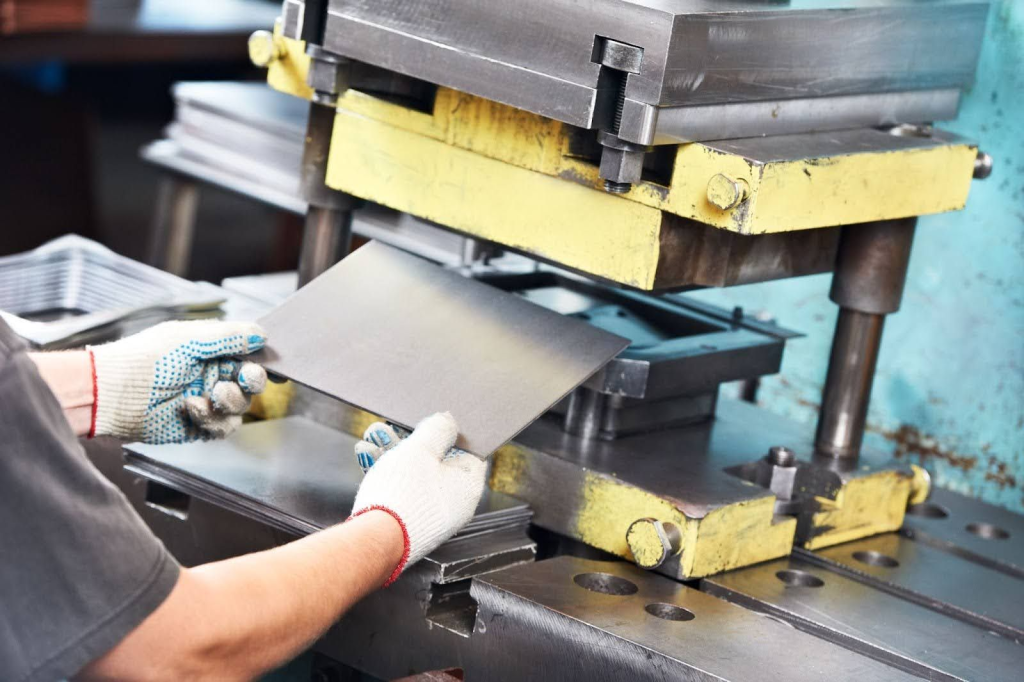
In the construction industry, stamped metal parts must be exceptionally durable, reliable, and built to last. These components often serve as critical elements in structural frameworks, support systems, and heavy-duty equipment, making their performance essential to safety and longevity. Given the harsh environments typical of construction sites—ranging from outdoor exposure to high-impact loads—these parts must meet stringent industry standards. This includes resistance to rust, corrosion, and environmental wear, especially when used in applications subject to moisture, chemicals, or abrasive conditions. Additionally, construction parts must be capable of withstanding extreme temperature fluctuations, maintaining their integrity across both hot and cold climates. Metal stamping provides the precision and strength needed to meet these requirements, delivering parts that are consistent in quality and well-suited for heavy-use scenarios. With the right materials and processes, stamped components can significantly enhance the reliability, safety, and longevity of construction projects across a variety of applications.
Applications for metal stamped parts within the construction and power tool industry include:
● Commercial and Private Buildings: Metal stamped parts are highly valued in the construction of both commercial and private buildings because they offer exceptional precision and consistency. This accuracy ensures that components fit perfectly within complex architectural designs and structural frameworks, contributing to the overall safety, durability, and aesthetic quality of the building. Their strength and reliability make them suitable for critical applications such as support brackets, fasteners, connectors, and decorative elements. Additionally, metal stamped parts can be produced efficiently in large volumes, helping projects stay on schedule and within budget while maintaining stringent quality standards.
● Equipment for Construction Projects: Metal stamping plays a crucial role in manufacturing essential components for construction equipment. It is widely used to produce durable parts for power tools, industrial switches and connectors, panel fastening systems, and custom assemblies that are integral to construction operations. These stamped components must withstand heavy use, harsh environments, and mechanical stress, ensuring reliable performance and safety on job sites. The precision and repeatability of metal stamping allow manufacturers to deliver high-quality parts that meet exact specifications, helping construction equipment operate efficiently and effectively throughout demanding projects.
● Appliances. Metal stamped parts are commonly used in a wide range of home and commercial appliances, such as dishwashers, washer and dryer units, HVAC systems, refrigerators, and many others. These components provide essential structural support, secure fittings, and ensure the smooth operation of moving parts within appliances. The precision and durability of metal stamping make it ideal for producing parts that must withstand frequent use, temperature variations, and exposure to moisture or chemicals. By incorporating metal stamped components, appliance manufacturers can deliver products that are reliable, long-lasting, and efficient, meeting the high demands of everyday household and commercial use.
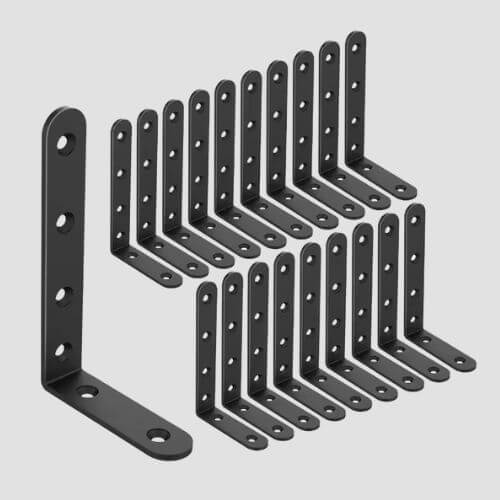
● Miscellaneous Construction Supplies: In addition to major structural and equipment components, metal stamped parts are widely used for a variety of miscellaneous construction supplies. These include brackets, housings, shields, clips, trusses, and lighting components—each playing a vital role in the overall functionality and safety of construction projects. Thanks to metal stamping’s precision and versatility, these parts can be manufactured to exact specifications, ensuring they fit seamlessly and perform reliably. Their durability and resistance to wear and corrosion make them well-suited for the demanding environments often encountered in construction, helping to extend the lifespan and effectiveness of the structures and systems they support.
What metal stamping techniques are used?
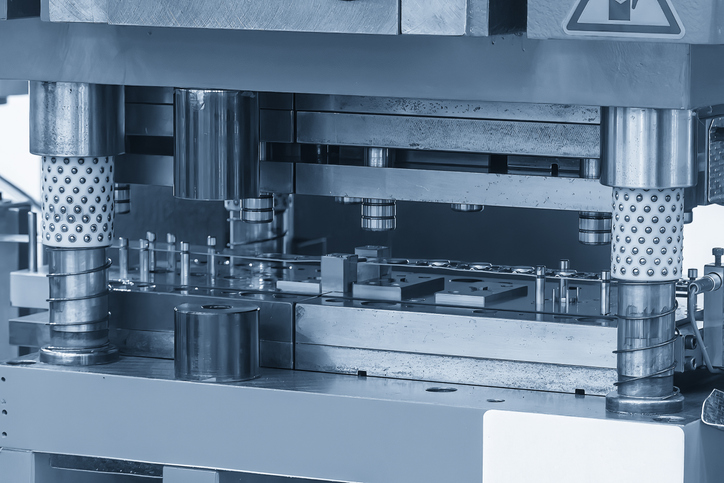
To produce metal parts, a metal stamping manufacturer utilizes specific techniques tailored to the unique requirements of each application. The process begins with feeding flat sheets of metal—such as steel, aluminum, brass, or copper—through a stamping press. This press, equipped with a precisely engineered tool and die, applies force to shape the metal into the desired form. The tooling is customized according to the component’s design specifications, allowing for high levels of accuracy and repeatability. Depending on the complexity of the part, the manufacturer may use single-stage stamping for simple shapes or progressive die stamping for more intricate geometries. In progressive stamping, the metal sheet advances through multiple stations within the press, with each stage performing a different operation such as cutting, bending, or coining. This automated method allows for the efficient, high-volume production of parts while maintaining tight tolerances and consistent quality. Overall, the metal stamping process offers flexibility, speed, and precision for a wide range of industrial applications.
A wide variety of components are created with metal stamping for the construction and power tool industry using several techniques, including:
- Metal bending
- Metal punching
- Metal coining
- Metal forming
- Blanking
- Flanging
- Embossing
- Curling
- Drawing
- Piercing
The specifications of each project and product design will dictate which technique or combination of techniques is best suited for your needs.
Metal Stamped Parts From Kbear Metal
Metal stamped parts offer a range of advantages, making them crucial for power tools and construction applications. At Kbear Metal, we specialize in manufacturing precision metal stampings for a variety of industries. Our dedication to providing high-quality parts and commitment to customer satisfaction ensures reliable metal stamped parts designed specifically for your needs. To learn more about our capabilities, or to get started on your custom metal stamping project, contact us or request a quote today.
Conclusion
In conclusion, metal stamping plays a vital role in the construction and power tool industries by providing durable, reliable, and precisely engineered components essential for everyday applications. The ability of metal stamped parts to withstand harsh environmental conditions—such as extreme temperatures, impacts, and vibrations—makes them indispensable in commercial buildings, construction equipment, and various appliances. Selecting the right materials, such as steel, aluminum, copper, titanium, brass, or iron, is fundamental to ensuring these components meet specific strength, corrosion resistance, and longevity requirements.
The versatility of metal stamping techniques—from bending and punching to coining and embossing—allows manufacturers to produce parts tailored to complex designs and demanding functional needs. Progressive die stamping and other automated methods enable efficient high-volume production without compromising quality or precision.
Kbear Metal’s expertise and advanced manufacturing capabilities ensure that every stamped component meets stringent industry standards and is engineered for optimal performance. Whether for structural elements, power tool parts, or intricate appliance components, metal stamped parts enhance the safety, efficiency, and durability of construction projects and tools. By partnering with a professional metal stamping manufacturer like Kbear Metal, businesses can achieve superior product quality and reliability while streamlining production and controlling costs. Reach out today to discover how Kbear Metal can support your custom metal stamping needs with precision and excellence.



