


The manufacturing, engineering, and construction and building industries are some of the industries that heavily make use of bolts and nuts. For putting together and securing different structures, items of machinery, and components of equipment, they are both necessary. Depending on their unique design and intended function, bolts and nuts have diverse applications and uses. In this post, we’ll look at how bolts and nuts are generally used & their various applications. Understanding the application and use of bolts and nuts, whether you’re a DIY enthusiast or a professional contractor, is essential for making sure assemblies are safe and secure.
Main Use of Bolts and Nuts
Bolts and nuts are used to permanently or semi-permanently fasten materials, usually metal.
A nut is an attachment that fits the end of a bolt and strengthens its holding power. The bolt, which is non-tapered, then holds the part fastened with the nut. Both are usually used when both sides of the fastened part need to be accessible.
If the parts are subject to vibration, an additional component like a spring washer or a lock nut will be necessary to prevent the nut from coming loose.
Nuts and bolts are used to fasten different materials, such as:
- Metal
- Wood
- Concrete
Bolts and nuts come in many sizes and types.

Industries That Use Bolts and Nuts
Bolts and nuts are among the most widely used fasteners in the world, playing a critical role in countless industrial applications. Their ability to create strong, secure, and removable joints makes them essential across various sectors. From heavy-duty construction and automotive manufacturing to precision engineering and everyday consumer products, these fasteners ensure the safety, durability, and efficiency of assembled structures and machinery. Each industry relies on specific types of bolts and nuts designed to meet unique demands—whether it’s withstanding high pressure, resisting corrosion, or allowing easy disassembly for maintenance. Understanding where and how these components are used highlights their importance in keeping the world’s infrastructure, machines, and products functioning reliably.
Agriculture
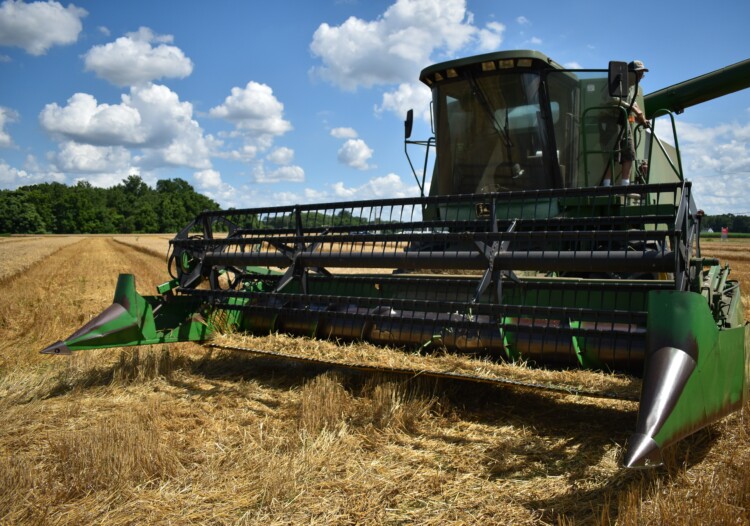
In the agricultural industry, bolts and nuts are essential components used to assemble and maintain a wide variety of equipment and structures. From tractors and harvesters to irrigation systems and grain storage facilities, these fasteners ensure the stability, safety, and efficiency of daily farming operations. Due to the demanding nature of agricultural work—often involving exposure to dirt, moisture, vibration, and constant movement—fasteners used in this sector must be durable, corrosion-resistant, and able to withstand heavy loads.
Common applications include securing blades and attachments on plows and cultivators, assembling metal frameworks for greenhouses and fencing, and mounting parts on agricultural trailers and sprayers. Heavy-duty hex bolts, carriage bolts, flange bolts, and lock nuts are frequently used for their strength and reliability in rough conditions. Stainless steel and zinc-coated fasteners are popular choices in agriculture due to their resistance to rust and long service life.
Reliable fasteners not only reduce maintenance costs and equipment downtime but also contribute to the overall productivity of farming operations. At Kbear Metal, we supply high-quality agricultural bolts and nuts designed to meet the tough demands of the farming industry. Contact us today for durable fastening solutions you can depend on in the field.
Automobile/ Transportation
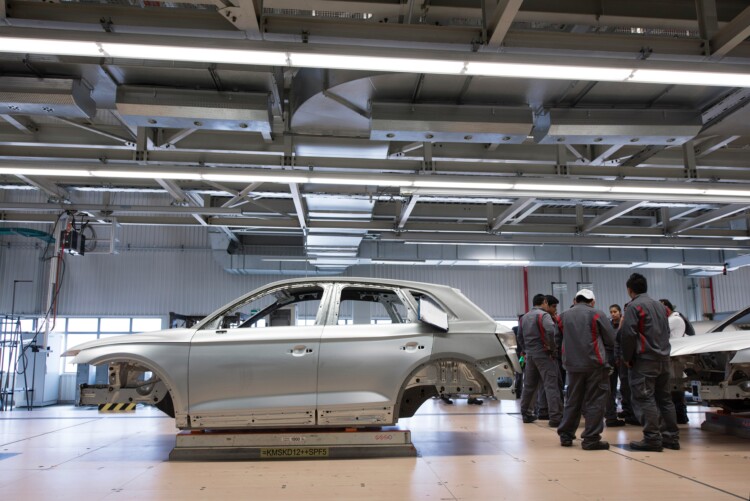
The automobile and transportation industries heavily rely on bolts, nuts, and other fasteners to assemble and maintain a wide range of vehicles, including cars, trucks, buses, airplanes, trains, and construction machinery. Fasteners are used in nearly every part of a vehicle—from the engine, chassis, and suspension system to the interior panels and electrical components. Each application demands specific fastener types designed to handle high levels of vibration, heat, and mechanical stress.
In automotive assembly, hex bolts, flange bolts, and lock nuts are commonly used to secure critical parts like brake systems, transmissions, and steering components. Fasteners must not only be strong but also lightweight and corrosion-resistant, especially in aerospace and electric vehicle applications where efficiency and weight reduction are priorities.
The safety and reliability of vehicles depend heavily on the performance of the fasteners used. Poor-quality or improperly selected bolts can lead to mechanical failures, posing serious safety risks. That’s why transportation manufacturers require precision-engineered, high-grade fasteners that comply with strict industry standards.
At Kbear Metal, we provide automotive and transportation industries with high-performance fasteners designed for durability, strength, and safety. Contact us for custom solutions and dependable products that meet your specific needs.
Building & Construction
Fasteners are essential to the integrity of scaffolding and other support structures used in building and construction applications.

Chemical refining
In chemical refineries, fasteners must withstand some of the most demanding environments, including exposure to harsh chemicals, high temperatures, and extreme pressures. To meet these challenges, high-performance, corrosion-resistant materials such as stainless steel, tool alloys, and exotic metals are commonly used for bolts, nuts, and other fasteners. These materials ensure longevity and reliability even in aggressive chemical environments where standard fasteners would quickly degrade.
Fasteners in refineries are critical components in assembling and maintaining vital equipment like processing systems, storage tanks, heat exchangers, and pipelines. The secure fastening of these machines is essential for safe and efficient operation, preventing leaks, mechanical failures, and costly downtime.
Due to the specialized nature of refinery operations, fasteners often require precise engineering to tolerate thermal expansion, vibration, and corrosive exposure while maintaining a tight seal. Selecting the right fastener material and design is crucial for operational safety and compliance with industry standards.
At Kbear Metal, we offer a wide range of premium fasteners made from corrosion-resistant materials designed specifically for the chemical and petrochemical industries. Contact us to find reliable fastening solutions tailored to your refinery’s demanding needs.
Marine
To withstand the prolonged exposure to saltwater that marine decks, ramps, bulkheads, and tanks experience, fasteners used in the marine sector must have good corrosion resistance. Marine fasteners frequently consist of materials like aluminum and stainless steel.

Military
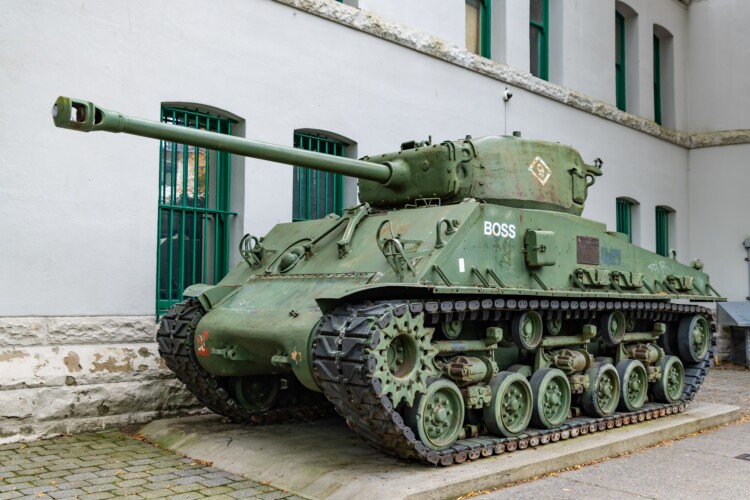
Military fasteners are made to withstand harsh conditions, caustic substances, and high temperatures. Heat exchangers, machinery motors and engines, and processing equipment are examples of frequent usage.
Oil & gas
Fasteners used in the oil and gas industries must work consistently under extreme stress and corrosive circumstances, just like those used in the military. Drilling rigs, tanks, and pumps are a few examples of processing equipment where these fasteners are used.
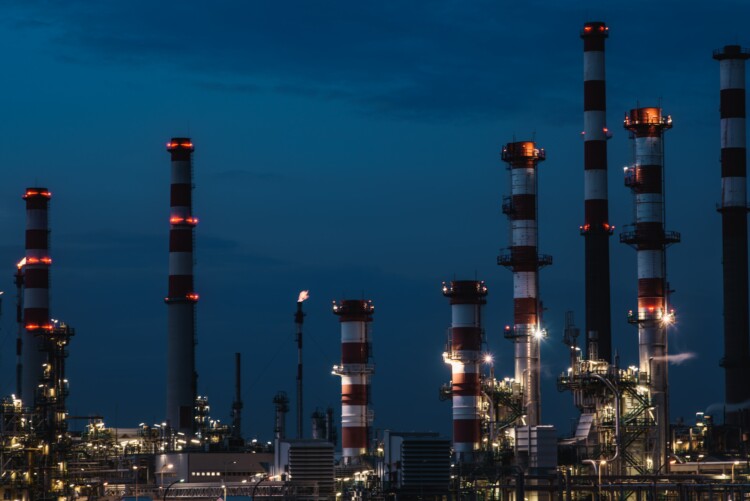
Electrical & Power generation
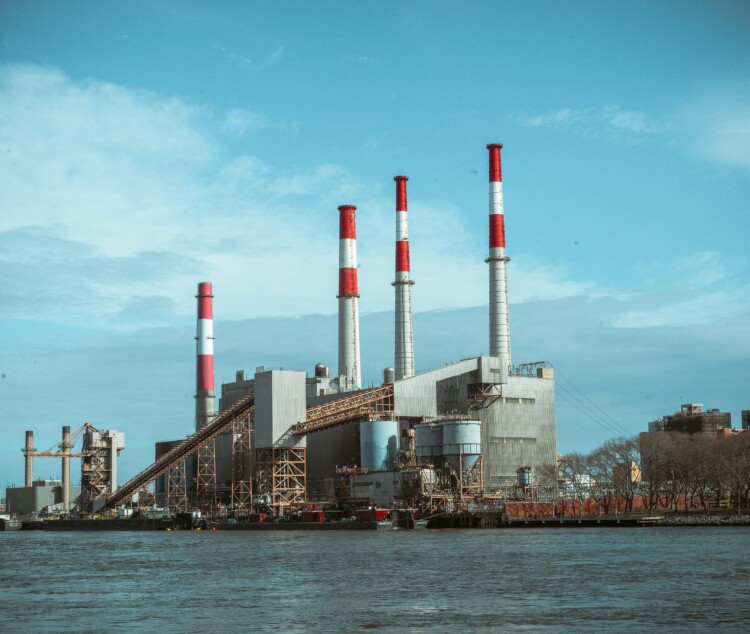
High strength and corrosion-resistant materials, such as aluminum, copper, nickel alloys, stainless steel, and other steel alloys, are used to make fasteners for the power generation sector. Typical uses include motors and pumps, exhaust systems, electrical equipment, and storage containers.

Plumbing
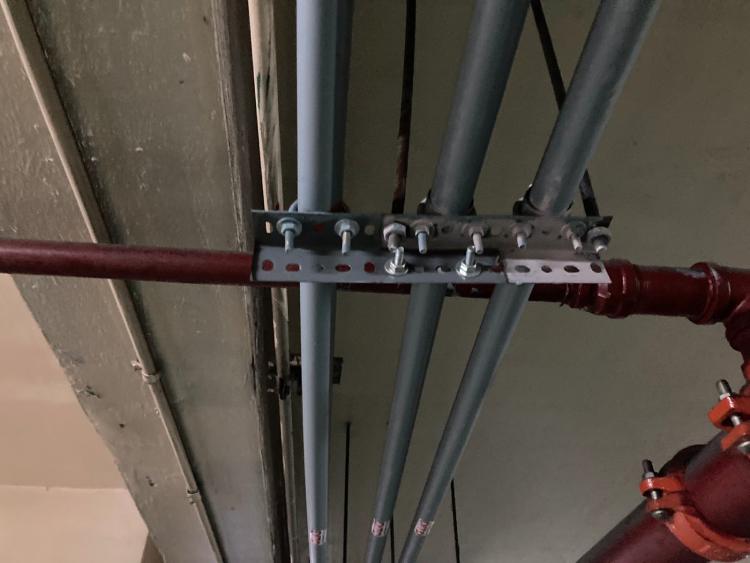
Pipes are mechanically attached or joined together using pipe fasteners, made of both high tensile and mild steel. Both industrial and domestic pipe fittings use a variety of fasteners.
Fire Protection
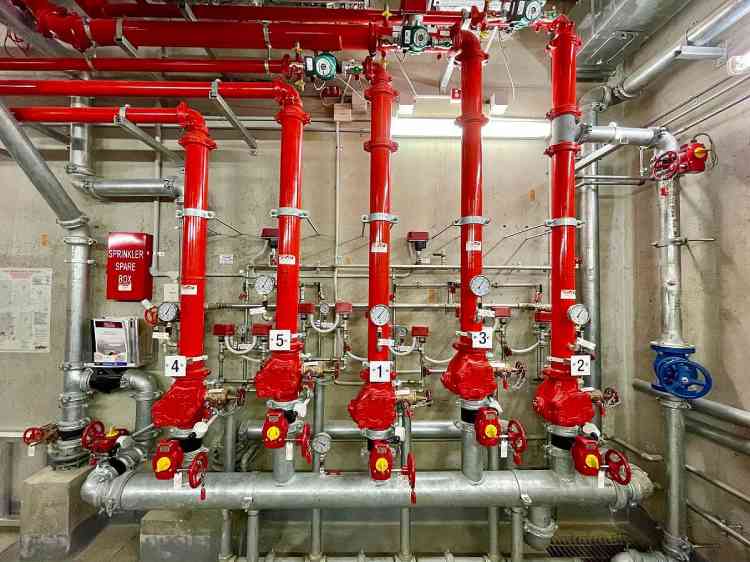
Bolts begin to bend and shear at high temperatures because the metals begin to shrink as a result of the high temperature. When this occurs, the steelwork’s structural integrity deteriorates. If this occurs at the steel’s vertices and joints, the chance of a building’s components collapsing catastrophically increases. Due to this, it’s crucial that the steel bolts used to assemble the steel are high-performance, insulated, and protected, such as with the help of bolt caps.
Conclusion
Bolts and nuts are foundational components in nearly every industry that involves construction, manufacturing, machinery, or assembly. Their role in creating secure, reliable joints between materials cannot be overstated. From towering skyscrapers and bridges to household furniture and automotive engines, bolts and nuts ensure stability, durability, and safety across a wide range of structures and mechanical systems.
One of the key advantages of bolts and nuts is their versatility. They come in a multitude of designs, materials, sizes, and coatings to match specific requirements. For instance, carriage bolts, with their domed heads and square shoulders, are ideal for woodworking projects and prevent spinning during installation. Flange bolts, with their built-in washer heads, provide excellent load distribution and are frequently used in machinery and automotive applications. Hex bolts, arguably the most widely used type, are compatible with various tools and are favored in both heavy-duty construction and everyday repair tasks due to their strength and ease of use.
Beyond these examples, specialty bolts such as anchor bolts, eye bolts, U-bolts, and shoulder bolts serve niche purposes—whether it’s securing structural steel to concrete, providing lifting points, clamping pipes, or allowing for controlled rotation in mechanical systems. On the other hand, nuts come in various forms such as hex nuts, lock nuts, cap nuts, wing nuts, and T-nuts, each complementing different bolt types to achieve specific fastening results.
What makes bolts and nuts especially valuable is not just their mechanical strength, but their reusability and replaceability, unlike permanent fasteners such as rivets or welds. This allows for maintenance, upgrades, and repairs without compromising the entire structure. In dynamic environments where vibration is a concern, specialized combinations like lock nuts with flange bolts can resist loosening and provide long-term performance.
Materials and coatings also play a crucial role in determining where and how bolts and nuts can be used. Stainless steel, carbon steel, brass, titanium, and even nylon are used depending on factors such as load capacity, corrosion resistance, temperature tolerance, and electrical conductivity. Coatings like zinc plating, hot-dip galvanization, or black oxide enhance corrosion resistance, making fasteners suitable for indoor, outdoor, or marine environments.
Looking for High-Quality Bolts and Nuts? Contact Us Today!
At Kbear Metal, we specialize in supplying a wide range of industrial-grade bolts and nuts tailored to your needs. Whether you’re sourcing hex bolts, flange bolts, carriage bolts, cap nuts, or custom fasteners, we provide durable, precision-engineered products that meet strict quality standards.
We serve industries including construction, automotive, heavy equipment, infrastructure, and manufacturing, offering both standard and custom solutions. Our team is committed to helping you choose the right fastening components for any project—big or small.
Get in touch today for bulk pricing, technical support, or product catalogs. Contact us!



