


In aerospace engineering, safety, reliability, and performance are non-negotiable. Every component, system, and material used in aircraft and spacecraft must meet rigorous standards to ensure the safety of passengers, crew, and the vehicle itself. Among these components, fasteners—such as bolts, screws, rivets, and pins—might seem like small, simple hardware items. However, their selection, design, and proper usage are vital to the structural integrity and overall success of aerospace projects.
What is Fastener?
Fasteners are hardware pieces that mechanically join multiple materials or objects together. Types include bolts, screws, anchors, rivets, nails, spikes, and staples, which secure materials through mechanical friction or with another fastener. Nuts, pins, safety lock wire, and retaining rings help secure these fasteners in place. Spacers, standoffs, washers, shims, and shim stock ensure correct spacing and alignment to prevent damage.
KBear Metal is a quality nuts and bolts fasteners manufacturer that has been supplying standard and custom fasteners supplier since 1989. We offer a wide range of standard and metric fasteners in materials like steel, stainless steel, brass, silicon bronze, Hastelloy, Inconel, Monel, aluminum, alloy 20, 17-4PH, 17-7PH, titanium, and other non-ferrous metals. We supply over 100,000 different fastener components.

What are Aerospace Fasteners?
Aerospace or aircraft fasteners, one type of CNC machining aerospace parts are applicable specifically in the production of aerostructure. The aircraft detail parts are assembled in many production locations rather than being produced in a single plant. Also, these fasteners are necessary to join these parts into a complete airplane in the final aircraft assembly.
The aerospace industry is stringent when it comes to safety and weight. As a result, the fasteners used in manufacturing the aircraft are high quality and extremely durable.
Fasteners also can assemble aerostructures such as the fuselage, wings, empennage, nose, pylon, nacelle, flight control surfaces, and many more. Besides, they provide attractiveness and durability to commercial and military aircraft designs.
Additionally, aircraft fasteners give the aerostructure rigidity, making them an essential part of the aircraft. These fasteners are of different types, which include nuts and bolts, screws, rivets, and many more.
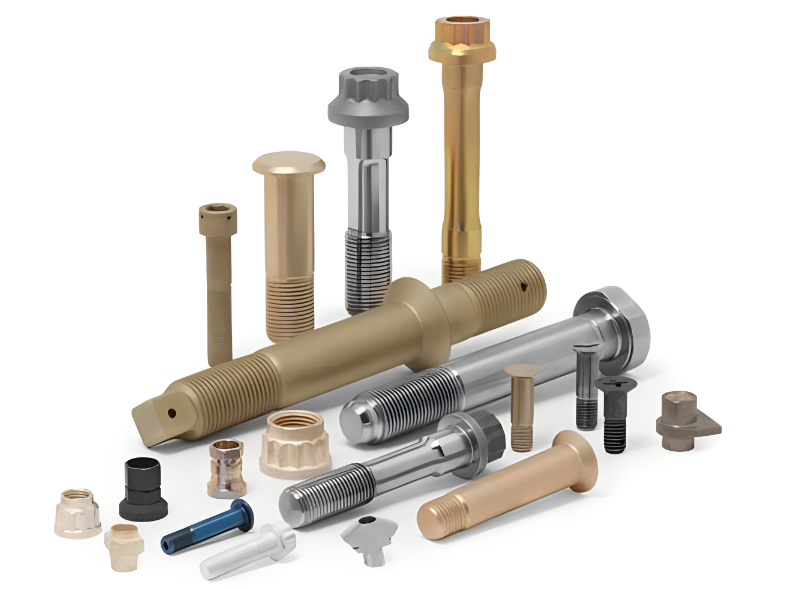
The Critical Role of Fasteners in Aerospace
Fasteners serve the fundamental purpose of joining two or more components together securely. In aerospace, they underpin the very structure of aircraft wings, fuselage panels, engines, landing gear, and interior assemblies. Due to the extreme conditions experienced during flight—including high vibrations, aerodynamic forces, temperature variations, and pressure changes—fasteners must perform flawlessly.
The failure of a fastener in an aerospace context can lead to catastrophic consequences, such as structural failure, in-flight separation, or even accidents. Therefore, understanding the importance of selecting the correct fastener type is crucial in aerospace design and maintenance.

Commonly Used Fasteners in the Aerospace Industry
There are some fasteners for aerospace that have wide applications in the commercial aviation industry. Also, there is an overview of the different types of fasteners for aircraft and how they compare and differ.
- Aircraft bolts: These are made of unplated corrosion-resistant steel, zinc plated corrosion-resistant steel, cadmium, or anodized aluminum alloys. Moreover, the commonly used bolts for aircraft are MS bolts, close tolerance bolts, NAS internal wrenching, and AN bolts.
- Aircraft nuts: These are threaded fasteners made of cadmium plated carbon steel, stainless steel, or anodized 2024T aluminum alloy. Besides, they are always used in conjunction with a mating bolt or screw. There are two types of aircraft nuts: non-locking and self-locking.
- Aircraft screws: These fasteners are the most common thread fastening method with a helical ridge, called an external thread. They are often composed of lower-strength materials than bolts and inserted with a loose-fitting thread.
- Aircraft rivets: These fasteners have a smooth cylindrical shaft with a head on one end and are used to join two or more metal sheets, plates, or pieces of material. The rivet’s shank is placed into matched holes in two pieces of material, and the tip is upset to produce a second head that securely clamps the two parts together.
- Aerospace Collars (Lock Bolt Rivet): These fasteners fit seamlessly with lock bolt rivets (available separately). They aid in attaching the rivet or bolt to the object and have compatible metal alloy bodies.

Characteristics of Aerospace Fasteners
Aerospace or aviation fasteners must be highly robust to survive tremendous gravity pressures. They are critical pieces of hardware that influence the aircraft’s overall safety and efficiency. Moreover, to efficiently keep manufacturing and use in check, these fasteners must pass stringent standard certification.
These fasteners have applications in any equipment that demands high-precision and high-quality attachment. The following are some of the most common properties of these fasteners:
- Operates in harsh situations
- High shear, fatigue, and tensile strength
- Self-sealing and self-locking capabilities
- High corrosion and oxidation resistance
- Lightweight design
Factors Influencing Fastener Selection in Aerospace
Several factors influence the choice of fastener types in aerospace applications:
- Mechanical Strength: The ability to withstand loads without deformation or failure.
- Corrosion Resistance: Resistance to oxidation and corrosion to maintain integrity over the lifespan.
- Weight: Lightweight fasteners contribute to overall aircraft efficiency.
- Durability: Ability to withstand repeated cycles of stress and environmental exposure.
- Vibration Resistance: Maintaining secure fastening despite vibration and dynamic forces.
- Ease of Installation and Maintenance: Ensuring efficient assembly and repair processes.
- Compatibility with Materials: Avoiding galvanic reactions or material degradation.
These considerations make fastener selection a highly specialized process.
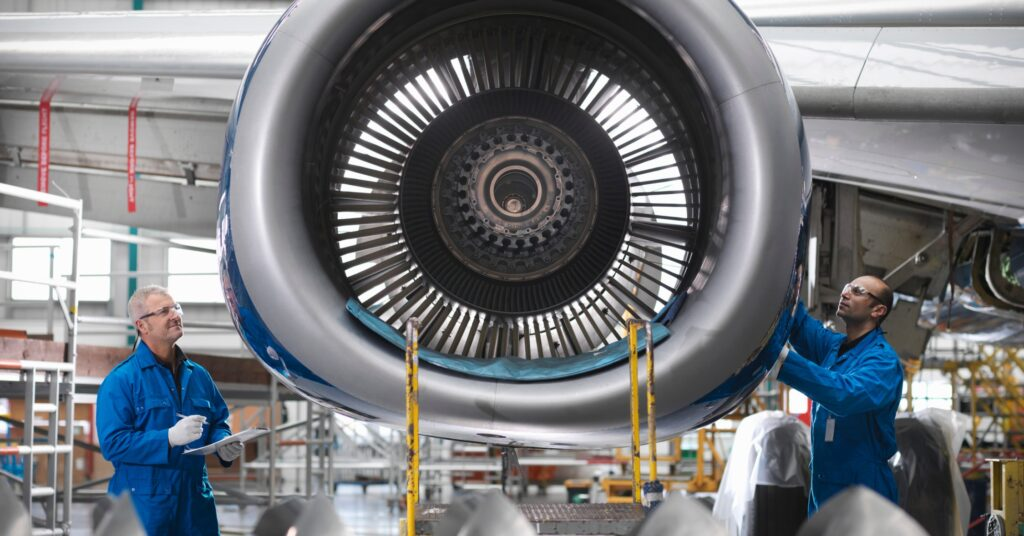
The Importance of Fastener Types in Aerospace
Different fastener types are designed to meet specific requirements. Choosing the appropriate one is essential for ensuring safety, performance, and longevity. The key fastener types used in aerospace include:
1. Rivets
Description: Rivets are permanent fasteners used extensively in aerospace structures. They consist of a shaft (or stem) and a head, which is deformed during installation.
Importance:
- Structural Strength: Seamless, reliable joints capable of bearing high loads.
- Weight Efficiency: Lightweight designs such as aluminum or titanium rivets help reduce overall aircraft weight.
- Corrosion Resistance: Special coatings and materials ensure longevity.
- Common Uses: Aircraft fuselage, wing skins, and structural frames.
2. Bolts and Nuts
Description: Bolts are externally threaded fasteners, and nuts are internally threaded. They are used where removable joints are needed.
Importance:
- Adjustability and Maintenance: Allow for disassembly and reassembly during maintenance.
- High Load Capacity: Designed for critical joints that require high tensile strength.
- Variability: Available in various materials (steel, titanium, inconel) and head styles to suit different needs.
- Common Uses: Engine mounting, structural joints, and interior fixtures.
3. Screws
Description: Similar to bolts but often used for lighter or non-structural assemblies. They are usually self-tapping or designed for specific materials.
Importance:
- Precision Assembly: Used in avionics, interior panels, and smaller components.
- Ease of Installation: Can often be installed or removed with hand tools.
- Material Compatibility: Designed to avoid damaging delicate parts.
4. Pins and Cotter Pins
Description: Pins are used to secure moving parts or align components, while cotter pins lock nuts or bolts in place.
Importance:
- Safety of Moving Parts: Prevent unintended disengagement.
- Vibration Resistance: Secure components against dynamic forces.
- Common Uses: Linkages, control surfaces, and locking mechanisms.
5. Special Fasteners
Description: Specialized fasteners like shear screws, pin fasteners with locking features, and high-temperature bolts.
Importance:
- Application-Specific: Designed to meet the unique demands of certain systems, e.g., turbine engines or supersonic aircraft.
- Enhanced Reliability: Ensuring performance under extreme conditions.

Why Fastener Type Matters: Key Considerations
1. Safety and Structural Integrity
The most critical reason for selecting the correct fastener type is safety. A fastener that cannot withstand the loads it encounters could fail, leading to structural collapse. For example, using a rivet with insufficient shear strength could cause joint failure during flight.
2. Weight Optimization
Every kilogram saved translates into fuel efficiency and increased payload capacity. Lightweight fasteners, like those made from titanium or composites, are often chosen over traditional steel fasteners in aerospace to reduce weight without compromising strength.
3. Corrosion and Environmental Resistance
Aerospace fasteners must resist harsh environments—saline atmospheres, extreme temperatures, and oxidative conditions. Copper-free aluminum rivets or stainless steel bolts prevent corrosion, prolonging service life.
4. Vibration and Fatigue Resistance
High-vibration environments, such as engines and airflow regions, demand fasteners that can dampen vibrations or resist fatigue. The right fastener type—and sometimes specialized coatings—are necessary to prevent loosening or fracturing over time.
5. Cost and Maintenance
Choosing fasteners that are easy to install, remove, and inspect reduces maintenance costs and downtime. removable fasteners like bolts and nuts are preferred where periodic access is needed.
6. Compatibility with Materials
Fasteners must avoid galvanic corrosion with the materials they connect. For example, aluminum fasteners paired with aluminum structures are common, but dissimilar metals require insulators or coatings.
Examples Demonstrating the Impact of Correct Fastener Selection
- Aircraft Fuselage: The widespread use of high-strength aluminum rivets ensures the fuselage remains sealed and strong, providing safety and durability during high-altitude flights.
- Jet Engine Assemblies: Titanium bolts withstand high temperatures and corrosion, critical for engine integrity.
- Interior Components: Stainless steel screws resist corrosion and provide a smooth finish, preventing degradation over time.
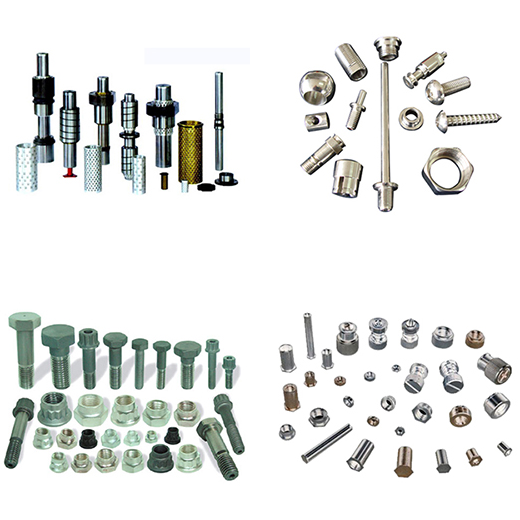
Conclusion
In aerospace, fasteners are subject to strict quality standards, such as those from the Aerospace Industries Association (AAIA), SAE International, and ASTM International. Proper selection, testing, and certification are essential to maintain compliance and guarantee safety.
Fastener types are fundamental to the safety, performance, and durability of aerospace vehicles. The nuanced differences between rivets, bolts, screws, and specialized fasteners make a significant impact on structural integrity, weight management, environmental resistance, and maintenance. Precise choice and application of fasteners are, therefore, a vital aspect of aerospace engineering that ensures that aircraft and spacecraft can operate safely and efficiently in some of the most challenging environments on Earth and beyond.



