


When it comes to fastening components together, machine screws and fasteners are the preferred choice in numerous industries, from construction and manufacturing to automotive and electronics. These tiny yet essential parts come in different sizes, shapes, and materials, offering a range of benefits that make them stand out from other joining methods. Let’s dive into the advantages of using machine screws and fasteners and explore why they are the go-to option for many applications.
First and foremost, machine screws and fasteners are highly reliable and durable. They can withstand immense pressure, tension, and shear forces, ensuring long-lasting performance. Made from robust materials like brass, titanium, and stainless steel, these fasteners are resistant to corrosion, wear and tear, and environmental factors. In addition, the materials used for machine screws and fasteners can be tailored to meet specific requirements, depending on the application. For example, stainless steel is ideal for chemical-resistant and high-temperature applications, while brass is a popular choice for decorative finishes.
Understanding Fasteners
Fasteners are essential components in construction, manufacturing, and many DIY projects, serving as the connectors that hold various objects together securely. They come in a wide array of types, including screws, bolts, nuts, washers, rivets, and nails, each designed for specific applications. Among these, machine screws and fasteners are particularly popular because of their precision, strength, and versatility.
Machine screws are engineered to fit into pre-tapped holes or with nuts, providing a reliable and durable connection that can withstand significant forces. This makes them ideal for projects requiring a tight, stable bond, such as in machinery, electronics, or furniture assembly. The primary advantage of using machine screws and fasteners is their consistency. Manufactured with strict specifications, they ensure a precise fit and uniform quality, reducing the risk of loosening over time or failure under stress. This reliability is crucial in projects where safety and longevity matter most.
Another key benefit is their ease of use. Machine screws can be quickly installed or removed using standard tools like screwdrivers or wrenches, facilitating maintenance or future modifications. Additionally, fasteners come in various materials—such as steel, stainless steel, brass, or plastic—allowing customization based on environmental conditions, load requirements, and aesthetic preferences. For example, stainless steel fasteners resist corrosion, making them suitable for outdoor or marine environments.
The versatility of machine screws and fasteners extends to their size options, enabling precise applications—from tiny electronics to large industrial machinery. They help ensure each component of a project is securely joined, enhancing overall structural integrity. Moreover, using high-quality fasteners can prevent issues such as loosening or failure, which could lead to costly repairs or safety hazards. Overall, selecting the right machine screws and fasteners guarantees a strong, reliable, and maintainable connection, which is fundamental for the success and durability of almost any project.
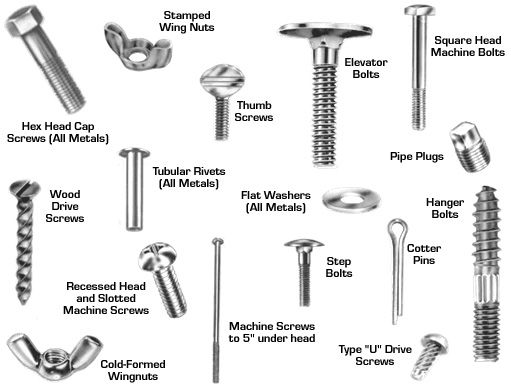
1. Unmatched Reliability and Durability
At the core of their widespread popularity lies the inherent strength and resilience of machine screws and fasteners. Constructed from robust materials such as stainless steel, brass, titanium, and alloys, these components are designed to withstand extreme pressures, shear forces, and tension. Whether securing parts in high-stress environments or enduring outdoor weather conditions, these fasteners maintain their integrity over long periods.
Corrosion resistance is a vital attribute, especially for applications exposed to moisture, chemicals, or fluctuating temperatures. Stainless steel fasteners, for instance, are highly resistant to rust and corrosion, making them suitable for marine, chemical, and outdoor use. Brass fasteners, with their natural resistance to corrosion, are often chosen for decorative and low-stress applications, adding both aesthetic appeal and durability.
Furthermore, many advanced materials, like titanium, bring a combination of lightweight properties and strength, ideal for aerospace and high-performance sporting equipment. The material customization ensures these fasteners can meet specific industry demands, providing confidence in their long-term performance.
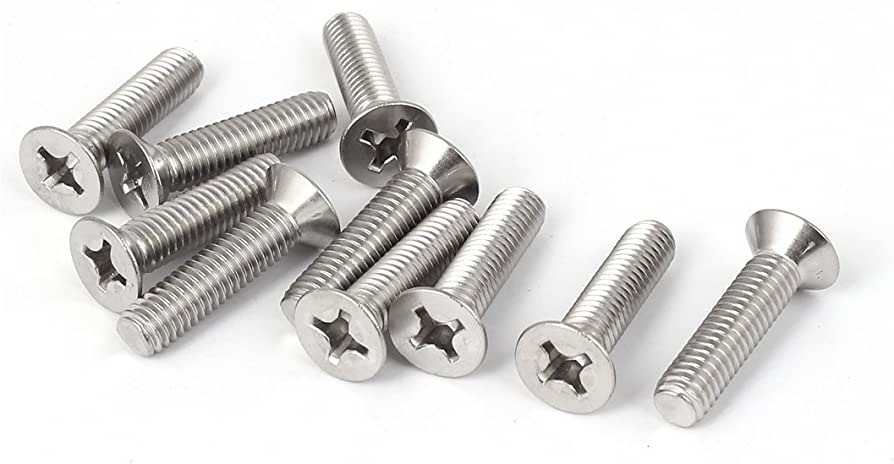
2. Precision and Consistency for Perfect Fitting
One of the crucial advantages of modern manufacturing technology is the high level of precision achieved in producing machine screws and fasteners. These components are manufactured using CNC machining and advanced threading techniques, ensuring uniformity in size, shape, and thread profile.
This precision allows for perfect fitment, reducing the risk of loosening, stripping, or damaging components during assembly. Consistent thread dimensions mean that screws can be tightened or loosened repeatedly without compromising the integrity of the mating threads, fostering reliability across multiple assembly cycles.
Additionally, uniform threads facilitate smooth operation during installation, enabling quick, straightforward fastening—a significant advantage in mass production lines where efficiency and consistency are paramount.
3. Versatility Across Multiple Applications
The wide array of sizes, shapes, and types of machine screws and fasteners makes them incredibly adaptable. Whether you need tiny screws for electronic gadgets or large bolts for heavy machinery, there’s a solution tailored for your needs.
Variety in design includes:
- Head types: flat, round, hex, countersunk, socket cap, and more
- Thread types: coarse, fine, and machine threads
- Drive styles: Phillips, slotted, hex, Torx, and others
This diversity ensures compatibility with different materials and application demands, allowing engineers and technicians to select the most suitable fastener for their specific task. Moreover, customization options—such as length, thread pitch, and material coatings—further extend their versatility, enabling precise engineering solutions tailored to unique requirements.

4. Easy to Use and Install
Ease of installation is a hallmark of machine screws and fasteners. Designed with user convenience in mind, they require only standard tools like screwdrivers, Allen wrenches, or socket drivers. With multiple drive options, they can be quickly tightened or loosened without specialized skills or equipment.
This simplicity not only expedites assembly processes but also minimizes errors and reduces the risk of damaging fragile parts during fastening. Whether in an automated robotic assembly line or DIY projects, their straightforward installation process makes them accessible to both professionals and hobbyists.
5. Cost-Effective and Economical
Despite their small size, machine screws and fasteners pack a significant economic punch. Manufacturing processes are highly refined, allowing mass production at low costs. Their affordability makes them attractive for large-scale projects where countless fasteners are required.
Their replaceability is another financial advantage. When damaged or worn out, they can be easily swapped out, reducing downtime and maintenance costs. High-quality fasteners also help prevent failures that could cause costly repairs, saving money in the long run.
Additionally, their minimal maintenance needs and widespread availability make them a cost-efficient choice for numerous industries.
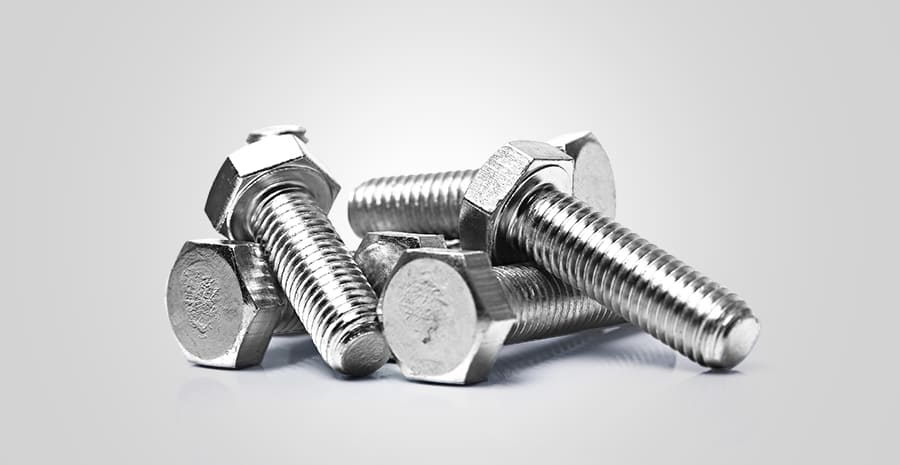
6. Critical Factors to Consider When Choosing Machine Screws and Fasteners
To maximize the benefits of these components, selecting the right fastener for your specific application is crucial. Factors to consider include:
- Material Compatibility: Consider environmental conditions and load requirements. For example, stainless steel for corrosive environments, titanium for lightweight strength, or brass for decorative purposes.
- Size and Length: Ensure proper fit to prevent leaning, slipping, or damage to mating parts.
- Thread Type: Coarse threads for quick assembly and less resistance, fine threads for increased holding power.
- Head Style: Choose based on aesthetic preferences, torque requirements, and accessibility.
- Coating and Finish: Select coatings like zinc plating, black oxide, or anodizing for enhanced corrosion resistance and appearance.
Proper selection guarantees reliable, durable joints that meet performance, safety, and aesthetic standards.
Another key advantage of machine screws and fasteners is their precision and consistency. These components are manufactured using high-precision machinery, which ensures their accuracy and uniformity. The threads on machine screws and fasteners are cut using CNC machines, producing threads that are precise and uniform. This precision and consistency ensure that the screws and fasteners can fit perfectly and securely into their respective mating parts. Moreover, the uniformity of the threads makes it easier to tighten or loosen the screws without causing damage to the surrounding parts.
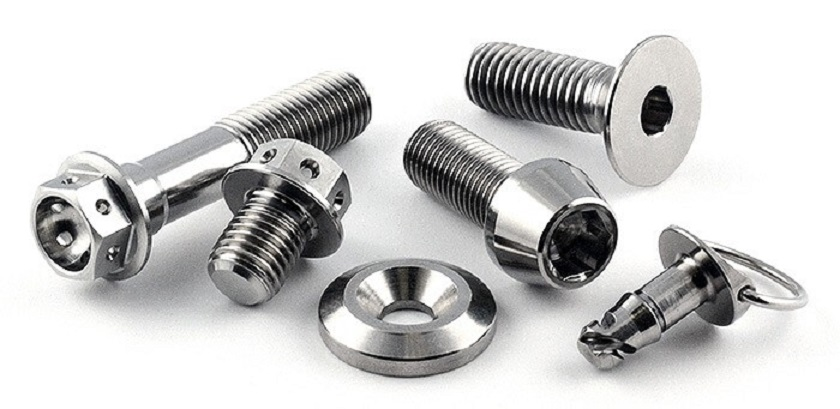
Conclusion
Machine screws and fasteners are also versatile and compatible with various applications. They come in different sizes, shapes, and types, making them ideal for different needs. These components can be customized to meet specific requirements, such as thread size, length, and head type. Machine screws and fasteners also come in different types of threads, including machine threads, coarse threads, and fine threads, depending on the application. This versatility and compatibility make machine screws and fasteners the preferred choice for different industries and applications.
In addition, machine screws and fasteners are easy to use and install, requiring minimal tools and skills. They come with a wide range of drive types, including slotted, Phillips, hex, and Torx, which allow for easy tightening and loosening using standard tools. The installation process for machine screws and fasteners is straightforward, involving simply inserting the screw or fastener into the mating part and tightening it to the required torque. This ease of use and installation saves time and reduces the risk of errors or damages during assembly.
Last but not least, machine screws and fasteners are cost-effective. Compared to other joining methods like welding or adhesives, they are relatively inexpensive to manufacture. Their small size means that they can be produced in large quantities at a lower cost. Additionally, machine screws and fasteners require minimal maintenance and can be easily replaced when damaged or worn out, reducing the overall cost of maintenance and repairs.
Mchine screws and fasteners offer a range of benefits that make them a preferred choice for many applications. From reliability and durability to precision, versatility, ease of use, and cost-effectiveness, these components are essential for joining two or more objects together securely and reliably. When selecting machine screws and fasteners, it is crucial to consider factors such as material, size, shape, type, and compatibility with the application. By choosing the right machine screws and fasteners, you can ensure that your assembly is secure, reliable, and long-lasting. Contact us today for a inquiry!



