

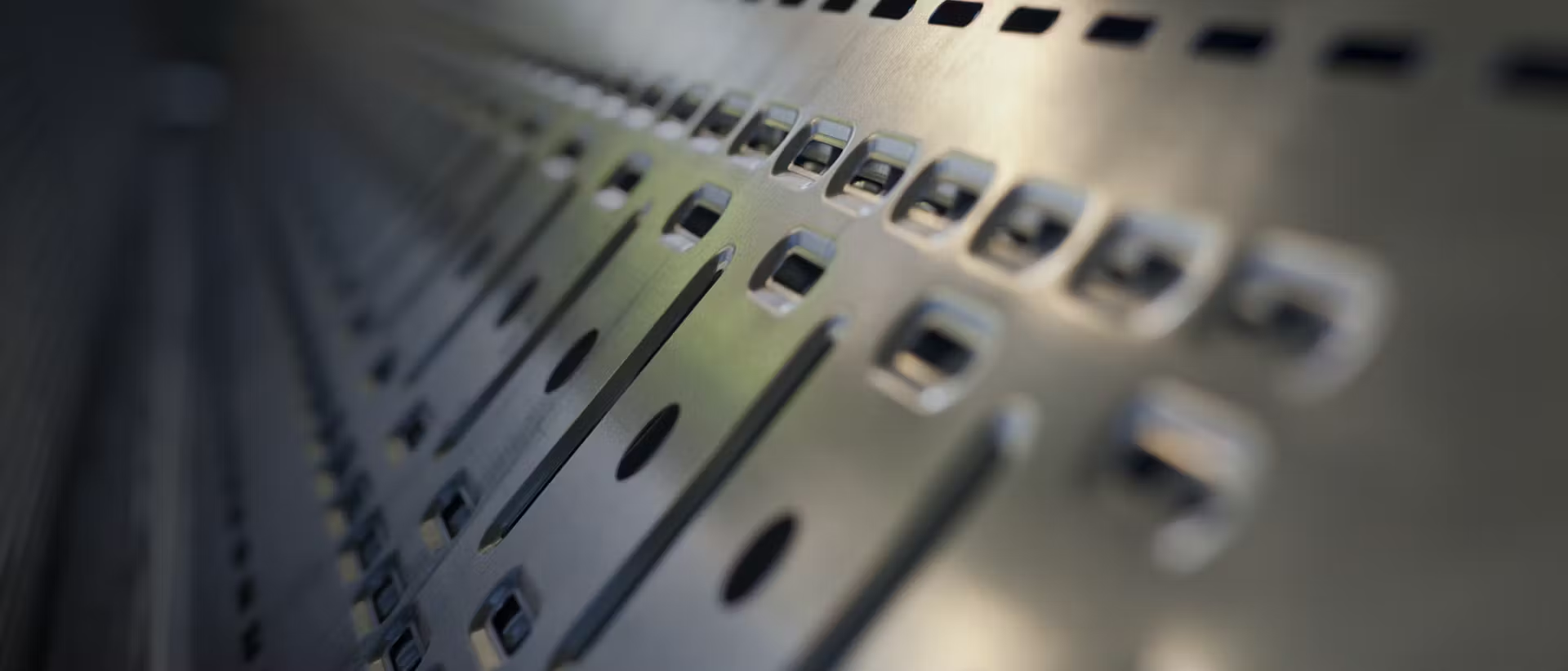
As you read, there is a lot of information about furniture stamping, one of the significant processes in modern manufacturing that improves the design and usability of furniture components. This process allows manufacturers to produce visually ACCURATE and Durable parts to be used for manufacturing table, chairs, cabinets, etc. Metal stamping is essential for producing quality furniture, from structural supports to decorative elements. Here, we discuss how furniture stamping adds dynamic design, functionality, and value, while allowing for efficient and environmentally friendly manufacturing.
What Is Furniture Stamping?
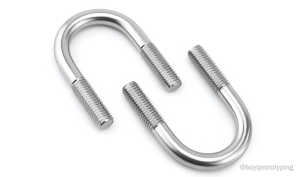
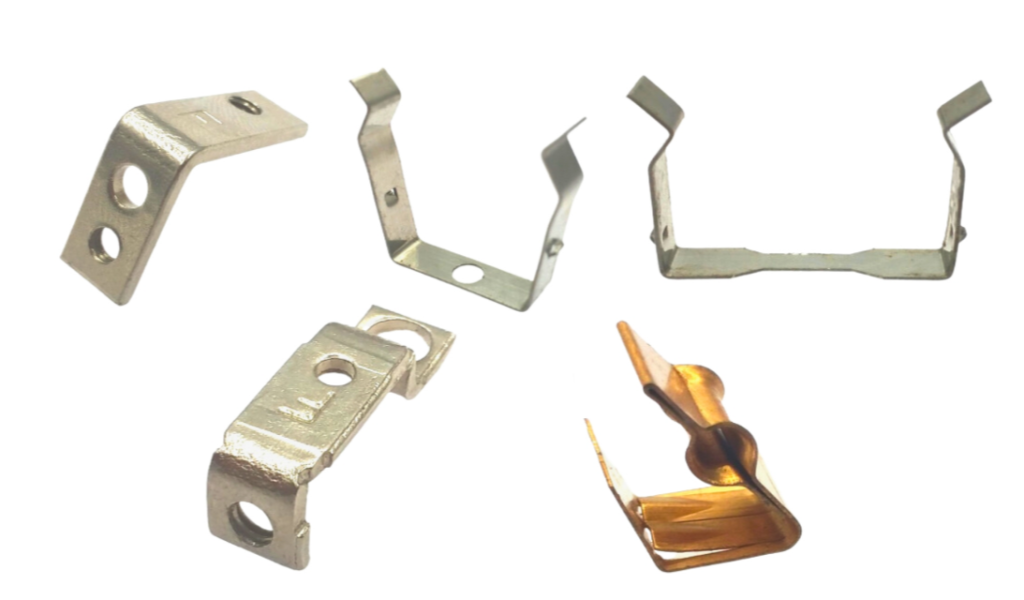
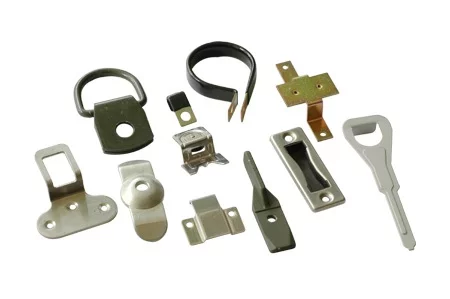
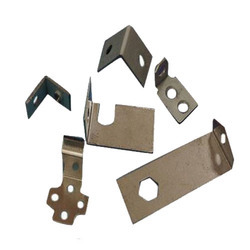
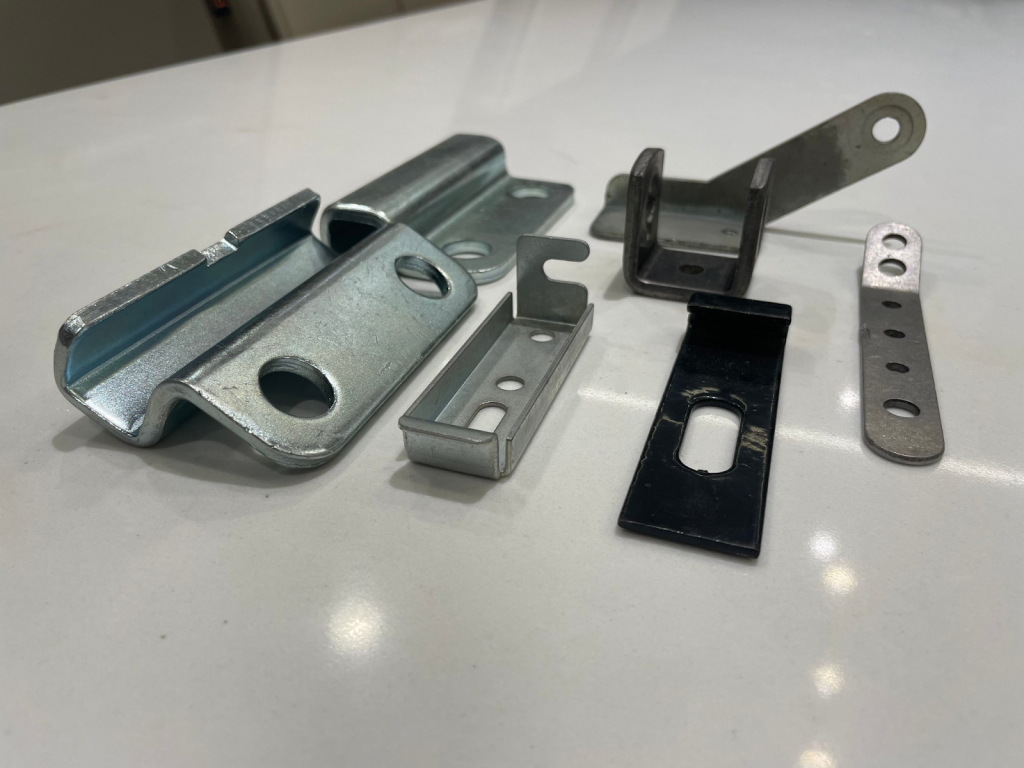
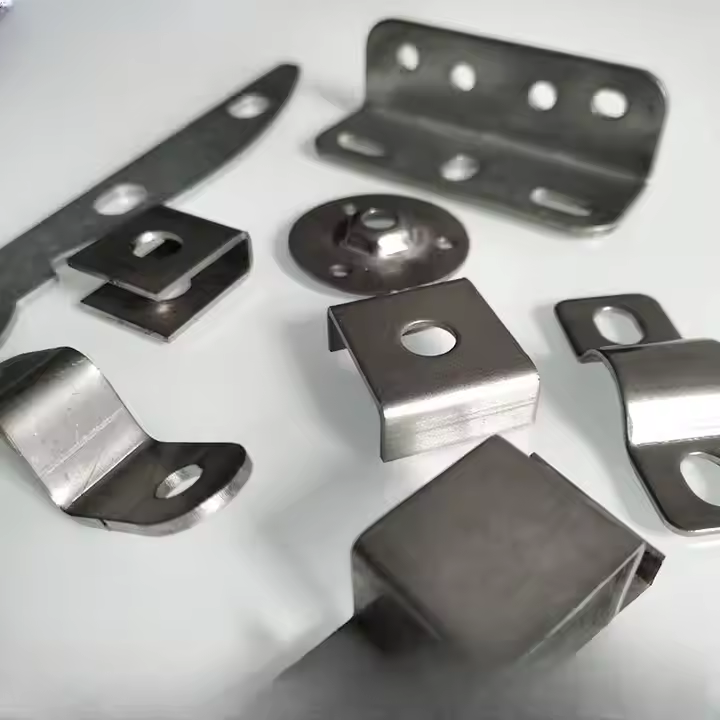
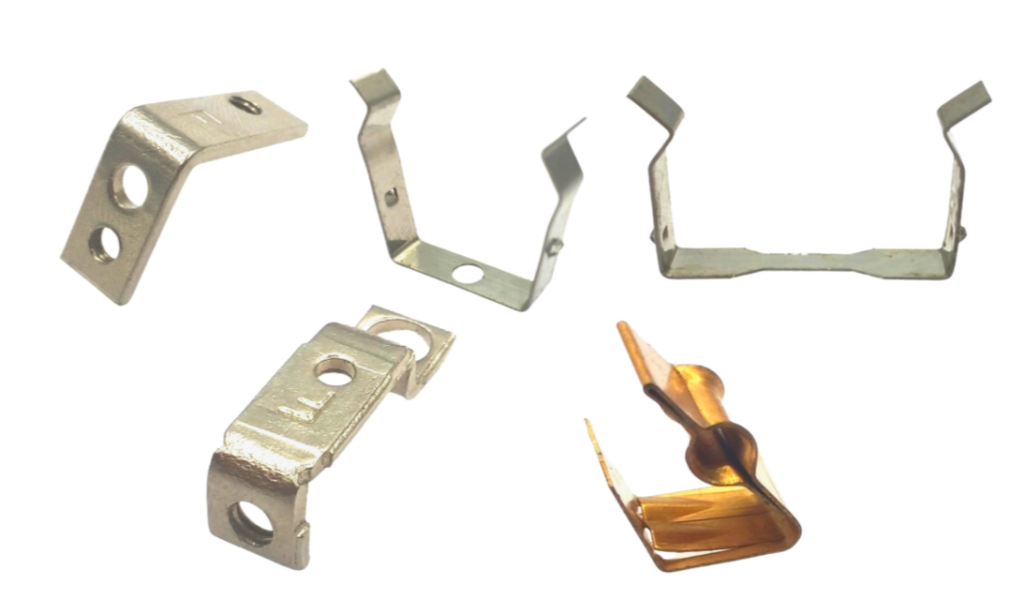
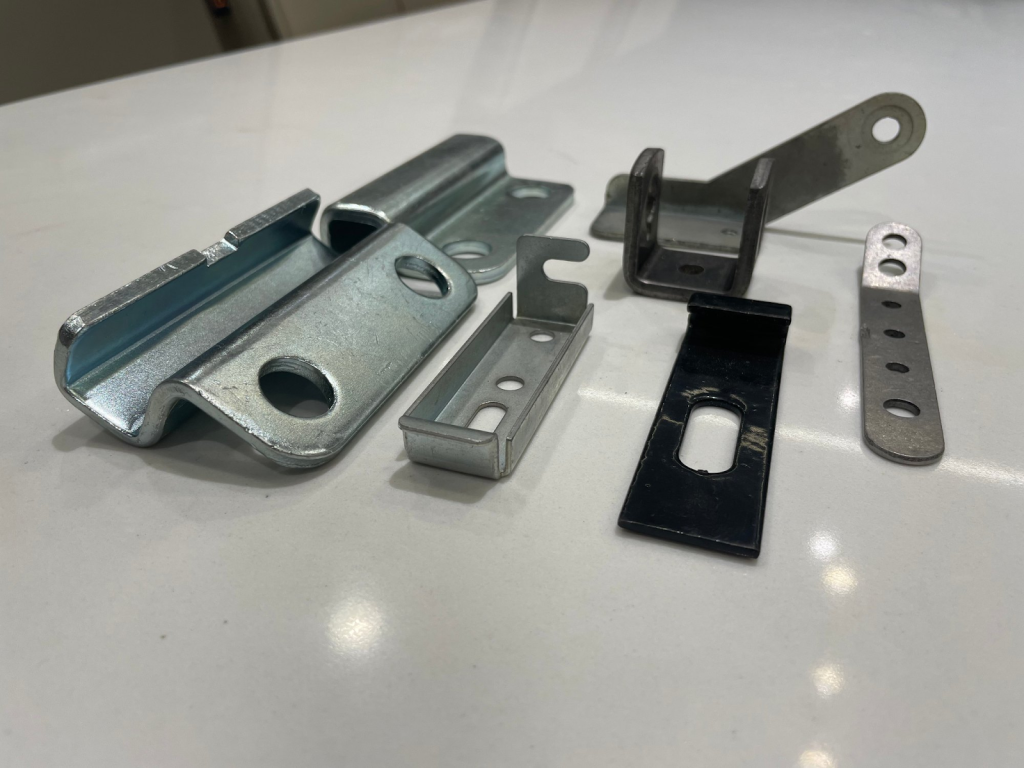
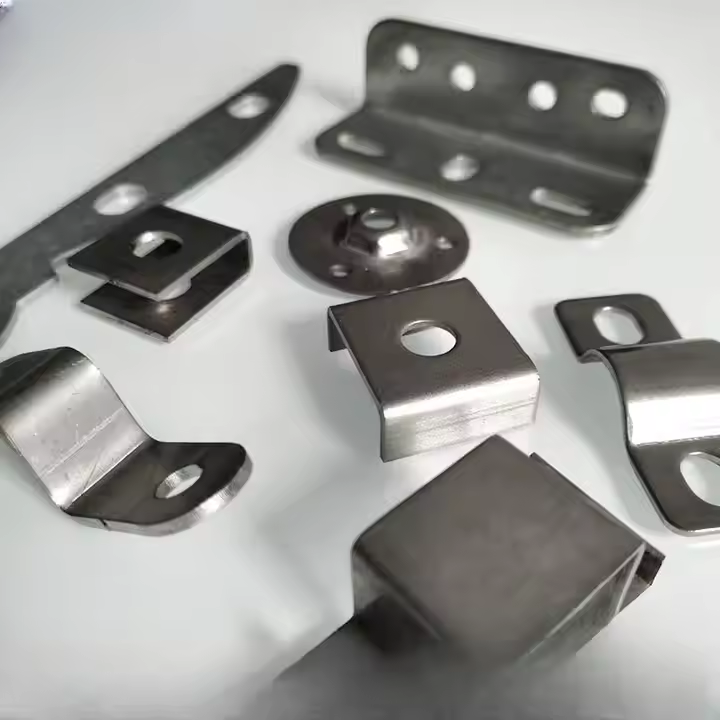
Furniture stamping refers to the process of metal fabrication, where metal sheets are shaped, cut, and formed to create specific designs.Furniture stamping is a precision metalworking process used to create consistent and high-quality metal components that are incorporated into furniture structures. It involves the use of specialized stamping machines and dies to cut, shape, or form metal sheets into specific parts such as L brackets, corner braces, hinges, support plates, and decorative fittings. Unlike manual fabrication or welding, furniture stamping ensures uniformity across large production runs, making every piece identical in size, strength, and finish. This method is highly preferred in modern furniture manufacturing because it improves assembly efficiency, enhances structural integrity, and supports aesthetically refined designs while keeping production costs optimized. This method enables mass production of uniform, high-precision components for example, in:
- Furniture frames and supports
- Brackets and hinges
- The long form of warm up illustrations: Decorative elements and embellishments
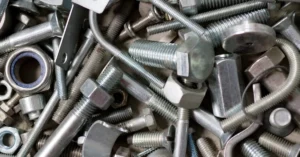
- Handles, fastenings and connectors
The resulting furniture can be both functional and aesthetically pleasing, as stamping technology allows manufacturers to create intricate and detailed shapes with high precision and repeatability.
1.Improving Furniture Design through Metal Stamping
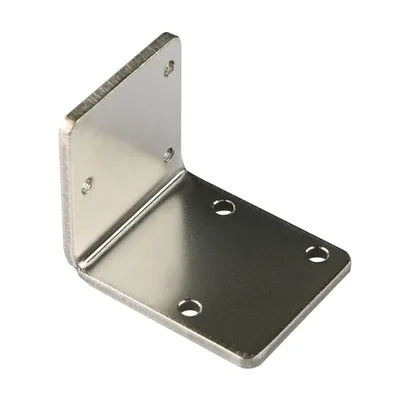
Metal stamping plays a transformative role in modern furniture design by enabling the production of precise, high-strength components with clean finishes. Through this technique, manufacturers can create custom brackets, hinges, and connectors with smooth edges, consistent bends, and accurate hole placements—enhancing both functionality and appearance. These stamped parts allow furniture designers to achieve sleeker profiles and more compact assemblies without compromising on durability. Additionally, stamped metal components reduce visible welding marks and bulky supports, giving the final furniture piece a more refined and professional look. This level of design precision also allows for modular systems, flat-pack assembly, and innovative joinery concepts commonly seen in premium furniture brands today.
Metal stamping opens a brand new world for furniture designers on how unique patterns, shapes, and textures can be 一 built into their designs. Relaxed design What are the benefits?
- Customisation: Stamped metal parts can be customised to suit individual furniture styles — modern, industrial or traditional.
- Intricate detailing: Stamping techniques allow precision engraving, giving furniture a sophisticated look.
- Perfect building blocks: Stamped shingles are made to fit directly into assembly processes, eliminating seams and gaps in furniture design.
- Finishes: Metal stamping can provide for powder coating, anodizing, or plating to have better aesthetic appeal.
With stamping technology, manufacturers are able to take their designs to the next level without sacrificing structural strength.
2.Stamping is used for better functionalities of furniture
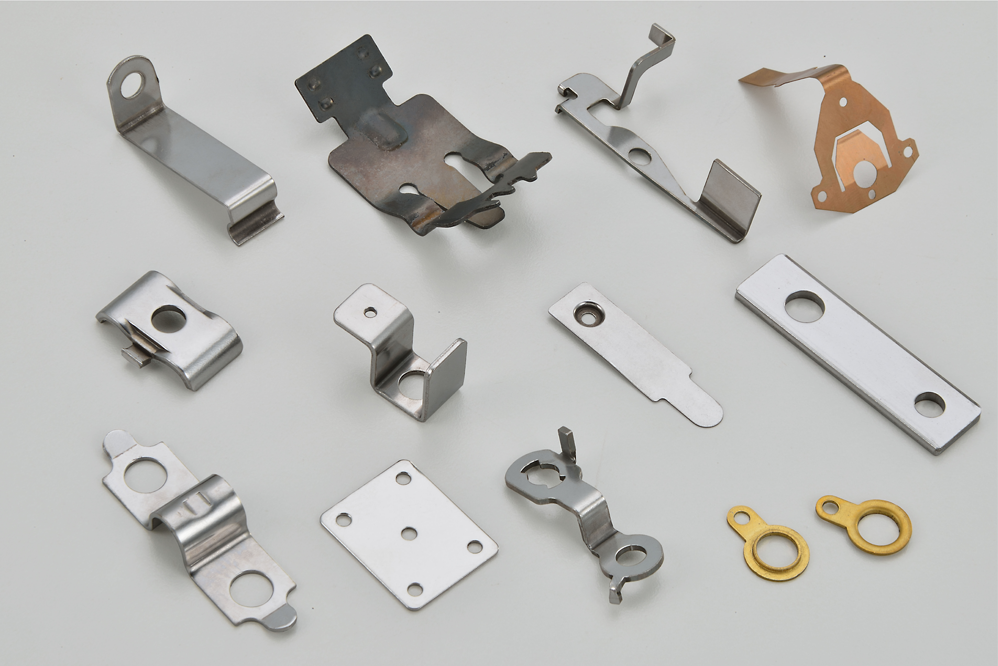
Metal stamping not only improves the aesthetics of furniture components but also greatly enhances their functionality. Through precision stamping, manufacturers can create parts with exact dimensions, ensuring perfect alignment and smooth operation during installation and use. Features such as integrated slots, screw holes, locking tabs, and reinforcement ribs can be stamped directly into the metal, eliminating the need for secondary machining or welding. This boosts structural stability and reduces the risk of component failure under stress.
Aside from looks, furniture stamping and greatly improve its functionality. Stamped metal parts provide:
- Structural strength: Stamped metal brackets, reinforcements, and frames in furniture provide stability and literally support the work to prolong the life of the furniture.
- Precision engineering: Tried and tested designs pave the way for improved assembly, thereby reducing defects and increasing the quality of the furniture.
- Smooth operation: Hinges, slides, and fasteners, all of which are stamped, ensure that moving parts, like drawers and doors, operate smoothly.
- Example 5: The advantage of strong yet lightweight components: In stamping processes, metals can be used which are both strong yet lightweight, creating a good balance between durability and handling.
Furniture stamping offers several benefits, making it a crucial step in the creation of durable, functional furniture products.
3.Materials Used For Furniture Stamping
The choice of material plays a critical role in the performance, appearance, and longevity of stamped furniture components. Different furniture applications require materials with varying levels of strength, flexibility, corrosion resistance, and aesthetic appeal.
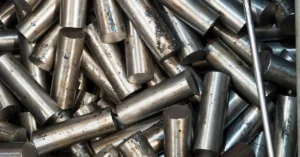
Furniture stamping plays a key role in determining the final product durability, to do so material selection is very important. Commonly used metals include:
Stainless Steel — Strong and resistant to rust, has a stylish modern aesthetic.
- Aluminum: Aluminum is both lightweight and resistant to corrosion, making it useful for furniture that needs to be moved frequently.
- Carbon Steel: Carbon steel is strong, relatively inexpensive, and widely used in load-bearing structural components.
- Brass and Copper: Used for decorative elements because of their visual appeal and resistance to tarnishing.
Each material is chosen based on its purpose, its environmental exposure, and its design needs.
4.However, Cheap Polystyrene Furniture Stamping
While metal stamping is widely used for high-strength and long-lasting furniture components, some manufacturers opt for polystyrene stamping to cut costs, particularly in mass-produced budget furniture. Polystyrene, a lightweight and low-cost thermoplastic, can be stamped into decorative trims, edge covers, or lightweight bracket imitations. However, this approach comes with significant limitations that consumers and manufacturers must consider.
Polystyrene-stamped parts may look similar to metal components, especially when coated or painted, but they lack the load-bearing capacity and durability required for structural functions. Over time, polystyrene becomes brittle, especially under continuous stress, temperature changes, or UV exposure. This makes it unsuitable for weight-supporting applications such as load-bearing brackets, frame reinforcements, or mechanical joints.
Furniture stamping is one of the most cost-effective processes in manufacturing. This streamlining enables manufacturers to cut costs in a number of points:
- High-volume affordability: Because stamping is a tool-grade process, parts are inexpensive.
- Material optimization: Modern stamping techniques reduce waste, ensuring the optimal utilization of raw materials.
5.This is done with little touch involved from people therefore the automated stamping reduces labor cost in terms of not using manual fabrication thus reducing production cost.
One of the major advantages of furniture component production through automated metal stamping is its ability to significantly cut labor expenses. Traditional fabrication processes, such as manual cutting, drilling, and welding, require skilled workers to perform each step individually. This not only increases production time but also raises labor costs due to the demand for manual supervision and quality checks.
In contrast, precision stamping machines operate with high-speed automation, often producing hundreds or even thousands of identical parts per hour with minimal human intervention. Once the dies and molds are configured, the stamping line handles cutting, shaping, bending, and sometimes even finishing in a continuous flow. This automation ensures consistent quality, eliminating human errors such as misalignment, uneven edges, or structural weak points.
- Reputation and quality management: With a high precision manufacturing concerned stamping, defects are eliminated, reducing rework and material waste.
- Furniture stamping improves production efficiency and reduces costs, enabling businesses to provide high-quality furniture at competitive rates.
6.What would you recommend for sustainable production and eco-friendliness in furniture stamping?
Sustainability is an emerging issue within the furniture industry, and metal stamping can play a role in eco-friendly manufacturing through:
- Less material waste: Precision stamping used the minimal amount of material possible, resulting in less scrap metal.
- Recyclability: Stamped metallic components can be re-cycled, which requires low impact on surroundings.
- Energy-saving techniques: Modern stamping methods use lesser energy than the traditional metalworking techniques.
- Extended product life: Rugged stamped components have a longer life span, eliminating waste.
As a result, furniture stamping is an eco-friendly option for manufacturers and consumers who care about protecting the environment.
7.These days, fabricating stamped metal parts to make furniture is a well-known practice.
Used in a wide array of furniture types, stamped metal components include:
- Office furniture: Stamped brackets, hinges and reinforcements inside desks, chairs and filing cabinets.
- Home furniture: Stamped metal details in bed frames, dining tables and shelving units.
- Table furniture: Rust-proof stamped steel components for outdoor lounge chairs, comunidade benches and terrace desks.
- Retail and commercial fixtures: Custom-stamped metal shelving, display stands and storage units.
These applications illustrate the versatility and relevance of stamped metal in the furniture sector.
8,Furniture Stamping Technology: Innovations in the Furniture Industry
Metal stamping technology advances and continues making improvements within the field of furniture manufacturing. Here are some key innovations:
- Laser cut stamping: Used for more precision and complex designs.
- Automatic die cutting: Raises manufacturing speed without sacrificing precision.
- Multi-metal stamping: Different metals can be combined in a single part.
- High-performance coatings: Increase hardness and gloss without paying a premium price.
These developments result in better quality branched furniture that performs better and looks better.
Conclusion
One of the processes that improve the design and functioning ability of furniture components is a furniture stamping. Metal stamping is an integral aspect of contemporary furniture design and is capable of enabling complex designs, enhancing durability, and ensuring economical production. Stamped metal parts offer strength, reliability, and aesthetic appeal in office, home, and commercial settings. So, with the progressive growth of technology, the same shall go out for the evolution of furniture stamping and its further use in the innovation and sustainability of the industry.
As you read, there is a lot of information about furniture stamping, one of the significant processes in modern manufacturing that improves the design and usability of furniture components. This process allows manufacturers to produce visually ACCURATE and Durable parts to be used for manufacturing table, chairs, cabinets, etc. Metal stamping is essential for producing quality furniture, from structural supports to decorative elements. Here, we discuss how furniture stamping adds dynamic design, functionality, and value, while allowing for efficient and environmentally friendly manufacturing.
What Is Furniture Stamping?
Furniture stamping refers to the process of metal fabrication, where metal sheets are shaped, cut, and formed to create specific designs.Furniture stamping is a precision metalworking process used to create consistent and high-quality metal components that are incorporated into furniture structures. It involves the use of specialized stamping machines and dies to cut, shape, or form metal sheets into specific parts such as L brackets, corner braces, hinges, support plates, and decorative fittings. Unlike manual fabrication or welding, furniture stamping ensures uniformity across large production runs, making every piece identical in size, strength, and finish. This method is highly preferred in modern furniture manufacturing because it improves assembly efficiency, enhances structural integrity, and supports aesthetically refined designs while keeping production costs optimized. This method enables mass production of uniform, high-precision components for example, in:
- Furniture frames and supports
- Brackets and hinges
- The long form of warm up illustrations: Decorative elements and embellishments
- Handles, fastenings and connectors
The resulting furniture can be both functional and aesthetically pleasing, as stamping technology allows manufacturers to create intricate and detailed shapes with high precision and repeatability.
1.Improving Furniture Design through Metal Stamping
Metal stamping plays a transformative role in modern furniture design by enabling the production of precise, high-strength components with clean finishes. Through this technique, manufacturers can create custom brackets, hinges, and connectors with smooth edges, consistent bends, and accurate hole placements—enhancing both functionality and appearance. These stamped parts allow furniture designers to achieve sleeker profiles and more compact assemblies without compromising on durability. Additionally, stamped metal components reduce visible welding marks and bulky supports, giving the final furniture piece a more refined and professional look. This level of design precision also allows for modular systems, flat-pack assembly, and innovative joinery concepts commonly seen in premium furniture brands today.
Metal stamping opens a brand new world for furniture designers on how unique patterns, shapes, and textures can be 一 built into their designs. Relaxed design What are the benefits?
- Customisation: Stamped metal parts can be customised to suit individual furniture styles — modern, industrial or traditional.
- Intricate detailing: Stamping techniques allow precision engraving, giving furniture a sophisticated look.
- Perfect building blocks: Stamped shingles are made to fit directly into assembly processes, eliminating seams and gaps in furniture design.
- Finishes: Metal stamping can provide for powder coating, anodizing, or plating to have better aesthetic appeal.
With stamping technology, manufacturers are able to take their designs to the next level without sacrificing structural strength.
2.Stamping is used for better functionalities of furniture
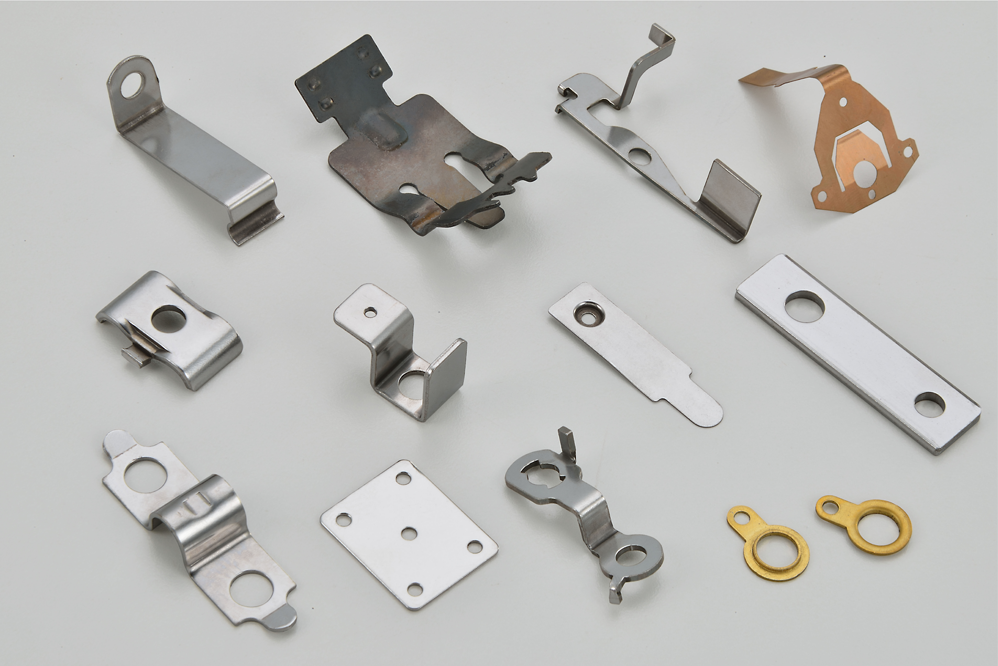
Metal stamping not only improves the aesthetics of furniture components but also greatly enhances their functionality. Through precision stamping, manufacturers can create parts with exact dimensions, ensuring perfect alignment and smooth operation during installation and use. Features such as integrated slots, screw holes, locking tabs, and reinforcement ribs can be stamped directly into the metal, eliminating the need for secondary machining or welding. This boosts structural stability and reduces the risk of component failure under stress.
Aside from looks, furniture stamping and greatly improve its functionality. Stamped metal parts provide:
- Structural strength: Stamped metal brackets, reinforcements, and frames in furniture provide stability and literally support the work to prolong the life of the furniture.
- Precision engineering: Tried and tested designs pave the way for improved assembly, thereby reducing defects and increasing the quality of the furniture.
- Smooth operation: Hinges, slides, and fasteners, all of which are stamped, ensure that moving parts, like drawers and doors, operate smoothly.
- Example 5: The advantage of strong yet lightweight components: In stamping processes, metals can be used which are both strong yet lightweight, creating a good balance between durability and handling.
Furniture stamping offers several benefits, making it a crucial step in the creation of durable, functional furniture products.
3.Materials Used For Furniture Stamping
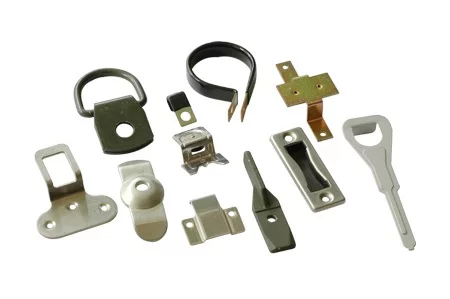
The choice of material plays a critical role in the performance, appearance, and longevity of stamped furniture components. Different furniture applications require materials with varying levels of strength, flexibility, corrosion resistance, and aesthetic appeal.
Furniture stamping plays a key role in determining the final product durability, to do so material selection is very important. Commonly used metals include:
Stainless Steel — Strong and resistant to rust, has a stylish modern aesthetic.
- Aluminum: Aluminum is both lightweight and resistant to corrosion, making it useful for furniture that needs to be moved frequently.
- Carbon Steel: Carbon steel is strong, relatively inexpensive, and widely used in load-bearing structural components.
- Brass and Copper: Used for decorative elements because of their visual appeal and resistance to tarnishing.
Each material is chosen based on its purpose, its environmental exposure, and its design needs.
4.However, Cheap Polystyrene Furniture Stamping
While metal stamping is widely used for high-strength and long-lasting furniture components, some manufacturers opt for polystyrene stamping to cut costs, particularly in mass-produced budget furniture. Polystyrene, a lightweight and low-cost thermoplastic, can be stamped into decorative trims, edge covers, or lightweight bracket imitations. However, this approach comes with significant limitations that consumers and manufacturers must consider.
Polystyrene-stamped parts may look similar to metal components, especially when coated or painted, but they lack the load-bearing capacity and durability required for structural functions. Over time, polystyrene becomes brittle, especially under continuous stress, temperature changes, or UV exposure. This makes it unsuitable for weight-supporting applications such as load-bearing brackets, frame reinforcements, or mechanical joints.
Furniture stamping is one of the most cost-effective processes in manufacturing. This streamlining enables manufacturers to cut costs in a number of points:
- High-volume affordability: Because stamping is a tool-grade process, parts are inexpensive.
- Material optimization: Modern stamping techniques reduce waste, ensuring the optimal utilization of raw materials.
5.This is done with little touch involved from people therefore the automated stamping reduces labor cost in terms of not using manual fabrication thus reducing production cost.
One of the major advantages of furniture component production through automated metal stamping is its ability to significantly cut labor expenses. Traditional fabrication processes, such as manual cutting, drilling, and welding, require skilled workers to perform each step individually. This not only increases production time but also raises labor costs due to the demand for manual supervision and quality checks.
In contrast, precision stamping machines operate with high-speed automation, often producing hundreds or even thousands of identical parts per hour with minimal human intervention. Once the dies and molds are configured, the stamping line handles cutting, shaping, bending, and sometimes even finishing in a continuous flow. This automation ensures consistent quality, eliminating human errors such as misalignment, uneven edges, or structural weak points.
- Reputation and quality management: With a high precision manufacturing concerned stamping, defects are eliminated, reducing rework and material waste.
- Furniture stamping improves production efficiency and reduces costs, enabling businesses to provide high-quality furniture at competitive rates.
6.What would you recommend for sustainable production and eco-friendliness in furniture stamping?
Sustainability is an emerging issue within the furniture industry, and metal stamping can play a role in eco-friendly manufacturing through:
- Less material waste: Precision stamping used the minimal amount of material possible, resulting in less scrap metal.
- Recyclability: Stamped metallic components can be re-cycled, which requires low impact on surroundings.
- Energy-saving techniques: Modern stamping methods use lesser energy than the traditional metalworking techniques.
- Extended product life: Rugged stamped components have a longer life span, eliminating waste.
As a result, furniture stamping is an eco-friendly option for manufacturers and consumers who care about protecting the environment.
7.These days, fabricating stamped metal parts to make furniture is a well-known practice.
Used in a wide array of furniture types, stamped metal components include:
- Office furniture: Stamped brackets, hinges and reinforcements inside desks, chairs and filing cabinets.
- Home furniture: Stamped metal details in bed frames, dining tables and shelving units.
- Table furniture: Rust-proof stamped steel components for outdoor lounge chairs, comunidade benches and terrace desks.
- Retail and commercial fixtures: Custom-stamped metal shelving, display stands and storage units.
These applications illustrate the versatility and relevance of stamped metal in the furniture sector.
8,Furniture Stamping Technology: Innovations in the Furniture Industry
Metal stamping technology advances and continues making improvements within the field of furniture manufacturing. Here are some key innovations:
- Laser cut stamping: Used for more precision and complex designs.
- Automatic die cutting: Raises manufacturing speed without sacrificing precision.
- Multi-metal stamping: Different metals can be combined in a single part.
- High-performance coatings: Increase hardness and gloss without paying a premium price.
These developments result in better quality branched furniture that performs better and looks better.
Conclusion
One of the processes that improve the design and functioning ability of furniture components is a furniture stamping. Metal stamping is an integral aspect of contemporary furniture design and is capable of enabling complex designs, enhancing durability, and ensuring economical production. Stamped metal parts offer strength, reliability, and aesthetic appeal in office, home, and commercial settings. So, with the progressive growth of technology, the same shall go out for the evolution of furniture stamping and its further use in the innovation and sustainability of the industry.