


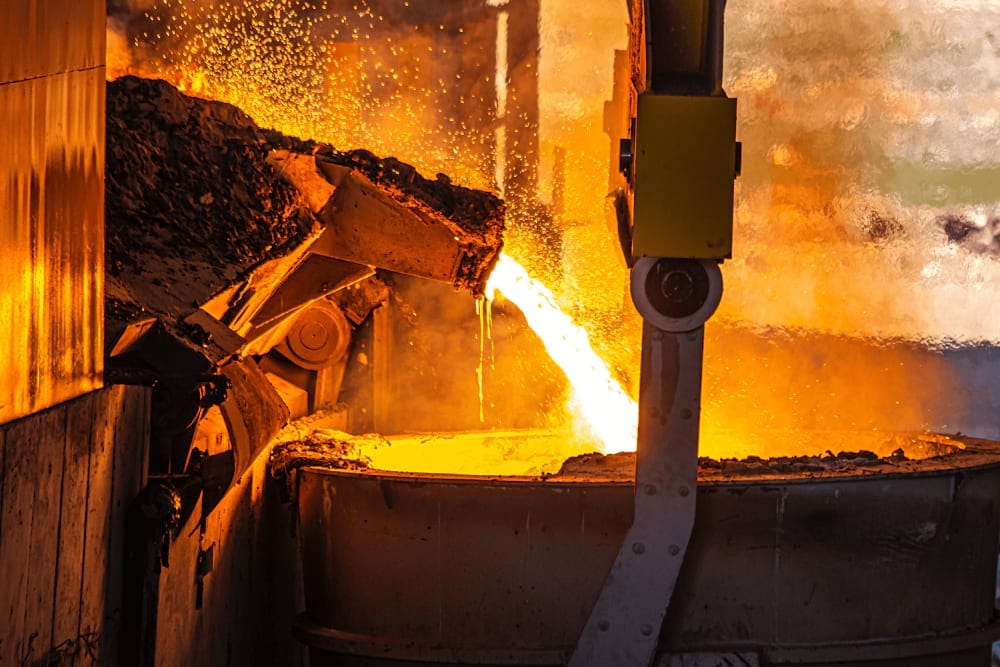
One of the oldest techniques used in manufacturing is metal casting. From ancient civilizations to its evolving modern stages with efficiency, precision, and sustainability, the entire process has come of age. In fact, modern metal casting would be partially useless without recycled metal scrap incorporation. This helps cut waste while also reducing energy as well as environmental degradation needed for new metals to be produced.
This blog delves into how recycling metal scrap is crucial in the casting process, its benefits, challenges, and why it forms an integral part of a sustainable future.
What is Metal Scrap Recycling?
Metal scrap recycling involves collecting and reprocessing discarded metal into raw materials that can be reused in various industries, including casting. Scrap metal is the general term for a wide variety of materials that can be used, such as aluminum, steel, copper, brass, and much more. It comes from construction debris, end-of-life products, and manufacturing byproducts.
In the casting process, scrap metal is recycled, melted down, and turned into new components, while maintaining the quality and functionality of the final products.
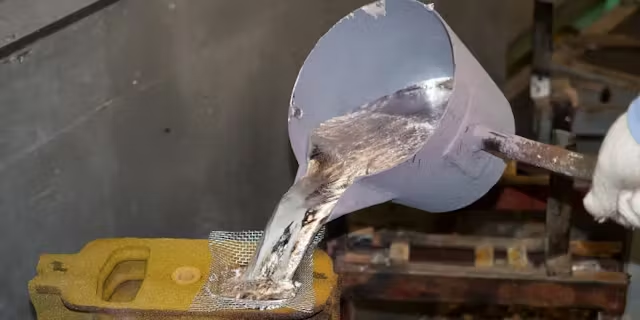
Role of Scrap Recycling in Metal Casting
Scrap recycling plays a vital role in modern metal casting, offering both environmental and economic benefits. By reusing metal waste from previous castings or manufacturing processes, foundries can significantly reduce raw material consumption, lower energy usage, and minimize greenhouse gas emissions.
Recycling scrap also helps decrease production costs while maintaining the quality and integrity of the final cast components. Integrating scrap recycling into casting operations not only supports sustainable manufacturing practices but also contributes to a more circular economy, making metal casting both efficient and environmentally responsible.
Metal scrap recycling is an important aspect of the casting process for several reasons:
1. Sustainable Resource Utilization
Recycling reduces the demand for virgin metal extraction, thus conserving finite natural resources such as bauxite for aluminum and iron ore for steel.
2. Energy Saving
Production of metals from recycled scrap utilizes less energy as compared to obtaining raw materials through extraction and processing. Recycling of aluminum can conserve as much as 95% of the energy which would have been spent when produced directly from bauxite.
3. Saving Costs
Recycled scrap of metals is cost-friendly than the raw material input and helps reduce costs during the foundry process
4. Waste Re-deduction
Scrap metal is added to the casting process to ensure that large amounts of waste do not end up in landfills or incinerators.
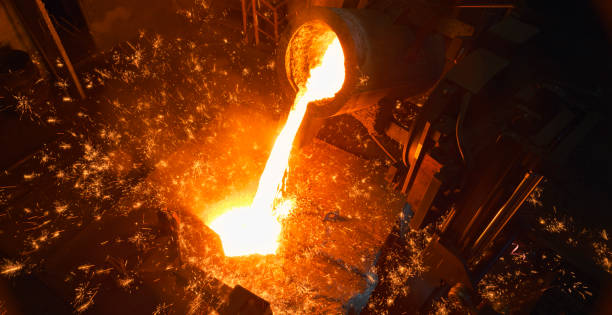
How Scrap Metal Is Recycled in Casting
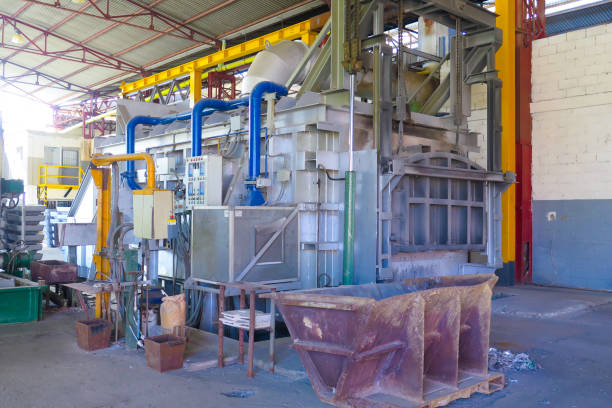
Recycling scrap metal in casting involves a systematic process that transforms discarded or leftover metals into reusable raw materials for new components. The process typically begins with the collection and sorting of scrap by metal type, followed by cleaning to remove impurities, coatings, or contaminants. The metal is then melted in furnaces under controlled conditions to ensure uniform quality and consistency.
The molten metal is cast into molds to produce new parts, effectively closing the loop and reducing the need for virgin materials. This recycling approach conserves resources, lowers energy consumption, and minimizes environmental impact in metal casting operations.
The recycling of metal scrap goes through several stages, and each stage ensures that the final product is of quality and ready for reuse in casting processes.
1. Collection
Scrap metal is collected from different sources, such as manufacturing waste, end-of-life vehicles, household items, and demolition sites.
2. Sorting and Cleaning
Scrapped metals are classified according to the type and alloy composition and are then cleaned of contaminants such as paint, plastic, or dirt. This is so the metal will be of sufficient quality for casting.
3. Shredding and Melting
The scraps are shredded into smaller parts that can be easily handled and melted. It is melted in furnaces from where impurities are extracted, and pure molten metal is produced.
4. Alloying
If necessary, the molten metal is alloyed with other elements to obtain the required properties for specific applications.
5. Casting
The molten recycled metal is cast into molds to form new parts. The most common methods of casting include sand casting, die casting, and investment casting.
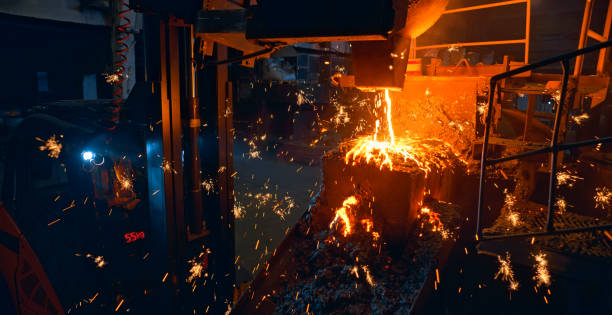
Advantages of Metal Scrap Recycling in Casting
Recycling metal scrap in casting offers numerous benefits that enhance both sustainability and operational efficiency. By reusing discarded metals, manufacturers can significantly reduce the need for virgin raw materials, conserving natural resources and lowering production costs. Scrap recycling also reduces energy consumption, as melting recycled metal generally requires less energy compared to processing new ore.
Additionally, it helps minimize environmental impact by cutting greenhouse gas emissions and reducing industrial waste. Beyond ecological advantages, scrap recycling supports consistent material supply, improves cost-effectiveness, and promotes responsible manufacturing practices, making it a key strategy for modern, sustainable metal casting operations.
Recycling metal scrap in casting benefits industries, the environment, and economies in various ways:
1. Environmental Impact Reduction
Recycling saves greenhouse gases associated with mining and raw material processing. It also conserves energy and minimizes land and water pollution.
2. Economic Benefits
Scrap recycling reduces production costs for foundries. Hence, casting becomes an inexpensive manufacturing process. Also, it supports the recycling industry, which creates employment opportunities and boosts the economy.
3. Versatility
Recycled scrap could be used in any process or range of casting processes, right from producing automotive parts to housewares and construction materials.
4. Quality Products
Developments in recycling technology coupled with casting have ascertained that products which come from recycled scrap remain comparable in quality and integrity with virgin materials.
Challenge Encountered in Recycle Metal Scrap for Casting
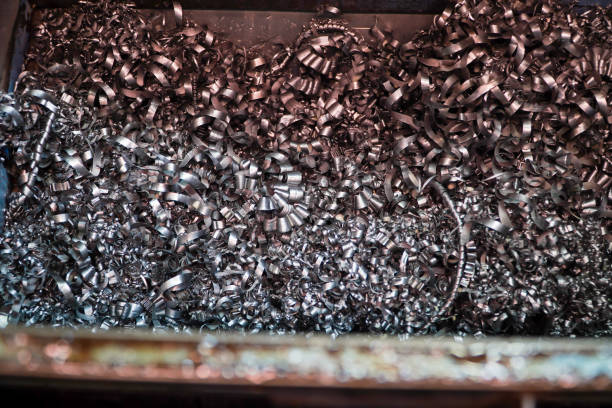
While recycling metal scrap offers significant environmental and economic benefits, it also presents certain challenges in casting operations. One of the main issues is contamination, as scrap metal may contain impurities, coatings, or alloy mixtures that can affect the quality and strength of the final cast components.
Variability in scrap composition can also lead to inconsistent mechanical properties, requiring careful sorting, testing, and adjustment during melting. Additionally, processing and handling scrap metal safely and efficiently demands specialized equipment and expertise. Overcoming these challenges is essential to ensure that recycled metals meet the high standards of precision, durability, and performance expected in modern casting applications.
There are various obstacles to recycling metal scrap within casting, such as:
1. Contamination
The majority of scrap metal contains impurities, including non-metallic materials, oils, and coatings, which have to be removed in the processing process.
2. Separation of Alloys
The sorting of different types of metals and alloys is also complex, and advanced techniques are necessary to ensure that the final product is uniform.
3. Energy Use
Recycling is energy-efficient compared to mining and refining raw materials, but significant amounts of energy are required, especially in the melting process.
4. Infrastructure and Costs
Establishment and running recycling plants can be very expensive, especially for smaller foundries. High-quality scrap metal is also scarce in some regions.
Applications of Recycled Scrap in Casting
Recycled metal scrap is widely used across different industries, hence proving to be very versatile and valuable:
1. Automotive Industry
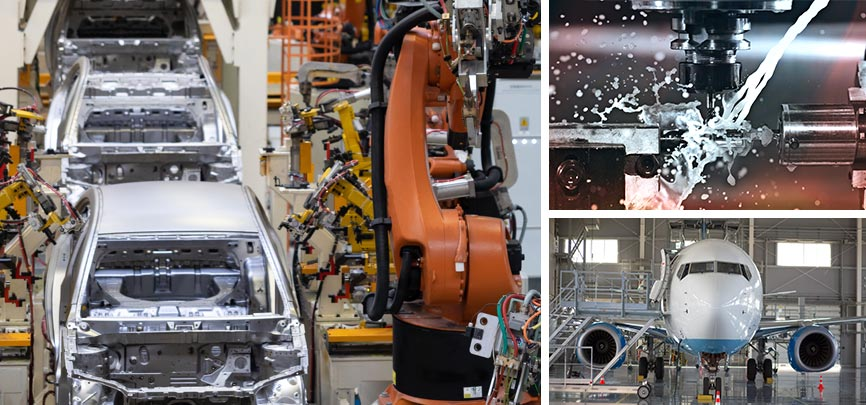
Components such as engine blocks, transmission cases, and wheels are commonly made from recycled aluminum and steel.
2. Construction
Recycled metals are used to produce strong structural components, such as beams, columns, and fasteners.
3. Aerospace and Defense
Recycled alloys are used in casting lightweight yet strong components for aircraft and military equipment.
4. Consumer Goods
Appliances, electronics, and furniture often contain cast parts made from recycled metals.
Best Practices for Using Recycled Scrap in Casting
Foundries should follow these best practices to ensure optimal results when using recycled scrap in casting:
- Invest in Quality Control: Invest in latest sorting and cleaning technology to eliminate contaminants.
- Use Modern Equipment: Replace traditional furnaces with new, energy-saving furnaces and automated systems to help cut waste and improve productivity.
- Monitor Alloy Composition: Testing should be comprehensive for maintaining consistency in the product
- Collaborate with Suppliers: Close working relation with scrap suppliers to provide good quality raw materials
Advantage of Recycled Metals in Casting
Recycling metal scrap aligns with global sustainability goals while offering practical and economic advantages. Foundries that prioritize recycling contribute to:
- Reducing environmental impact.
- Supporting circular economies.
- Producing high-quality components with minimal waste.
By incorporating recycled scrap, the metal casting industry can meet the growing demand for sustainable manufacturing without compromising on performance or quality.
Conclusion
Recycling metal scrap in casting is a win-win game for industries and the environment. It saves resources, lessens emissions, and promotes cost-effective products of very high quality. Despite facing many challenges, technological advances and practices are making the recycling of scrap an inherent part of modern metal casting.
As the demand for sustainable manufacturing increases, recycling will play an even more important role in shaping the future of the casting industry. Through embracing these practices, foundries can contribute to a greener planet while maintaining competitive advantages.
If you are looking for innovative casting solutions that incorporate recycled materials, partner with foundries that prioritize sustainability and excellence. Together, we can drive the metal casting industry toward a more sustainable future.



