


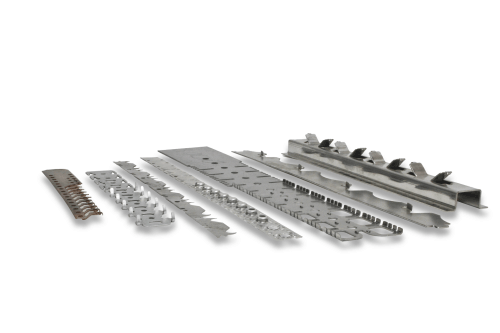
The choice of the appropriate metal for furniture stamping parts is critical to achieve durability, function, and aesthetics. Various metals are specifically good for metal furniture applications as they have different properties, for example, strength, corrosion resistance and economical.
However, the real strength of stamped furniture parts comes from choosing the right metal for the application. Whether you’re designing luxury home furniture, modular office systems, commercial fixtures, or industrial shelving, your choice of metal material can affect:
- Load-bearing capacity
- Corrosion resistance
- Assembly performance
- Product longevity and warranty claims
- Production cost and speed
- Customer experience and safety
This complete guide will help new and established furniture OEM manufacturers, hardware distributors, and sourcing managers understand the best metals for furniture stamping, their advantages, limitations, and ideal use cases.
Kbear Metal specializes in the custom stamping of furniture hardware components, offering OEM/ODM production for brands that require consistent quality, bulk manufacturing, and customized reinforcement solutions.
What is Metal Stamping
Metal stamping is a manufacturing process used to form flat metal sheets into specific shapes using a stamping press and specialized tooling called dies. Through force and precision, the metal sheet is cut, bent, shaped, or embossed to create components used in a wide range of industries, including furniture manufacturing, automotive, appliances, construction hardware, electronics, and more.
In the furniture industry, metal stamping is widely used to produce structural and decorative parts that improve strength, assembly convenience, and aesthetic appeal. Companies like Kbear Metal supply OEM furniture factories with custom-stamped parts tailored to design needs, ensuring perfect fitting, easy assembly, and stable performance under load.
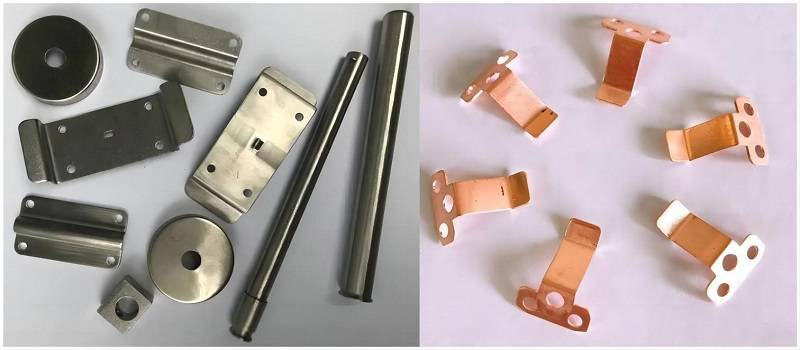
Metal Stamping for Furniture:Ways Choosing The Right Metal – Guide to the Most Popular Materials
When it comes to furniture manufacturing, most people think of wood craftsmanship, upholstery, or aesthetic design—but behind every stable, modern, and durable furniture structure lies an often-overlooked process: metal stamping. From hidden reinforcement plates inside sofas to precision-stamped mounting brackets in cabinets, metal components play a huge role in the strength, safety, and assembly efficiency of furniture products.
What’s even more surprising is how much the choice of metal material can drastically change a product’s performance, cost, corrosion resistance, weight, and even packaging efficiency. Some furniture brands unknowingly spend more on metal materials than necessary—or worse, choose the wrong material that rusts, bends, or cracks under load, leading to customer complaints and warranty returns.
1.Important Factors to Consider When Choosing Metal for Furniture Stamping
Choosing the right metal for your stamping furniture involves consideration of multiple factors to achieve both optimal performance and longevity.
a. Strength and Durability
- The metal needs to be strong enough to support weight and everyday usage.
- Heavy duty furniture typically requires high strength materials such as stainless steelб while aluminum is great for lightweight use.
b. Corrosion Resistance
- Those metals that are moist or outdoor should have high rust and corrosion resistance.
- For outdoor and high-humidity applications, stainless steel and aluminum are good materials.
c. Aesthetic Appeal
- In furniture design, the finish of the metal matters a lot.
- Brass and copper give a classic, luxurious look, while steel and aluminum are modern, sleek finishes.
d. Workability and Formability
- How effectively a metal can be stamped, cut, and shaped also impacts production costs and what can be designed.
- Aluminum and carbon steel are more easily formed than harder metals, such as stainless steel.
e. Financial and Budgetary Implications
- Each of these figures have had an effect on the overall production costs: Raw materials feed cost, cost of processing etc.
- Carbon steel is a great economically sound option, while stainless steel and brass tend to be pricier.
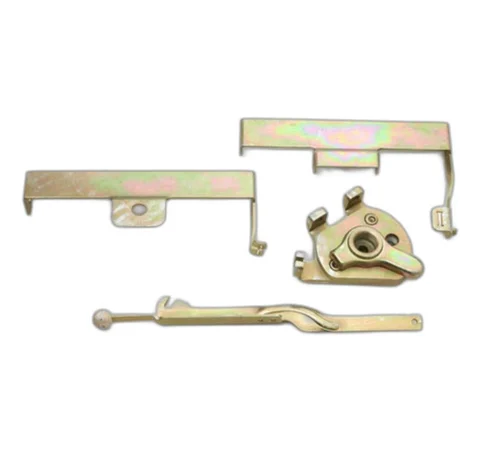
2.Metals Syndicated for Furniture Stamping
Each metal has its own advantages and primarily selection depends on what is needed by the furniture.
a. Stainless Steel
- Pros: Strong, very corrosion resistant, contemporary look.
- Cons: More expensive, harder to machine.
- Usual Applications: Premium furniture, outdoor & industrial furniture, structural components.
b. Aluminum
- Good point: lightweight, corrosion-resistant, easy to machine and shape.
- Disadvantages: Weaker than steel, more expensive than carbon steel.
- Best Used For: Modern and contemporary furniture, outdoor and patio furniture, decorative panels.
c. Carbon Steel
- Pros: Durable, affordable, widely found.
- Disadvantages: Can rust if not sufficiently painted or treated.
- Most Ideal As: Heavy-duty furniture, structural components, industrial applications.
d. Brass
- Pros: Elegant appearance, excellent machinability, corrosion-resistant.
- Cons: Pricey, has less tensile strength than steel.
- Ideal For: Accents, high-end furniture, and furniture that is vintage in style.
e. Copper
- Pros: Good patina, antimicrobial, durable.
- Cons: Costly, susceptible to oxidation.
- Best Used For: Statement furniture accents, specialty furniture.
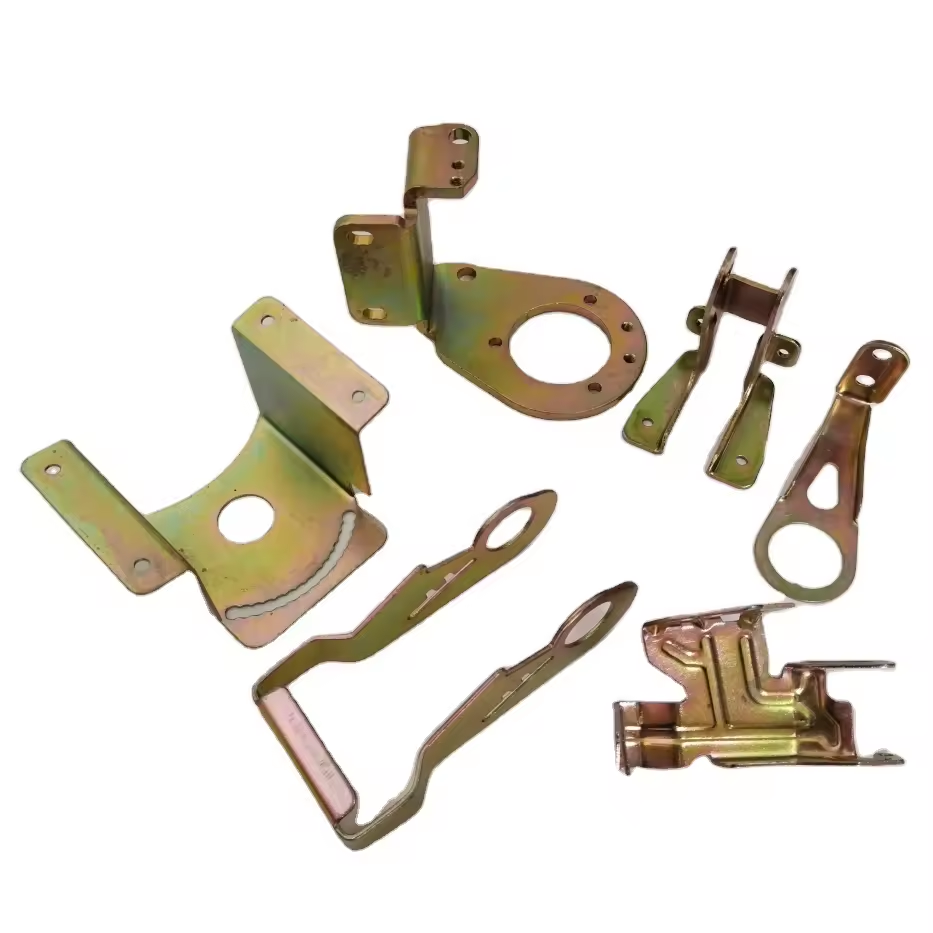
3.Metal stamping auto components Metal stamping auto components Vehicle stamping solution
Finding stamped metal pieces in different types of furniture is common where strength and design come together.
a Office and Commercial furniture
- In desks, chairs and shelving units stamped metal legs, brackets and reinforcements ensure durability.
- The stainless steel and aluminum parts give it a professional and modern appearance.
b. Home Furniture
- Table frames, bed supports and decorative accents are often made from carbon steel and aluminum.
- Luxury home furniture accented with brass and copper elements.
c. Garden and Outdoor Furniture
- Corrosion resistance and lightweight properties prefers aluminum and stainless steel.
- This gives the design structural integrity, with folded and stamped metal frames.
d. Retail & Hospitality Fixtures
- Functionality and aesthetics are enhanced by stamped metal shelving, decorative panels, and support structures.
- To allow for powerful branding elements and other unique design features, metal is easily used for custom metal stamping.
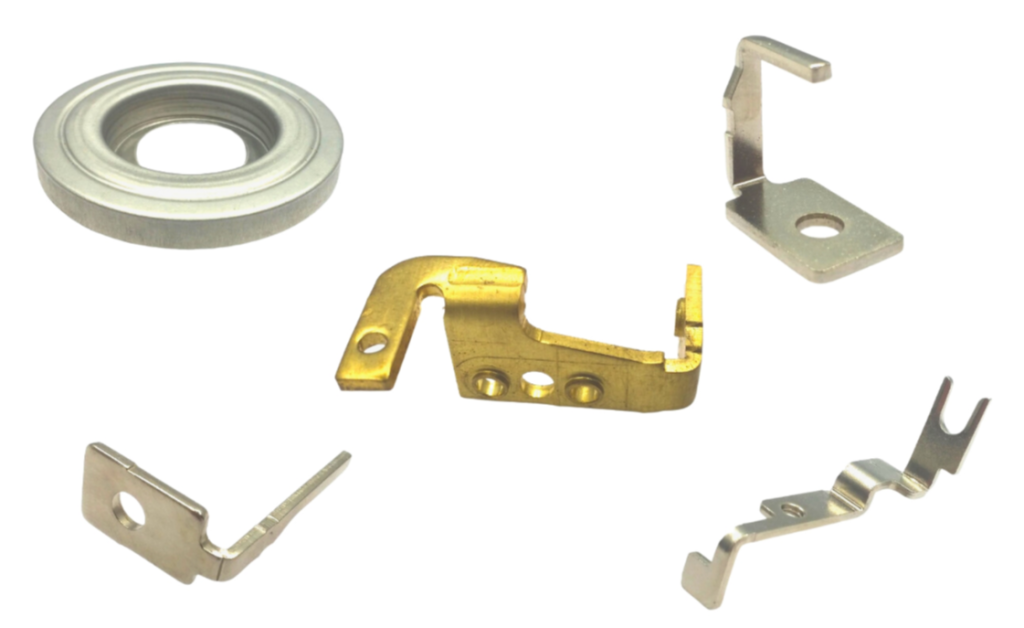
Why Metal Stamping is Preferred in Furniture Manufacturing
Before we dive into material choices, let’s clarify why metal stamping has become essential in the furniture industry.
Benefits of Metal Stamping for Furniture Hardware
| Benefit | Why It Matters in Furniture Production |
| High Precision | Ensures perfect fit for assembly lines and modular production. |
| Consistent Quality | Reduces fitting errors, assembly delays, and customer complaints. |
| Fast Mass Production | Ideal for high-volume furniture series and export manufacturing. |
| Customizable Designs | Supports brand-specific hardware shapes and functions. |
| Cost Efficiency | Lower cost per unit compared to CNC machining or welding. |
| Durability | Stamped metal parts maintain structural strength under pressure. |
Stamped components help reduce labor, improve factory automation efficiency, and create strong, compact, and aesthetically consistent fittings. No wonder major furniture brands choose stamped metal brackets and connectors over cast or fabricated options.
Metal Stamping Innovations in Furniture
Lifestyle & Entertainment An Insights Investigation October 23, 2023 3:52 pm
a. CNC stamping and precision engineering
- It ensures the precision and minimal variance in the metal parts.
- Minimizes material waste and improves the efficiency of mass production.
b. Sustainable and Eco-Friendly Materials
- Recycled metals and energy-saving manufacturing processes are being used more often.
- This greatly reduces the TOPRA immediate detrimental impact of toxic coatings and finishes.
c. Modular and Clever Furniture Designs
- Stamped metal parts are used in adjustable and multifunctional furniture.
- We have innovative designs that provide simple assembly and customization.
Key Factors to Consider When Selecting Metal for Furniture Stamping
To choose correctly, examine the following carefully:
| Factor | Best Choice |
| High Load Capacity? | Stainless Steel / Carbon Steel |
| Budget-Sensitive Project? | CRS / Galvanized Steel |
| Outdoor or Moisture Exposure? | Stainless Steel / Aluminum |
| Premium Aesthetic Hardware? | Brass / Polished Stainless |
| Weight-Sensitive Design? | Aluminum |
| Hidden Structural Parts? | Carbon Steel (Coated) |
How Kbear Metal Supports Furniture Manufacturers
At Kbear Metal, we understand the challenges faced by OEM furniture producers, hardware sourcing departments, and global importers. That’s why we offer:
✅ Custom metal stamping for L-brackets, hinges, angle plates, reinforcement parts
✅ Material sourcing based on your application – steel, aluminum, stainless, brass, etc.
✅ Surface finishing options – zinc plating, galvanizing, black oxide, powder coating, polishing
✅ Bulk production with high precision stamping technology
✅ OEM branding – logo stamping, laser marking, custom packaging for brands
✅ Engineering assistance to reduce material waste and increase strength
Whether you’re producing office furniture, hotel systems, commercial shelving, modular home construction fittings, or custom hardware accessories, Kbear Metal can manufacture metal-stamped parts according to your engineering drawings or assist in design optimization for mass production.
Conclusion
The metal selected for furniture stamping should be carefully considered, as it should reflect the strength, durability, and aesthetics of the furniture. The selection of the material strongly depends on the resistance to corrosion, cost, machinability, and functional demands. Choosing the right metal for furniture stamping parts is not just a technical decision—it is a strategic choice that directly impacts product quality, durability, cost-effectiveness, and brand positioning in the competitive furniture market. Each metal discussed—steel, stainless steel, aluminum, brass, and others—comes with unique characteristics, making it essential for manufacturers to match material properties with the intended furniture application.
For high-strength load-bearing components, cold-rolled steel and carbon steel remain top choices. For premium furniture with anti-corrosion requirements—particularly for outdoor or moisture-exposed environments—stainless steel becomes ideal. When lightweight construction and ease of transportation are priorities, aluminum offers excellent benefits. Meanwhile, for decorative appeal and upscale interior furniture components, brass and specialty alloys remain unmatched in aesthetics and machinability.
As Kbear Metal, our commitment to providing precision-engineered stamped furniture parts is backed by our expertise in material selection, automated stamping technology, and custom tooling solutions. We understand that every furniture brand has unique requirements—whether focused on heavy-duty commercial use, elegant home décor, or cost-optimized mass production. That is why we work closely with furniture manufacturers to determine the most suitable metal according to their mechanical strength needs, corrosion resistance expectations, finishing style, and budget considerations.
With the advancement of stamping technology and the rising need for precision, repeatability, and fast production cycles, choosing the right metal combined with the right supplier becomes a key competitive advantage. Kbear Metal supports furniture brands and OEM factories with customized stamped parts, stable quality control, and flexible production capabilities suitable for both small-batch prototyping and large-scale manufacturing.



