


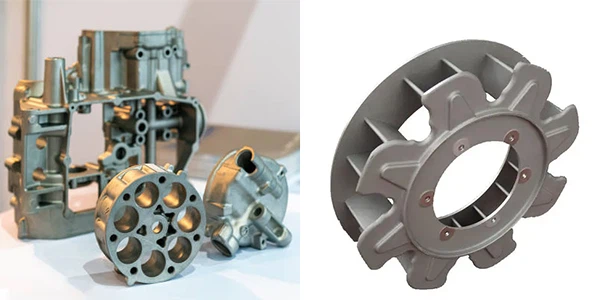
Casting is a pillar of manufacturing, forming the basis of a diverse variety of products, from auto components to building parts. A major determinant in the success of any casting project is the choice of material. Various casting materials like aluminum, steel, bronze, grey iron, and ductile iron have their own characteristics that they offer to the finished component, which can affect its strength, weight, and cost.
With such a wide variety of options available, understanding the distinct properties of casting materials becomes crucial for manufacturers. Choosing the right alloy ensures that components not only meet technical requirements but also deliver long-term value, efficiency, and performance in their intended applications.
This in-depth guide examines how different casting materials behave in terms of mechanical strength, weight efficiency, and cost. By knowing these factors, manufacturers and engineers can make better decisions that meet the performance and budget needs of their projects.
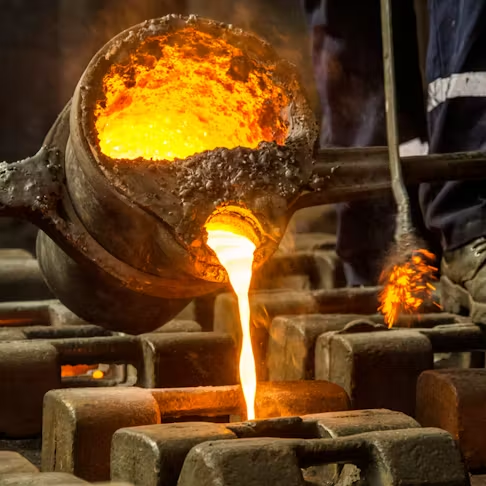
Key Casting Materials Overview
Casting is a cornerstone of modern manufacturing, enabling the production of complex and durable components for industries such as automotive, aerospace, construction, and decorative arts. The success of any casting project largely depends on the choice of material, as each metal or alloy offers unique properties that influence strength, durability, weight, and cost. Common casting materials include aluminum, steel, bronze, grey iron, and ductile iron, each suited to specific applications. Understanding these materials and their characteristics helps manufacturers select the most efficient and reliable option to ensure high-quality performance and long-term value in their products.
1. Aluminum
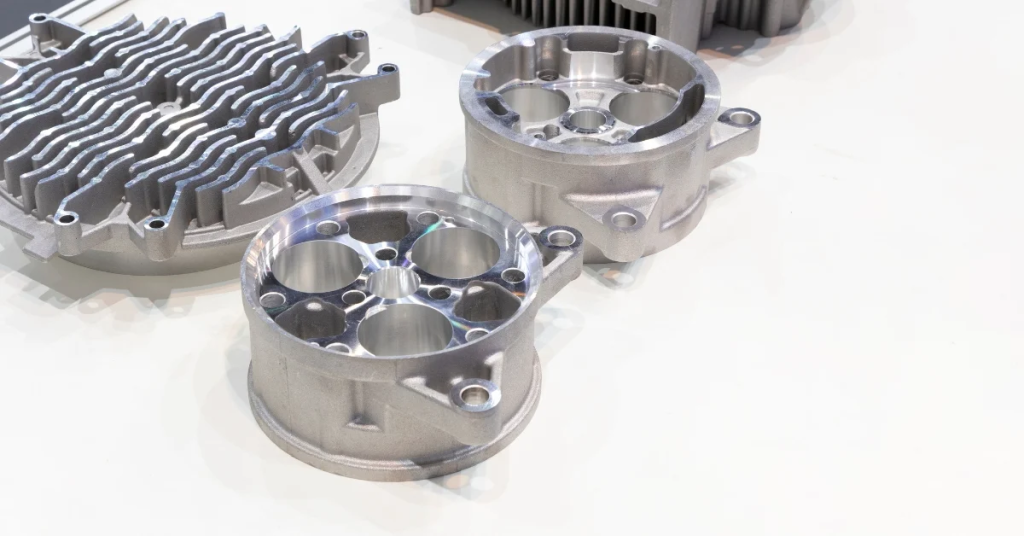
Aluminum is one of the most widely used casting materials due to its unique combination of light weight, strength, and corrosion resistance. Its versatility makes it a preferred choice in industries such as automotive, aerospace, marine, and construction, where reducing weight without compromising durability is essential. Aluminum castings also offer excellent machinability, thermal conductivity, and the ability to form complex shapes with precision. Because of its natural resistance to rust and oxidation, aluminum components maintain their performance even in harsh environments, making it a cost-effective and reliable material for both industrial and consumer applications.
- Strength: Moderate
- Weight: Very Light
- Cost: Low to Moderate
Aluminum is extensively used in casting because of its high strength-to-weight ratio. Although it cannot compete with the raw strength of steel, its corrosion resistance and lightness make it suitable for aerospace, automotive, and consumer electronics.
Advantages:
- High thermal and electrical conductivity
- Excellent corrosion resistance
- Good machinability
- Cost-effective for large production volumes
Disadvantages:
- Limited high-temperature performance
- Lower tensile strength than steel
2. Steel
Steel is a cornerstone casting material valued for its exceptional strength, toughness, and versatility. Known for withstanding heavy loads and extreme conditions, steel castings are widely used in construction, automotive, oil and gas, mining, and heavy machinery industries. Its ability to endure high stress and impact makes it ideal for structural components, engine parts, and industrial tools. In addition to its mechanical strength, steel offers excellent wear resistance and durability, ensuring long service life. With different grades and alloying options available, steel castings can be tailored to meet precise performance requirements across diverse applications.
- Strength: Very High
- Weight: Heavy
- Cost: Moderate to High
Steel is the go-to material whenever mechanical strength and durability are the prior considerations. It’s frequently employed in construction, industrial equipment, oil and gas, and defense industries.
Advantages:
- High load-carrying ability
- Greater wear and impact resistance
- Alloying possible for better properties
Disadvantages:
- Greater weight than other cast materials
- More costly to machine and cast
- Prone to corrosion when not coated
3. Bronze
Bronze, an alloy primarily made of copper and tin, is prized for its durability, corrosion resistance, and attractive reddish-golden appearance. Known since ancient times, bronze remains a vital casting material for both industrial and decorative applications. Its low metal-to-metal friction makes it ideal for bearings, bushings, gears, and marine hardware, while its excellent castability allows for intricate designs in sculptures, medals, and architectural details. Bronze also resists wear, fatigue, and environmental forces such as moisture and saltwater, ensuring longevity in demanding conditions. This unique blend of strength and beauty makes bronze a versatile and enduring choice in modern manufacturing.
- Strength: Moderate to High (alloy dependent)
- Weight: Medium
- Cost: High
Bronze, a copper-tin alloy (with phosphorus or aluminum, etc.), is valued for corrosion resistance and its pleasing appearance. It’s used in marine hardware, bearings, and decorative trim.
Benefits:
- Very good corrosion resistance
- Low metal-metal friction
- Good surface finish and castability
Limitations:
- Costly raw material
- Denser than aluminum
4. Grey Iron
- Strength: Moderate
- Weight: Heavy
- Cost: Low
Grey iron is a classic casting material that has good machinability and vibration damping. It’s widely applied in engine blocks, pipes, and cookware.
Advantages:
- Good castability
- Excellent compressive strength
- Cost-effective
Disadvantages:
- Brittle (low tensile strength and ductility)
- Not recommended for high-impact or shock-load applications
5. Ductile Iron (Nodular Iron)
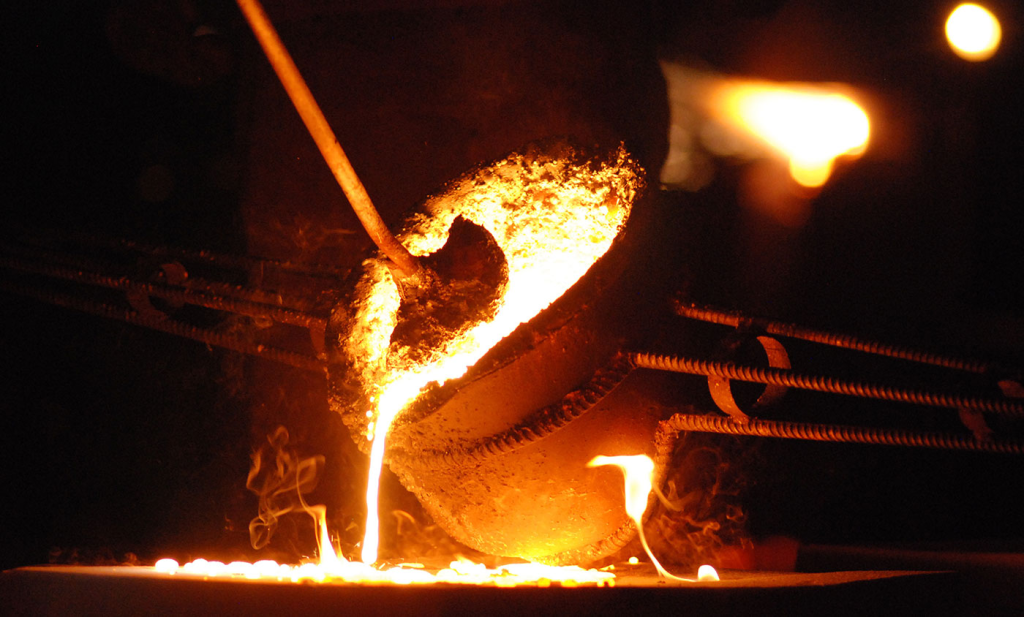
Ductile iron, also known as nodular iron or spheroidal graphite iron, is a versatile casting material that combines the strength of steel with the castability of iron. Its unique microstructure, where carbon forms as spherical nodules, provides excellent tensile strength, impact resistance, and flexibility compared to traditional grey iron. This makes ductile iron highly suitable for automotive components, pipes, gears, machinery parts, and heavy-duty equipment. It also offers good wear resistance and fatigue performance, ensuring durability in demanding applications. Cost-effective and adaptable, ductile iron is widely used where both performance and economy are critical.
- Strength: High
- Weight: Heavy
- Cost: Moderate
Ductile iron has all the benefits of grey iron but with increased ductility and strength due to the presence of a nodular graphite microstructure.
Advantages:
- High fatigue and impact resistance
- Improved ductility and elongation compared to grey iron
- Good corrosion resistance (alloy dependent)
Drawbacks:
- Costlier than grey iron
- Requires more accurate heat treatment and casting processes
Comparison of Strength
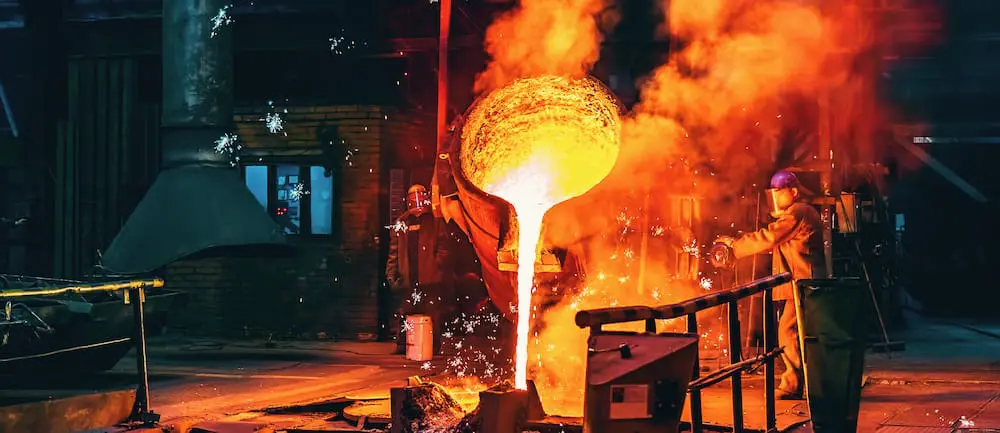
The mechanical strength of casting material influences their performance in structural or load-bearing use.
| Material | Tensile Strength (MPa) | Compressive Strength (MPa) | Impact Resistance |
| Aluminum | 90–320 | 250–400 | Moderate |
| Steel | 400–900+ | 600–1500 | High |
| Bronze | 200–550 | 400–800 | Moderate |
| Grey Iron | 150–400 | 600–1000 | Low |
| Ductile Iron | 400–700 | 800–1200 | High |
Steel and ductile iron are the top performers in terms of strength, making them ideal for structural, automotive, and industrial applications. Aluminum and bronze are better suited to projects where strength is important but not critical.
Weight Considerations
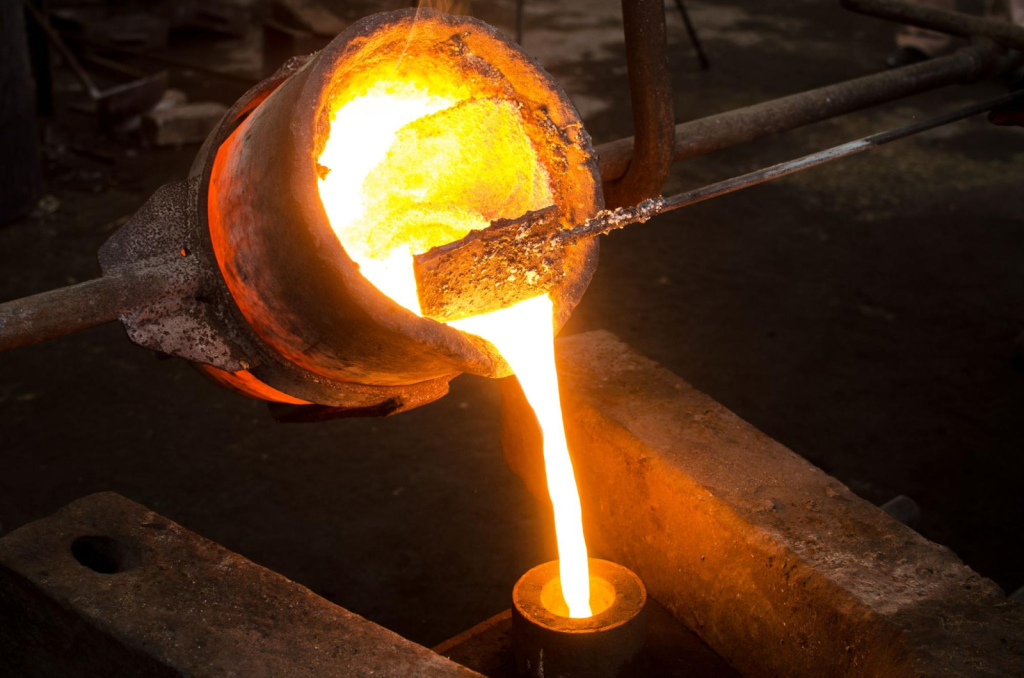
Weight is crucial in applications such as aerospace, transportation, and consumer electronics.
| Material | Density (g/cm³) | Relative Weight |
| Aluminum | 2.7 | Light |
| Steel | 7.8 | Heavy |
| Bronze | 8.7–8.9 | Heavy |
| Grey Iron | 7.0–7.3 | Heavy |
| Ductile Iron | 7.0–7.3 | Heavy |
Aluminum is distinctly superior for lightweight uses. Steel and cast irons weigh more and are better for stationary or load-bearing products.
Cost Analysis
Material cost is needed for cost estimates and production planning.
| Material | Relative Cost | Notes |
| Aluminum | Low to Moderate | Affordable for large production runs |
| Steel | Moderate to High | More costly due to energy and tooling |
| Bronze | High | High raw material and processing cost |
| Grey Iron | Low | One of the cheapest casting materials |
| Ductile Iron | Moderate | More expensive than grey iron |
Grey iron is commonly used for low-budget projects, with aluminum being in between for balance and affordability. Bronze is preferable for those that require its precise properties despite added expense.
Application-Specific Guidelines
1. Automotive Parts
- Aluminum for engine blocks and body parts (light, rust-resistant)
- Steel for gears, frames, and suspension pieces (strength-oriented)
- Ductile Iron for crankshafts and axles (long-lasting at a cost-efficient price)
2. Aerospace
- Aluminum holds sway for the weight-saving aspect
- Steel alloys for engine components and structural elements with high strength
3. Marine Equipment
- Bronze is best for fittings and bearings in contact with seawater
- Aluminum provides corrosion resistance in non-structural parts
4. Industrial Machinery
- Grey Iron for machine bases (good damping and low cost)
- Steel and Ductile Iron for moving or load-carrying parts
5. Architectural and Decorative Items
- Bronze is preferred for appearance and corrosion resistance
- Aluminum provides a cost-effective option with satisfactory surface finish

Sustainability Considerations
Environmental impact and recyclability are becoming more significant.
- Aluminum: Very recyclable; maintains majority of properties after recycling
- Steel: Most recycled material in the world
- Bronze: Can be recycled but less frequent due to high raw material expense
- Grey and Ductile Iron: Can be recycled; often reused in foundries
Material selection can be affected by sustainable manufacturing practices, particularly in industries with environmental compliance regulations.
Conclusion
The selection of casting material has a deep influence on the success of a project. The knowledge of strength, weight, and cost trade-offs allows each application to get the most appropriate material. Aluminum is best suited for light, corrosion-resistant components; steel is best for high-strength applications; bronze is ideal for decorative and marine applications; and grey and ductile irons are great value and durability for industrial applications.
The ideal material selection compromises technical performance against budget, environmental exposure, and intended use—key considerations that seasoned casting makers analyze when planning a project.
References
American Foundry Society. (2020). Casting Source Directory. Retrieved from https://www.afsinc.org
ASM International. (2018). Metals Handbook, Volume 15: Casting.
Davis, J.R. (2001). Aluminum and Aluminum Alloys. ASM International.
Totten, G.E. (2006). Steel Heat Treatment: Metallurgy and Technologies. CRC Press.
Davis, J.R. (2001). Cast Irons. ASM International.
Callister, W.D. (2010). Materials Science and Engineering: An Introduction. Wiley.



