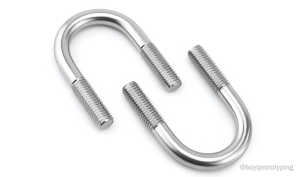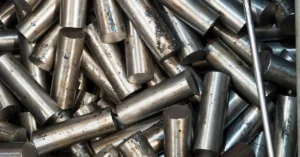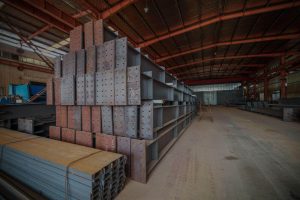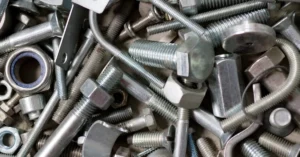


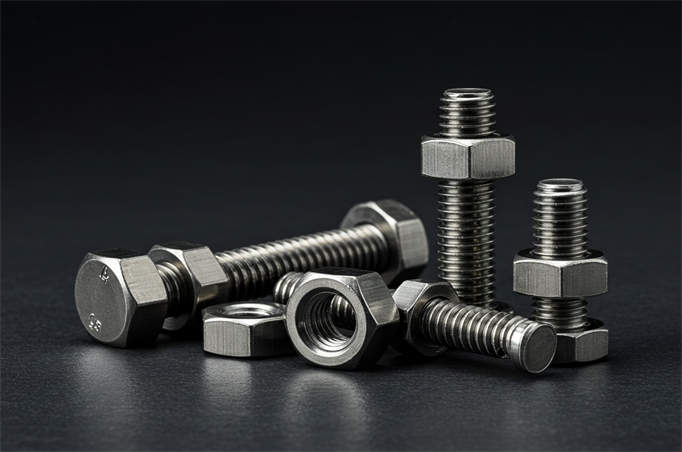
When it comes to picking the correct fasteners for your construction, manufacturing, or DIY project, what matters is material. Amidst many different options available, stainless steel fasteners are one which stands the test of reliability and versatility. Stainless steel fasteners are known to be quite strong, hard-wearing, and resistant to all environmental factors and hence they provide unmatched performance in a wide array of applications.
Selecting the right fasteners is critical to the success, safety, and longevity of any construction or industrial project. Stainless steel fasteners have become a preferred choice for engineers, builders, and contractors due to their superior strength, corrosion resistance, and durability. From harsh outdoor environments to high-stress structural applications, stainless steel fasteners provide reliable performance while minimizing maintenance needs. In this article, we explore the top five reasons why investing in stainless steel fasteners can enhance your project’s quality, efficiency, and long-term value.
We are going to explore the top five reasons why stainless steel fasteners should be your go-to choice for your next project.
1. Exceptional Corrosion Resistance
One of the primary advantages of stainless steel fasteners is their exceptional resistance to corrosion and rust. Unlike traditional steel fasteners, stainless steel contains chromium and other alloying elements that form a protective layer on the surface, preventing degradation even in harsh environments.
This makes them ideal for outdoor, marine, and high-humidity applications, ensuring that connections remain strong and reliable over time. By choosing stainless steel fasteners, projects benefit from longer-lasting performance, reduced maintenance costs, and enhanced structural integrity.
- How It Works: Stainless steel has the addition of chromium, which produces a protective oxide layer that prevents rust and degradation on the surface.
- Applications: Ideal for outdoor structures, marine equipment, and industrial machinery that operate in corrosive environments.
- Why It Matters: Stainless steel fasteners ensure longevity and lower the costs of maintenance, hence economical in the long run.
2. Unmatched Strength and Durability
Stainless steel fasteners are particularly famous for their excellent mechanical properties, and they are used in high load-bearing jobs.
- Strength: They provide tensile and shear strength without any deformation.
- Reliability: Stainless steel retains its structure for a lifetime, even under extreme strain or stress.
- Application : In the construction of megastructures, stainless steel fasteners ensure structural security and stability for long time periods.
3. Aesthetic Appeal
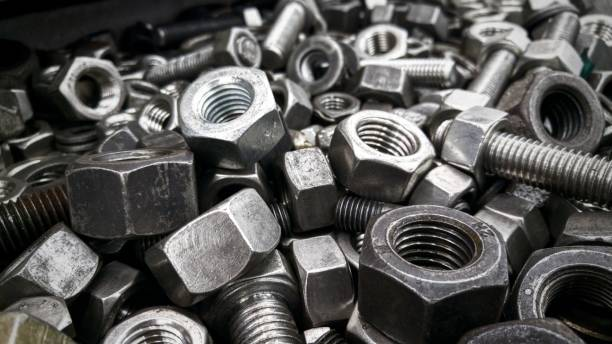
Stainless steel fasteners are not only functional but also visually appealing, making them an excellent choice for projects where appearance matters. Their sleek, polished finish enhances the overall look of structures, fixtures, and architectural elements, providing a professional and modern appearance.
Unlike coated or painted fasteners that may chip or fade over time, stainless steel maintains its clean and shiny surface, contributing to both aesthetic consistency and long-term durability. Choosing stainless steel fasteners ensures that your project looks as good as it performs.
Though functionality is critical, the appearance of your fasteners can also play a major role, particularly where they are visible in use.
- Smooth Finish: The stainless steel fastener features a clean, bright finish that enhances the overall appearance of your project.
- No rust stains: Unlike most metals, stainless steel does not produce unsightly rust stains on surrounding materials.
- Applications: Good for modern architectural purposes, furniture design, and aesthetic decorations where aesthetics have priority.
4. Resisting Extreme Temperatures
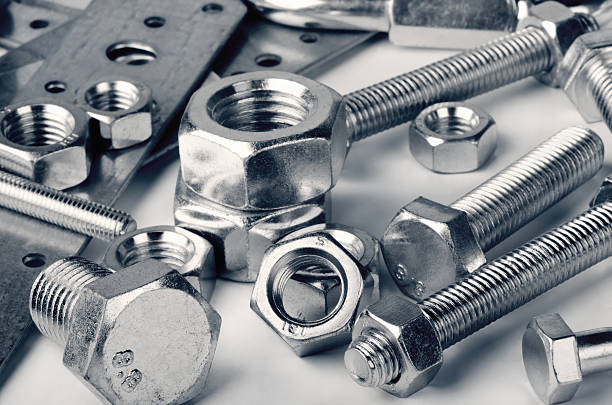
If your project requires it to function at high temperatures or freeze conditions, stainless steel fasteners can take it.
- Heat Resistance: This does not warp with the heat since its strength is not lost by high temperatures and, hence, can be used for industrial ovens and automobile engines.
- Cold Resistance: It is resistant to brittleness in sub-zero temperatures, making it suitable for refrigerated environments or arctic applications.
- Why It’s Important: Applications requiring thermal stability are well suited for stainless steel as it can work well over a wide range of temperatures.
5. Eco-Friendly and Sustainable
Stainless steel fasteners meet the requirements of the new sustainability agenda, so they are a responsible option for environmentally conscious projects.
- Recyclable: 100% recyclable stainless steel minimizes waste and adheres to the principles of the circular economy.
- Longevity: Their long-lasting nature reduces replacement frequencies and thus reduces resource consumption in the long term.
- Eco-Benefit: Using stainless steel fasteners is one of the ways toward an environmentally friendly construction and manufacturing approach.
- Bonus: Versatility Across Industries
- Stainless steel fasteners are versatile and can be applied to industries such as:
- Construction: Bridges, buildings, and outdoor structures
- Marine: Boats, docks, and underwater installations
- Automotive: Engine parts and body assembly.
- Electronics: Rust and corrosion-resistant hardware components for gadgets and devices.
Applications Across Industries
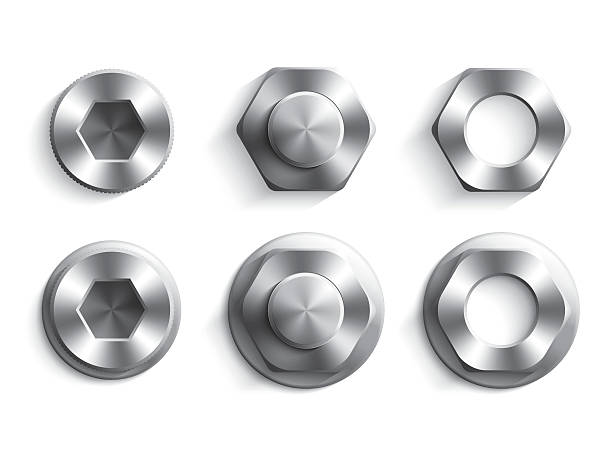
Stainless steel fasteners are versatile and widely used across multiple industries due to their strength, corrosion resistance, and long-term reliability. Their adaptability makes them essential in sectors ranging from construction to aerospace.
- Construction – Used in structural steel frameworks, bridges, buildings, scaffolding, and outdoor fixtures, stainless steel fasteners ensure secure and long-lasting connections even in harsh weather conditions.
- Marine Industry – Ideal for ships, offshore platforms, docks, and coastal infrastructure, their corrosion resistance makes them perfect for exposure to saltwater and high-humidity environments.
- Automotive and Transportation – Stainless steel bolts, nuts, and screws are used in engines, chassis, and body components to withstand vibrations, heat, and long-term wear.
- Industrial Equipment and Machinery – Heavy-duty fasteners in stainless steel are crucial for high-stress applications in factories, processing plants, and heavy machinery, ensuring operational reliability and safety.
- Aerospace – Lightweight, strong, and corrosion-resistant stainless steel fasteners are used in aircraft assemblies where safety and durability are critical.
- Architectural and Decorative Applications – For projects where appearance is important, stainless steel fasteners maintain a polished, corrosion-free finish for aesthetic as well as functional purposes.
By serving a wide range of industries, stainless steel fasteners demonstrate unmatched versatility, making them a go-to solution for projects that demand strength, longevity, and environmental resilience.
Environmental Benefits of Stainless Steel Fasteners
Stainless steel fasteners are not only strong and durable but also environmentally friendly, making them an excellent choice for sustainable construction and industrial projects. One of the key environmental benefits is recyclability. Stainless steel is 100% recyclable without loss of quality, meaning old fasteners can be melted down and reused in new products, reducing the demand for virgin raw materials and conserving natural resources.
Another benefit is long lifespan, which reduces waste. Because stainless steel fasteners resist corrosion, wear, and degradation, they last significantly longer than other fastener materials. This durability decreases the frequency of replacements, lowering material consumption, transportation emissions, and maintenance-related environmental impact.
Additionally, the production of stainless steel can incorporate eco-friendly processes, such as energy-efficient furnaces and recycled content, further reducing carbon emissions and resource usage. Using stainless steel fasteners in projects therefore aligns with sustainable construction practices, supporting environmental responsibility while maintaining high performance and safety standards.
Common Mistakes to Avoid
While stainless steel fasteners offer superior durability and performance, improper use can compromise their effectiveness. Being aware of common mistakes can help ensure that your fasteners provide long-term reliability:
- Mixing Metals – Combining stainless steel fasteners with incompatible metals (like plain carbon steel) can lead to galvanic corrosion. Always match metals properly to avoid accelerated degradation.
- Using the Wrong Grade – Choosing a stainless steel grade that does not suit environmental conditions, such as using 304 instead of 316 in marine applications, can reduce corrosion resistance and durability.
- Improper Installation – Over-tightening or under-tightening fasteners can lead to stripped threads, deformations, or weak connections. Using the correct torque specifications is essential.
- Neglecting Surface Protection – Even stainless steel benefits from protective coatings or lubricants in high-salt or chemical environments to further prevent corrosion.
- Ignoring Maintenance Needs – While low-maintenance, stainless steel fasteners still require periodic inspection in high-stress or outdoor applications to ensure structural integrity.
- Using Damaged Fasteners – Reusing bent, scratched, or previously stressed fasteners can compromise safety and performance. Always inspect fasteners before installation.
By avoiding these common mistakes, engineers and builders can maximize the lifespan, strength, and reliability of stainless steel fasteners, ensuring optimal performance for any project.
Why Kbear Metal is your Stainless Steel Fastener supplier of choice
Choosing the right supplier is just as important as selecting the right fasteners for your project. Kbear Metal stands out as a trusted provider of high-quality stainless steel fasteners, offering reliability, durability, and unmatched expertise. Our products are manufactured using premium materials and advanced processes to ensure corrosion resistance, strength, and precision in every fastener.
Finding the right supplier is equivalent to material selection when buying stainless steel fasteners; this is
- Premium quality: Only A-grade stainless steel is used for high performance standards.
- Custom solutions: This may be a standard one or special; we bring you tailored fastener solutions according to your demands.
- Expert advice: Our team will help guide you on the proper choice of fasteners for your project.
- Eco-friendly practice: We ensure that our manufacturing process is always ecologically friendly and meets global goals for sustainability.
Conclusion
Stainless steel fasteners are an investment in quality, performance, and longevity. Their corrosion resistance, strength, aesthetic appeal, and sustainability make them ideal for any variety of projects, from heavy-duty industrial applications to sleek architectural designs.
When you’re ready to elevate your project with the best fasteners available, trust Kbear Metal to deliver superior stainless steel solutions tailored to your needs.