


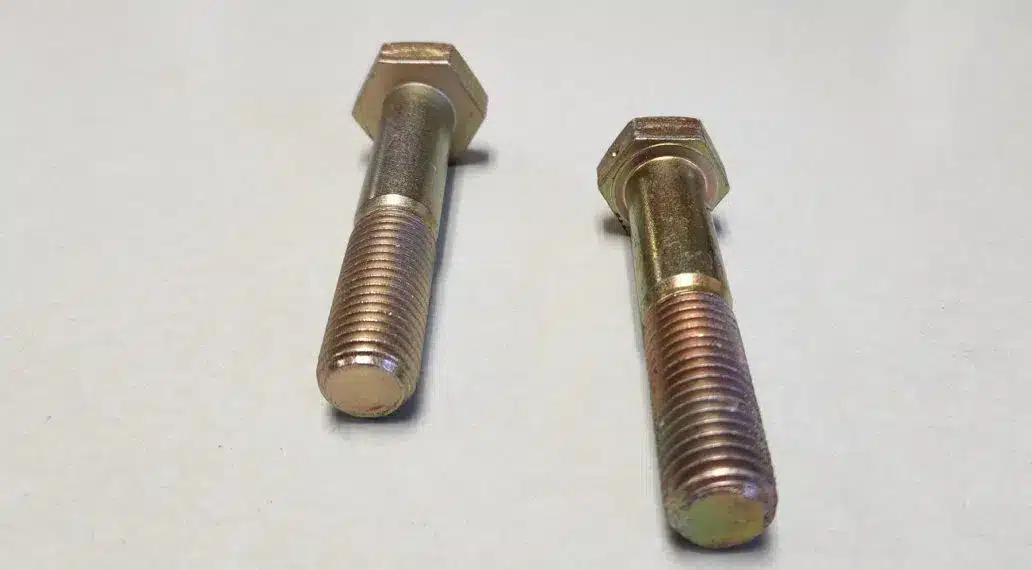
The details are where the strength and stability of a construction project reside. Amongst the most vital parts holding it all together, however, lie hex bolts—a reliable, versatile, and important staple in modern construction. Due to their hexagonal shape and robust design, they are indispensable in applications ranging from erecting steel frameworks to machinery assembly.
The reliability of hex bolts makes them indispensable in critical construction projects where safety and structural integrity are paramount. They come in various sizes, grades, and materials, including stainless steel, alloy steel, and carbon steel, allowing engineers to choose the right bolt for specific load requirements and environmental conditions. Beyond their functional benefits, hex bolts also streamline installation and maintenance processes, reducing downtime and improving project efficiency.
Understanding the types, applications, and advantages of hex bolts highlights why they are considered the backbone of modern construction. By providing secure connections and supporting structural resilience, hex bolts play a pivotal role in ensuring that construction projects are safe, durable, and built to last.
This blog elaborates on what hex bolts are in terms of their design, use, advantages, and why it is regarded as the back boned construction material.
What Is a Hex Bolt?
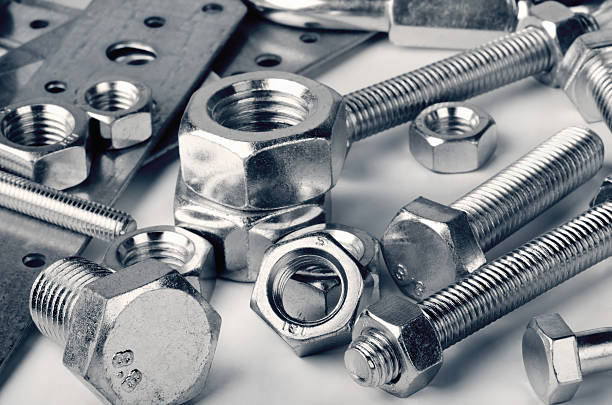
Hex bolts are fasteners whose head is in the shape of a hex and have a shaft that is threaded. They normally come with nuts or threaded holes to create the most secure kind of connection. The hex head design allows wrenching from many angles, hence easy installation.
Hex bolts come in various sizes, lengths, thread types, and material grades, including stainless steel, carbon steel, and alloy steel, allowing engineers to select the appropriate bolt for specific load-bearing requirements and environmental conditions. Their design ensures strong clamping force, resistance to vibration, and long-lasting durability, making them a preferred choice for critical structural and mechanical connections.
Key Features of Hex Bolts
Hex bolts are indispensable fasteners in construction and industrial applications, valued for their strength, reliability, and ease of use. Their unique six-sided heads, threaded shafts, and durable materials make them suitable for securing a wide range of components, from structural steel and machinery to automotive parts. Understanding the key features of hex bolts—such as material strength, versatility, corrosion resistance, and installation efficiency—highlights why they are trusted for critical connections in projects that demand stability, durability, and long-lasting performance.
1.Hexagonal Head
- This provides six points of contact for wrenches, ensuring firm grip during tightening or loosening.
- Suitable for use with both open-end and socket wrenches.
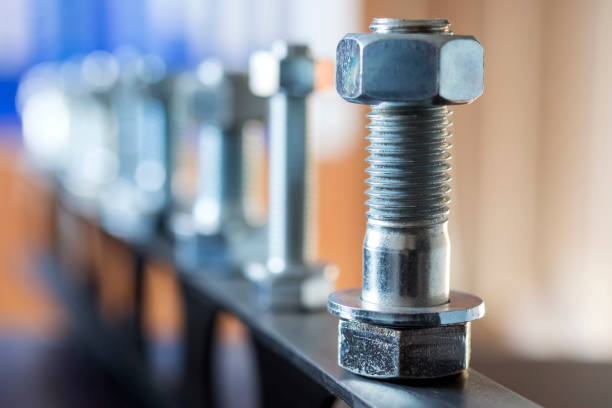
2.Threaded Shaft
- Fully or partially threaded, depending on the bolt’s intended use.
- Ensures a strong, secure fit when paired with nuts or pre-threaded holes.
3.Material Versatility
- Made from various materials, including stainless steel, carbon steel, and alloys, to suit different environmental conditions.
4.Corrosion Resistance
- Many hex bolts are coated or made from materials that resist rust and corrosion, ensuring longevity in harsh environments.
Applications of Hex Bolts in Construction
Hex bolts are widely used in construction due to their strength, reliability, and ability to create secure connections in a variety of structural and mechanical applications. One of the primary uses is in structural steelwork, where hex bolts fasten beams, columns, and frameworks, ensuring stability and load-bearing capacity in buildings, bridges, and industrial structures.
They are also commonly used in machinery and equipment assembly, providing secure joints in cranes, lifts, and heavy construction machinery that must endure vibration and heavy loads. In foundations and infrastructure projects, hex bolts anchor equipment, support frames, and hold together modular components with precision.
Hex bolts are very basic for different construction works, since they are both strong and flexible.
Structural Steel Assembly
Hex bolts are commonly used for connecting beams, columns, and trusses in steel construction. With such tensile strength, gigantic structures can be assured of stability.
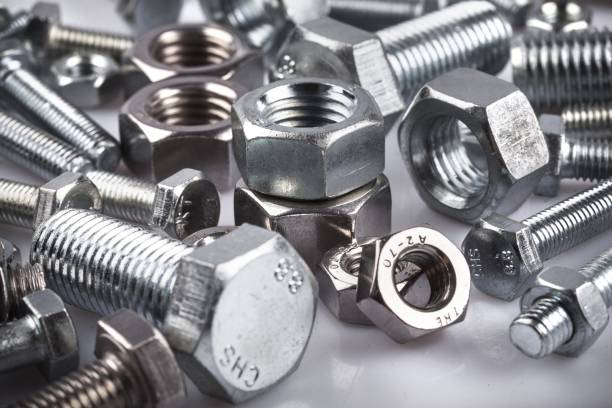
Concrete Reinforcements
These anchor bolts attach the steel plates and frames to the concrete base to offer robust support for buildings, bridges, among others.
Machinery and Equipment
Hex bolts secure heavy machinery and equipment in industrial construction settings, thus stabilizing and securing them for safety purposes.
Roofing and Cladding
They are used to attach roofing sheets, panels, and cladding materials that give both structural support and aesthetic appeal.
Automotive and Aerospace Applications
In addition to construction, hex bolts are used to assemble vehicle parts and aerospace components, thereby highlighting the versatility of the hex bolt.
Benefits of Hex Bolts in Construction Projects
Hex bolts offer numerous advantages that make them a preferred choice in construction projects of all sizes. Known for their strength, durability, and ease of installation, these fasteners provide secure and reliable connections that withstand heavy loads, vibrations, and harsh environmental conditions. Understanding the benefits of hex bolts highlights their role in enhancing structural integrity, improving project efficiency, and ensuring long-lasting performance in buildings, bridges, machinery, and industrial applications.
1.Unmatched Strength
Hex bolts are developed with the ability to withstand massive loads, thus ideal for heavy-duty applications.

2.Ease of Installation
The hexagonal head creates an easier tightening process, thus saving time and labor in assembly.
3.Versatility
Hex bolts can be used on a wide range of materials including wood, metal, and concrete, thus equipped to meet various construction requirements.
4.Durability
Hex bolts have a high-quality material for resistance against wear, weather, and environmental stressors.
5.Precision and Reliability
Their standardized design ensures precise fitment, so the likelihood of alignment issues or structural weaknesses is minimized.
Hex Bolts Classification
Hex bolts come in a variety of types, materials, and grades, each designed to meet specific structural and mechanical requirements. Understanding their classification is essential for selecting the right bolt for construction, industrial, or machinery applications. Factors such as head size, thread length, material composition, strength grade, and corrosion resistance determine the suitability of a hex bolt for a particular project. By knowing the different classifications, engineers and builders can ensure reliable, safe, and durable fastening solutions in any construction or industrial setting.
Fully Threaded Hex Bolts
Applicable for a strong grip throughout the length of the bolt
Partially Threaded Hex Bolts
In cases where an unthreaded portion is desired for added shear strength or alignment, these are the best options.
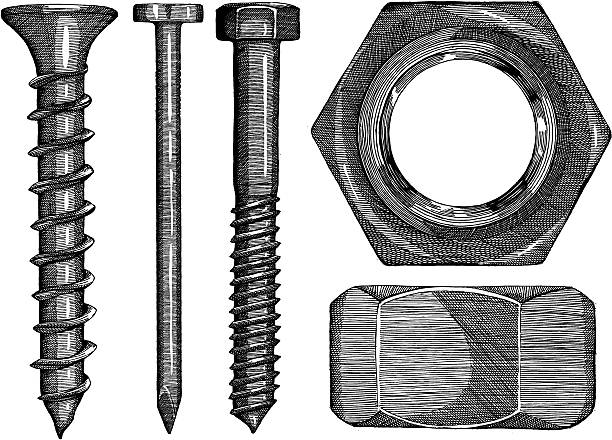
Heavy Hex Bolts
Their large, thicker head makes it ideal for construction and industrial applications.
Flanged Hex Bolts
Incorporate a built-in washer for better load distribution and surface protection.
Materials Used in Hex Bolts
The material used in manufacturing hex bolts plays a critical role in determining their strength, durability, and suitability for specific applications. Hex bolts are produced from a variety of metals and alloys to meet different load-bearing requirements, environmental conditions, and corrosion resistance standards.
Common materials include carbon steel for general-purpose use, stainless steel for enhanced corrosion resistance, and alloy steel for heavy-duty or high-stress applications. Selecting the right material ensures that hex bolts provide reliable fastening, long-term performance, and safety across construction, industrial, and machinery projects.
1.Stainless Steel
- Corrosion-resistant and ideal for outdoor or marine environments.
2.Carbon Steel
- Strong and cost-effective for general construction purposes.
3.Alloy Steel
- Offers enhanced strength and durability for high-stress applications.
4.Brass and Aluminum
- Lightweight and corrosion-resistant, suitable for specialized applications.
How to Choose the Right Hex Bolt for Your Project
Selecting the right hex bolt is essential to ensure the safety, stability, and longevity of any construction or industrial project. Factors such as load requirements, material compatibility, environmental conditions, and thread type all play a crucial role in determining the most suitable bolt. By understanding the different grades, materials, and dimensions available, project managers, engineers, and builders can make informed decisions that optimize performance, minimize maintenance, and guarantee secure connections for structural, mechanical, and machinery applications.
Understand Load Requirements
Select bolts with the appropriate tensile strength for the expected loads.
Match Materials
Select a bolt material that is compatible with the materials being fastened to avoid corrosion or weakening.
Consider Environmental Factors
Use corrosion-resistant bolts for outdoor or high-moisture environments.
Evaluate Threading Needs
Determine whether a fully or partially threaded bolt best suits your application.
Hex Bolts and Sustainability in Construction
Reusable Hex Bolts is an eco-friendly product for constructions that focus on sustainability. Hex bolts are robust, which diminishes the amount of replacement during construction. That reduces the disposal of materials within the construction sites. Many suppliers also offer recyclable hex bolts, which gives more impetus to green environment initiatives.
Why Kbear Metal for Hex Bolts?
Kbear Metal is a trusted supplier of exceptional fasteners. Here’s why we’re the perfect partner:
- Extensive product range: Hex bolts are offered in a variety of sizes, materials, and finishes.
- Quality assurance: Hex bolts are strictly tested for strength and reliability.
- Customization options: We have the capability to provide specific designs or materials based on your requirement.
- Expert guidance: Our experts are here to help you make the right bolt selection for your project.
- Sustainability Commitment: We emphasize eco-friendly manufacturing practices to meet the objectives of green construction.
Conclusion
Hex bolts are the backbone of construction projects. They provide unmatched strength, reliability, and versatility. Whether it is assembling towering steel structures or securing machinery, their role cannot be overstated. Understanding their features and applications can help you make informed decisions for your construction needs.
For premium quality hex bolts which will ensure success in your projects, rely on Kbear Metal. Contact us today to know more about what we have for you and how we can aid in your construction goals.



