

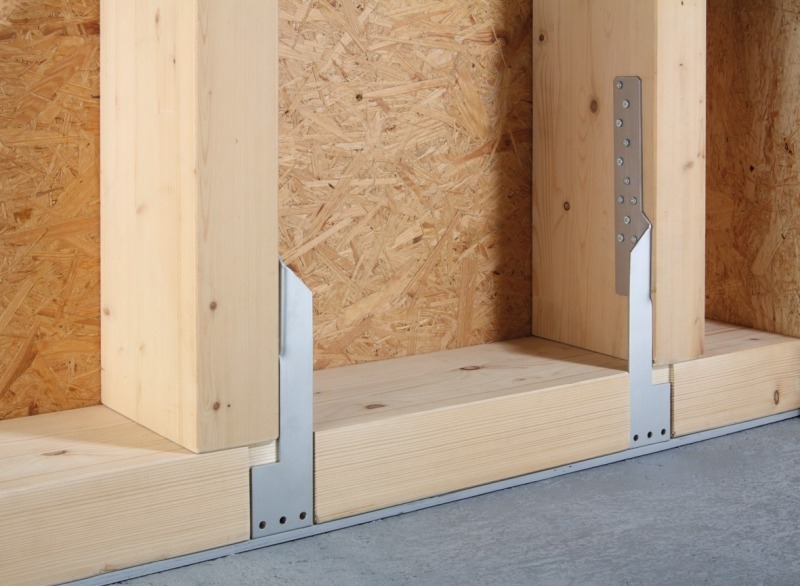
The iron brackets maintain the stability and support the structure allowing the load on the construction site. Manufactured through stamping methods, these metal parts help ensure that buildings, bridges, and other structures remain structurally sound through various stresses. So we turn to construction and learn about angle brackets and their role in making construction safer and more efficient and the benefits of angle brackets in building longevity.

Angle Brackets: How They Are Used in Construction
Angle brackets are essential hardware components in construction, providing stability, reinforcement, and support for various structures. Their L-shaped design allows them to connect two perpendicular surfaces securely, distributing weight evenly and reducing the risk of structural failure.
When used in structural contexts, angle brackets (L-brackets, corner brackets, etc.) are used to strengthen joints and connections of structural components. They also add strength and rigidity to frameworks, which help avoid distortion and structural crushing.
1.4 Different Ways Angle Brackets Are Used in Construction
a. Framing and Load-Bearing Structures
- Used to anchor beams, columns, and truses in buildings.
- Stabilize wooden and metal structures from waring or moving.
- Add additional support in high-load areas like ceilings and floors.
b. Additional reinforcement to wall and roof systems
- Beef up the connections between walls and roof panels to handle wind and seismic forces.
- Distribute the weight evenly throughout the structure to better minimize stress points.
- Prevent masonry and drywall from cracking and separating.
c. Bridges and Other Infrastructure Aid
- A particular device for fastening metal and concrete components to the bridge and the highway.
- Strengthen joints that experience high vibration and weight loads.
- To extend the life span of the public infrastructures by minimizing wearing and tearing.
d. Foundation and Footing Integrity
- Minimize shifting / settling of structural foundations
- Employ this in seismically active regions to buttress foundation walls.
- Offer resistance to soil pressure and to environmental changes.
e. House up and DIY Applications
- Reinforce shelving units, furniture and home repair projects.
- Additional support for elevated sections of deck and outdoor structures.
- Strengthen the garage and storage racks.

2.Why Use Angle Brackets to Maintain Structural Integrity
Angle brackets are critical components in maintaining the structural integrity of buildings, furniture, and industrial assemblies. Their L-shaped design allows them to reinforce joints and corners, ensuring that two perpendicular surfaces remain securely connected under various loads and stresses.
Using angle brackets helps distribute weight evenly across a structure, reducing the risk of sagging, bending, or failure. They are particularly valuable in high-stress areas, such as support beams, shelving units, and machinery frameworks, where stability is essential for safety and longevity.
Additionally, angle brackets prevent movement and shifting in structures that experience vibrations, environmental forces, or frequent use. By reinforcing connections, they extend the lifespan of materials, reduce maintenance requirements, and enhance overall durability.
a. Enlarged Load Capacity and Strength
- They prevent weak points, as angle brackets distribute weight evenly across a structure.
- Increase load-bearing and weather-resistant capabilities of the structure.
- Lower the risk of failure or material collapse.
b. Enhanced Earthquake and Wind Resistance
- The latter will allow buildings to absorb and dissipate seismic energy.
- Offer added bajo to resist against stiff winds and storms.
- Required in hurricane and earthquake resistant building designs.
c. Stability and long-run durability
- Prevents separation of joints and material fatigue in the long run.
- Constructed of corrosion resistant materials built to endure environmental conditions.
- Longevity structures with low-level maintenance.
d. Affordable and Simple to Set Up
- Minimizes the requirement for elaborate welding or manual work.
- It is easy to install with standard sizes and pre-drilled holes.
- Improved building productivity, delivering projects more cost-effectively.
e) I have experience in designing various structures.
- These are offered in many sizes, materials, and coatings for diverse applications.
- Can be customized for unique construction requirements
- This makes it appropriate for both temporary and permanent structural reinforcement.

Corrosion Management: Finishes, Coatings, and Environmental Considerations
Corrosion is a major concern for metal angle brackets, particularly in outdoor, marine, or humid environments, as it can weaken structural integrity and shorten the lifespan of the component. Proper corrosion management involves selecting the right materials, applying protective finishes, and considering environmental exposure.
1. Material Selection
Stainless steel, aluminum, and galvanized steel are popular choices due to their natural resistance to rust and oxidation. Stainless steel provides long-term durability, aluminum is lightweight and corrosion-resistant, and galvanized steel offers a cost-effective protective zinc layer.
2. Protective Finishes and Coatings
Finishes such as powder coating, anodizing, and plating add an additional barrier against moisture, chemicals, and UV exposure. Powder coating is ideal for outdoor furniture or shelving, providing both protection and aesthetic appeal. Anodized aluminum enhances surface hardness and corrosion resistance, while zinc or nickel plating is effective for steel brackets.
3. Environmental Considerations
Evaluate the operating environment when selecting finishes. Brackets exposed to saltwater, chemicals, or extreme humidity require more robust protection, while indoor brackets in dry environments may only need basic corrosion prevention. Regular inspection and maintenance, such as cleaning debris or applying anti-corrosion sprays, further prolong bracket life.
By combining material choice, coatings, and environmental awareness, corrosion management ensures angle brackets maintain strength, reliability, and longevity in any application.
Angle Brackets for Construction: Choosing the Right Ones
Selecting the right angle brackets is essential for ensuring stability, safety, and longevity in construction projects. With a variety of materials, sizes, and designs available, choosing the appropriate bracket depends on factors such as load-bearing requirements, environmental conditions, and installation methods.
Steel brackets are ideal for heavy-duty applications, offering maximum strength and durability for structural frames, beams, and industrial installations. Aluminum brackets provide a lightweight yet corrosion-resistant alternative, suitable for outdoor projects or areas with frequent moisture exposure.
Other considerations include the thickness of the bracket, number of mounting points, and compatibility with fasteners, all of which affect performance and ease of installation. Properly selected angle brackets not only reinforce joints and corners but also distribute weight evenly, preventing sagging or structural failure over time.
The type of angle bracket you need to use will depend on a few factors:
- Material: Choose from stainless steel, for corrosion resistance; carbon steel, for heavy-duty use; or galvanized steel, for outdoor durability.
- Thickness and Size :Ensure Top Fits Load Bearing Requirements
- Coating and Finishes: Harsh environment protective coatings.
- Same As Mounting: Check for hole placement, fastener compatibility, & installation method.
Installation Best Practices: Aligning Brackets, Load Paths, and Fastener Selection
Proper installation of angle brackets is critical to ensure maximum structural support, safety, and longevity. Even the strongest bracket can fail if installed incorrectly. Here are key best practices to follow:
1. Aligning Brackets Correctly
Accurate alignment ensures that the bracket distributes loads evenly and prevents undue stress on any part of the structure. Use a level, square, or laser alignment tools to position brackets precisely. Misaligned brackets can cause uneven load distribution, leading to bending, warping, or failure over time.
2. Understanding Load Paths
Before installation, analyze the direction and magnitude of the forces the bracket will experience. Position brackets along primary load paths to ensure they can bear the intended weight. For example, brackets supporting shelves or beams should be placed where the load is concentrated, and multiple brackets may be needed to distribute weight evenly across longer spans.
3. Selecting the Right Fasteners
Choose fasteners that match the material, thickness, and load requirements of both the bracket and the supporting surface. Screws, bolts, or lag bolts should fully engage the bracket’s mounting holes and penetrate the substrate to provide maximum holding power. Consider corrosion-resistant fasteners for outdoor or humid environments to extend the lifespan of the assembly.
By following these practices—correct alignment, proper load path planning, and appropriate fastener selection—you can ensure that angle brackets perform reliably, maintain structural integrity, and provide long-term durability for furniture, construction, or industrial applications.
Conclusion
In construction, angle brackets are essential, offering support, reinforcement, and stability to a variety of structures. These structures play a crucial role in distributing loads, providing better seismic performance, and ensuring durability over time. Choosing the appropriate angle brackets can help construction specialists to safeguard the building, work faster and most importantly protect the strength of the building.
Properly selected angle brackets enhance a structure’s durability and longevity, ensuring that it can withstand environmental stressors, vibrations, and heavy loads. They also contribute to seismic resilience, helping buildings and frameworks maintain integrity during minor tremors or dynamic forces.
Choosing the right material—such as steel for heavy-duty applications or aluminum for lightweight, corrosion-resistant projects—ensures that brackets meet the specific requirements of each construction task. Additionally, selecting brackets with appropriate thickness, mounting points, and finishes can streamline installation, reduce labor costs, and maximize efficiency.
Ultimately, angle brackets are more than just connectors; they are crucial elements that safeguard structural integrity, improve project safety, and support long-term performance. By making informed choices, construction professionals can deliver reliable, strong, and durable buildings and installations.
At Kbear Metal, we provide a wide range of high-quality angle brackets with durable finishes and corrosion-resistant coatings tailored for various environments. Our products are designed to ensure strength, longevity, and reliability, whether for industrial, construction, or furniture applications. We combine material expertise with precision manufacturing to deliver solutions that meet your structural needs and environmental challenges.
Kbear Metal ensures that your structural components remain strong, reliable, and long-lasting, even under the harshest environmental conditions. With our products, you can maximize structural integrity and minimize maintenance costs, making Kbear Metal a trusted partner for construction, industrial, and furniture applications.