


Stamped metal angle brackets are an indispensable component in virtually all modern support and joining systems. These brackets, typically forming an “L” or 90 angle, are not fabricated through casting or bending alone, but are produced by precision stamping. stamped metal angle brackets These brackets are produced by precision stamping, providing extraordinary durability, cost-efficiency, and flexibility. In this article, we cover the primary uses, advantages, and factors to consider while employing stamped metal angle brackets in building, furnishing, and industrial environments.
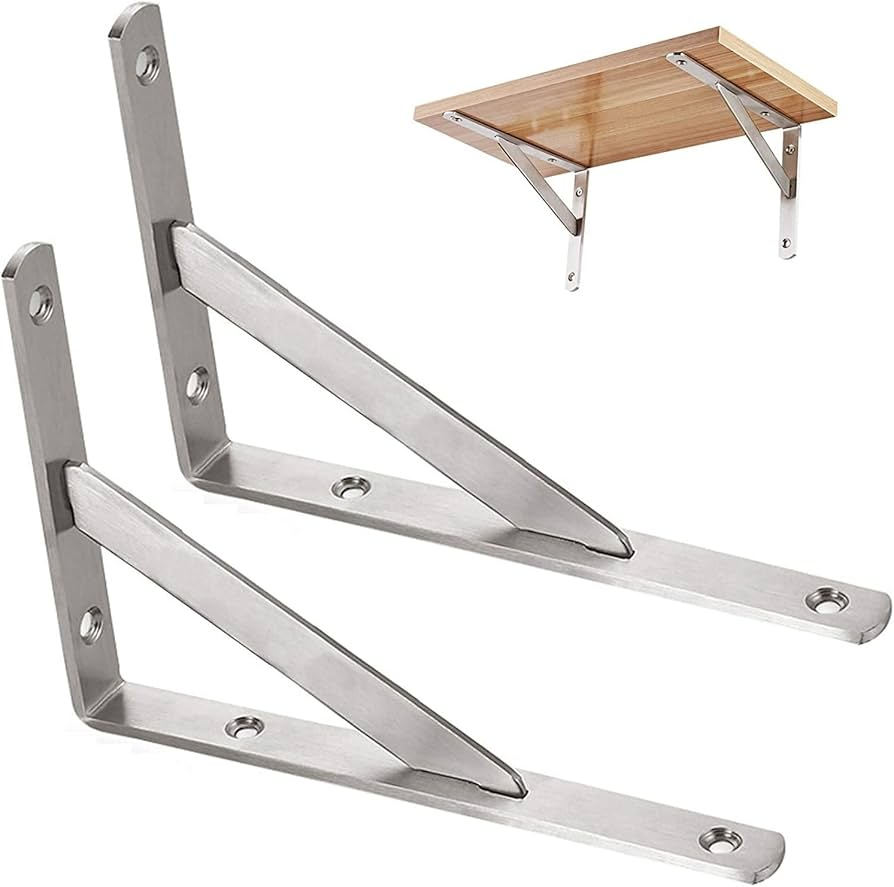
1.What Are Stamped Metal Angle Brackets?
The L Shaped Metal Angle Brackets, which are the two L Shaped Metal Angle Brackets attached to the steel beam, is made using high precision stamping machines. These types of brackets enable reinforcement of joints, lending extra support to structures and contributing to the overall integrity of assemblies.
These L-shaped metal angle brackets are the backbone of many assemblies, functioning as a rigid, right-angle connector that transfers load between two perpendicular components. They are engineered to reinforce joints, lending crucial extra support to structures and contributing significantly to the overall integrity and longevity of assemblies. The stamping process creates clean edges, tight tolerances, and uniform hole placement, which is essential for mass-produced components used in automated assembly lines (AMS, Kenmode).
2.Top Uses of Stamped Metal Angle Brackets
The versatility and reliability of stamped brackets allow them to be used across nearly every sector that requires a secure, fixed joint.
a. Construction and Infrastructure
Stamped brackets are fundamental components in both residential and heavy construction:
- Framing, Reinforcement, and Load-Bearing Applications: They are used in securing framing members (like studs and joists) to ensure structural squareness and stability.
- Beam and Column Support: They are critical in holding beams, columns, and drywall securely in place, distributing weight efficiently throughout the structure.
- Seismic Strengthening: In areas prone to earth movement, specialized, heavy-duty stamped brackets are crucial for the seismic-strengthening of buildings and bridges, creating resilient, flexible connection points that absorb energy.
b. Furniture Manufacturing
In furniture, they provide unseen strength and facilitate easy assembly:
- Joint Reinforcement: They reinforce joints in tables, chairs, cabinets, and shelving, providing the necessary rigidity to prevent wobbling or collapse under dynamic loads. Data available up to October 2023 shows a continued trend in the furniture industry toward using high-precision stamped parts for durability.
- Aesthetic Appeal: Decorative stamped designs are often incorporated for aesthetic appeal, especially in visible joints, where the bracket is coated or plated to match the furniture’s finish.
c. Automotive and Machinery
Precision and resistance to vibration are key in mechanical applications:
- Heavy Mechanical Components: They are used to secure engine mounts, complex ductwork, and vibration-sensitive parts in both automotive and heavy machinery manufacturing.
- Frame Fortification: Stamped brackets fortify frames of vehicles and industrial equipment for added stability and torsional rigidity.
- Fastening and Enclosures: They are utilized in fastening panels, electronic enclosures, and mechanical joints, often serving as grounding points or wire management anchors.
d. Electrical Distribution and HVAC
The non-corrosive properties of certain stamped materials are ideal for utility applications:
- Mounting Support: They offer rigid mounting support for electrical panels, junction boxes, conduits, and heavy HVAC units, ensuring compliance with strict safety and code requirements.
- Pipe and Wire Management: They hold pipes and wiring securely in place within structures, often stamped with specialized shapes to accommodate various diameters.
- Environmental Resistance: Brackets used in these systems are often made of stainless steel or galvanized carbon steel, making them resistant to ambient stress, moisture, and temperature fluctuations.
e. Do-It-Yourself and Home Improvement Projects
For consumers, they offer an accessible, professional-grade fix:
- Home Repairs: They are great for quickly reinforcing shelves, wall-mounted fixtures, and conducting general home repairs, providing a simple yet permanent structural bond.
- Outdoor Applications: Used in outdoor projects like patio furniture, swing sets, and garden structures, where galvanized or stainless steel brackets resist weather exposure.
- Permanent Bond Strength: They deliver reliable, permanent bond strength for home improvement projects that require a structural connection without complex joinery.
3.Advantages of Stamped Metal Angle Brackets
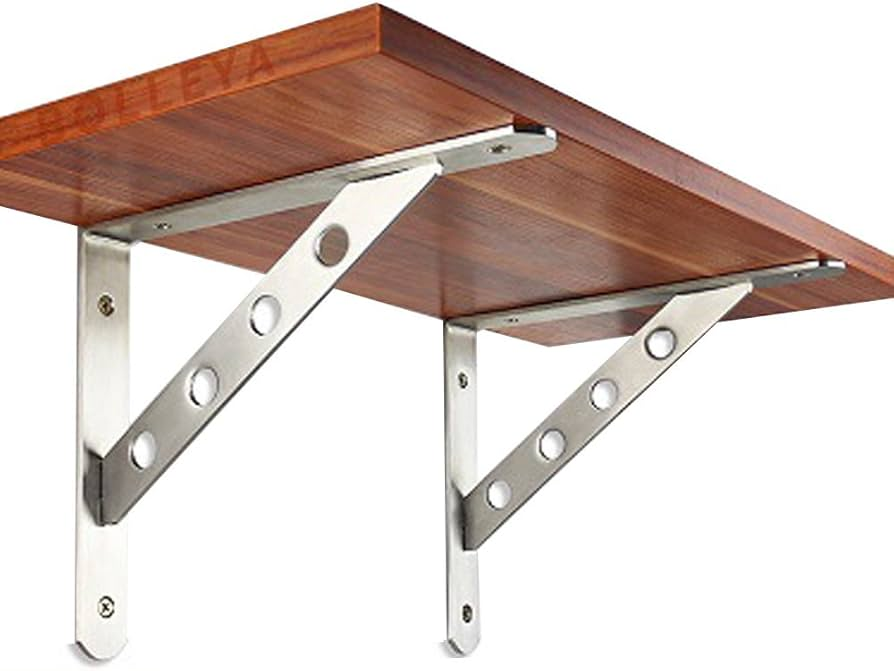
The manufacturing method itself imparts distinct advantages over brackets made by methods like welding or casting.
a. Superior Strength and Material Resistance
- Durable Materials: Stamped brackets are built with durable materials including stainless steel (for anti-corrosion), aluminum (for lightweight needs), and carbon steel (for sheer strength).
- Optimized Material Properties: The stamping process works the metal, effectively increasing the durability and strength of the material itself. The tight molecular structure achieved through stamping increases the material’s yield strength, contributing to a robust structure.
- Structural Longevity: This process increases the long-term durability of structures and assemblies, ensuring they withstand years of stress and load without deformation.
b. Precision and Consistency
Precision is a non-negotiable requirement for high-volume, structural components:
- Uniform Dimensionality: Stamping technology ensures uniform dimensionality, high finish quality, and minimal burrs. The part geometry is dictated by the solid, fixed die, resulting in high consistency from the first part to the millionth.
- Eliminates Variability: Stamping removes the variability inherent in hand-fabricated brackets (e.g., inconsistent weld bead size or varying bend radii), which can compromise structural integrity.
- Perfect Fitment: This consistency guarantees perfect fitment in high-precision applications, crucial for complex mechanical assemblies and automated manufacturing lines.
c. Cost-Effective Manufacturing
While the initial die cost can be high, the per-part cost rapidly diminishes in high-volume production:
- Mass Production Efficiency: Stamping allows for rapid mass production, which significantly lowers the production cost per unit compared to machining or fabrication.
- Waste Reduction: Optimized nesting of parts on the sheet metal coil reduces material waste, and the stamping process itself boosts production performance and speed.
- Low-Cost Solution: The high output and low material waste offer a low-cost solution without sacrificing strength and excellence, making structural reinforcement affordable for large projects.
d. Easy Installation and Versatility
- Fast Assembly: Brackets are designed for fast mounting and assembly, typically featuring pre-drilled holes and precisely positioned slots (adjustable brackets), which align perfectly with mating components.
- Fastener Compatibility: They are universally compatible with various types of fasteners, including screws, bolts, and can be easily integrated into welded assemblies.
- Adaptability: Stamped designs can adapt to varied structural and design needs simply by changing the die insert or performing secondary operations like tapping or notching.
e. Customization Options
- Dimensions and Thickness: Stamped angle brackets come in nearly limitless sizes, thicknesses (gauges), and flange lengths, allowing for precise engineering to meet specific load requirements.
- Surface Treatment: They can be coated, plated (e.g., zinc or chrome), or painted for surface protection (corrosion resistance) or specific decorative purposes.
- Tailored Designs: The die can be tailored for specific industry needs, creating bespoke features like specialized holes, internal ribs (gussets), or rounded corners for safety.
4.What to Consider When Selecting Stamped Metal Angle Brackets
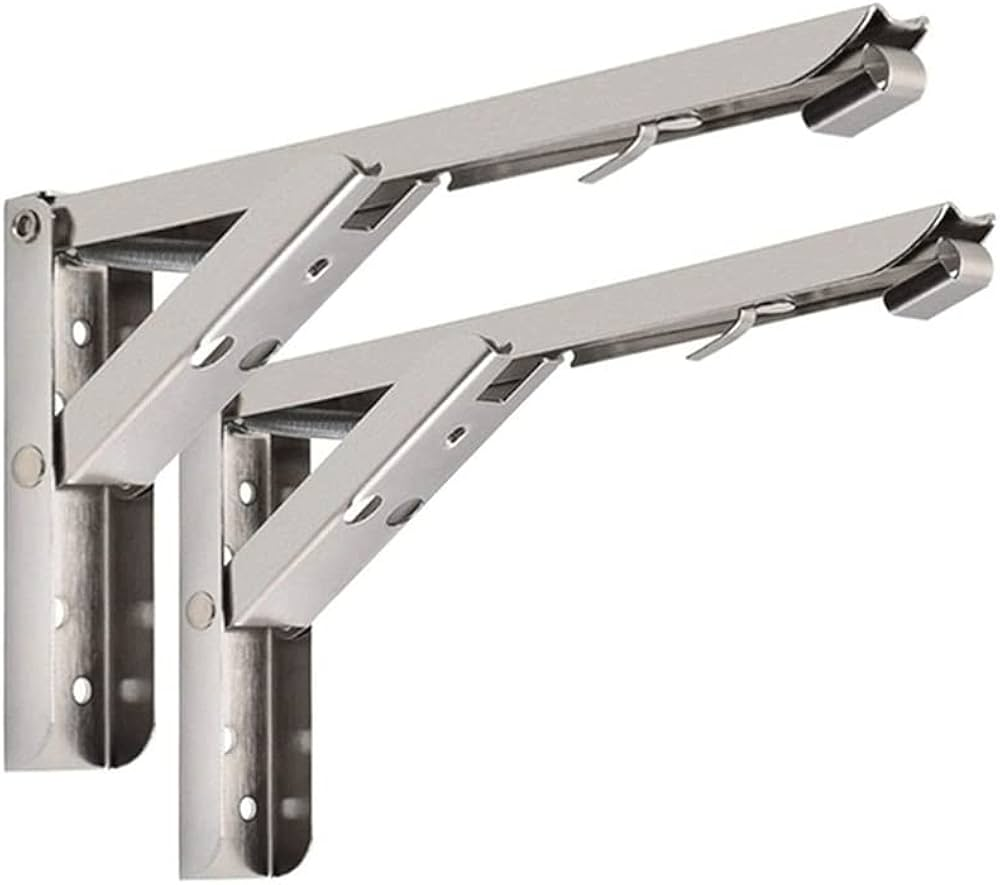
Choosing the correct bracket involves assessing the intended application against the bracket’s fundamental properties.
- Material Selection:
- Stainless Steel (Type 304 or 316): Best for corrosion resistance, ideal for outdoor, marine, or chemical-exposed environments.
- Aluminum: Chosen for lightweight applications, such as internal aircraft fittings or portable/modular furniture.
- Carbon Steel (Galvanized or Powder Coated): Excellent for sheer heavy-duty load-bearing and cost-effectiveness in construction, provided the finish is intact to prevent rust.
- Load-Bearing Capacity: This is the most critical factor. Engineers must confirm the bracket will not yield or deform plastically under the maximum weight and directional force (shear and tension) expected. This capacity is determined by material thickness and the presence of gussets or reinforcement ribs.
- Mounting Configuration: Check hole placements, slot designs, and fastener compatibility (VF compatibility). Hole size and spacing must align with the intended bolts or screws to ensure maximum grip strength. Slotted designs allow for necessary adjustment and expansion.
- Environment and Finish: Take into account moisture levels, climate extremes (temperature fluctuations), and chemical exposure. A standard zinc coating is sufficient for dry interior use, but marine-grade stainless steel is essential for coastal or submerged applications.
Conclusion
Depending on the form and shape, these stamped metal angle brackets are essential parts in multiple applications, providing enough sturdiness, accuracy, and cost effectiveness. These brackets provide stability and longevity in construction, furniture, automotive projects and home improvement projects. When selecting the appropriate material and design, companies and DIYers both stand to gain from stamped metal angle brackets in their projects.
When selecting the appropriate material, considering the critical load-bearing requirements, and choosing the optimal mounting design, professional companies and DIYers alike gain a significant advantage in ensuring the structural integrity and long-term success of their projects by utilizing stamped metal angle brackets.
References
- [AMS] Advanced Metal Stamping (2021). Benefits of Metal Stamping Your Customized Parts.
- [Die-Matic] Die-Matic (2024). Essential Design Fundamentals for Custom Metal Stampings.
- [Kenmode] Kenmode, Inc. Custom Metal Stamping | A Comprehensive Guide.
- [Metal Stamping Co.] The Metal Stamping Company (2023). Metal Stamping Process and Applications.
- [Pro Weld] Pro Weld, Inc. Types of Angle Brackets in Construction.
- [Sure-Lok] Sure-Lok, Inc. Guide to Metal Angle Brackets: Materials, Types, and Applications.
- [Die-Matic] Die-Matic (2024). Essential Design Fundamentals for Custom Metal Stampings.
- [KENENG] KENENG Hardware (2025). Stamped Metal Brackets – How to Manufacture and What Are the Applications.
- [Kenmode] Kenmode, Inc. Custom Metal Stamping | A Comprehensive Guide.
- [Lenson Select] Lenson Select (2025). How To Choose Electrical Brackets.
- [Metal Stamping Co.] The Metal Stamping Company (2023). Metal Stamping Process and Applications.
- [Newinds Corp] Newinds Corp. Custom Steel Bracket | Manufacturing Method & Common Types.
- [Pro Weld] Pro Weld, Inc. Types of Angle Brackets in Construction.
- [RapidDirect] RapidDirect (2024). Differences Between Metal Punching and Stamping.
- [Simpson Strong-Tie] Simpson Strong-Tie. Angles and Plates.



