


Aluminium casting, in present-day manufacturing, forms the crux of several sectors that include, but not limit themselves to, automotive, aerospace, construction, and consumer goods. Such flexibility, with strength, does make it a desirable candidate for many applications regarding durability and light weight. What then are the appeal factors to the aluminum casting?
We are going to discuss the key reasons behind aluminum adoption in casting processes, benefits of its usage, and which industries make use of it in this blog.
What is Aluminum Casting?
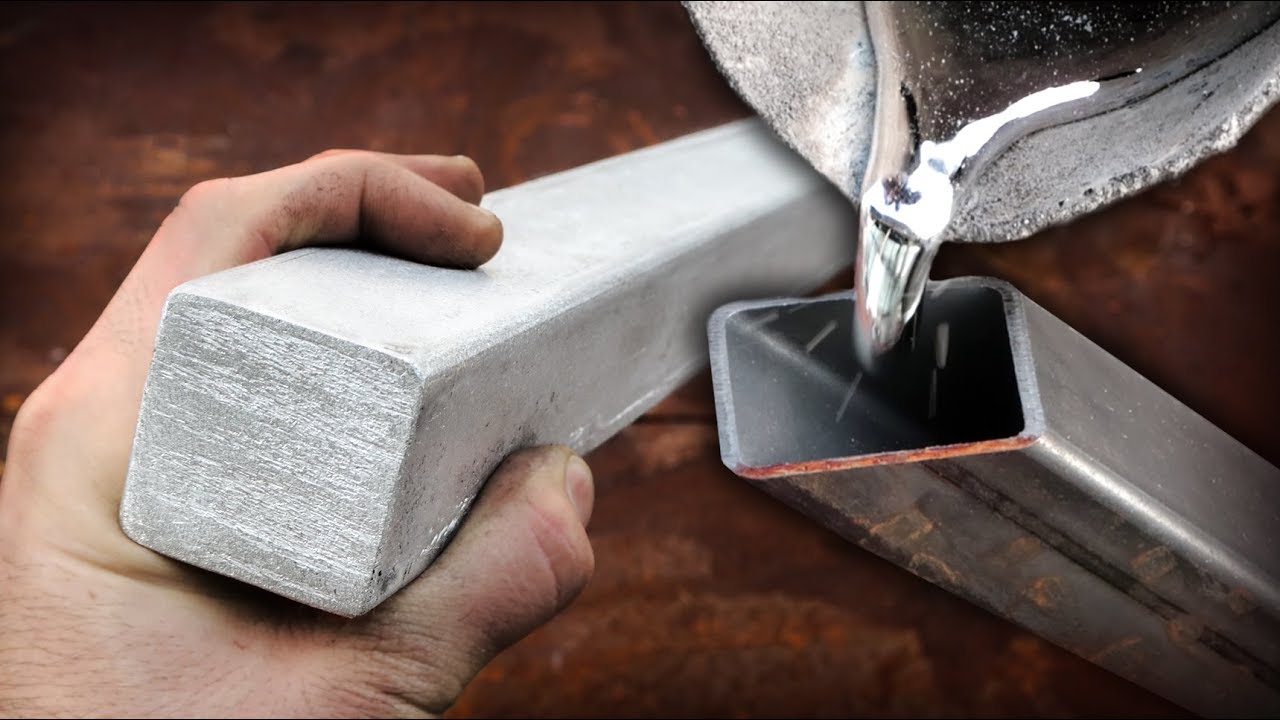
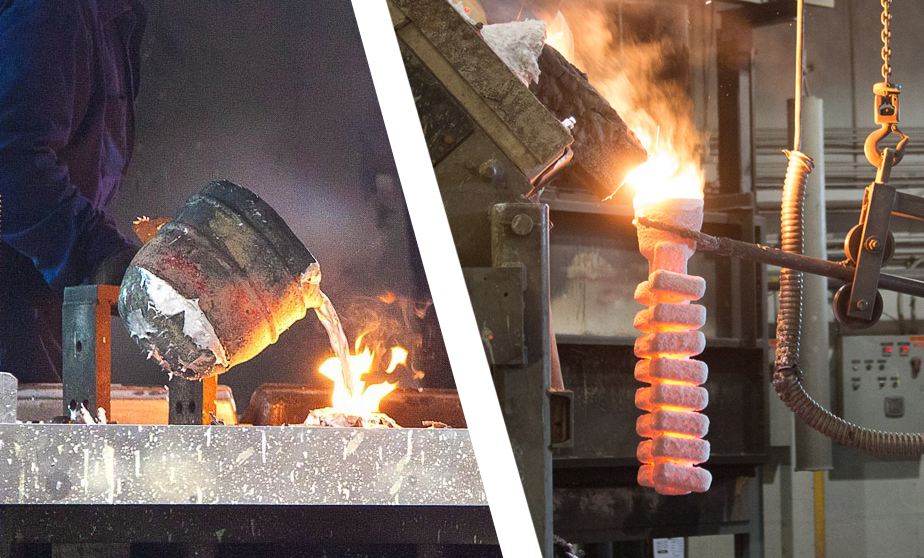
Aluminum casting is a manufacturing process wherein molten aluminum is poured into molds to create parts or components of various shapes and sizes. It has an excellent adaptability feature that can produce both simple and complex designs.
Aluminum’s properties include being lightweight and corrosion resistant, among others, which make it a perfect material for casting. Coupled with advanced techniques in casting such as die casting, sand casting, and investment casting, aluminum is the most cast metal today.
Why Aluminum for Casting?
1. Light yet strong
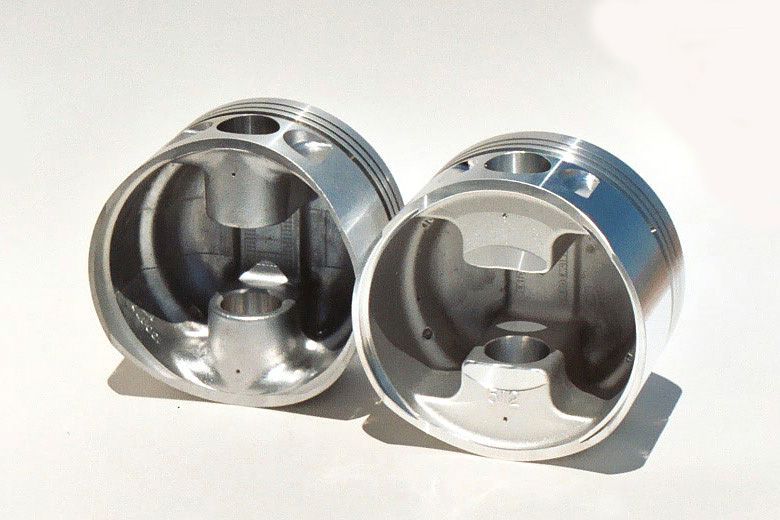
Aluminum has a strength-to-weight ratio. This means it offers high mechanical properties without adding too much weight. Thus, it is ideal for applications such as aerospace and the automotive industry where weight is very critical.
2. Corrosion Resistance
The oxide layer that aluminum forms in nature protects it from corrosion, even in the toughest conditions. This ensures aluminum castings last longer, hence they are suitable for outdoor and marine applications.
3. Excellent Thermal and Electrical Conductivity
Aluminum’s high thermal and electrical conductivity make it ideal for applications that require good heat exchanger performance, electrical enclosures, and motor housings.
4. High Machinability
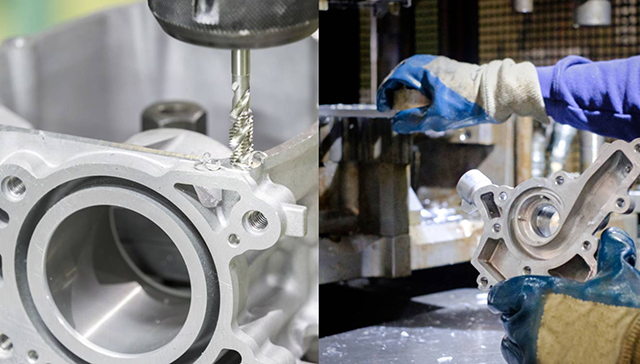
Aluminum castings are easy to machine with lower manufacturing costs and an ability to create intricate designs with a very high degree of precision.
5. Recyclability
One of the outstanding properties of aluminum is its recyclability. Recycling aluminum consumes much less energy compared to producing it from raw materials. Therefore, aluminum casting is an environmentally friendly production method.
Main Advantages of Casting with Aluminum
Design Flexibility
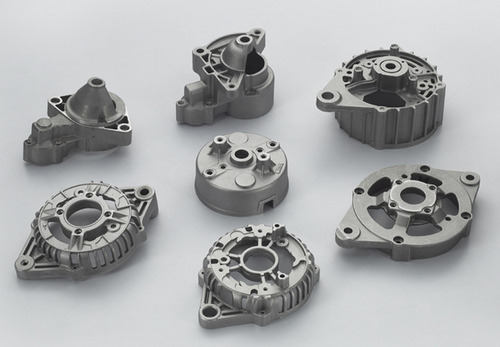
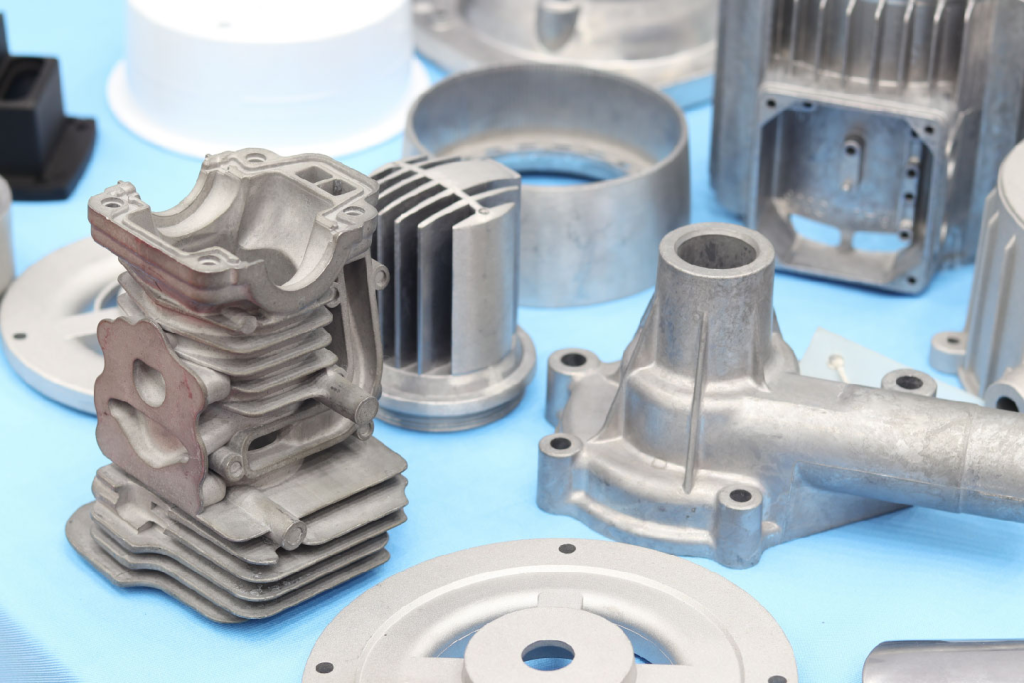
Aluminum can be cast in a variety of complex shapes and sizes, including fine details that other materials might find difficult to achieve. This makes it ideal for precision parts, such as in electronics and medical devices.
Low-Cost Production
Aluminum casting processes are cost-effective, especially for large-scale production. Techniques like die casting allow manufacturers to produce high volumes of identical parts with minimal material waste.
Durability
Despite being lightweight, aluminum castings offer excellent durability, withstanding wear and tear over time. This durability makes aluminum components reliable in demanding environments.
Compatibility with Advanced Casting Methods
Aluminum is compatible with various casting methods, including:
- Die Casting: Perfect for high-volume production with consistent quality.
- Sand Casting: Suitable for large, low-run parts.
- Investment Casting: Suitable for detailed, intricate parts.
Each process aids in the versatility of aluminum to meet a variety of manufacturing requirements.
Applications of Aluminum Casting
1. Automotive
Aluminum casting is used in engine components, transmission housings, wheels, and chassis components. Their lightweight nature also leads to better fuel economy and lower emissions.
2. Aerospace
There’s, hence in aerospace aluminum castings application for aircraft frames; major pieces of engines and those found in the landing gears.
3. Consumer Products
Aluminum castings exist in the kitchenware together with other electronic commodities.
4. Construction
On the construction side of application, aluminum castings for window frames, part on the roof, support within such structures are applied using due to its resistance corrosion level and strength.
5. Marine Industry
Aluminum is corrosion-resistant, thus suitable for marine applications, for instance, boat fittings, propellers, and engine parts.
Aluminum Casting Challenges
While aluminum casting has various benefits, it also has certain drawbacks:
- Porosity Problems: There may be gas entrapments during solidification. It may weaken the structure of the casting.
- Shrinkage: Aluminum shrinks upon cooling. If the shrinkage is not handled carefully, it may create defects in the casting.
- Aluminum casting processes, especially die casting, requires an enormous amount of initial investment.
- How to Overcome the Challenges
- Technological advancement and best practices reduce the problems associated with aluminum casting:
- Cooling: Appropriate cooling techniques minimize shrinkage and ensure dimensional accuracy.
- Degassing Techniques: The removal of gases in molten aluminum reduces the porosity.
- Precision Tooling: High-quality molds assure castings free from defects and consistent.
Why Choose Kbear Metal for Aluminum Casting?
At Kbear Metal, we specialize in providing high-quality aluminum casting solutions tailored to your specific needs. Here’s why we’re the best choice:
- State-of-the-Art Technology: Our advanced facilities ensure precision and efficiency in every aluminum casting project.
- Experienced Team: With years of expertise, our team delivers reliable and innovative casting solutions.
- Eco-Friendly Practices: We prioritize sustainability by using recycled aluminum and reducing waste in our processes.
- Custom Solutions: Be it small components or large structural parts, we can meet the requirements through our custom aluminum casting services.
Partner with Kbear Metal to gain quality, innovation, and a commitment to excellence.
Through a wide variety of industries, aluminium casting has proven to be a versatile and cost-effective solution. Its properties-alone makes it popular to manufacturers in seeking high-performance, environmentally friendly products: lightweight strength, corrosion resistance, and recyclability.
Whether in the automotive, aerospace, or construction industries, aluminum casting delivers unmatched benefits to your production needs. And in terms of precision and reliability, Kbear Metal stands out as the trusted aluminum casting solution for your exceptional needs.
Conclusion
Aluminum casting has proven to be a versatile and cost-effective solution across a wide range of industries. Its unique properties—lightweight strength, corrosion resistance, and recyclability—make it a popular choice for manufacturers looking to create high-performance, sustainable products.Whether you’re in the automotive, aerospace, or construction industry, aluminum casting offers unmatched benefits for your production needs. And when it comes to precision and reliability, Kbear Metal is your trusted partner for aluminum casting solutions that deliver exceptional results.



