


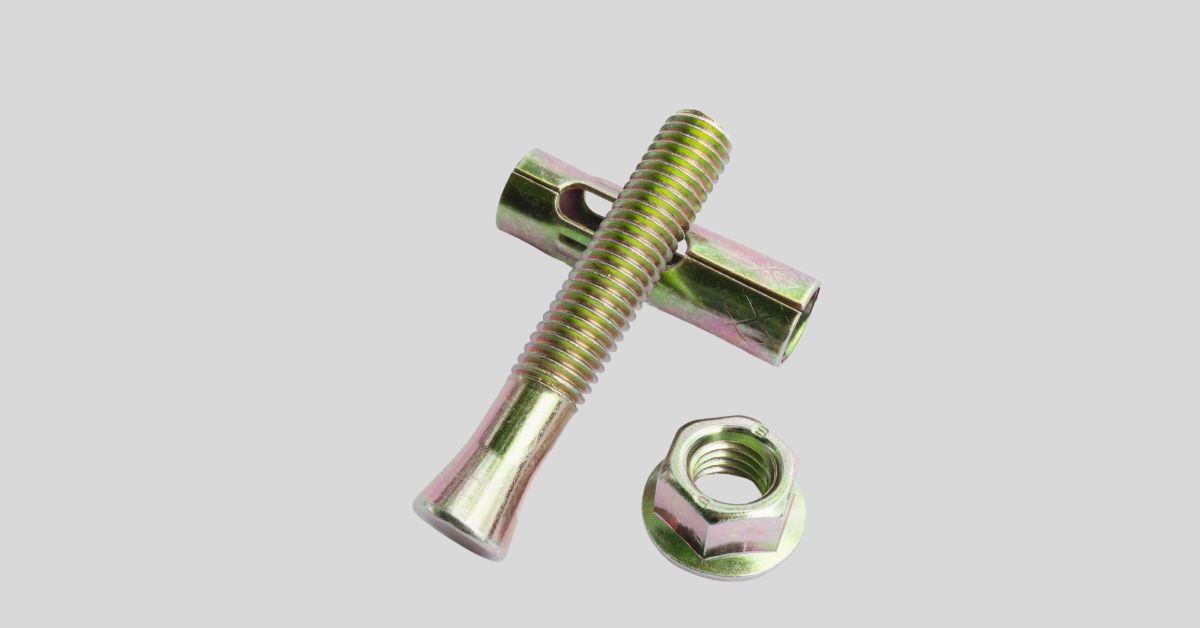
An anchor bolt is a used type of fastener that’s designed to connect one or more objects to a concrete surface. With concrete being brittle, you can use conventional bolts for applications such as this. To ensure the connected object or objects remain in place, you must use anchor bolts.
The Basics of Anchor Bolts
Anchor bolts are a type of heavy-duty fastener, often used within the construction industry to attach structural elements to concrete or masonry. They are incredibly tough, being able to ‘anchor’ materials deep into more challenging surfaces such as concrete. Their primary function is to provide a solid point of attachment that distributes the weight and tension from the structure into the substrate, ensuring structural integrity and safety. Their applications are numerous and varied, ranging from securing small home-based items to critical components in large-scale constructions.

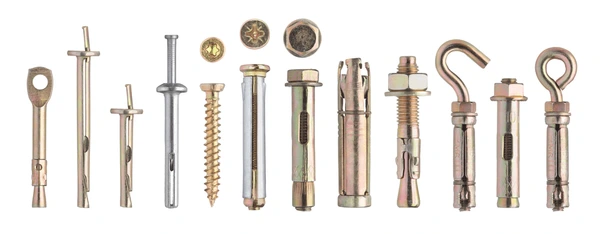
Types of Anchor Bolts
There are several types of anchor bolts, each designed for specific applications and conditions:
- J-Bolts
J-bolts are named for their unique shape, resembling the letter ‘J’. The curved end is set into the concrete, offering a secure attachment point. They are often used in building foundations and walls.
- Wedge Bolts
Wedge bolts are another type of anchor bolt, which are driven into pre-drilled holes in concrete. When tightened, a wedge is driven up against the sides of the hole, expanding and securing the bolt in place. This type is typically used in heavy-load applications.
- Sleeve Bolts
Sleeve bolts consist of a bolt encased in a cylindrical sleeve. When installed in a pre-drilled hole, the bolt is tightened, causing the sleeve to expand against the sides of the hole. Sleeve bolts are useful in applications where the bolt may need to be removed and replaced.
- Foundation Bolts
Foundation bolts, also known as L-bolts, are typically embedded into concrete during its pouring. They are often used in large-scale construction projects to secure structural elements to a concrete foundation.
Key Components of Anchor Bolts
An anchor bolt comprises several components, which collectively ensure its functionality and strength:
- Threaded Rod: The rod is an elongated metal shaft with threads on one end for attaching nuts and washers. It provides the means for securing the attached object to the anchor bolt.
- Anchor Body: The anchor body is the portion of the bolt embedded in the concrete, providing stability and load-bearing capacity. It is designed to distribute the load evenly and prevent any concentration of stress.
- Expansion Mechanism: Expansion anchors have expandable components that create a secure grip on the concrete when tightened. This mechanism ensures a tight and reliable connection, minimizing the risk of movement or failure.

- Washer and Nut: These components are used to secure the attached object to the anchor bolt, preventing loosening or movement. The washer distributes the load evenly, while the nut ensures a tight connection.
Tools Required for Installation
Before starting the installation process, gather the necessary tools:
- Drill and Masonry Bits: Select a drill and appropriate masonry bits to create holes in the concrete.
- Hammer: A hammer is essential for driving the anchor bolt into the hole.
- Wrench or Socket Set: Use a wrench or socket set to tighten the nut on the threaded rod.
- Safety Equipment: Wear safety goggles, gloves, and a dust mask to protect yourself during installation.
Step-by-Step Guide to Installing Anchor Bolts
Follow these steps to ensure a secure installation of anchor bolts:
- Mark the locations: Mark the desired locations where the anchor bolts will be installed.
- Drill holes: Use a drill and masonry bit to create holes in the concrete according to the anchor bolt dimensions.
- Clean the holes: Remove dust and debris from the drilled holes using a brush or compressed air.
- Insert and align the anchor bolts: Insert the anchor bolts into the holes and ensure they are aligned correctly.
- Tighten the nuts: Place the washer and nut on the threaded rod and use a wrench or socket set to tighten them until secure.
- Verify stability: Test the stability of the anchor bolts to ensure a properly installed and secure connection.
Forces That Affect Anchor Bolts
Several forces can work against anchor bolts and, therefore, affect their performance over time. If the object or objects to which the concrete is connected begins to fail, for instance, it can weaken the anchor bolts. Splitting is another potential problem with anchor bolts. If a split forms between the anchor bolts, they may come loose.
While anchor bolts aren’t immune to failure, they are less likely to fail when used in concrete applications than other types of bolts. As a result, most companies and contractors use anchor bolts when connecting one or more objects to a concrete surface.

How to Choose the Right Anchor Bolt?
Determine the Load Requirements
- Consider the nature and weight of the load the anchor bolt will support.
Identify the Material
- Ensure the anchor bolt is compatible with the material you are working with, such as concrete or masonry.
Assess the Environmental Conditions
- At Kbear, we recommend using stainless steel or galvanized anchor bolts in corrosive environments, like coastal areas.
Proper Hole Dimensions
- Drill a hole at least twice the diameter of the bolt and slightly deeper than its length for a secure fit.
Compliance with Safety Standards
- Our anchor bolts at Kbear meet all required safety standards and comply with relevant regulations to ensure reliability.
Seek Professional Advice
- If you need assistance in choosing the correct type of anchor bolt, our experts at Kbear are here to help. Contact us today!

Where to Buy Anchor Bolt?
You can purchase Anchor Bolt from us at Kbear. As a leading provider of custom metal parts fabrication services, we specialize in high-quality metal products designed to optimize your production processes. We are committed to delivering durable and reliable lifting solutions tailored to your needs. Visit https://kbearmetal.com/
A comprehensive understanding of anchor bolts is crucial for successful construction projects. By grasping the basics, selecting the right anchor bolt, following proper installation techniques, and prioritizing safety and maintenance, you can ensure the reliability and durability of your structures. Remember to consult manufacturer guidelines and seek professional advice when necessary for optimal outcomes. With this comprehensive guide, you are well-equipped to embark on your anchor bolt endeavors.



