


Metal support angle brackets are fundamental components in modern engineering, construction, furniture manufacturing, and DIY projects. These versatile brackets provide structural reinforcement, stability, and durability, ensuring that furniture, machinery, and building systems perform safely and reliably under stress. Their universal utility makes them indispensable across industries, from heavy-duty industrial infrastructure to sleek furniture assembly. This article explores the importance, types, advantages, materials, and applications of angle brackets, with insights into how companies like Kbear Metal deliver high-quality, precision-engineered solutions for both commercial and industrial projects.
What is Angle Bracket?
An angle bracket is a metal or sometimes plastic component shaped like the letter “L” (a 90-degree angle) that is used to join, support, or reinforce two surfaces that meet perpendicularly. Its primary function is to provide structural stability, distribute weight, and prevent movement or sagging in assemblies.
Key features of angle brackets include:
- L-shaped design: Offers support at right angles.
- Pre-drilled holes or slots: Allows for attachment using screws, bolts, or other fasteners.
- Material options: Commonly made from steel, stainless steel, aluminum, or other alloys for strength and durability.
- Versatility: Can be used in construction, furniture, shelving, machinery, and DIY projects.
- Load-bearing capability: Designed to handle varying levels of weight depending on material, thickness, and size.
In essence, angle brackets are simple yet essential hardware components that reinforce connections, improve load distribution, and enhance the durability of structures across multiple industries.

1. Metal Support System Angle Brackets and Their Significance
a. Structural Integrity and Reinforcement
Angle brackets play a critical role in distributing weight evenly across joints and surfaces, reducing the risk of structural failure. By reinforcing shelves, beams, frames, and other load-bearing elements, these brackets ensure that the supported structures maintain their integrity over time. For example, a heavy-duty steel L-bracket in a shelving system can prevent sagging under high load, while smaller brackets may provide stability to modular furniture assemblies.
b. Flexibility in Use Cases
Angle brackets are widely used across construction, furniture, automotive assembly, and DIY projects. Their versatility allows them to function in commercial, industrial, and residential environments, adapting to various load requirements, dimensions, and mounting conditions. Adjustable and slotted designs even allow for customizable installation angles, accommodating unique project requirements.
c. Durability and Load-Bearing Capacity
Manufactured from stainless steel, aluminum, carbon steel, and other durable alloys, angle brackets are engineered to withstand mechanical stress, weather conditions, and corrosion. Heavy-duty brackets provide the necessary load-bearing capacity for industrial machinery, building structures, and transportation systems, while lighter brackets are sufficient for furniture or decorative applications. Materials can be powder-coated, galvanized, or anodized to extend life span in corrosive or high-humidity environments.
2. Types of Angle Brackets
Angle brackets are available in multiple designs tailored to specific applications.
a. Standard L-Brackets
Standard L-brackets provide basic perpendicular reinforcement, commonly used to secure two intersecting surfaces. They are ideal for furniture joints, light shelving, and general construction support.
b. Heavy-Duty Angle Brackets
Engineered for industrial and commercial applications, heavy-duty brackets feature thicker metal and additional mounting points to handle greater load demands. These are crucial for machinery supports, bridge reinforcement, and warehouse shelving.
c. Adjustable and Slotted Angle Brackets
These brackets feature elongated or slotted holes, enabling adjustable mounting positions. They are particularly useful in custom installations or structures where precise alignment and modular assembly are necessary.
d. Decorative and Specialty Angle Brackets
Designed with aesthetic finishes such as brass, chrome, or black oxide, decorative brackets combine functionality with visual appeal. They are popular in furniture, interior design, and architectural applications, offering structural reinforcement without compromising style.
3. Materials Used in Angle Bracket Manufacturing
The choice of material directly impacts strength, corrosion resistance, load-bearing capacity, and cost-effectiveness.
- Carbon Steel: Offers high strength, affordability, and ease of manufacturing. Suitable for heavy-duty industrial applications but may require coating to prevent rust.
- Stainless Steel: Provides excellent corrosion resistance, ideal for outdoor furniture, marine applications, and high-moisture environments.
- Aluminum: Lightweight yet strong, perfect for furniture or structures where weight reduction is critical.
- Brass & Specialty Alloys: Provide decorative appeal and moderate strength; often used in designer furniture or architectural installations.
- Galvanized Steel: Economical, corrosion-resistant, and widely used in construction and industrial supports.
4. Advantages of Utilizing Angle Brackets
a. Easy Installation
Angle brackets are designed with pre-drilled holes, allowing rapid and secure attachment using screws, bolts, or weld threads. This simplifies assembly and reduces labor time.
b. Cost-Effective Solution
Compared to fully welded or fabricated structures, angle brackets provide structural reinforcement at a fraction of the cost, minimizing both material usage and labor. For large-scale construction or furniture manufacturing, this translates to significant budget savings.
c. Improved Safety and Stability
By reinforcing joints, brackets prevent movement, sagging, or collapse. In earthquake-prone areas or high-stress industrial applications, they enhance safety and reduce the risk of structural failure.
d. Space Optimization
Angle brackets enable compact and modular designs for storage, shelving, and furniture. They allow for efficient use of space, making them indispensable in both residential and industrial settings.

5. Angle Bracket Load Ratings and Engineering Considerations
Understanding load-bearing capacity is essential when selecting an angle bracket. Factors to consider:
- Material Strength: Determines maximum supported load. Steel brackets handle heavier weights than aluminum or brass.
- Bracket Size and Thickness: Larger brackets with reinforced edges provide superior strength and stability.
- Mounting Points: More screws or bolts increase load distribution and reduce stress on individual fasteners.
- Environmental Conditions: Outdoor or industrial settings require corrosion-resistant coatings for durability.
Engineering Tip: When designing load-bearing systems, always select brackets with a safety factor of 1.5–2x the anticipated load.
6. Applications of Angle Brackets Across Industries
a. Construction and Engineering
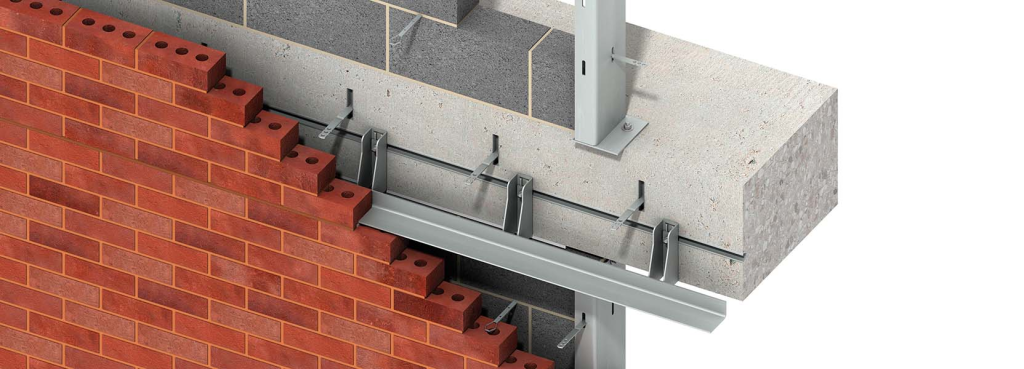
Angle brackets strengthen beams, frames, drywall supports, and foundations, ensuring stability and safety in residential, commercial, and industrial buildings.
b. Furniture Manufacturing
From tables, chairs, cabinets, and bed frames, brackets reinforce joints and allow for modular assembly, improving longevity and preventing wobbling or sagging.
c. Automotive and Machinery
Used to mount engines, support panels, or stabilize heavy components, brackets also help isolate vibrations, extending the lifespan of moving machinery and vehicles.
d. DIY and Home Improvement Projects
Homeowners leverage brackets for shelving, workbenches, and wall-mounted installations, providing simple yet reliable structural reinforcement without professional fabrication.
7. Metal Stamping and Custom Angle Brackets
Modern metal stamping technology has revolutionized the production of angle brackets:
- Precision: Stamping ensures tight tolerances and consistent dimensions, critical for modular furniture and industrial applications.
- High Production Efficiency: Thousands of brackets can be produced per hour, reducing lead times for large projects.
- Cost-Effectiveness: Once dies are created, mass production significantly reduces cost per unit.
- Custom Designs: Brackets can be tailored with slotted holes, embossed patterns, decorative edges, or unique angles for specific applications.
Kbear Metal specializes in custom metal stamping for angle brackets, providing OEM solutions for furniture, construction, and industrial clients. Their expertise allows custom load ratings, corrosion resistance, and aesthetic finishes to meet unique project requirements.
8. Advantages of Heavy-Duty and Decorative Angle Brackets
- Durable and Long-Lasting: Heavy-duty brackets can handle repeated stress without deformation.
- Corrosion-Resistant: Powder coating, galvanization, or stainless steel construction ensures longevity.
- Flexible Mounting Options: Pre-drilled, slotted, or adjustable designs accommodate a variety of installation needs.
- Aesthetic Integration: Decorative brackets add visual appeal to furniture, shelving, or architectural projects.
9. Installation Tips for Angle Brackets
- Select Appropriate Fasteners: Use screws or bolts compatible with bracket material and expected load.
- Align Brackets Correctly: Ensure perpendicular alignment for maximum structural support.
- Pre-Drill for Hard Materials: For steel or aluminum brackets, pre-drilling holes reduces stress and prevents cracking.
- Check Weight Distribution: Avoid overloading a single bracket; distribute load across multiple brackets when possible.
10. Future Trends in Angle Bracket Design
- 3D-Printed Custom Brackets: Allow intricate shapes for modular furniture and industrial applications.
- Advanced Coatings: Anti-corrosion and anti-microbial coatings are expanding use in marine, medical, and food-related industries.
- High-Strength Alloys: Aluminum, stainless steel, and composite materials are enabling lighter yet stronger brackets.
- Smart Integration: Brackets with embedded sensors for structural health monitoring are emerging in high-tech engineering projects.

Why Choose Kbear Metal for Angle Brackets
Kbear Metal is a leading manufacturer of custom and standard angle brackets for multiple industries. Advantages include:
- High-Precision Metal Stamping: Ensures consistent dimensions and tight tolerances.
- Custom Design Capabilities: Slotted, adjustable, decorative, and heavy-duty brackets tailored for client specifications.
- Material Expertise: Carbon steel, stainless steel, aluminum, and specialty alloys with corrosion-resistant finishes.
- Mass Production Capabilities: Efficient production for large-scale industrial and furniture projects.
- Quality Assurance: Rigorous testing and inspection for load-bearing performance and material integrity.
By working with Kbear Metal, companies gain access to reliable, durable, and customizable angle brackets that meet both engineering and aesthetic requirements.
Conclusion
Angle brackets are the backbone of modern metal support systems, providing structural integrity, flexibility, durability, and cost-effective reinforcement across industries. From heavy-duty construction projects and automotive machinery to modular furniture assembly and DIY installations, these brackets ensure reliable performance, even under extreme stress.
Advancements in metal stamping, materials science, and coating technologies have further enhanced the functionality of angle brackets, allowing for custom designs, decorative finishes, and improved load-bearing capabilities. Companies like Kbear Metal are at the forefront, offering high-quality stamped brackets for both standard and specialized applications.
Whether you need industrial-grade L-brackets, decorative furniture supports, or adjustable modular components, the right angle bracket ensures safety, stability, and longevity. Choosing precision-engineered, durable materials and leveraging expert manufacturing ensures your projects perform flawlessly for years to come.
Kbear Metal is a trusted manufacturer and supplier of high-quality metal brackets, including custom and standard angle brackets, for furniture, construction, automotive, and industrial applications. We specialize in precision metal stamping, custom finishes, and tailored designs to meet the unique demands of each client. With decades of experience, we deliver durable, corrosion-resistant, and high-strength brackets to ensure the safety, stability, and performance of your projects. Partner with Kbear Metal for reliable, scalable, and cost-effective metal solutions.



