


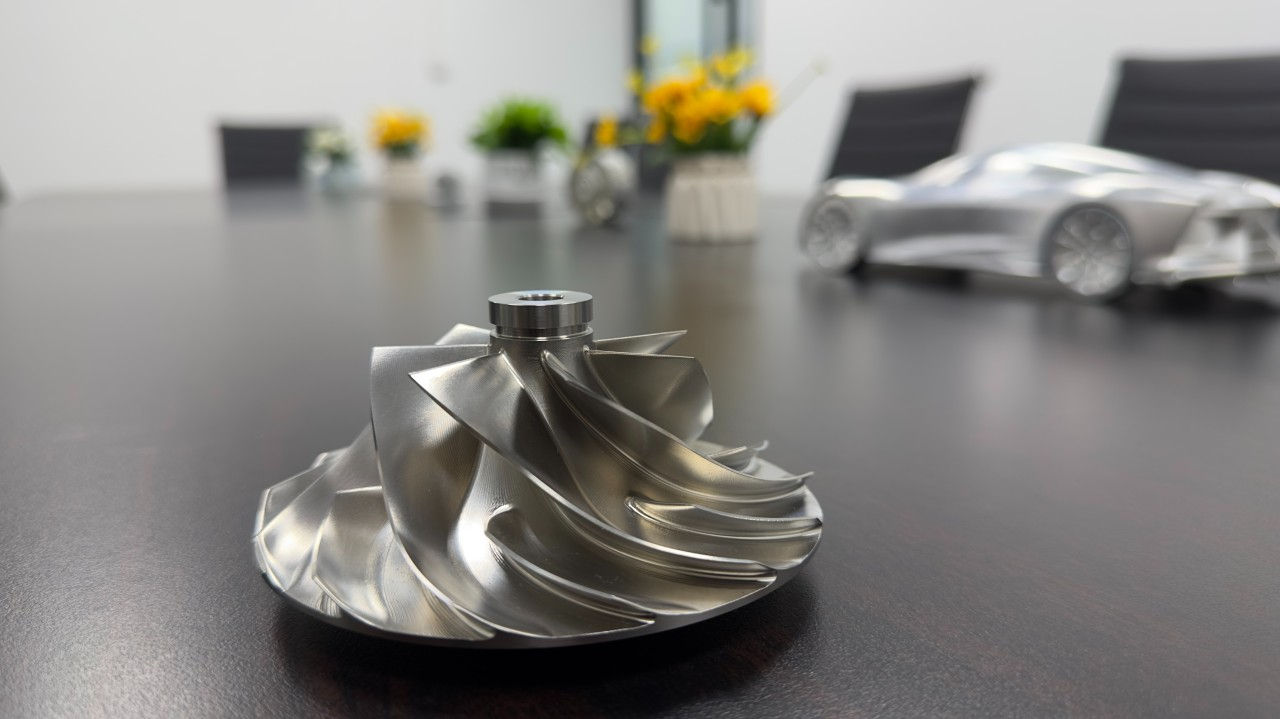
In the realm of modern manufacturing, titanium alloys are celebrated for their unparalleled combination of strength, lightweight properties, and exceptional corrosion resistance. These characteristics make titanium alloys an increasingly popular choice for casting in industries ranging from aerospace to medical and automotive. But what exactly makes titanium alloys so advantageous, and why should manufacturers consider casting with them?
Their unique properties enable the creation of durable, high-performance components that can withstand extreme environments, prolonged wear, and demanding operational conditions.
This blog will outline the distinct advantages of casting with titanium alloys and how such materials have transformed modern engineering and production.
Casting Titanium Alloys
The casting of titanium alloys is done by melting and shaping the material into intricate, high-precision forms using processes like investment casting. This process guarantees the manufacturing of high-performance parts with great accuracy and reproducibility. As titanium possesses a high melting point and easily reacts with oxygen, specific vacuum or inert atmosphere casting methods are usually used to avoid contamination and preserve material integrity.
Technological advancements in titanium alloy production have resulted in the creation of new technologies like additive manufacturing (3D printing), which makes it possible to create even more complex designs and save on material waste. This has opened doors to further potential for making lightweight but extremely robust components that cater to industries that demand the highest levels of quality and performance.
From airplane engines to medical implants, titanium alloys remain an indispensable part of contemporary engineering, offering the perfect balance between strength, durability, and light efficiency.

Benefits of Casting with Titanium Alloys
1. Superior Strength-to-Weight Ratio
Ti- alloys are much lighter, yet stronger than steel in many cases. Thus their particular relevance towards some such industries as aerospace that prefer to reduce weight, keeping in mind the overall aspects of fuel efficiency and improved performance.
- Applications: Aeroplane parts, Satellite structures, Light vehicle and auto parts.
2. Good Resistant to Corrosion
A prime feature of titanium alloys is its innate corrosion resistance. In oxygen, it forms a thin layer of oxide that prevents corrosion, chemical degradation, or saltwater corrosion.
Marine environments, chemical processing equipment, and medical implants
3. Biocompatibility for Medical Applications
Titanium alloys are biocompatible, meaning they are non-toxic and well-tolerated by the human body. This property makes them ideal for casting medical implants like joint replacements, dental implants, and surgical instruments.
- Applications: Hip replacements, dental crowns, and pacemaker cases.
4. High Melting Point and Heat Resistance
Titanium alloys maintain their strength and structural integrity at high temperatures, making them suitable for components that experience extreme heat.
- Applications: Jet engine parts, exhaust system components, and furnace parts
5. Flexibility in Sophisticated Geometries
Titanium alloy castings can be made for complex shapes and detailed geometries that cannot be carried out with other materials or are difficult to produce. This is because investment casting brings precision and reproducibility even to the most sophisticated parts.
- Applications: Blades of aerospace turbines, Automotive custom parts, and various industrial machine parts
6. Long life and Ruggedness
Titanium alloy parts are designed to last, withstanding wear and tear over long periods. Their resistance to fatigue and cracking ensures reliability even in harsh conditions.
- Applications: High-performance tools, defense equipment, and heavy machinery.
7. Lightweight and Fuel Efficiency
In the automotive and aerospace industries, the weight savings of titanium alloys translate directly into better fuel efficiency and reduced emissions. This benefit aligns with the global push for more sustainable technologies.
- Applications: Fuselage parts for aircraft, electric vehicle components, and drones.

Casting Challenges of Titanium Alloys
The advantages of titanium alloy casting are tremendous; however, the process also poses some challenges:
- High Cost: Titanium alloys are significantly more expensive than many other metals due to their complex extraction process and costly processing requirements.
- Specialized Equipment: Melting and casting titanium demand high-end, specialized equipment capable of reaching and maintaining extremely high temperatures necessary for its melting point.
- Oxidation and Contamination Risks: Titanium must be melted in controlled environments such as inert gas chambers to prevent oxidation and contamination, which can degrade the quality of the final product.
- Reactive Nature: Its high reactivity at elevated temperatures makes handling and casting more complicated, requiring precise control over environmental conditions.
- Technical Expertise: Casting titanium requires skilled technicians with expertise in handling its unique properties to avoid defects and ensure high-quality results.
- Potential for Inclusions and Defects: Due to oxidation risks and handling complexities, titanium castings can sometimes develop inclusions or other defects if proper procedures are not followed.
Advances in technology and casting techniques are gradually overcoming these challenges, making titanium alloy casting more accessible and cost-efficient in various industries.
Despite all these, advancements in technology and casting techniques are making titanium alloy casting more accessible and cost-effective.
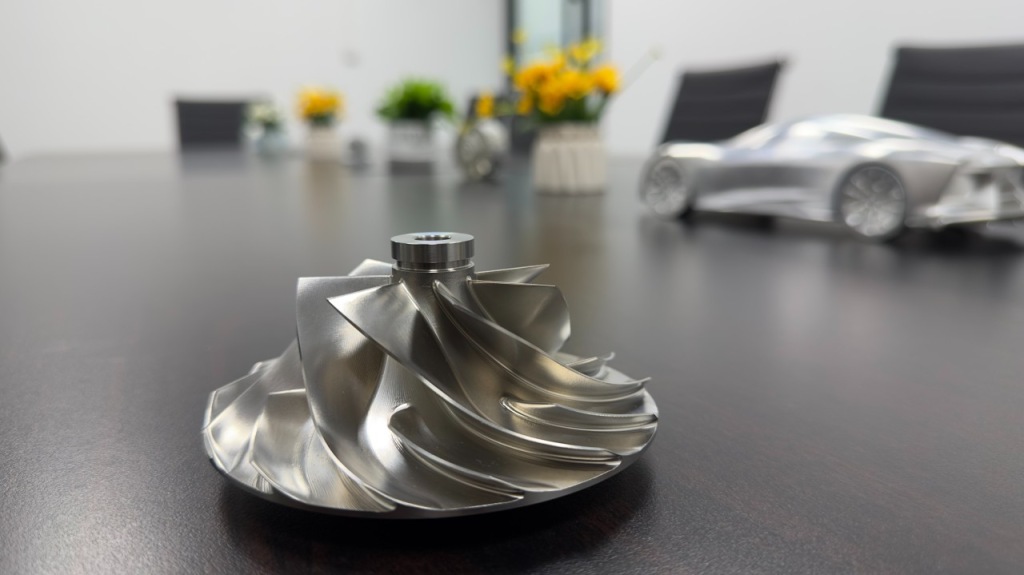
Applications Across Industries
Titanium alloy casting has wide ranges of applications across diverse industries:
1. Aerospace
The lightweight strength of titanium is necessary for aircraft and spacecraft components. From jet engine parts to structural components, titanium ensures performance and safety.
2. Medical
Titanium alloys are highly indispensable in the medical field because of their biocompatibility. Cast titanium is used for implants, surgical instruments, and prosthetics that are strong and safe for patients.
3. Automotive
The push for lighter and more fuel-efficient vehicles by the automotive industry gives titanium alloys a crucial role in engine components, suspension parts, and performance car parts.
4. Marine
Titanium is resistant to saltwater corrosion and is used in propeller shafts, underwater pipelines, and naval equipment, among other marine applications.
5. Defense
Titanium alloys are also used in the defense industry for armor plating, military vehicles, and high-performance weapons due to their strength and light weight.


Why Choose Titanium Alloy Casting?
If your project requires materials that combine exceptional strength, durability, and versatility, titanium alloys are an excellent choice. These alloys are known for their lightweight nature, which is crucial in industries where reducing weight can improve performance and fuel efficiency, such as aerospace and automotive manufacturing. Additionally, titanium alloys are highly resistant to corrosion, making them suitable for harsh environments such as marine applications and medical devices, where longevity and reliability are essential.
Titanium alloy casting offers the ability to produce complex and precise designs that other materials might struggle to achieve. This process allows engineers to create intricate components with tight tolerances, enhancing the functionality and efficiency of the final product. Moreover, titanium’s biocompatibility makes it a popular material in the medical field for implants and surgical instruments.
Choosing titanium alloy casting provides a combination of lightweight strength, corrosion resistance, and design flexibility that can elevate the performance and lifespan of your products. With its proven benefits, titanium alloys are a strategic investment that can meet the demanding needs of diverse industries. Partnering with a skilled manufacturer ensures you fully harness the potential of titanium alloy casting for your project’s success.
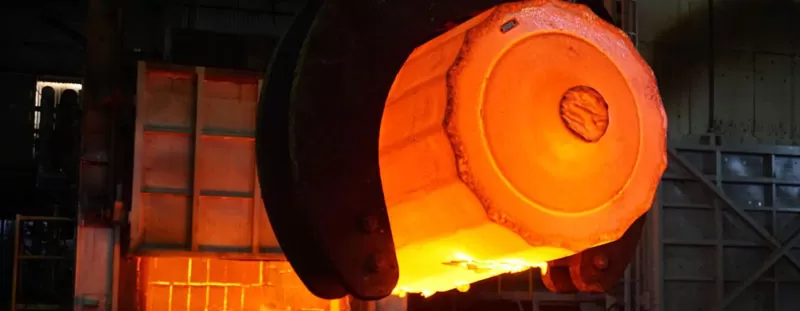
Kbear Metal: Your Partner in Titanium Alloy Casting
At Kbear Metal, we specialize in precision casting with titanium alloys to ensure that every component meets your exact specifications. Here’s why we’re the best choice for your titanium alloy casting needs:
- Advanced Technology: We use state-of-the-art casting techniques to deliver components with precision and quality.
- Expertise: Our experienced team has extensive knowledge in working with titanium alloys, ensuring optimal results.
- Custom Solutions: From aerospace to medical, we have specific casting solutions for your unique industry applications.
- Sustainable Practices: Titanium alloy casting is by nature sustainable in practice; we ensure less waste and energy consumption from our operations.
Titanium alloy casting is a game-changer in modern manufacturing, offering a unique combination of strength, corrosion resistance, and versatility. Its applications span industries from aerospace to medical, making it one of the most valuable materials in engineering today.
With ready and full commitment in leveraging the advantages that can be derived from casting using a titanium alloy, look for Kbear Metal and talk to our experienced specialists as well as equipped facilities backed by modern technologies with adherence to quality that shall answer every bit of your inquiries to determine how we may turn your thoughts into reality!
Conclusion
Titanium alloy casting is revolutionizing modern manufacturing, delivering exceptional strength, lightweight properties, and outstanding corrosion resistance. These qualities make titanium alloys highly desirable across various industries, including aerospace, automotive, medical, and marine sectors. Its ability to withstand extreme conditions while maintaining structural integrity has expanded the possibilities for innovative design and durable components. Titanium alloy casting allows for complex shapes and precise specifications, optimizing performance and reducing weight without compromising strength.
The versatility of this material also contributes to cost savings in the long run through reduced maintenance and increased durability. As industries continue to push the boundaries of technology and efficiency, titanium alloys are increasingly becoming a preferred choice for high-performance applications. The adoption of advanced casting techniques ensures the production of high-quality, reliable components, further boosting its industry appeal.
If you are considering incorporating titanium alloy casting into your projects, Kbear Metal offers a comprehensive solution. Our expertise, state-of-the-art technology, and unwavering commitment to quality ensure that your components meet the highest standards. Partner with us to unlock the full potential of titanium alloy casting and elevate your manufacturing capabilities.



