


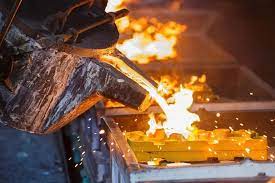
Metal casting is one of the earliest methods of manufacturing, where molten metals are poured into a mold to create complex yet highly strong components. While it has great advantages, such as flexibility, cost efficiency, and many design changes in engineering, it has its challenges too. Therefore, it is essential to identify and resolve all these hurdles to ensure the success of any casting-related endeavor.Therefore, in this blog, we’ll analyze the most prevalent problems in the metal casting process and suggest solutions for them.

1. Defects in Castings
Casting defects are among the most common challenges in the metal casting process. These defects can include porosity, shrinkage, cracks, and inclusions, all of which compromise the integrity and quality of the finished product.
How to Overcome It:
- Optimize the shape of molds: Good gating and risering help reduce turbulence with minimum shrinkage.
- Select High-Grade Materials: Metal or mold materials with impurities may cause inclusions. Use high-grade alloys and pure mold sand.
- Process Control: Measure parameters like pouring temperature and cooling rate at regular intervals for minimum defects.
- Simulation Tools: Modern casting simulation software can predict and avoid possible defects before starting production.
2. High Energy Consumption
Metal casting is meant to melt the metals to their melting points; it consumes a lot of energy. This incurs high operational costs and creates environmental degradation.
How to Overcome It:
- Invest in Energy-Efficient Equipment: Use furnaces and heating systems designed to be less energy-wasting.
- Recycle Waste Heat: Put up systems to capture and reuse heat from the casting process.
- Optimize Production Schedules: Bake more frequently instead of having long intermittent runs.
- Implement Green Production: Consider renewable sources of energy as well as energy-saving technologies.

3. Dimensional Precision
Accuracy in dimensions and tolerances is important, particularly for processes such as casting, where either industry-specific requirements, such as aerospace or auto, have direct implications on performance.
How to Mitigate It:
- Better Molds: Invest in high-end technologies of mold manufacturing, like 3D printing or CNC machining.
- Controlled Temperature: Maintain a constant pouring and cooling temperature to prevent dimensional deviation.
- Regularly Calibrate Equipment: Ensure that all machinery is properly calibrated to produce consistent results.
- Post-Casting Machining: Employ secondary machining processes to refine dimensions where necessary.
4. Porosity Issues
Porosity refers to small voids or air pockets within the casting that weaken the material and reduce its durability. It is often caused by trapped gases or improper cooling.
How to Overcome It:
- Degas Molten Metal: Use degassing agents or systems to remove gases from molten metal before pouring.
- Optimize Cooling Rates: Make sure gradual cooling occurs so as to reduce gases entrained during filling and minimize further internal stress.
- Refine Mold Materials: Apply high-grade mold sand or coatings that minimize gas evolution during casting.

Molds may degrade due to repetitive use, which can lead to surface defects, deviation in dimensions, and loss of structural integrity.
5. Mold Erosion
How to Overcome It:
- Use Durable Mold Materials: Use materials that have a good strength such as ceramic or metal alloys for a reusable mold.
- Apply Protective Coatings: Protect the molds from heat and wear with wear-resistant and heat-resistant coatings.
- Maintenance: Periodically check the molds and repair them in time to prolong their life cycle.
6. Environmental Impact
Metal casting is very wasteful and produces emissions, causing environmental problems.
How to overcome it:
- Reuse Materials: All materials like sand, scrap metal, etc. should be reused wherever possible.
- Adopt Cleaner Technologies: Use low-emission furnaces and eco-friendly mold materials.
- Install Filtration Systems: Capture harmful emissions and particulates to minimize air pollution.
- Follow Regulations: Adhere to environmental standards to ensure responsible manufacturing practices.
7. Inconsistent Quality
It is difficult to ensure uniform quality for very large runs, especially when the design is complicated.
How to Overcome It:
- Standardize Processes: Design and follow strict operating procedures for all casting operations.
- Monitor Production: Use systems of real-time quality control to ensure that defects are caught and eliminated early.
- Train Workforce: Employees should be well-trained in modern casting techniques and quality assurance.
- Partner with Experts: Collaboration with experienced manufacturers is ideal for more complex tasks.

8. Cost Management
Metal casting can be very expensive with regards to raw materials, energy consumption, and labor intensiveness in production.
How to Overcome It:
- Streamline Operations: Optimize workflows to reduce material waste and reduce production time.
- Negotiate Material Prices: Build contacts with suppliers in order to have discounts on bulk purchases.
- Automate Processes: Adopt automation technologies to reduce the cost of labor and boost efficiency.
- Select the Appropriate Process: Assess different casting processes (e.g. sand vs. die casting) to identify which one best suits your project and can be carried out at a minimal cost.
9. Long Lead Times
Due to design changes, mold preparation, and other factors, complex casting projects may experience late completion.
How to Overcome:
- Invest in Rapid Prototyping: Use technologies such as 3D printing to speed up mold creation and prototyping.
- Improve Communication: Coordinate extensively with the design and manufacturing teams to avoid misunderstandings and further delays.
- Plan Ahead: Develop detailed timelines and contingency plans to handle potential bottlenecks.
10. Selecting The Right Partner
Picking an inexperienced or ill-equipped casting partner can lead to all the wrong issues. Where quality is affected, delays are commonplace, and costs are multiplied.
How to Overcome It:
- Assess Experience: Select a supplier with a strong history in the type of casting your part requires.
- Assess Competencies: Determine the equipment and skill level the supplier has to undertake your project.
- Review Testimonials: Read case studies and customer testimonials to get a sense of the reliability and quality.

Why Kbear Metal?
With challenges involved with metals when casting, at Kbear Metal, we know you’ll have a company that is reliable. Here’s why:
Years of experience have taught Kbear Metal the subtle nature of casting, hence defect-free results.
- Superior Equipment: With modern cutting-edge equipment and simulation tools on our side, we can ensure the best optimization of each process of casting.
- Eco-friendly: We not only bring you excellent quality products but also generate zero harm to the environment.
- Customer Service: From designing a product till its final delivery, we keep our customers informed and satisfied at every step.
Conclusion
Casting metals is an essential process in the production of various goods, but not free of its own set of challenges. Moreover, even casting metals gets over with the help of modern technologies and best practices, besides a good partner like Kbear Metal. From an intricate aerospace component to large industrial parts, meeting these challenges ensures the quality, efficiency, and resultant successful execution of a project.
Raring to go with your casting needs? Contact Kbear Metal now for precision, reliability, and exceptional results.



