


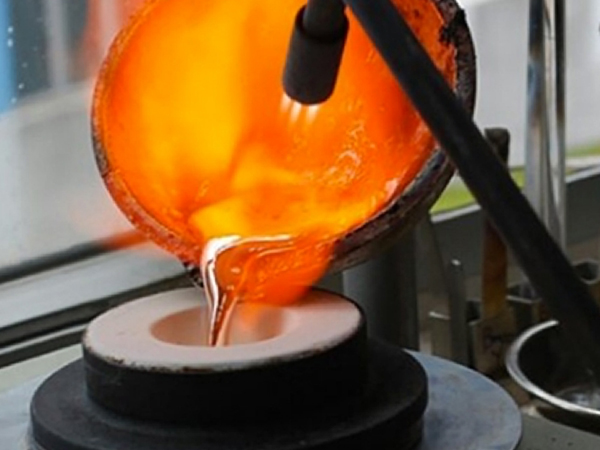
Industries, as a result of this global concern for sustainability, are forced to reassess their operations and look towards adopting more environmentally friendly processes. The metal casting industry is no different. With advancements, it’s now possible to do more with less waste, consume less energy, and make lesser environmental impact in metal casting.
At KBear Metal, we understand the importance of this shift and are committed to leading the way with innovative, eco-friendly casting solutions. Thanks to technological advancements, it is now possible to achieve more with less waste, reduce energy consumption, and significantly lower environmental impact in metal casting. Our company specializes in sustainable casting practices that align with these global trends, helping clients improve efficiency while protecting the environment.
At KBear Metal, we believe that a sustainable future in metal casting is achievable through continuous innovation and dedication.
This blog further develops the importance of eco-friendly metal casting, novel techniques being undertaken, and how such practices are indeed shaping a greener future for the industry.
The Importance of Sustainability in Metal Casting
Metal casting is one of the most important industries for almost all sectors, from the automotive and aerospace to construction and consumer goods. However, it consumes a lot of energy, generates pollution, and produces waste in traditional processes. Transitioning to greener practices is important in order to:
- Reduce the Carbon Footprint
Metal casting is energy-intensive and contributes significantly to greenhouse gas emissions. Adopting sustainable practices helps lower these emissions, supporting global efforts to combat climate change. - Reduce Waste
Implementing recycling of materials and more efficient production methods enables foundries to cut down on waste, reducing environmental impact and improving resource efficiency. - Compliance with Regulations
Governments worldwide are enforcing stricter environmental standards. Transitioning to eco-friendly processes ensures that foundries remain compliant and avoid potential penalties. - Enhance Reputation
Companies committed to sustainability attract eco-conscious clients and investors, strengthening their market position and fostering customer trust.
Adopting sustainable practices in metal casting not only benefits the environment but also improves operational efficiency, regulatory compliance, and competitiveness in an evolving market. Moving towards greener methods is essential for a sustainable, responsible future in the industry.

Eco-Friendly Innovations in Metal Casting
There are several innovations that are making metal casting more environmentally friendly. These include energy-efficient processes, innovative materials, and advanced recycling techniques.
1. Energy-Efficient Technologies
Modern foundries are adopting technologies that reduce energy consumption during the casting process.
- Induction Furnaces: They use electromagnetic fields to melt metals, which has the potential to consume less energy compared to a traditional furnace.
- Waste Heat Recovery Systems: Excess heat produced in casting is now being used by foundries for other purposes. This has reduced energy wastage.
2. Recycled Materials
Recycling is an integral part of green casting.
- Scrap Metal: Today, many casting foundries have started using recycled scrap metal for their process, which minimizes the consumption of virgin material.
- Reusable Sand: In sand casting, reclamation of used sand is possible, and it can be used several times, which reduces the amount of material waste.
3. Environmentally Friendly Binders and Coatings
There is a decrease in harmful emissions from organic binders and coatings used in casting mold compared to synthetic binding agents.
4. Computerized Processes
Automation in casting ensures precision and reduces material loss as it produces consistently and accurately.

Challenges in Transitioning to Sustainable Practices
Despite the numerous benefits of adopting sustainable practices in metal casting, the transition presents several challenges that companies must address:
- Initial High Costs
Implementing energy-efficient equipment and new sustainable technologies requires substantial upfront investment. This significant expense can be a barrier for many foundries, especially smaller or mid-sized enterprises, slowing down the adoption process. - Employee Training and Development
Transitioning to green practices involves learning new processes, operating advanced machinery, and handling different materials. Companies need to invest in comprehensive training programs to equip their workforce with the necessary skills, which can be time-consuming and costly. Without proper training, errors and inefficiencies may occur. - Resistance to Change
Some foundries may be hesitant to adopt eco-friendly methods due to uncertainty about the outcomes, perceived risks, or potential disruptions to established workflows. Overcoming organizational inertia and convincing stakeholders of the long-term benefits require effective change management and leadership.
Despite these challenges, the long-term benefits are substantial, including lower operating costs, improved environmental compliance, enhanced reputation, and greater resilience against future regulations. Embracing sustainable practices ultimately supports both environmental health and the long-term success of your business.

Benefits of Eco-Friendly Metal Casting
There are various benefits of using sustainable casting practices for manufacturers, consumers, and the environment:
1. Lower Operation Costs
Energy-efficient technologies and waste reduction lead to significant cost savings over time.
2. Regulatory Compliance
Eco-friendly practices abide by the strict environmental regulations that otherwise may result in fines or shut down.
3. Quality of Products
The sustainable practices, including precision casting and advanced mold design, are often considered to improve the quality of cast products.
4. Brand Value and Customer Appeal
Green practices boost the reputation of the company to attract environmentally conscious customers.
5. Resource Conservation
The recycling of materials and waste avoidance help save natural resources for the future generations.

Applications of Eco-Friendly Casting
Nearly all industries are utilizing sustainable casting techniques:
- Automotive: Lightweight, fuel-efficient auto parts made from recycled aluminum and energy-efficient production processes.
- Construction: Durable, eco-friendly materials, such as cast iron, for infrastructure projects.
- Aerospace: High-precision components with minimal material loss.
- Consumer Goods: Sustainable metal parts for appliances, electronics, and furniture. How to Make Metal Casting Environmentally Friendly

Foundries can start making the first steps toward sustainability by applying the following actionable steps:
1. Optimize Energy Use
- Install energy-efficient furnaces.
- Design energy management systems that monitor and improve the use of energy.
2. Focus on Recycling
- Recycle scrap metal and casting sand wherever possible.
- Design recycling plants that can recover material to their fullest extent.
3. Use Green Materials
- Use organic binders and coatings for molds.
- Use alloys and metals that produce less environmental impact.
4. Emission Control
- Install air filtration systems that collect dangerous pollutants.
- Reduce emission by switching to cleaner fuel types.
5. Team and Innovate
- Develop and share sustainable casting technologies with research institutions and industry peers.
- Role of Consumers in Promoting Sustainability
- The consumers will play a significant role in persuading the metal casting industries to opt for more environment-friendly practices. As they buy products produced in an eco-friendly manner, it will simply tell the manufacturers that responsible behavior towards the environment is something they need to focus on.

Why Go for Environment-Friendly Casting?
Choosing eco-friendly casting methods has become increasingly important in today’s industrial landscape. This approach aligns with global efforts to reduce environmental impact while offering numerous benefits that make it a compelling choice for manufacturers and consumers alike. The key reasons to opt for environmentally conscious casting include:
Supports Sustainable Development Goals
Environmentally friendly casting aligns with broader efforts to promote sustainability worldwide, encouraging industries to play their part in protecting the environment for future generations.
Reduces Environmental Footprint
Eco-friendly casting significantly minimizes pollution by employing sustainable practices and materials. Traditional methods often involve harmful chemicals and generate waste that pollutes air, water, and soil. In contrast, green casting techniques help reduce emissions and waste, contributing to a healthier planet.
Produces High-Quality, Durable Parts
Environmentally friendly casting processes tend to create parts that are of superior quality—strong and long-lasting. This durability decreases the frequency of replacements, conserving resources and energy over the lifespan of the product.
Keeps Abreast of Global Sustainability Trends
As worldwide awareness of environmental issues increases, consumers and stakeholders increasingly prefer companies committed to sustainability. Adopting eco-friendly practices helps businesses stay relevant and competitive in a shifting market landscape.
Cost Efficiency in the Long Run
Green casting often involves innovative techniques and materials that lead to reduced waste management costs and improved production efficiency. Over time, these savings can significantly benefit companies financially.
Enhances Corporate Reputation and Market Position
Demonstrating a commitment to sustainability boosts brand image and attracts customers who prioritize environmentally responsible products. This can provide a distinct competitive edge over less sustainable competitors.
Conclusion
The future of the metal casting industry is undoubtedly heading towards sustainability and eco-friendly practices. At KBear Metal, we are dedicated to leading this transition by providing innovative, environmentally responsible casting solutions. Our commitment to energy-efficient technologies, recycling, and emission reduction helps foundries lower their environmental footprint while boosting productivity and product quality.
Transitioning to green metal casting requires dedication and innovative thinking, but the long-term advantages are clear. Not only do these practices benefit the environment by reducing harmful emissions and waste, but they also enhance operational efficiency and create a competitive edge in the marketplace. As industries continue to evolve, it is essential for companies to adopt sustainable methods for a more responsible future.
If you are searching for a partner who genuinely prioritizes sustainability without compromising on quality, look no further than KBear Metal. With our expertise in eco-friendly solutions, we aim to support your business in achieving sustainable growth. Together, we can build a greener, more sustainable future for the metal casting industry and the planet as a whole. Contact us now!



