

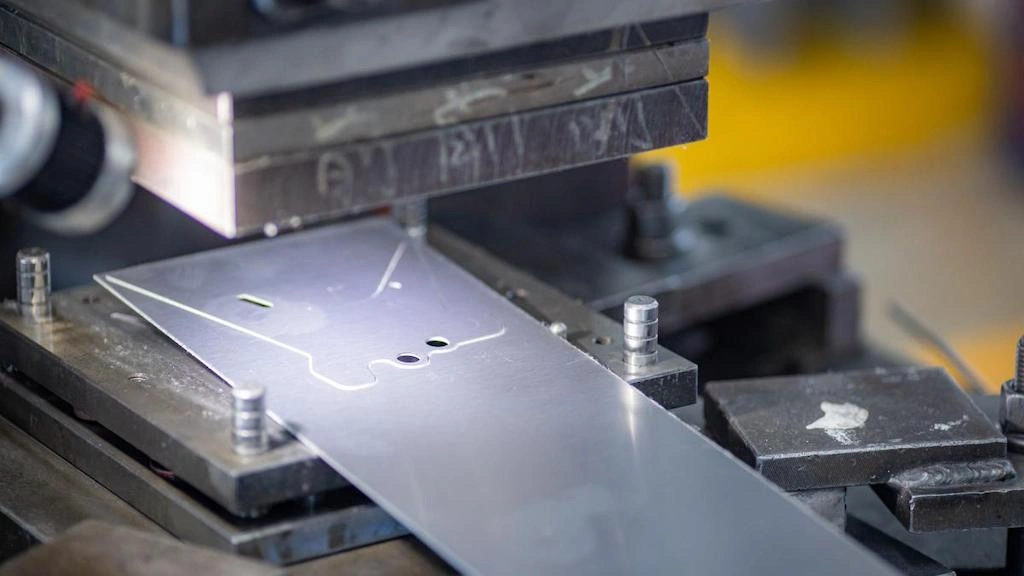
Furniture stamping is a manufacturing technique that is used to create stamped metal products, mainly used in the manufacturing of furniture. Precision stamping techniques enable manufacturers to manufacture quality components that ensure structural integrity as well as sophisticated designs and designs. This process uses immense pressure to shape metal, which causes a phenomenon known as work hardening . This fundamentally increases the metal’s strength and durability. Furthermore, stamping allows for the integration of reinforcing geometric features like flanges and ribs, which efficiently distribute load.How Furniture Stamping Works Towards the Dual Success of Strength and Aesthetic in Furniture?
What is Stamping?
Stamping is a manufacturing process used to shape, cut, or form metal by applying mechanical force through a press and a set of precision tools called dies. In this process, flat metal sheets or coils are placed into a stamping press, where controlled pressure is applied to transform the material into a specific shape. The operation relies on accuracy and consistency, making stamping ideal for producing uniform parts in large quantities while maintaining tight dimensional tolerances.
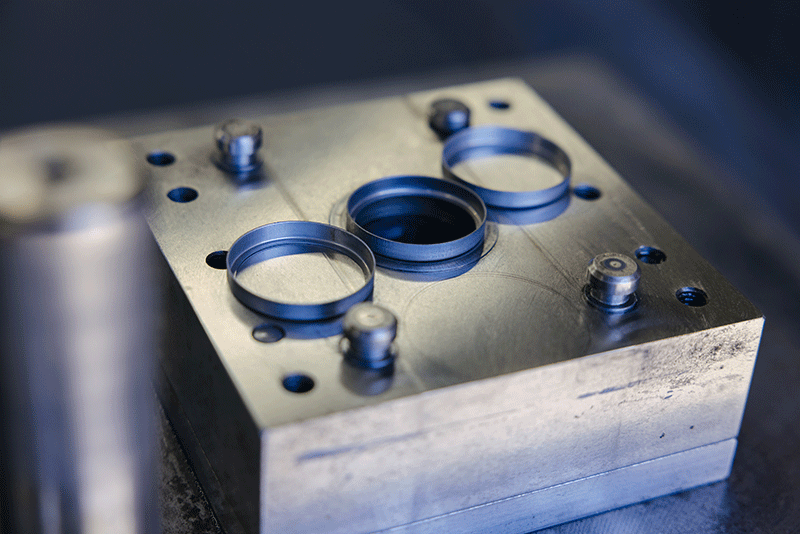
The stamping process works by positioning the metal between two die components: the punch and the die cavity. When the press activates, the punch moves downward, forcing the metal into or through the die. Depending on the tool design, the metal may be bent, stretched, pierced, or cut. This method allows manufacturers to create simple or complex shapes in a single operation or through multiple progressive steps.
What is Furniture Stamping
Furniture stamping is a specialized metal stamping process used to produce metal components and decorative elements for furniture manufacturing. It involves shaping flat metal sheets into precise forms using a stamping press and custom dies, allowing manufacturers to create strong, uniform, and visually consistent parts that are used in both residential and commercial furniture.
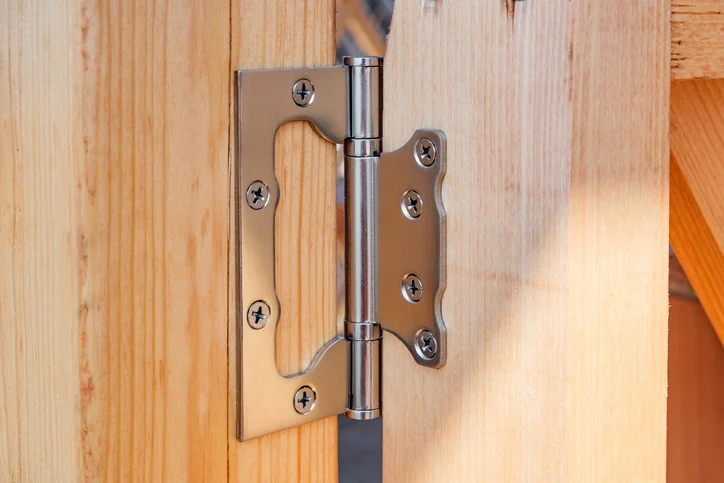
In furniture stamping, metals such as steel, stainless steel, aluminum, and iron are commonly used to form structural and functional components. These include chair frames, table legs, bed brackets, hinges, corner plates, drawer slides, and reinforcement supports. The stamping process ensures that each part meets exact dimensions, which is essential for proper assembly and long-term stability of furniture pieces.
Understanding Furniture Stamping in Manufacturing
Furniture stamping is a metal-forming process in which flat metal sheets are shaped, cut, or embossed using stamping presses and custom-designed dies. These stamped components are then assembled into furniture structures such as chairs, tables, beds, cabinets, shelving systems, and storage units. The process allows manufacturers to produce uniform parts with tight tolerances, ensuring that every component fits precisely during assembly.
Unlike traditional fabrication methods that rely heavily on welding or manual shaping, stamping creates parts with consistent thickness, geometry, and strength. This consistency directly contributes to the overall reliability and appearance of the finished furniture.
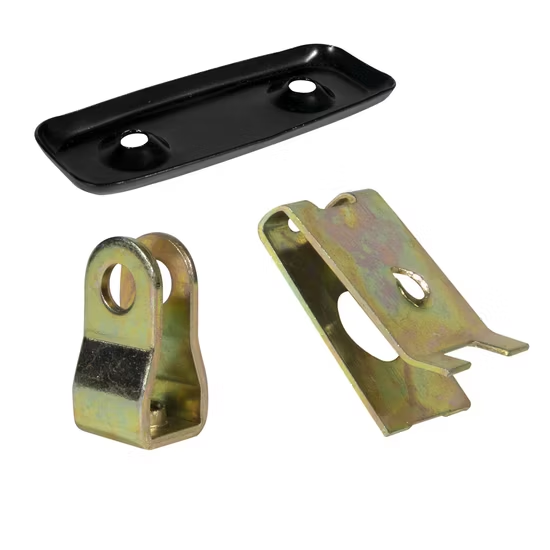
Furniture stamping is a type of metal fabrication process during which sheets of metal are stamped into specific shapes in the die. This technique is widely used for making brackets, supports, ornaments, and structural frames for furniture applications. Stamping is a primary method in mass production due to its consistency, low cost, and durability.
2.Furniture stamping to the next level of toughness
Kicking off with a factory stamp of strength and durability Furniture stamping is one of the top advantages of manufacturing furniture certain, notably the structural strength and strength of your item is a most important bonus to stamp As a result of any furniture stamping is an original strength has come stamped on the holds important news.
a. Bolstered Structural Strength
- Metal, and importantly stamped and formed metal make up some of the essential reinforcement components of modern furniture because they add rigidity, support, and hold the structure together so it doesnax2019t bend or break.
- Reinforced brackets and support frames provide uniform weight distribution, minimizing the chances of collapse.
b. Load-Bearing Capabilities
- These stamped steel and aluminum parts are engineered for maximum load tension and can be used in any piece of furniture that carries a lot of weight.
- All-metal combo design from thicker stamped metal sheets, where each has extra strength without any unnecessary weight.
c. Consistency and Precision
- These automated stamping processes produce identical components with standardized dimensions, allowing them to fit seamlessly during furniture assembly.
- The stamping parts have high precision, minimizing weak points and adding to the durability of furniture.
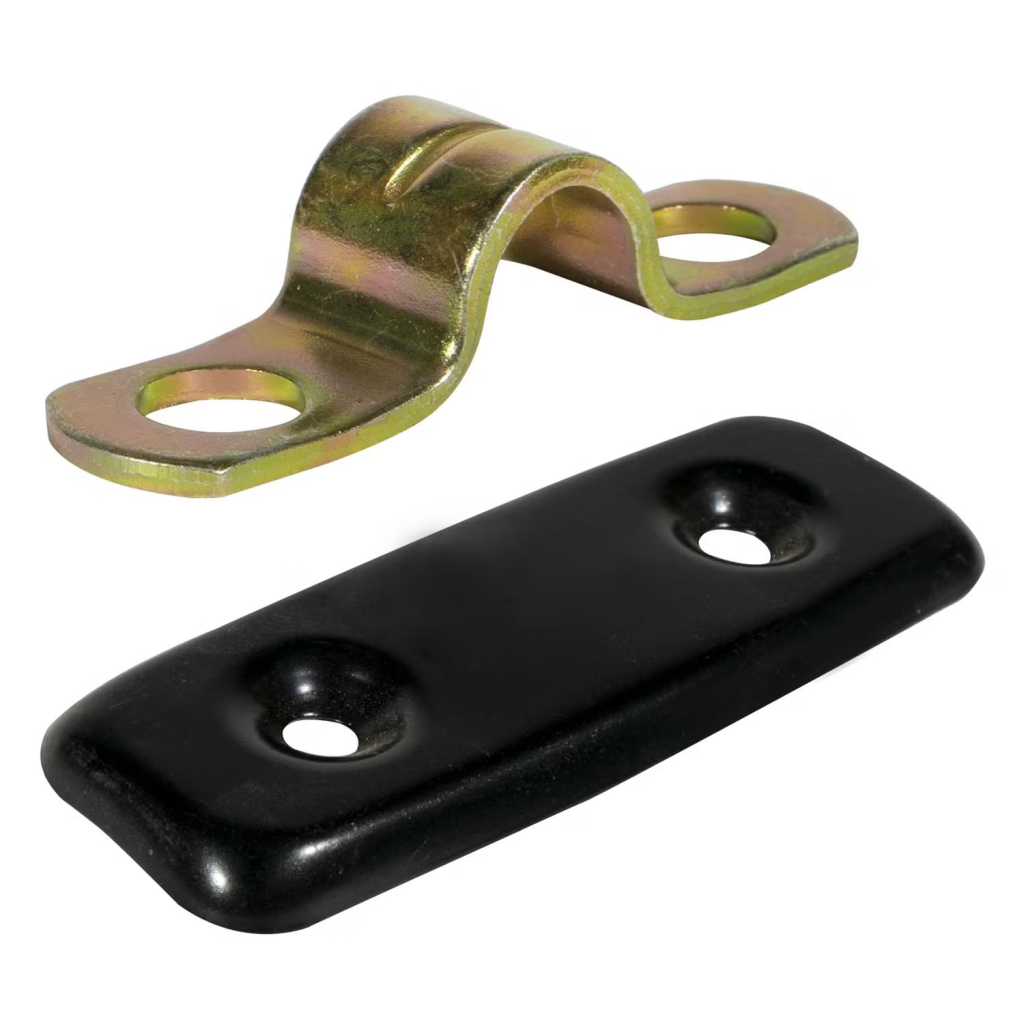
3.The Artistic Side of Furniture Stamping
Furniture stamping is not just significant in making furniture stronger, but it’s also about aesthetics.
A. Detailed and Customizable Designs
- Introducing stamping also provides a high level of decorative detail with patterns, engravings, or textures added to the aesthetic side of furniture.
- Casting goes well beyond cappuccinos and cupcakes — decorative perforations and embossed detailing lend artistic value to metal furniture components.
b. Implementation the nice and smooth way
- Metal stamped parts have crisp edges and smooth finishes without rough, uneven surfaces.
- This capability to create slender but durable elements results in elegant modern furniture designs.
C. Multipurpose Finishes and Coatings
- Powder coating, anodizing, or plating can improve the durability and aesthetics of stamped metal components.
- Various matte, glossy, or metallic finishes can be used to complement various furniture styles.
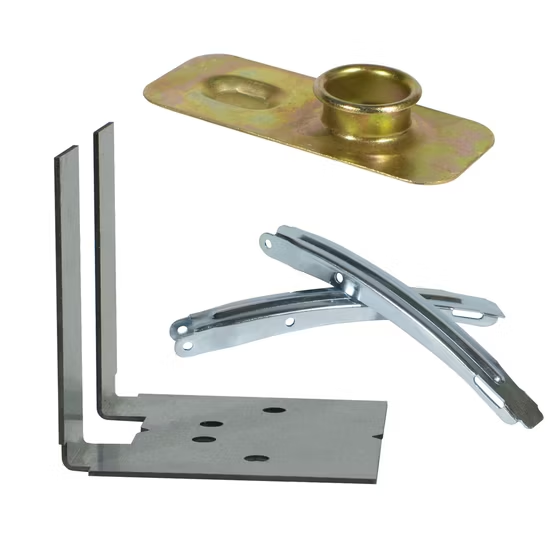
4.Materials Commonly Used in Furniture Stamping
Metal selection in furniture stamping influences both strength and aesthetics in the finished product. Common materials include:
a. Stainless Steel
- Provides excellent durability and corrosion resistance
- Most often seen on high-end and industrial looks using furniture.
b. Aluminum
- light but strong which makes it perfect for modern & minimalistic furniture.
- Inherently corrosion-resistant and easy to form into distinct shapes.
c. Carbon Steel
- Delivers high strength at a low price.
- Commonly used in heavy-duty furniture applications like shelving, and workbenches.
d. Brass and Copper
- They all are primarily used for decorative elements as they have rich colors and are classically styled.
- With extremely high resistance to tarnishing and a wooden space ideal for vintage or luxury furniture.
5.What is Stamped Metal and How is it used in Furniture?
It also creates contact surfaces that minimize incompatibility, which is especially useful with high-end goods.
a. Office and Business Furniture
- (Such things as stamped brackets, frames and hardware form the basis for desks, chairs and storage units, for example.)
- Products such as custom metal finishes also provide a professional look while remaining modern and functional for office furniture.
b. Home Furniture
- Metal legs, support structures, and accents are stamped to boost both durability and design in sofas, tables, and cabinets.
- Milled or stamped metals feature decorative flair on residential furnishings.
c. Garden and Patio Furniture
- Durable stamped metal frames offer resistance to corrosion in outdoor environments.
- Robust but light aluminum and stainless steel parts give power without adding unnecessary weight.
d. Fixtures for Retail and Hospitality
- Functionalities and branding aesthetics are complimented with stamped metal shelving, display stands, and signage.
- Stylish stamped metal components help deliver high-end interiors in hotels and restaurants.
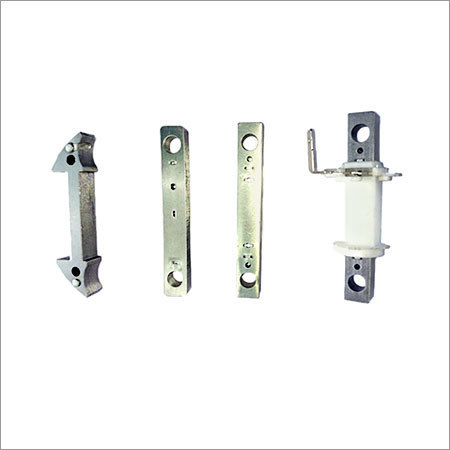
6.Legacy of Furniture Stamp
Over the years, with the advent of technology, the process of furniture stamping has undergone many changes, becoming more efficient and allowing for more design versatility alongside commercial furniture.
a. CNC STAMPING AND PRECISION ENGINEERING
- For high precision stamping we are using CNC stamping machines that can create the intricate detailing with less wastage of the material.
- More precise components fit together perfectly, and reduce assembly time.
b. Sustainable Manufacturing Processes
- The use of recycled metals and energy-saving stamping methods helps sustainability.
- Sustainable coatings and finishes lower the carbon output in making furniture.
c. Clever and Practical Designs
- Smart furniture excludes the drive of adjustment and fittings, and fittings with a stamped metallic element & the work structure are being assembled into it.
- The innovations have resulted in furniture pieces that solve multiple functions and adapt to its users’ needs.
Surface Quality and Finishing Advantages
Stamped metal parts typically have smooth, consistent surfaces that are ideal for finishing processes. After stamping, components can be powder-coated, painted, plated, anodized, or polished to achieve the desired color, texture, and corrosion resistance. The uniform surface produced by stamping ensures that coatings adhere evenly, enhancing both durability and visual appeal.
High-quality finishes not only improve aesthetics but also protect furniture from rust, wear, and environmental damage. This is especially important for outdoor furniture, kitchen fixtures, and commercial installations where durability and appearance must be maintained over time.
Cost Efficiency Without Compromising Quality
Furniture stamping improves strength and aesthetics while remaining cost-effective. Once stamping dies are developed, large volumes of components can be produced quickly with minimal material waste. Stronger parts can be achieved using thinner metal sheets through smart design and forming techniques, reducing raw material costs without sacrificing performance.
This balance of efficiency, durability, and visual quality allows manufacturers to offer competitively priced furniture that still meets high expectations for design and longevity.
Sustainability and Material Optimization
Stamping also supports more sustainable furniture manufacturing. Precise cutting and forming reduce scrap material, while lighter yet stronger components lower overall material consumption. Durable stamped parts extend furniture lifespan, reducing the need for frequent replacement and contributing to more sustainable consumption practices.
Conclusion
The stamping of furniture is an important procedure used for strengthening the work and giving it an attractive appearance; it is now an important method of building furniture. We can not only build good-looking chairs & tables through wisely designed stamps with the right materials, but we also ensure a better level of durability and cost-effective production in doing so. Furniture companies are always exploring new styles and uses, and as manufacturing technology improves the stamping process and implementations, furniture stamping will continue to shape new solutions for structural support and artistic design.