


Fasteners are often overlooked, yet they are the silent heroes behind countless industries—holding together machinery, buildings, and essential structures. Despite their small size, their importance cannot be overstated. Proper maintenance and protection are critical in ensuring their longevity, optimal functionality, and safety over time.
To extend the lifespan of your fasteners, start by choosing corrosion-resistant materials such as stainless steel or galvanized coatings, especially in harsh environments. Regular inspections are vital; look for signs of rust, corrosion, or wear, and replace any compromised fasteners promptly. Applying protective coatings or sealants can also prevent exposure to moisture and chemicals that accelerate deterioration.
Additionally, ensure proper installation techniques—over-tightening can cause damage, while under-tightening may lead to loosening. Using the correct tools and torque specifications enhances durability and stability. For critical applications, consider using lock washers, nuts, or adhesives to prevent loosening over time.
By implementing these maintenance practices, you not only protect your fasteners but also secure the integrity of your entire project, ultimately saving costs and avoiding potential failures. Proper care ensures that these small components continue to do their big job reliably for years to come.
This blog looks into effective strategies for maintaining and protecting fasteners, possibly meant for the extension of their lifespan and securing your projects.
What Is a Fastener?
A fastener is a hardware device used to mechanically join or affix two or more objects together. Fasteners are essential components in construction, manufacturing, machinery, and everyday products, providing secure connections while allowing for disassembly or maintenance when needed. Common types of fasteners include screws, bolts, nuts, washers, rivets, nails, and clips, each serving a specific purpose based on load requirements, environmental conditions, and materials involved.
Fasteners can be temporary or permanent. Temporary fasteners, such as bolts and screws, allow components to be taken apart for repair, maintenance, or adjustment. Permanent fasteners, such as rivets and certain adhesives, create long-lasting bonds that are not intended to be removed.
The choice of fastener depends on factors like strength, durability, corrosion resistance, thread type, material compatibility, and environmental conditions. High-quality fasteners, such as those made from stainless steel or alloy steel, provide superior performance in demanding applications, including construction, automotive, aerospace, and industrial machinery.
In essence, fasteners are critical for structural integrity, operational reliability, and safety across countless applications. Proper selection, installation, and maintenance of fasteners ensure that components remain securely joined, function efficiently, and withstand the stresses of everyday use or extreme conditions.

Why Fastener Maintenance Matters
Fasteners are often under stress constantly and exposed to environmental conditions which might result in:
Corrosion: If moisture, chemicals, or salt air gets access to the fastener, they might rust or become weak
Loosening: Fasteners tend to be loosened if vibrated over time and continuous usage.
Wear and tear: Friction and mechanical force causes the gradual wearing of a fastener with time.
Therefore, proper care of your equipment and structures safeguards their safety, reliability, and efficiency.
Hints for the Preservation and Protection of Your Fasteners
Fasteners play a critical role in ensuring the structural integrity, safety, and longevity of any project, whether in construction, machinery, or industrial equipment. Over time, improper handling, exposure to harsh environments, or inadequate maintenance can compromise their performance.
Preserving and protecting fasteners is essential to prevent corrosion, wear, and mechanical failure. By following practical strategies such as proper storage, regular inspection, appropriate lubrication, and selecting the right materials for specific conditions, you can extend the lifespan of fasteners and maintain the reliability of your assemblies. In this guide, we explore key hints and best practices to keep your fasteners performing at their best, ensuring safety, durability, and long-term efficiency.
1. Select Proper Material for Your Environment
First and foremost, select the proper material for your fasteners.
- Stainless Steel: Corrosion-resistant and ideal for outdoor and marine environments.
- Galvanized Fasteners: Zinc-coated to resist rust in humid or wet environments.
- Specialty Metals: Materials like titanium or Inconel can provide excellent performance in extreme conditions.
2. Apply Protective Coatings
Coatings can add significantly to the resistance of a fastener against environmental factors.
- Zinc Coating: Provides excellent corrosion resistance.
- Powder Coating: Provides a tough, protective coating that also enhances aesthetics.
- Anti-Seize Compounds: Prevent threads from seizing due to corrosion or high heat.
3. Periodic Inspection and Cleaning
Regular inspection and cleaning help detect potential problems early and ensure the fastener’s performance.
- Check for Rust: Remove surface rust with a wire brush or rust remover.
- Inspect Tightness: Fasteners should be tight, especially in high-vibration applications.
- Clean Frequently: Dirt, grime, and debris should be removed to prevent accumulation and degradation.
4. Lubricate Threads
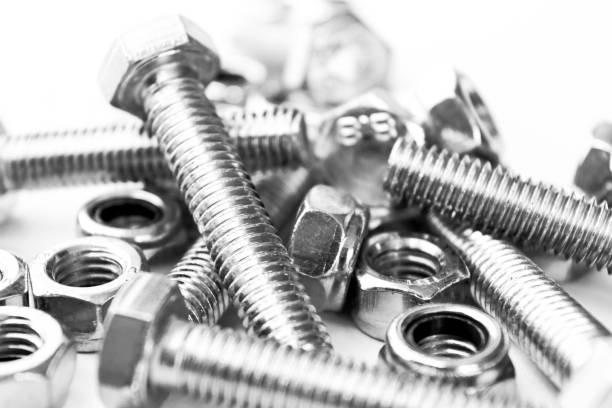
Lubricating fastener threads reduces friction, prevents galling, and prevents corrosion. Some lubricants to use are:
- Anti-seize grease for high-temperature applications.
- Silicone-based lubricants for general-purpose applications.
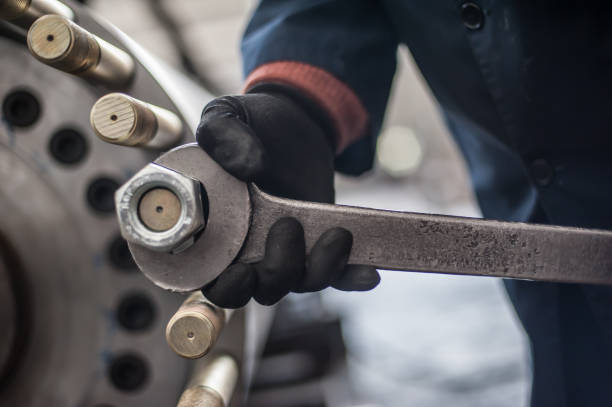
5. Avoid Over-Tightening
Over-tightening of fasteners can strip threads or cause stress fractures.
- Use a torque wrench to apply the right amount of torque.
- Follow the manufacturer’s recommendation for tightening specifications.
6. Protect Against Environmental Exposure
Environmental exposure to moisture, UV radiation, and chemicals may enhance wear and corrosion.
- Seal with Caps or Covers: Prevent water and debris from penetrating the exposed fasteners.
- Store Properly: Store unused fasteners in a dry, cool location.
- Apply Sealants: Use waterproof sealants around fasteners in exterior applications.
7. Replace Damaged Fasteners
Damaged fasteners may result in structural failures. Replace any fastener that exhibits the following conditions:
- Cracking or deformation
- Extreme rust or corrosion
- Stripped or worn threads
Preventive Measures for Specialized Fastener Applications
Specialized fasteners are often used in demanding environments such as marine, aerospace, automotive, and industrial machinery applications, where performance, reliability, and safety are critical. To ensure these fasteners maintain their integrity over time, preventive measures are essential. These measures include proper material selection to resist corrosion or extreme temperatures, correct torque application to prevent loosening or deformation, and the use of protective coatings or lubricants.
Regular inspection and maintenance routines also help detect early signs of wear or damage. By implementing these preventive strategies, engineers and technicians can extend the lifespan of specialized fasteners, reduce downtime, and ensure the continued safety and efficiency of the systems they support.
Industrial Machinery
- Fasteners should not loosen up at operating speeds, hence vibration test them.
- Use lock washers or thread-locking compounds
Construction Projects
- Use weather-resistant fasteners when structures are built outdoors
- Regularly inspect the fasteners to see if there is rusting or wear and tear
Marine and Offshore Equipment
- Fasteners for saltwater use are made from stainless steel or Monel.
- Use anti-corrosion coatings and clean the equipment frequently.
Common Mistakes When Maintaining Fasteners
Proper maintenance of fasteners is critical to ensuring the safety, durability, and performance of any structure or machinery. Despite their importance, many users make common errors that compromise fastener integrity, such as over-tightening, neglecting corrosion prevention, or using damaged components. Understanding these mistakes is essential for preventing mechanical failures, reducing downtime, and extending the lifespan of fasteners.
However, several common mistakes can compromise their effectiveness:
- Over-Tightening or Under-Tightening – Applying too much torque can strip threads, deform fasteners, or damage connected materials, while insufficient torque can result in loose connections and structural instability.
- Ignoring Corrosion Prevention – Failing to clean, lubricate, or apply protective coatings can lead to rust and deterioration, especially in outdoor or marine environments.
- Mixing Materials Inappropriately – Using fasteners made from incompatible metals can cause galvanic corrosion, reducing lifespan and reliability.
- Reusing Damaged Fasteners – Installing bent, stripped, or worn fasteners can compromise mechanical integrity and safety.
- Neglecting Regular Inspection – Skipping routine checks prevents early detection of wear, loosening, or corrosion, which can escalate into major failures.
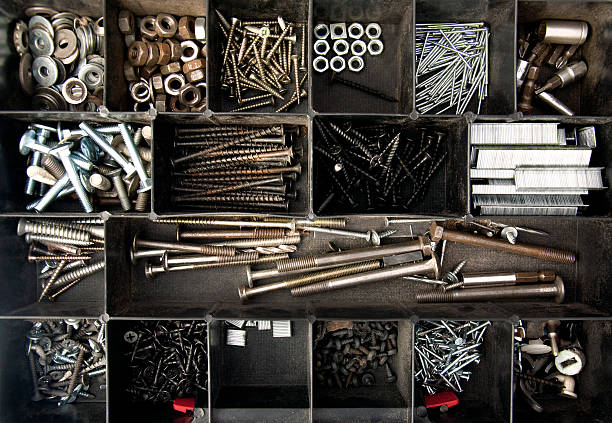
- Incorrect Storage – Storing fasteners in damp, dusty, or improperly organized conditions can lead to corrosion, contamination, or loss.
By avoiding these mistakes and implementing proper maintenance practices, fasteners can maintain their performance, extend their lifespan, and ensure the reliability and safety of the structures and machinery they support.
How Kbear Metal Supports Long-Lasting Fasteners
At Kbear Metal, we know how much you need strong, reliable fasteners for your projects. We provide:
- High-Quality Materials: From stainless steel to specialty alloys, our fasteners are built to last.
- Corrosion-Resistant Coatings: Ensuring superior performance in challenging environments.
- Custom Solutions: Tailored fasteners designed to meet your unique requirements.
- Expert Guidance: Our team provides maintenance tips and product recommendations to ensure optimal fastener performance.
Conclusion
Maintaining and protecting your fasteners is essential for ensuring the safety, efficiency, and durability of your projects. By using the right materials, applying protective coatings, and following regular maintenance routines, you can extend the lifespan of your fasteners and prevent costly issues.
For reliable and high-quality fasteners, Kbear Metal is a trusted partner. With a wide range of durable, corrosion-resistant, and precision-engineered products, Kbear Metal ensures that your projects remain secure, efficient, and built to last. Our commitment to excellence and expertise in fastener solutions helps you achieve both performance and peace of mind.
For quality fasteners, you can count on Kbear Metal. With a commitment to excellence and a wide range of durable, reliable products, we help you secure your success.
Contact us today to explore our fastener solutions and discover how we can support your projects!



