


In manufacturing metal parts, one of the most important decisions is which casting process to use in order to assure quality efficiency and cost-effectiveness.
Among the most widely used techniques are investment casting and sand casting. Each of them has peculiar characteristics, advantages, and limitations, making them suitable for different purposes.
This blog delves into some of the key differences of Investment Casting Vs Sand Casting, their unique benefits, and how to decide which one is a good fit for the project.

Sand Casting Process
This sand casting technology is widely used by metalworkers because it is appropriate for the casting of steel, iron, brass, and most nonferrous alloys; besides, it may be used for final products weighing from less than one pound to several thousands of pounds.
The process of sand casting begins with the making of a sand mold. In a conventional foundry, after making the desired pattern or model of the final product out of hardwood, urethane, or foam, sand is compacted around it to form the mold.
To hold its shape, initially, the sand is treated with a bonding agent known as a binder which enhances adhesion between its particles.
The pattern is then removed by breaking the sand mold into two or more sections, which are then bound to receive the molten metal through a delivery system known as the gating system.
Once the metal has sufficiently cooled and solidified, the final product is recovered by removing the sand through a shake-out process.

Advantages of Sand Casting
The following are some of the main advantages of sand casting:
- Operational costs low
- Can cast ferrous and nonferrous materials
- Good for casting large components
- Fairly easy to change design, comparatively
- Short lead time
Investment Casting Process
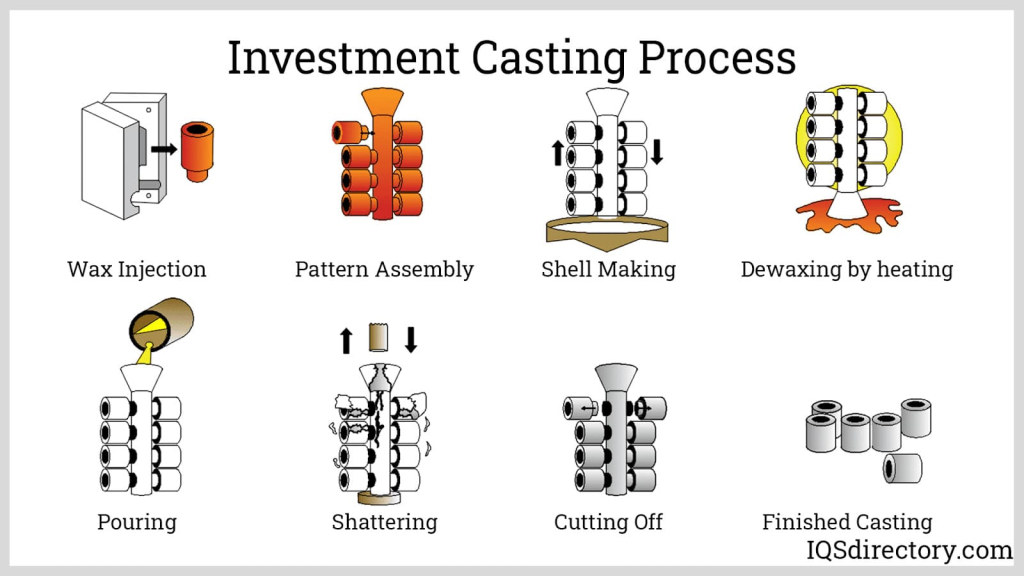
Also known as lost wax casting, investment casting technology is reliable for complex and detailed components.
It ensures that metalworkers end up with a final product of near-net shape, proving to spend lesser amounts of material, machining, and labor relative to all other forms of metal casting.
The investment casting method starts with molding wax into the desired cast and coats it with refractory material, like ceramic.
Applying heat melts out the wax, leaving an empty shell with the void to be filled shaped in the geometry desired.
Molten metal is then placed into this pre-heated shell. When it cools and solidifies suitably, it is recovered by breaking up the shell.
Advantages of Investment Casting
Following are some major advantages of using investment casting:
- Castability in ferrous and nonferrous materials
- Highest possible accuracy
- Walls can be very thin with intricate designs.
- The surface of the cast products will come out smooth.
- Less secondary machining and finishing is required.
Investment Casting Vs Sand Casting Comparison
Both investment and sand casting have undergone much improvement over the years—all directed towards the reduction of the amount of metal required and minimizing significant finishing and machining needs. Although they are alike in some ways, there are differences between them.
Similarities
- A few similarities both casting methods share include:
- They can cast ferrous and nonferrous materials
- Both methods shatter the molds to recover the finished product
- Both need a delivery system of molten metal
Differences
There are quite several significant differences that distinguish investment and sand casting; these include:
- Time to cast
- Quality of appearance
- Materials
- Design
- Dimensional tolerance
- Range of products
- Mass production .
- Casting Time
The molding cycle is short for sand casting, while investment casting takes more time.
Quality of Appearance
The final product from sand casting is usually rough depending on the sand used. Other defects include clip sand, sand wash, and gas holes. Meanwhile, products from investment casting are significantly smoother.
Materials
Materials needed for investment casting, such as paraffin wax, sodium silicate, etc., cost more than those required for sand casting (sand, binder, etc.). Sand casting is relatively cheaper.
Designs
Investment casting can produce more complex patterns, while sand casting may require extra tapering and machining to get the desired geometry. Sand casting patterns are less costly and take a much shorter period of time to alter than the tooling that must be made to create investment castings, if design changes are needed during a run of the product.
Dimensional Tolerance
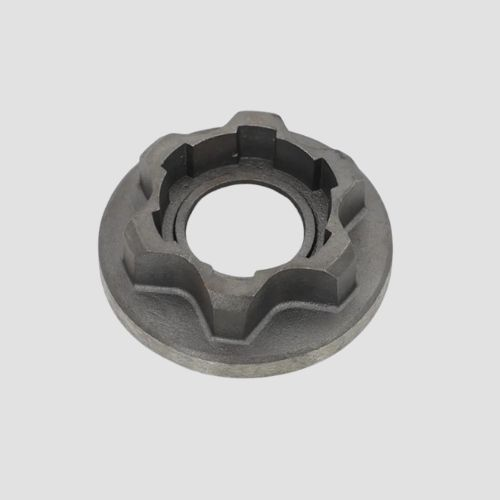
Because of the high dimensional tolerance of investment casting (CT 4-6), completed parts can have thin walls whereas completed parts from sand casting have a minimum wall thickness of 3 to 5 mm due to their lower-dimensional tolerance (CT 10-13).
Range of Products
The adaptability of sand casting is broad, and therefore it can be used to produce castings ranging from iron, steel, aluminum, etc. Although investment casting can be employed for other metallurgies, they are generally suitable for steel castings.
Because investment casting can be so consistent, it’s suitable for mass production. But sand casting cannot promise such. Therefore, mass-producing finished parts is much more difficult in the case of sand casting methods.
Investment Casting Vs Sand Casting, Which Method Is Right For You?
Knowing the appropriate method requires you to put some factors into perspective. Well, different materials are better for different products.
Therefore, one would know the material suitable for his/her product since it can help him or her determine the better-suited casting method.
You must also consider the possibility of mass production and that each casting method requires a different cycle time to inform your decision. Furthermore, one must consider the entire casting cost.
Ultimately, it is for you to decide on the method which offers overall casting benefit for your project or application.
Forging the Future: A Potential Role of Technology in Casting
Technological enhancement has continuously reshaped and improved traditional processes in the manufacturing world.
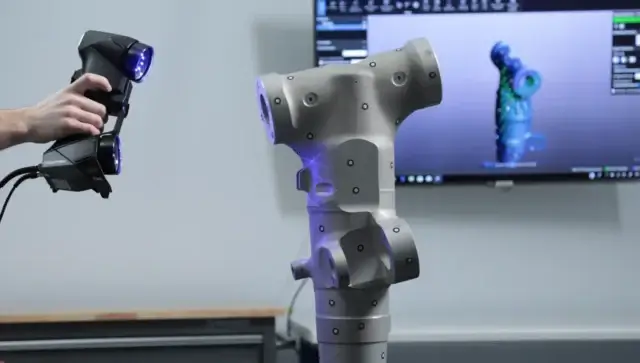
This is especially true for investment casting and sand casting, where current technology, such as 3D printing, have greatly enhanced efficiency, precision, and design flexibility.
3D Printing in Sand Casting
Among all simplifications and flexibilities of sand casting, the union with 3D printing has truly revolutionized the process. This is how it goes.
- Rapid Pattern Making: Traditional sand casting requires wooden or metal patterns, which can take time and money, especially for complex shapes, while 3D printing enables rapid creation of patterns, significantly reducing lead time and cost.
- Complexity in Geometry: The conventional methods could never carry geometries and details as complex as what 3D printing allows. This, in turn, enhances the potential for extreme designs in sand casting.
- Proto-type Development: The 3D-printed patterns provide a fast and economical method for prototype or short production runs to see quick iterations of designs and tests without investing costly tooling.
Investment Casting Advancements
Indeed, investment casting, known for its capability to produce definite and precise components, benefits very much from technology advancements, such as:
- Better Wax Patterns: Technology has allowed for more detailed and accurate wax patterns that are necessary for investment casting. This means higher precision for the final cast parts.
- Rapid Prototyping: The use of 3D prints in investment casting enables rapid prototyping. Manufacturers can produce and test small batches of complex parts quickly, accelerating the design process and time to market.
- Improved Mold Production: Modern technology’s precision allows the creation of molds with tighter tolerances and smoother surface finishes, which is critical in investment casting for achieving the desired quality and detail in the final product.
Effect on Customization and Flexibility
The introduction of technology in both casting methods has opened wide avenues for customization. It allows manufacturers to adapt fast to changing designs and requirements; hence, there is better flexibility in prototype development and production runs. Such adaptation is highly beneficial in areas of customization such as aerospace, automotive, and medical devices.
Benefits for the Environment and the Economy
Advanced technologies also support environmental and economic sustainability. The ability to precision-craft patterns and molds minimizes waste in materials. In the case of sand casting, using a 3D printer for creating patterns can streamline the process and minimize waste generated by the patterns. Investment casting, however, gets energy and waste-savings benefits through more efficient mold production. Learn about the use of 3D technologies in investment casting.
Why Kbear Metal for High-quality Investment Casting and Sand Casting?
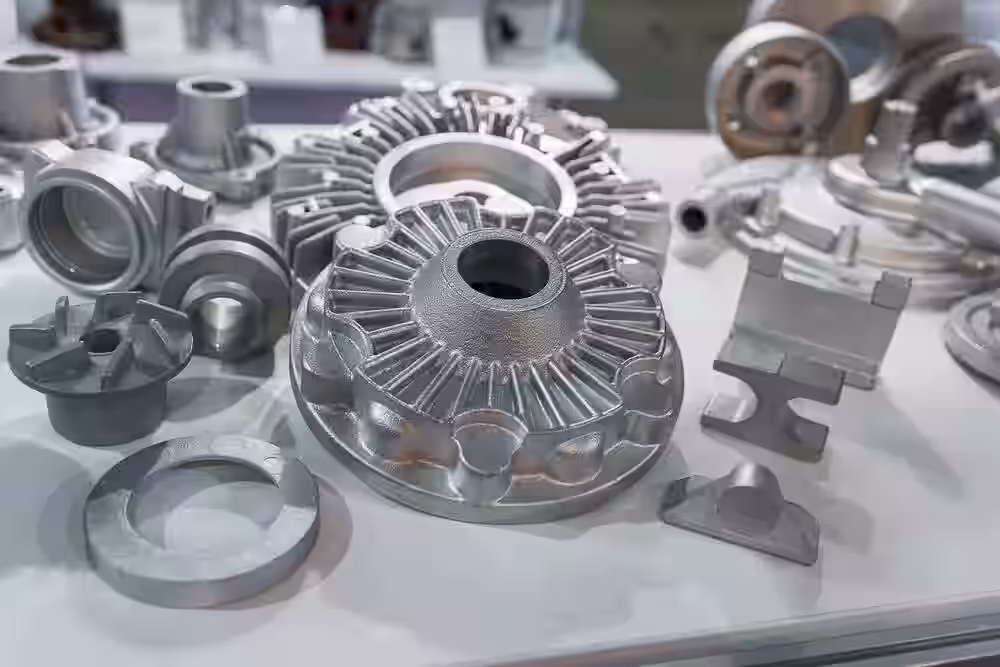
Kbear Metal leads the way in high-quality Investment Casting or Sand Casting. Here’s why:
Expertise and Experience: Being in the metal casting business for years has fine-tuned the skills and expertise of Kbear Metal to convey precision and reliability in each product we produce. The team understands the intricacies of die casting and has an innovative solution for your needs.
State-of-the-Art Technology: We invest in the most up-to-date die casting technology and machines so that we can produce with minimum effort and maximum quality. Our advanced machinery ensures precision and consistency for every part produced.
Quality Assurance: Quality is on our agenda. Strict quality control measures keep us grounded with the required industry standards and customer requirements. From intricate designs to durable parts, Kbear Metal ensures a flawless finish.
Customization: We provide flexible die casting solutions, including customization to meet specific requirements. From material selection to part design, we collaborate with you to ensure your parts meet the highest standards of performance and functionality.
Value for Price: Kbear Metal offers competitive prices with quality second to none. This way, we can ensure that the turn around is lower cost without any compromise on finished goods, and we are your best value for cost-effective die-casting solutions.
Fast Turn Around: We realize how important on-time delivery is. Kbear Metal is committed to fast, reliable service. We make sure that your parts are produced on schedule with a fast turn-around and delivered promptly to you in order to keep your project moving.
Customer-Centric Approach: At Kbear Metal, your satisfaction is our top priority. We work closely with you throughout the process to ensure that the final product will strictly meet your specifications and expectations.
Selecting Kbear Metal means selecting a partner you can rely on for exceptional die casting services that go beyond your expectations. Bring your project to life in our company through precision, quality, and efficiency.
Conclusion Investment Casting Vs Sand Casting
Investment casting suits precision and versatility needs, while sand casting is simpler and serves larger parts. Understanding these differences helps manufacturers decide on the best process for their specific applications. Are you considering investment casting or sand casting for your next project?



