


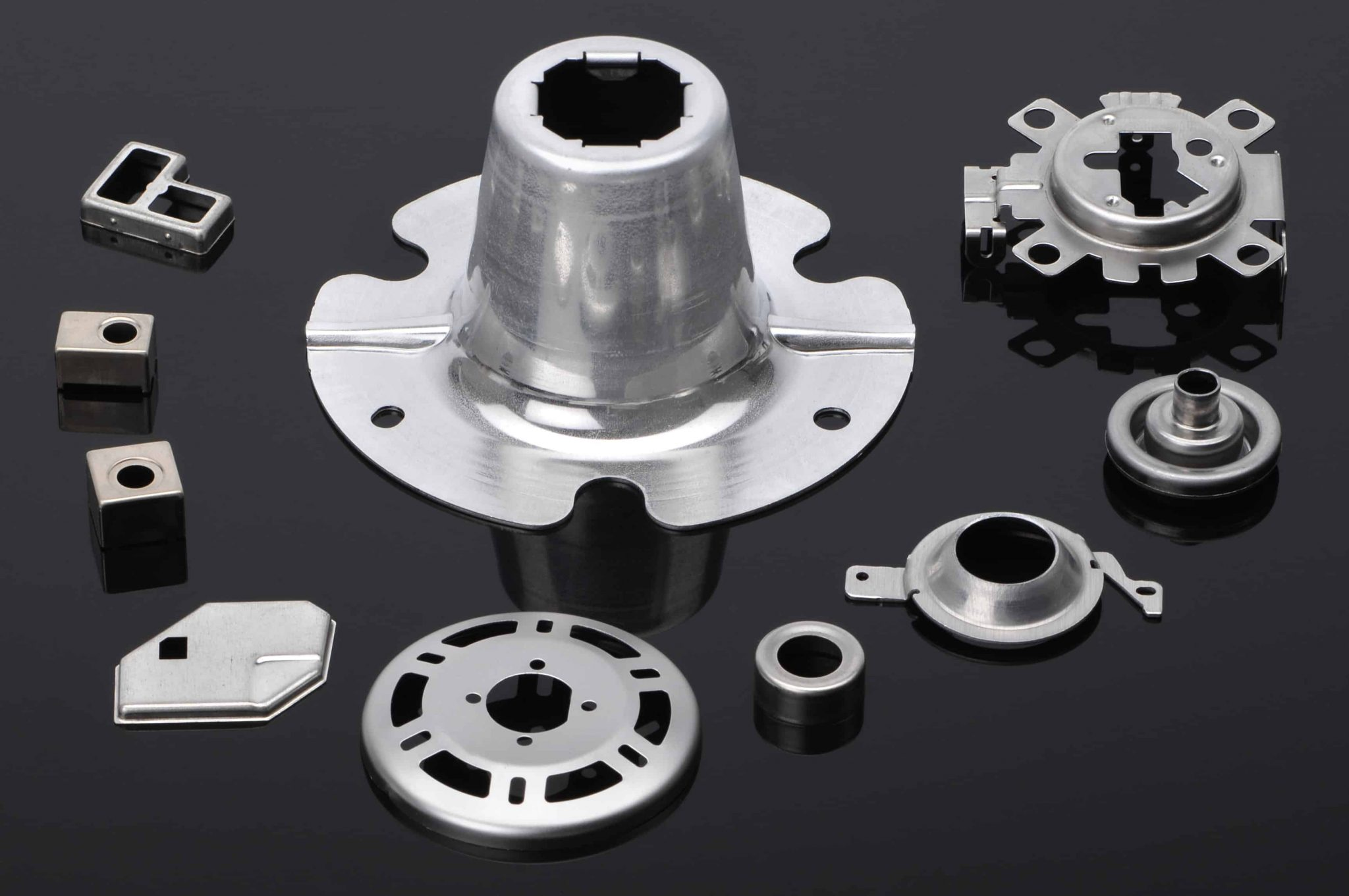
When considering manufacturing options, one common question is whether metal stamping is an expensive process. This method involves using a metal stamping press to transform metal sheets into precise components, and while it offers numerous advantages, understanding the cost implications is essential.
Several elements influence the overall cost of metal stamping. One of the most significant expenses is the initial tooling cost, which includes designing and manufacturing the custom dies needed for your specific parts. These upfront costs can be substantial, especially for complex or highly detailed designs, but they are typically amortized over large production runs, making stamping very cost-effective for high volumes.
Material selection also plays a critical role, as the price of metals like steel, aluminum, or copper varies, and each may require different processing techniques. Additionally, production volume directly impacts unit costs—larger batches usually result in lower costs per piece due to economies of scale.
Ultimately, metal stamping offers a balance of precision, efficiency, and scalability. Understanding these cost factors can help you determine if this manufacturing method aligns with your budget and project goals.
In this blog, we’ll explore the factors that influence the cost of metal stamping, including initial tooling expenses, material choices, and production volume. We’ll also provide insights into how the efficiency and scalability of metal stamping can impact overall costs, helping you determine if it’s the right choice for your project.
What is Metal Stamping?
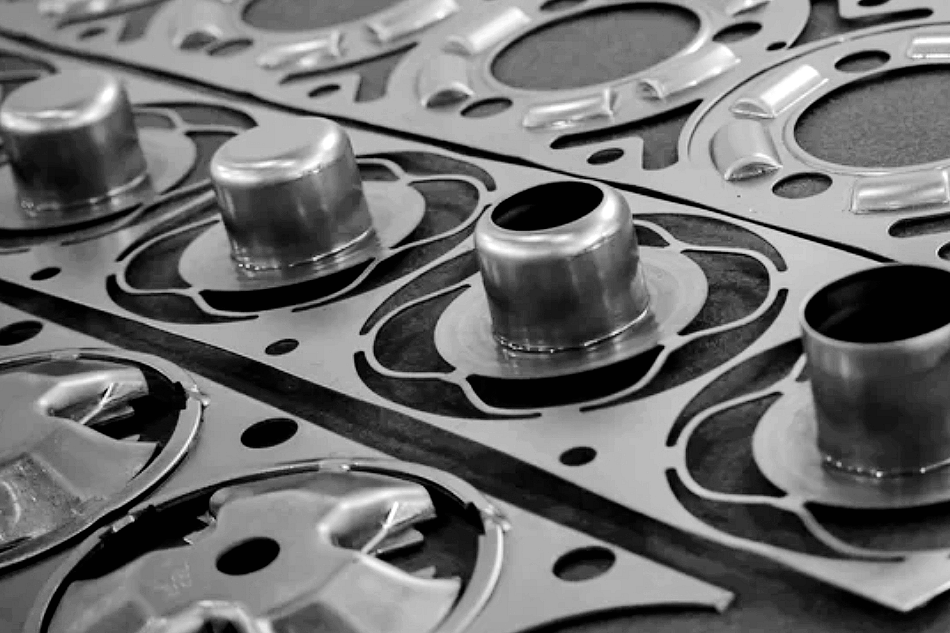
Metal stamping is a manufacturing process used to convert flat metal sheets into specific shapes. It is a complex process that can include a number of metal forming techniques — blanking, punching, bending and piercing, to name a few.
Kbear Metal offer metal stamping services to deliver components for industries in automotive, aerospace, medical, and other markets. As global markets evolve, there is an escalated need for quickly-produced large quantities of complex parts.
Is Metal Stamping Expensive?
The cost of metal stamping can vary based on several factors, including the complexity of the design, the volume of production, and the type of material used. While initial tooling costs for stamping dies can be high, especially for custom parts, the overall process becomes more cost-effective as production volume increases. Once the tooling is in place, metal stamping is highly efficient, allowing for rapid production of large quantities, which helps reduce the cost per unit.
The type of material used in metal stamping significantly impacts the overall cost of the project. Common materials such as aluminum and steel are generally more affordable and widely available, making them cost-effective choices for many manufacturing needs. However, when specialty alloys or thicker metals are required, costs can increase substantially. These materials often demand more robust tooling and longer processing times, which contribute to higher expenses.
Additionally, the complexity of your project plays a crucial role in determining costs. Intricate designs with fine details or very tight tolerances require more precise and advanced stamping techniques. This might involve using more sophisticated dies, slower press speeds, or multiple stamping stages to achieve the desired accuracy. Such requirements can increase both the tooling and production costs, as well as the time needed to complete each part.
It’s important to carefully evaluate the material and design complexity alongside your project’s volume and performance requirements. Balancing these factors helps ensure that you select the most cost-effective metal stamping solution without compromising quality or functionality. At Kbear Metal, we work closely with clients to recommend materials and processes that meet their specifications while optimizing cost efficiency.
How Much Does It Cost to Stamp Metal?
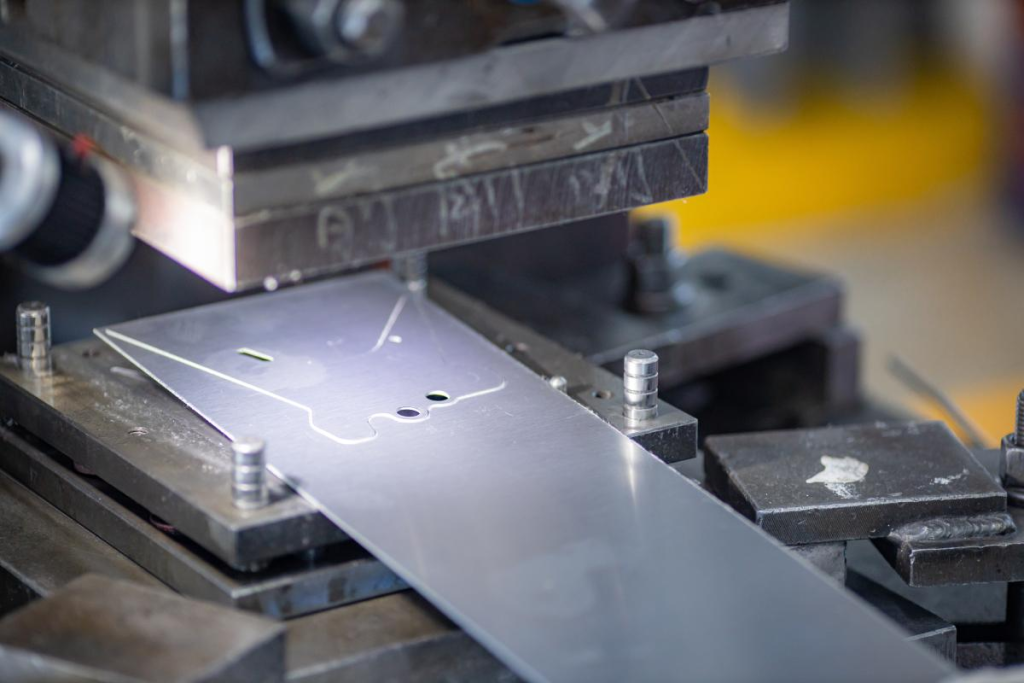
The cost of stamping metal depends on several factors, including the complexity of the part, the material used, and the volume of production. Custom die creation typically represents the most significant upfront expense, but once the die is made, the per-unit cost decreases significantly with higher production runs. Additional factors such as material thickness, type of metal, and the precision required can also influence the overall cost.
To obtain a more accurate estimate of metal stamping costs, many manufacturers rely on specialized tools such as stamping cost estimators or stamping die cost calculators. These tools analyze various factors including material type, part complexity, production volume, and tooling requirements to provide a detailed cost projection tailored to your specific project. Using such calculators helps businesses budget more effectively by anticipating expenses related to initial setup, production runs, and potential modifications.
This approach is especially valuable for large-scale projects with detailed design and performance requirements, where small variations in cost per part can have significant financial impacts. By using a stamping cost estimator, manufacturers and clients can identify cost drivers early on, allowing for adjustments in design or material choice that balance quality and affordability. It also improves transparency between clients and manufacturers, fostering better communication and planning.
At Kbear Metal, we utilize advanced cost estimation tools combined with our deep industry expertise to help clients understand the financial implications of their projects. Our goal is to provide accurate, upfront cost assessments that enable informed decision-making, ensuring that your metal stamping project stays on budget without compromising on quality or performance.
How Much Does Progressive Die Stamping Cost?
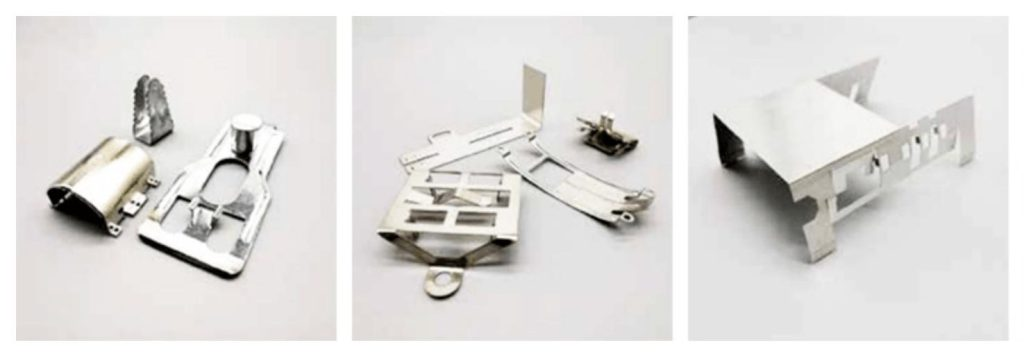
Progressive die stamping can offer substantial savings for high-volume production runs, but the initial tooling cost can be high due to the complexity of the die. The total cost depends on factors like the part’s design, the material used, and the number of stamping stations involved. Utilizing tools like a metal cost estimator can provide a clearer understanding of how these factors will impact your overall budget. Despite the high initial investment, progressive die stamping is typically cost-effective for large-scale production due to its efficiency and ability to produce parts with minimal waste.
Is Stamping Cheaper Than Casting?
In many cases, stamping can be more cost-effective than casting, especially for high-volume production of parts made from thin materials. While casting is ideal for creating intricate, heavy parts, it typically involves higher material and energy costs, as well as slower production times. Stamping, on the other hand, allows for faster production rates and is more suited for parts that require precision and consistency. However, for complex, large, or thicker components, casting might be the better option. The decision between stamping and casting largely depends on the specific requirements of your project.
What Are the Advantages of Metal Stamping?
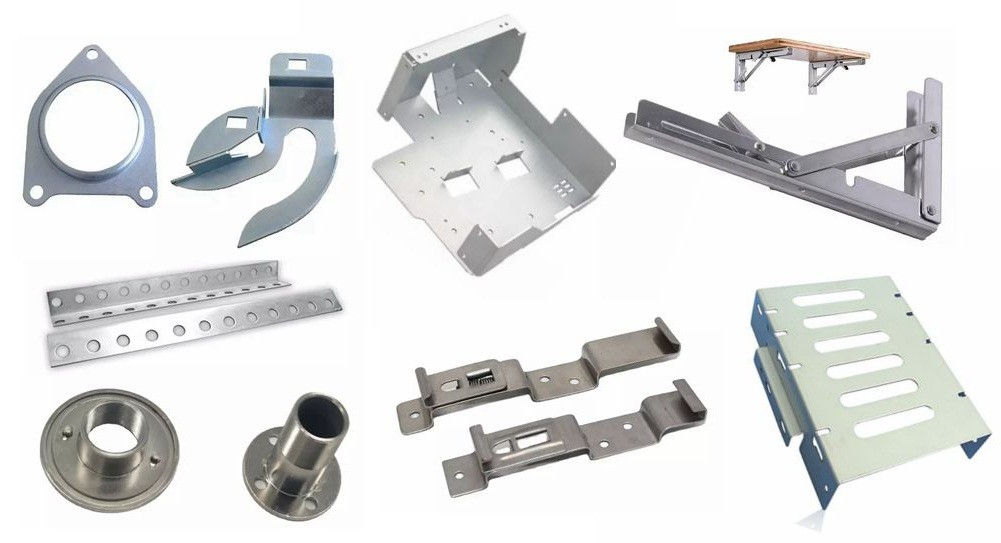
Metal stamping provides several key advantages, especially for industries demanding high precision and efficiency. It enables rapid production of consistent, accurate parts with minimal variation, ideal for automotive, aerospace, and electronics sectors. This process reduces material waste, lowers labor costs, and supports high-volume manufacturing. Additionally, metal stamping offers design flexibility, allowing for features like embossing and debossing to enhance both function and appearance. Its durability and strength make it suitable for critical applications, ensuring reliable, long-lasting components. Overall, metal stamping is a cost-effective, scalable solution for producing high-quality metal parts efficiently. Notable benefits include:
- High-Speed Production: Metal stamping is ideal for mass production. The process allows for rapid creation of large quantities of parts, which can significantly reduce manufacturing time.
- Cost-Effectiveness: While the initial setup costs for tooling and dies can be high, the cost per unit decreases as production volume increases, making stamping a cost-effective option for large runs.
- Precision and Consistency: Stamping produces parts with high accuracy and consistency. The use of precise dies ensures that each part meets exact specifications, which is crucial for maintaining quality across all units.
- Reduced Waste: Stamping typically results in minimal material waste compared to other manufacturing methods. The efficiency of the process helps in utilizing raw materials effectively.
- Versatility: The process can handle a wide range of materials and can produce parts with complex shapes and features. This versatility makes it suitable for various industries, including automotive, aerospace, and electronics.
- Durability: Stamped parts are often stronger and more durable due to the precise shaping and the ability to use high-strength materials.
Overall, metal stamping is a reliable and efficient method for producing high-quality components, especially when large quantities are required.
Choose Kbear Metal for Precision and Excellence in Metal Stamping
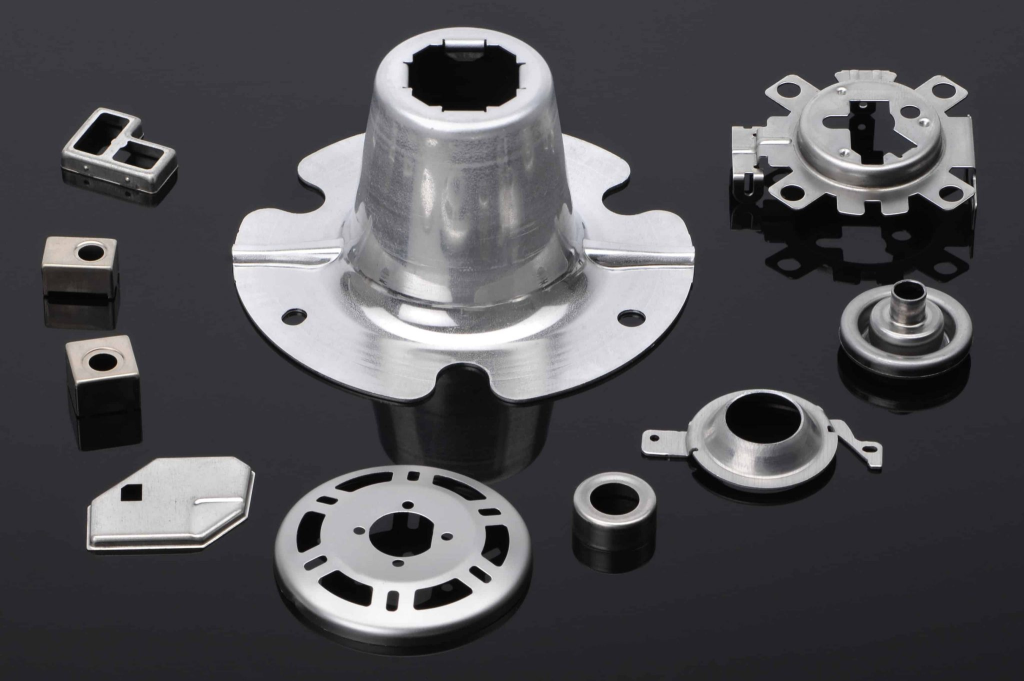
When it comes to reliable, high-quality metal stamping, Kbear Metal stands out as your ideal partner. Our expertise, advanced technology, and commitment to precision ensure that you receive parts that meet your exact specifications and production needs. Whether you’re looking for high-speed production, cost-effective solutions, or unmatched accuracy, Mursix delivers excellence every time.
Curious about how Kbear Metal can help you find a cost-efficient stamping solution? Contact us today to discuss your project needs and receive a custom quote.
Conclusion
In conclusion, determining whether metal stamping is expensive depends largely on the scope and specifics of your project. While the initial costs—such as tooling, die creation, and setup—can be higher compared to some other manufacturing methods, these expenses are often offset by the process’s efficiency and cost-effectiveness in large-scale production. Metal stamping allows for rapid production of high-precision parts with minimal material waste, which reduces overall costs over time. The ability to produce consistent, uniform components also lowers the risk of errors and rework, saving both time and money.
Additionally, the choice of materials, complexity of the design, and production volume all influence the total cost. Specialty metals or intricate parts may increase expenses, but the benefits of durability, accuracy, and scalability often justify the investment. For businesses requiring reliable, high-quality metal parts, metal stamping presents a balanced solution that maximizes productivity while controlling costs.
At companies like Kbear Metal, we leverage advanced technology and expert craftsmanship to deliver metal stamping solutions tailored to your needs, ensuring you receive both value and performance. Ultimately, metal stamping is not simply expensive—it’s an investment in quality and efficiency that pays off over time.



