

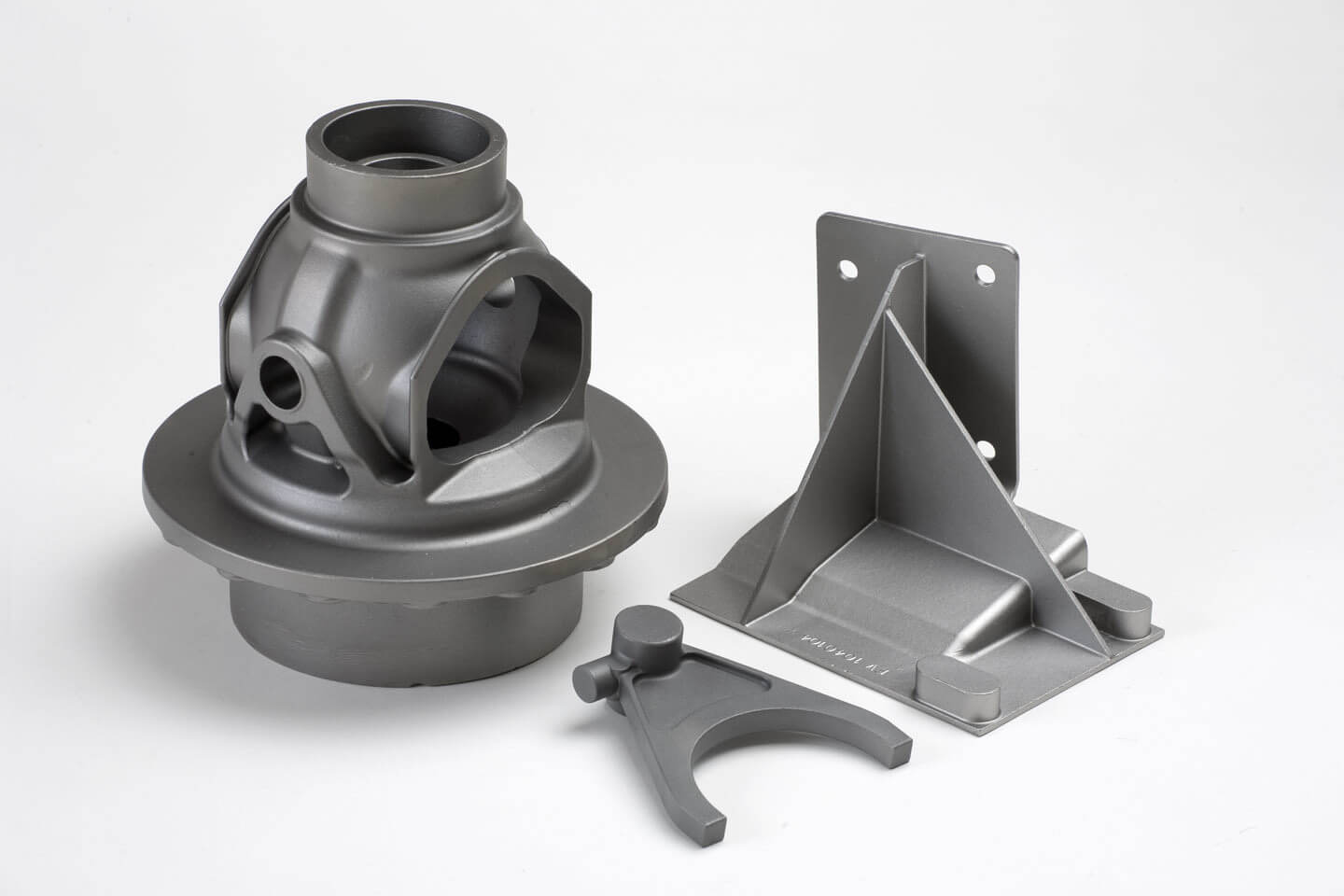
In the fiercely competitive automotive industry, manufacturers are in constant search for innovative ways of improving performance, reducing cost, and making their production more sustainable. Low-pressure casting is one such innovation that offers a versatile and efficient way of casting with high-quality precision and minimal waste.
This blog goes into the low-pressure casting process, discusses its advantages, and explains why it is a game-changer for the automotive industry.
What Is Low-Pressure Casting?
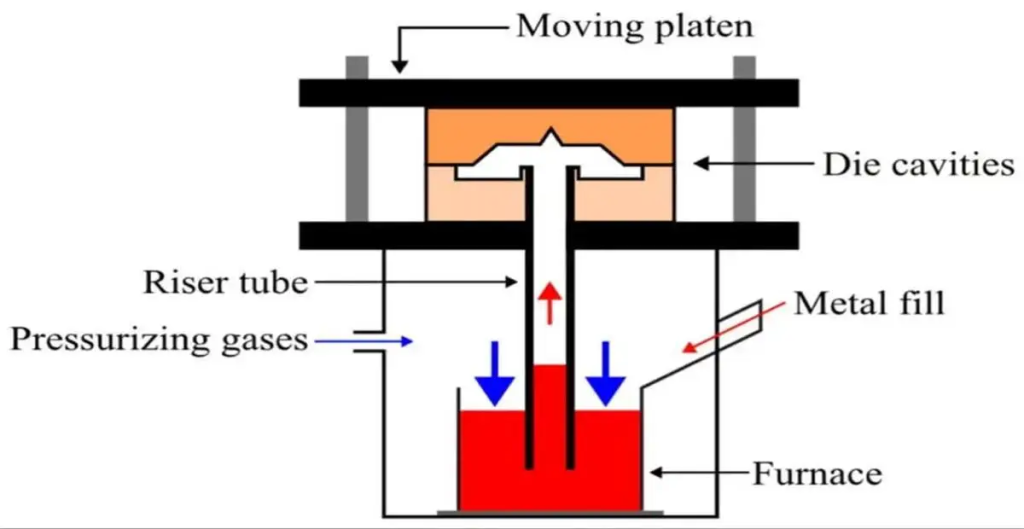
Low-pressure casting is a metal casting process where molten metal is forced into a mold using low-pressure air or gas. Unlike traditional gravity casting, this method uses controlled pressure to fill the mold, ensuring even distribution and reducing the likelihood of defects.
This process is very suitable for non-ferrous metals such as aluminum and magnesium, which are commonly used in automotive manufacturing due to their light weight and high strength.
How Low-Pressure Casting Works
Low-pressure casting involves several critical steps:
1. Mold Preparation
The mold, typically constructed from durable materials such as steel or refractory substances, undergoes a meticulous cleaning process to remove any contaminants that could affect the casting quality. This preparation often includes checking for imperfections and ensuring the mold is adequately coated with a release agent to facilitate easier removal of the final cast. Proper preparation is crucial as it directly influences the accuracy of the mold cavity and the quality of the final product.
2. Heating and Melting
In this stage, the metal is placed into a high-capacity furnace, where it is heated to a precise temperature until it reaches a completely molten state. This process varies depending on the type of metal being used, as different metals have distinct melting points. The furnace is designed to maintain a controlled environment, often using advanced technology to monitor temperatures and achieve uniform heating. Proper melting is essential to achieve the right fluidity for the casting process, ensuring that the metal can fill the mold accurately.
3. Applying Low Pressure
Once the metal is molten, low-pressure gas, typically inert, is introduced into the furnace. This gas generates a controlled upward pressure that directs the molten metal into the mold through a riser tube. This low-pressure application is crucial because it allows for a steady and consistent flow of molten metal, reducing the likelihood of defects such as air pockets or incomplete filling. The controlled environment also minimizes oxidation and other chemical reactions that could alter the metal’s properties.
4. Cooling and Solidification
After the mold is filled, the molten metal begins to cool and solidify under carefully controlled conditions. This cooling phase is critical, as it determines the final properties of the cast part, such as its strength, durability, and overall structural integrity. The cooling rate can be adjusted depending on the desired characteristics of the metal. After solidification, the metal will take on the precise shape of the mold, which can include intricate details and complex geometries.
5. Mold Removal
Once the metal has fully solidified and achieved the desired temperature, the mold is carefully stripped away. This process requires precision to prevent any damage to the cast part. After removal, the cast components typically proceed to various finishing operations, such as trimming excess material, machining to achieve dimensional accuracy, or applying surface treatments for enhanced corrosion resistance or aesthetic purposes. These finishing steps are essential to ensure the final product meets all required specifications and quality standards.
Benefits of Low-Pressure Casting for the Automotive Sector
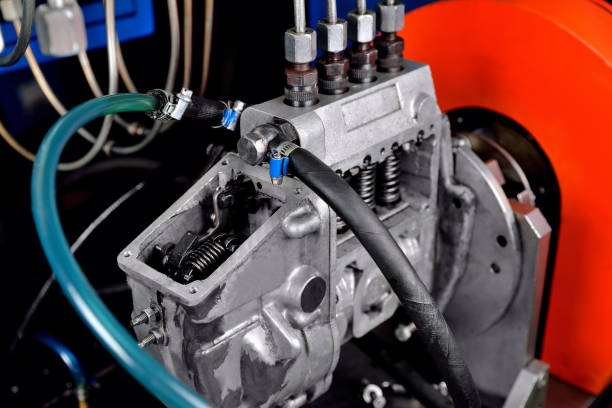
Low-pressure casting benefits in various ways, and for this reason, automotive components are highly suitable to be manufactured:
1. Higher Accuracy
The controlled pressure fills the molten metal into every corner of the mold, providing parts with intricate designs and tight tolerances. Such accuracy is critical for automotive components to fit and function flawlessly.
2. Enhanced Strength and Toughness
Low-pressure casting minimizes the possibilities of air bubbles and porosity, making denser and stronger parts. Stronger parts result in longer performance in high-demand automotive applications.
3. Lightweight Parts
This technique is specifically useful in casting lightweight metals like aluminum, which is vital for lightening up vehicles to enhance their fuel efficiency.
4. High Production Efficiency
Low-pressure casting allows the production of parts at faster rates and in consistent quality. It, therefore, supports mass production in the automobile industry.
5. Minimal Material Waste
Low-pressure casting minimizes material waste as it accurately uses metal with minimal defect formation.
6. Cost-Effectiveness
Although the initial setting up may be more expensive, the process is cost-effective in the long run due to efficiency and minimal material waste.
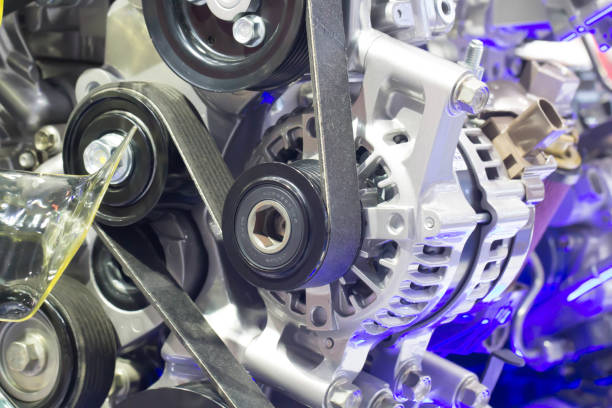
Applications in the Automotive Industry
Low-pressure casting is extensively used in the manufacturing of several automotive parts such as:
- Engine Components: Cylinder heads, pistons, and engine blocks can benefit from the strength and precision provided by low-pressure casting.
- Chassis and Structural Parts: Suspension arms and cross members are commonly produced using this method. They are lightweight yet strong.
- Wheels and Rims: The process ensures flawless finishes and high durability, which are critical for wheels and rims.
- Transmission Parts: Low-pressure casting helps produce intricate parts like housings and gears with high accuracy.
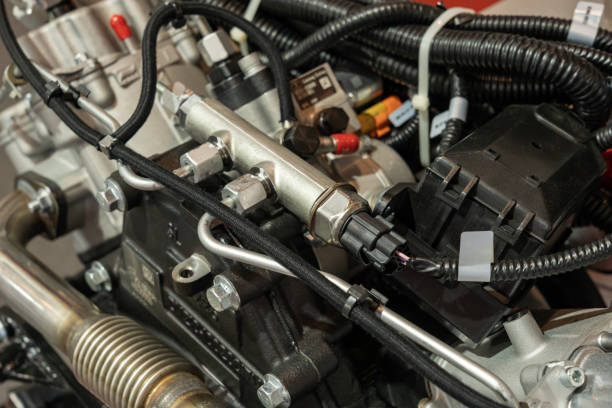
Sustainability in Low-Pressure Casting
As the automobile industry becomes more environment friendly, low-pressure casting becomes a significant means for the pursuit of sustainability.
- Energy Efficiency: The application of controlled pressure with accurate amounts of metals consumes less energy.
- Recyclable Materials: Aluminum and magnesium are well-recycled materials, usually found in low-pressure casting. They aid in a closed-loop economy.
- Minimised scrap: Low-pressure casting contributes to lessening the scrap material produced as it wastes less material, hence it reduces the effect on the environment from manufacturing.
Problems with Low-Pressure Casting
While low-pressure casting has many advantages, there are some disadvantages:
It is more expensive to have the setup for low-pressure casting, including specialized molds and equipment.
Operators should be skilled in managing the process to ensure consistent quality.
This method is not suited for all alloys. It is best used for non-ferrous metals.
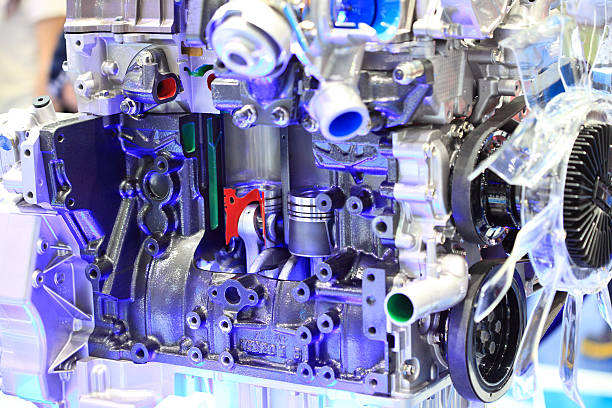
Why Kbear Metal for Low-Pressure Casting?
At Kbear Metal, we specialize in low-pressure casting solutions tailored to meet the automobile industry’s strict demands. Here’s why we’re the perfect partner for your casting needs:
- Advanced technology: Our high-class facility ensures precision and efficiency for every casting project.
- Extensive experience: Years of experience in the metal casting industry guarantee the high quality of our work every time.
- Commitment to Sustainability: We prioritize green practice while working towards meeting the requirements of the automobile industry towards a greener environment.
- Custom Solutions: be it engine components, structural parts, or wheels, castings for your specific requirement can be provided.
At Kbear Metal, partnership means choosing excellence, reliability, and innovation for the casting needs of your vehicle.
Conclusion
Low-pressure casting has transformed the automotive industry to produce high-quality, lightweight, and durable components. Its precision, efficiency, and sustainability make it a means of paving the way for advancements in vehicle performance and environmental responsibility.Finally, LPC’s compatibility with highly recyclable, non-ferrous metals like aluminum and magnesium directly aligns with the industry’s aggressive move toward sustainability and circular economy practices, reducing both scrap material and energy consumption (Schwarze-Robitec). Its precision, efficiency, and environmental responsibility make low-pressure casting a means of paving the way for continuous advancements in vehicle performance and green technology.
If you’re looking for a trusted partner to meet your low-pressure casting needs, look no further than Kbear Metal. Our expertise and commitment to quality make us the best choice for your automotive casting projects.
References
- [ASM International] ASM International (2023). Aluminum Casting Processes: Low Pressure vs. High Pressure. (Provides a technical comparison of low-pressure casting to other methods, focusing on minimized porosity and enhanced mechanical properties.)
- [Bossard] Bossard Group. What is Low-Pressure Die Casting?. (Explains the basic principles of the process, including the controlled upward pressure and its application to non-ferrous metals like aluminum and magnesium.)
- [Cast Metal Times] Cast Metal Times (2024). Low-Pressure Casting in the Automotive Industry: A Focus on Lightweighting. (Highlights the role of the process in creating lightweight parts, especially wheels and structural components, to improve fuel efficiency.)
- [Foundry Trade Journal] Foundry Trade Journal (2023). Advancements in Low-Pressure Casting for Engine Components. (Discusses the application of the method in complex engine parts like cylinder heads and blocks, emphasizing precision and strength.)
- [Metal Casting Resource] Metal Casting Resource (2025). Achieving Seamless Quality: The Benefits of Low-Pressure Casting. (Details the advantages of low-pressure filling, such as reduced air bubbles, controlled solidification, and minimal material waste/scrap.)
- [R. A. Miller] Miller, R. A. (2022). Casting Defects and Control: The Low-Pressure Advantage. (A technical source covering how the controlled pressure minimizes common casting defects like porosity and incomplete fill, leading to higher accuracy.)
- [Schwarze-Robitec] Schwarze-Robitec (2024). Low-Pressure Casting: An Overview of Environmental Benefits. (Addresses the sustainability aspects of the process, including energy efficiency and the use of recyclable, non-ferrous materials.)
- [Technical Casting Solutions] Technical Casting Solutions (2025). Designing Automotive Structural Parts with Low-Pressure Casting. (Focuses on chassis, suspension arms, and cross members, noting the high strength-to-weight ratio achieved.)
- [Waupaca Foundry] Waupaca Foundry (2023). Tooling and Cost Considerations for Advanced Casting Processes. (Discusses the higher initial setup costs associated with specialized molds and equipment for low-pressure casting compared to gravity methods.)