

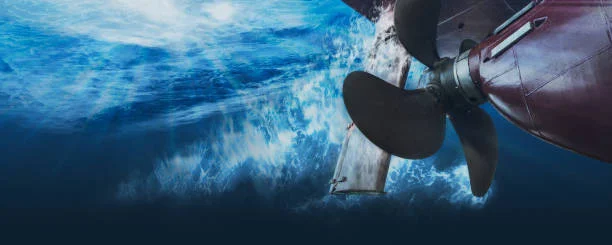
The marine industry relies on strong, tough, and precision-engineered parts to survive the adverse conditions of oceans, rivers, and lakes. One of the most important manufacturing methods supporting the marine sector is metal casting. From propellers to pumps and a myriad of other components that have been made through such techniques, metal casting really helps create highly specialized pieces needed for marine applications.
Marine applications of metal casting play a crucial role in the development and functioning of a wide range of underwater and surface maritime equipment. The maritime industry relies heavily on precision-engineered metal parts that must withstand harsh conditions such as corrosion, high pressure, and constant exposure to water. Metal casting is a centuries-old technique that has evolved significantly, enabling the production of complex, durable, and reliable components essential for marine operations. From the iconic propellers that power ships across oceans to the robust pumps that support various onboard systems, casting methods such as sand casting, investment casting, and die casting are instrumental in manufacturing these critical parts.
Propellers, often made from bronze or aluminum alloys, require meticulous casting to ensure smooth operation and resistance to corrosion, thereby maximizing efficiency and longevity. Similarly, marine pumps, used in ballast systems, fuel transfer, and cooling, demand high-quality castings for durability and performance. The versatility of metal casting allows for the customization of parts to meet specific marine requirements, including lightweight designs for speed and fuel efficiency, and corrosion-resistant materials for durability. Overall, metal casting continues to be a foundational technology in marine engineering, enabling the manufacturing of essential components that keep vessels operating safely, efficiently, and reliably across the world’s oceans.
This blog discusses the importance of metal casting in the marine industry, its key applications, and how it supports innovation and performance in marine engineering.
Why Metal Casting is Crucial for Marine Applications
Metal casting is indispensable for marine applications due to its ability to produce complex, durable, and high-performance components tailored to harsh maritime environments. Marine environments expose equipment to corrosive saltwater, extreme pressures, and fluctuating temperatures, demanding materials that can withstand these conditions over long periods. Metal casting allows manufacturers to create intricate shapes and designs that are difficult to achieve with other manufacturing methods, ensuring components like propellers, pumps, and fittings meet strict performance standards. Castings made from alloys such as bronze, aluminum, and stainless steel are highly resistant to corrosion and fatigue, making them ideal for marine use.
Additionally, casting enables the production of parts with enhanced strength-to-weight ratios, which are crucial for improving vessel speed, fuel efficiency, and stability. The ability to customize castings for specific applications also means that marine engineers can optimize components for performance, longevity, and safety. Moreover, metal casting supports large-scale production and fast manufacturing cycles, ensuring reliable supply chains for the maritime industry. Overall, metal casting is vital for creating essential marine components that combine strength, corrosion resistance, and precision, contributing significantly to the safety, efficiency, and durability of marine vessels and equipment.
Marine environments are hostile, and components are subjected to high salinity, extreme pressures, and constant wear and tear. Metal casting addresses these challenges by:
- Enabling Material Versatility: Casting supports a wide range of materials, including bronze, stainless steel, and aluminum. These materials are highly resistant to corrosion and fatigue.
- Manufacturing Complex Shapes: Propellers, for example, can be manufactured using precise geometries that improve the performance of such components via casting.
- Supporting Scale: Whether it is some small, custom parts or large-scale production, this process meets the diverse marine sector needs.

Key Applications of Metal Casting in the Marine Industry
1. Marine Propellers
Propellers are one of the most important parts of a ship or boat, as they directly affect speed, efficiency, and fuel consumption. Metal casting is the core part of propeller manufacturing because it can create complex, curved shapes that are optimized for hydrodynamic performance.
Materials Used:
- Bronze: It is known for its corrosion resistance and strength.
- Stainless Steel: It offers enhanced durability and resistance to marine corrosion.
2. Pumps and Valves
Pumps and valves are essential for managing fluid systems aboard ships, from fuel transfer to cooling water circulation. Metal casting ensures these components can handle high pressures and resist wear caused by constant use.
Advantages of Casting in Pumps and Valves:
- High precision ensures tight seals.
- Durability to withstand extreme conditions.
- Versatility to produce custom designs for specific systems.

3. Hull Components
Most structural components of a ship’s hull are made from cast metal. These are typically brackets and fittings. Strength without excessive weight is an integral requirement to improve the overall performance of the vessel.
Benefits of Casting in Hull Components:
- Strength distribution of the component is uniform
- Corrosion resistant with saltwater
4. Anchors and Mooring Equipment
Anchors, chains, and mooring equipment withstand heavy loads and constant exposure to corrosive marine conditions. Casting can be used to produce these parts with exceptional strength and reliability.
Common Materials:
- Ductile iron due to its high tensile strength.
- Corrosion-resistant alloys for longevity.
5. Marine Engines and Turbines
Metal casting is used in manufacturing the engine blocks, turbine components, and other internal parts of a marine engine. The process allows the parts to be designed for maximum temperature and pressure with maximum efficiency.
- Important Characteristics:
- High resistance to thermal shock.
- Precise dimensions to ensure the optimal operation.

6. Rudders and Steering Mechanisms
The rudders and steering components require high accuracy manufacturing to allow for smooth running and stability. The process of metal casting is versatile enough to create such components with accuracy and strength.
7. Heat Exchangers
Cast parts can have complex designs which result in increased efficiency of heat transfer. Heat exchangers are important for maintaining the temperature control in marine systems such as engine cooling and HVAC systems.
Material Options:
- Copper alloys – to ensure high thermal conductivity
- Stainless steel to provide durability and corrosion resistance.
Materials Used in Casting in Marine
The type of material used is vital for the durability and effectiveness of marine parts. These often include:
- Bronze: It is used in propellers because it is corrosion-resistant.
- Aluminum Alloys: Lightweight, corrosion-resistant, and suited for small boats.
- Stainless Steel: It has a high strength and is resistant to marine environments.
- Ductile Iron: It is strong, yet cost-effective, and used in heavy-duty parts.

Challenges in Marine Casting and How They Are Overcome
1. Corrosion Resistance
Marine environments are highly corrosive because they are always exposed to saltwater.
- Solution: The use of corrosion-resistant materials such as bronze, stainless steel, or specially treated aluminum alloys.
2. Wear and Tear
Marine parts are always under mechanical stress, which causes wear over time.
Solution: Use high-tech casting methods to enhance the durability of the material and use wear-resistant alloys.
3. Dimensional Accuracy
Most marine parts, such as propellers, need to have the right dimensions to work well.
Solution: Use advanced casting methods like investment casting or precision sand casting for high accuracy.
Advanced Casting Techniques for Marine Applications
1. Sand Casting
The method is very economical and versatile for such large components like anchors and blocks of engines.
2. Investment Casting
Ideal for all the smaller intricate components with high precision and smooth surfaces like valves and propeller blades.
3. Die Casting
Commonly employed for the high-volume manufacture of lightweight components, with aluminum parts in smaller ships.
4. Centrifugal Casting
It perfectly suits the cylindrical components as in pipes and shafts to have uniform material properties.

Why Choose Kbear Metal?
At Kbear Metal, we specialize in producing cast components that are tailored to meet the unique needs of the marine industry. Here’s why we’re the best fit:
- Expertise in Marine Applications: With years of experience, we understand specific challenges of marine casting and deliver solutions that perform under the most extreme conditions.
- Advanced Facilities: Our state-of-the-art casting facilities ensure precision, durability, and reliability in every product.
- Wide Range of Materials: We have the material from bronze to stainless steel, which satisfies the marine standards.
- Custom Solutions: Whether you want a different propeller design or require specific engine parts, our casting processes can be customised to meet your demands.
- Commitment to Quality: Every product is subjected to rigorous testing to make sure it satisfies the requirements of the industry and more than what a customer expects.
Conclusion
Metal casting is an inevitable manufacturing process in the marine industry, for the production of propellers, pumps, and valves that are crucial parts. This process is the most effective way to face the challenge of marine environments due to its versatility, precision, and durability.
By enabling the development of corrosion-resistant and lightweight components, casting significantly enhances the safety, efficiency, and longevity of marine vessels. As the maritime industry continues to evolve, the role of metal casting will remain vital in driving innovation, supporting sustainability, and ensuring the continued success of marine engineering endeavors worldwide.
If you are looking for dependable, high-quality marine castings, Kbear Metal is your trusted partner. Our company ensures that your marine components perform flawlessly by harnessing our expertise and using advanced techniques along with commitment to excellence. Call us today to find out how we can help your needs in marine casting.