


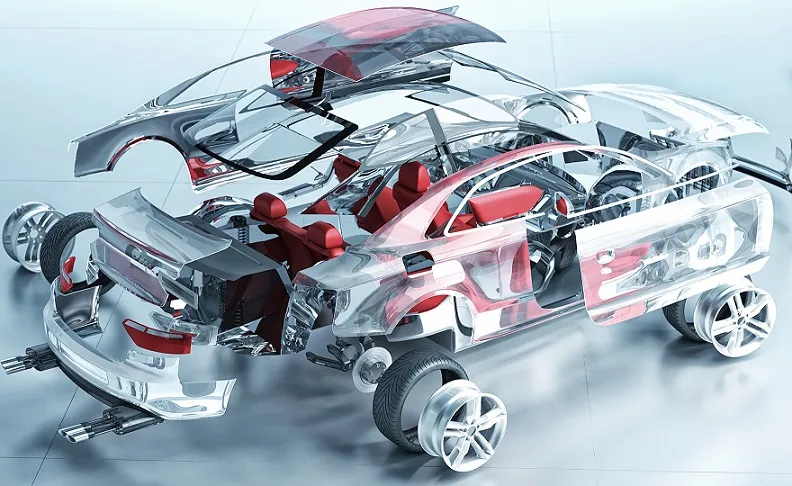
The automobile industry has witnessed major changes in the last few decades. Innovations in the field have contributed to advancements in the design, safety, and performance of vehicles. Metal casting is the central process involved in this transformation, creating strong, high-performance parts for automobiles, from engine blocks to suspension systems, that can satisfy the requirements of the modern consumer and regulatory standards.
This blog delves into the importance of metal casting in the automotive industry, highlighting key applications, benefits, and why it remains a preferred manufacturing technique.
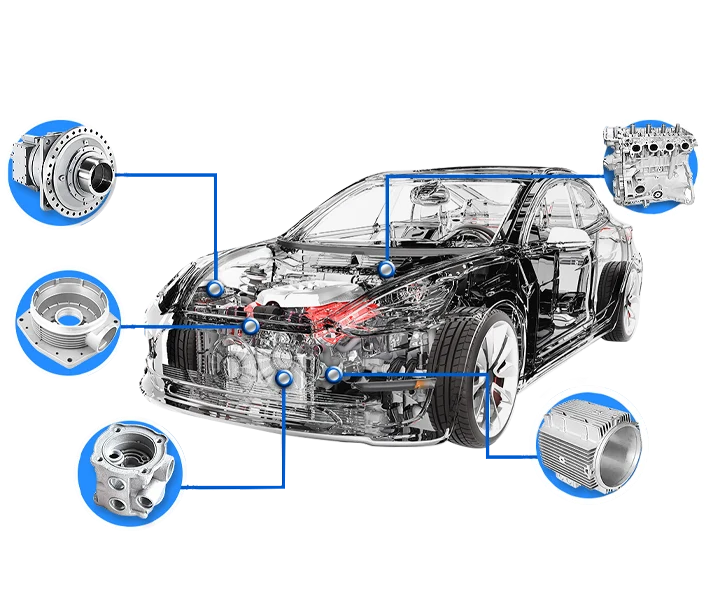
The Importance of Metal Casting in Automotive Manufacturing
Metal casting involves pouring molten metal into a mold to produce components with complex geometries. Its versatility and precision make it indispensable in automotive manufacturing. Here’s why:
- Cost-Efficiency: Casting enables bulk manufacturing with minimal waste in terms of material, lowering production cost.
- Design: Rugged shapes and intricacy that can be involved make car parts innovative to an incredible extent.
- Materials: Numerous metals and their alloys-such as aluminum, steel, and magnesium- can be cast.
- Strength/Weight Ratio: The automobile industry requires much-sturdy yet lightweight elements for effective performance, for which casting metal is superb.

Major Applications of Casting of Metal in the Auto Sector
1. Engine Blocks and Cylinder Heads
The most critical part of a car, engine blocks contain the cylinders where combustion takes place. Cylinder heads are the coverings at the top of the cylinders, which hold components such as valves and spark plugs.
- Materials Used: Aluminum and cast iron.
- Benefits: Lightweight aluminum alloys reduce the weight of the vehicle, thus enhancing fuel efficiency, while cast iron ensures durability in heavy-duty engines.
2. Transmission Housings
Transmission housings protect and support the gears and shafts that transmit power from the engine to the wheels.
- Materials Used: Aluminum alloys.
- Benefits: Lightweight and corrosion-resistant materials improve performance and durability.
3. Suspension Components
Suspension systems play a vital role in ensuring vehicle stability and comfort. Key cast parts include control arms, knuckles, and brackets.
- Materials Used: Steel and ductile iron.
- Benefits: High-strength materials resist stress and offer excellent wear resistance.

4. Brake Components
Casting is extensively applied for producing brake parts including the rotors, drums, and calipers.
- Materials Used: Cast iron for rotors and drums. Aluminum for calipers.
- Advantages: It offers excellent heat resistance of cast iron, whereas it is lightweight, so their applications are for improving better fuel efficiency with aluminum.
5. Wheels and Rims
Casting is often used for aluminium wheels and rims that serve aesthetic and functional purposes
6. Exhaust Manifolds
Exhaust manifolds collect exhaust gases from multiple cylinders and route them into a single pipe.
- Materials Used: Stainless steel and cast iron
- Benefits: Heat-resistant materials ensure durability under high-temperature conditions.
7. Fuel System Components
Fuel pumps and injectors among other components are often cast to achieve precise dimensions and durability.
- Materials Used: Aluminum and steel alloys.
- Benefits: High accuracy guarantees the efficiency and reliability of fuel supply systems.
8. Steering Components
Steering knuckles, gear housings, and tie rod ends are important components in the steering of vehicles and thus safety.
- Materials Used: Steel and ductile iron.
- Benefits: Cast parts guarantee strength and durability.

Advantages of Metal Casting in the Automobile Sector
Metal casting is highly important in the automobile industry as it facilitates the creation of long-lasting, high-performance components with enhanced efficiency. The method has numerous advantages that enhance automotive performance, affordability, and sustainability.
1. Lightweight Solutions
Utilization of light metals like aluminum and magnesium in metal casting contributes to weight reduction of the vehicle. This leads to better fuel economy, reduced carbon footprint, and improved driving performance. Lighter vehicles promote sustainability through minimized environmental effects while preserving structural integrity and safety.
2. High Precision and Complexity
Contemporary car designs call for complex parts with close tolerances, which metal casting effectively provides. Sophisticated casting methods allow for the creation of complex geometries, including engine blocks, transmission housings, and suspension parts, without the necessity of heavy machining.
3. Cost-Effective Production
Metal casting supports mass production with minimal material waste, making it a highly economical manufacturing method. By utilizing efficient casting processes, manufacturers can achieve consistent quality while reducing production costs and lead times. This scalability is essential for the automotive industry, where large volumes of parts must be produced efficiently.
4. Material Versatility
Automotive companies can choose from a variety of metals and alloys with customized performance requirements. Whether the focus is on heat resistance, corrosion protection, or mechanical strength, casting provides the ability to choose materials that satisfy industry standards and regulatory needs.
5. Toughness and Strength
Cast parts are designed for longevity, offering superior wear resistance, thermal stability, and strength of structure. This is particularly vital in the automotive field where components have to endure high stress, harsh temperatures, and round-the-clock use without affecting performance or safety.
As car technology keeps improving, developments in metal casting, such as precision sand casting, investment casting, and die casting, are increasing the efficiency, quality, and sustainability of auto parts.

Challenges with Metal Casting for Automotive Industry
Metal casting has various benefits but also poses a number of challenges:
- Porosity Problems: Air in the casting process can damage the integrity of the part.
- Material Costs: High-grade alloys are usually costly and consequently increase overall production cost
- Defect Management: Castings suffering from shrinkage or crack defects call for very delicate control in terms of process.
- Solutions: Solutions to such constraints include novel casting technologies; vacuum casting and computer aided design improve the challenges brought about.
Innovative Automotive Metal Casting
As the world continues to transform, this industry adapts to improvement in efficiency and sustainability without compromising performance through innovation:
- 3D-Printed Molds: Enabling the rapid prototyping and fast lead times.
- Recycled Materials: Use of recycled metals in casting reduces its environmental impact.
- Automation: Robotics and AI ensure that precision is met with minimized human error.

Why choose Kbear Metal for automotive casting?
We at Kbear Metal are aware of the importance that casting has in the automobile industry. Here’s why we become the first choice for car manufacturers:
- Experience: The company has been producing top-quality automotive components for decades.
- High Tech: High-tech facilities with zero-defect casting to ensure best-in-class performance.
- Eco-friendly: Using recycled material in production and adhering to sustainable practices.
- Customer Solutions: Providing customized casting services for the automotive manufacturers.
- Delivery and Support: Reliability in delivery and support all over the globe.
Conclusion
Metal casting is the backbone of automotive manufacturing, making it possible to produce tough, lightweight, and high-performance parts. From engine blocks to wheels, the versatility of casting ensures that vehicles meet the demands of modern consumers and industries.
As automotive technologies advance, casting processes continue to evolve, embracing innovations that enhance efficiency and sustainability. Whether you’re a manufacturer seeking high-quality cast components or an enthusiast exploring the intricacies of automotive engineering, the importance of metal casting in the industry cannot be overstated.
For precision and reliability in automotive casting, choose Kbear Metal—where innovation meets excellence.



